The article describes an agentic AI pipeline for enhanced due diligence (EDD) in financial crime case management, built with LangGraph and MongoDB. It aims to replace manual, rule-based AML workflows with specialized agents that triage suspicious activity, gather evidence, and draft Suspicious Activity Report (SAR) narratives. The pipeline uses a team of agents for notification, data gathering, case analysis, SAR authorship, and compliance quality assurance. A human-in-the-loop pattern ensures each decision can be traced for auditability. MongoDB serves as the durable state backbone, while LangGraph handles orchestration and dynamic routing. The author emphasizes that enterprise agentic AI must centralize state in a persistent store rather than rely on the agent as the source of truth.
Takeaways
1
Design specialized agents with narrow scopes for easier monitoring, governance, and model optimization.
2
Centralize state in a persistent data store like MongoDB; use orchestration frameworks for logic only.
3
Capture the context and data sources for each agent decision to create compliance-ready audit logs.
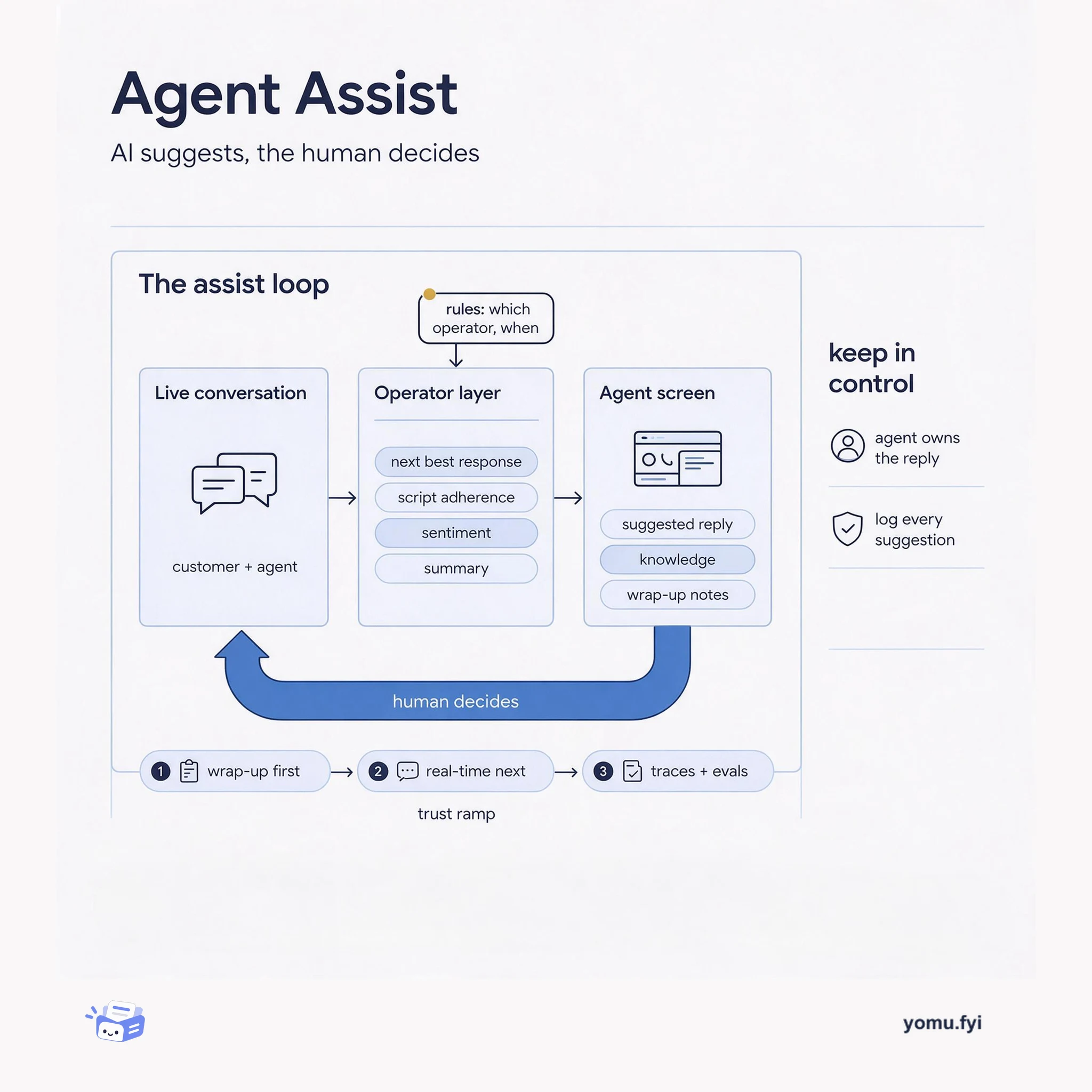
Agent assist is AI that feeds a human agent suggestions, knowledge, and wrap-up work during a live conversation. This diagram shows the loop that decides what runs, when, and who stays in control.
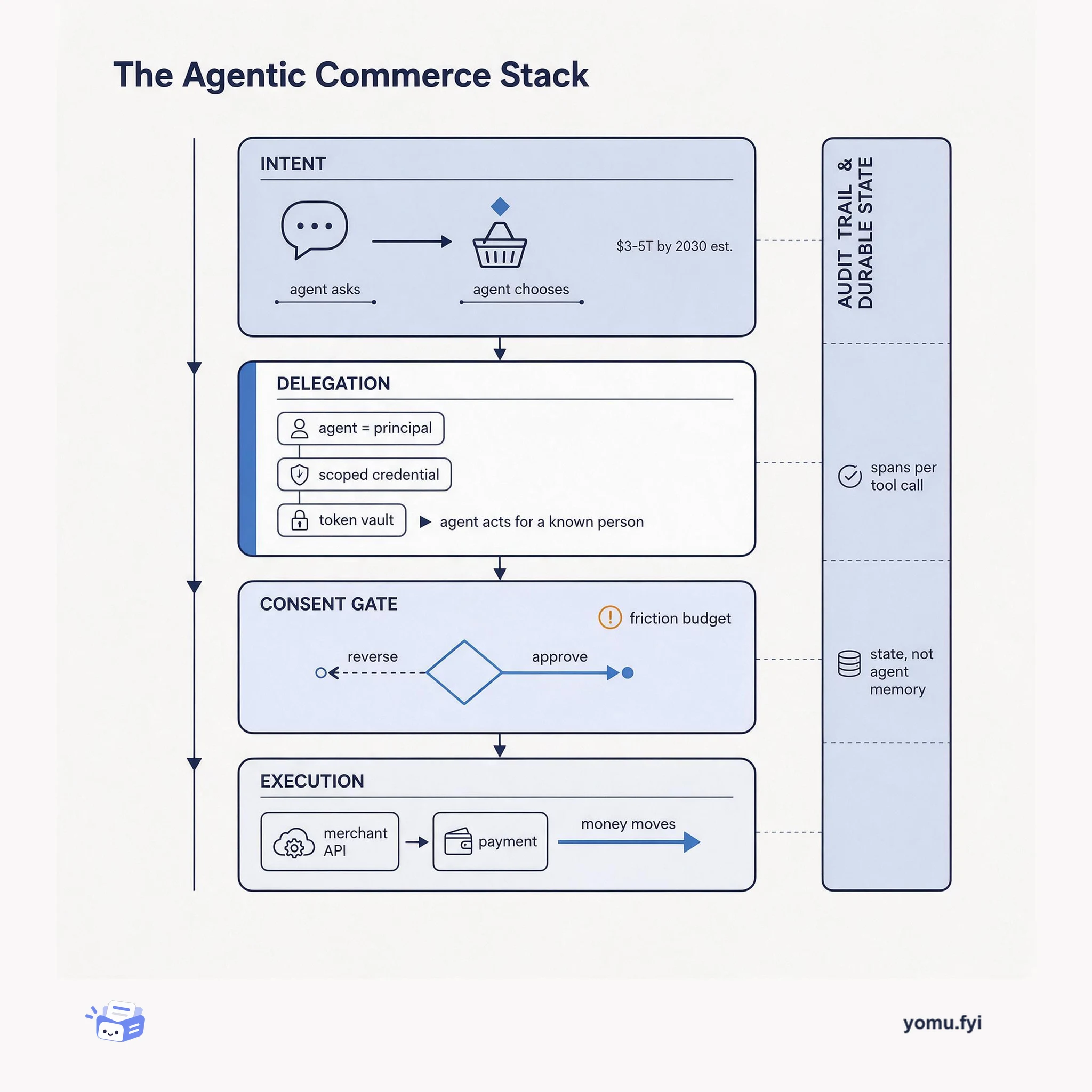
Agentic commerce works only when a shopper's agent can be identified, scoped, and audited at each step. This architecture map shows the delegation, consent, and audit layers that make an agent's purchase safe.
Keep reading
Related reading
The Good Stuff
Paid picks we use ourselves. Links carry a referral code — a subscription through one earns us a commission at no extra cost to you.