Checkpoint/Restore: Four Layers Between a Snapshot and a Running Process
Checkpoint/Restore captures live state so work resumes instead of restarting. This architecture view maps the state surface, the capture mechanism, the store tier, and the restore path.
Checkpoint/Restore is an architecture, not a single command. It has four layers: the state surface you choose to capture, the mechanism that captures it, the tier where it lands, and the path that brings it back. The mechanism determines what is cheap — a CUDA context restore is fast but narrow, a copy-on-write branch is instant but only covers storage, and continuous replication keeps a copy warm at the cost of ongoing traffic. The restore path is where the real decision lives: restoring is only worth it when it costs less than recomputing the work from scratch.
FAQ
What does a checkpoint actually capture at the process and GPU level?
It can span more than application data. Modal reduced replica startup latency by using CPU and CUDA checkpoint/restore to fast-forward through initialization, directly restoring processes and GPU contexts into memory rather than replaying startup. That is narrower than a full machine snapshot but enough to skip expensive initialization.
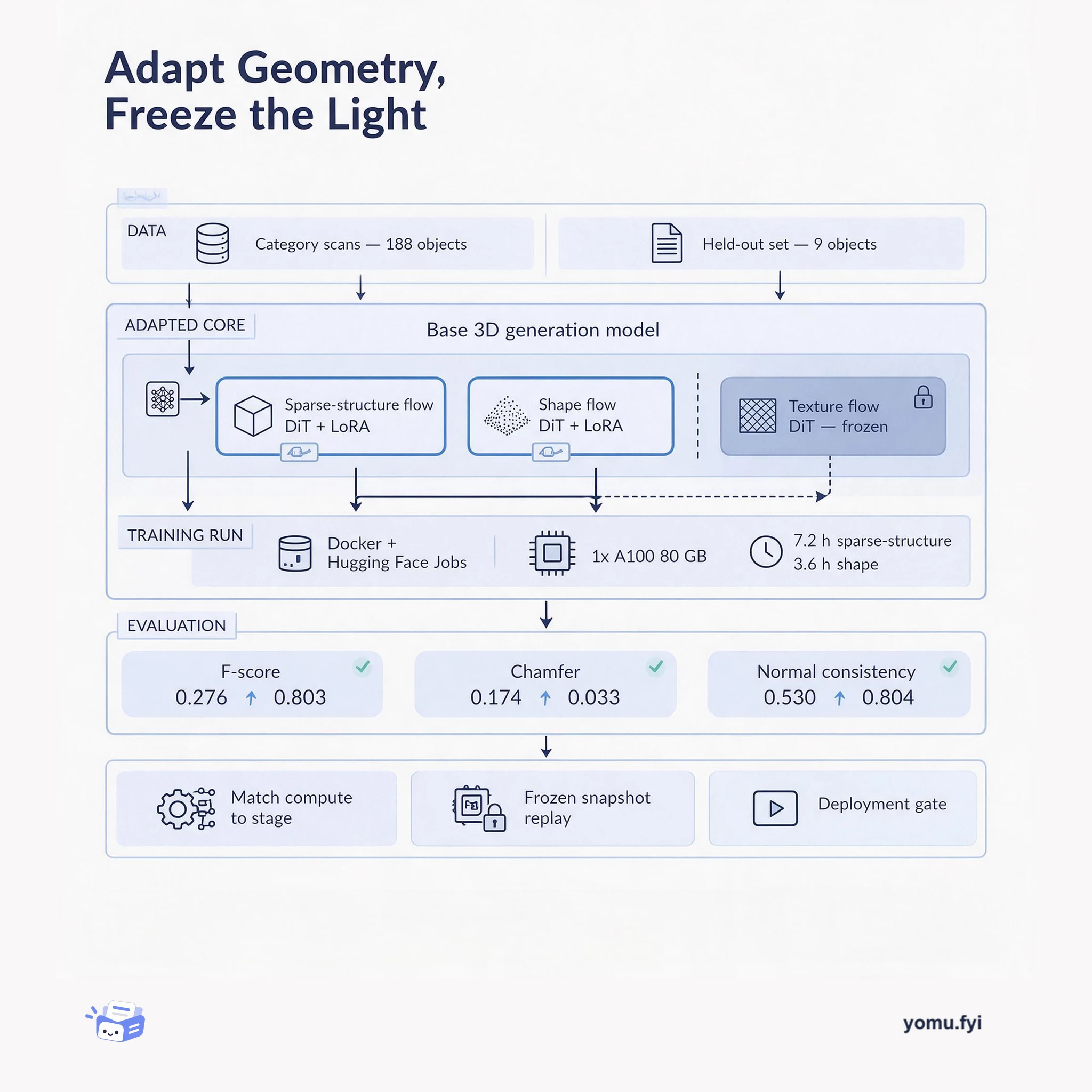
A layered architecture view of fine-tuning a 3D generation model: which flow DiT branches get LoRA adapters, which stay frozen, and how data, compute, and evaluation wrap the adapted core.
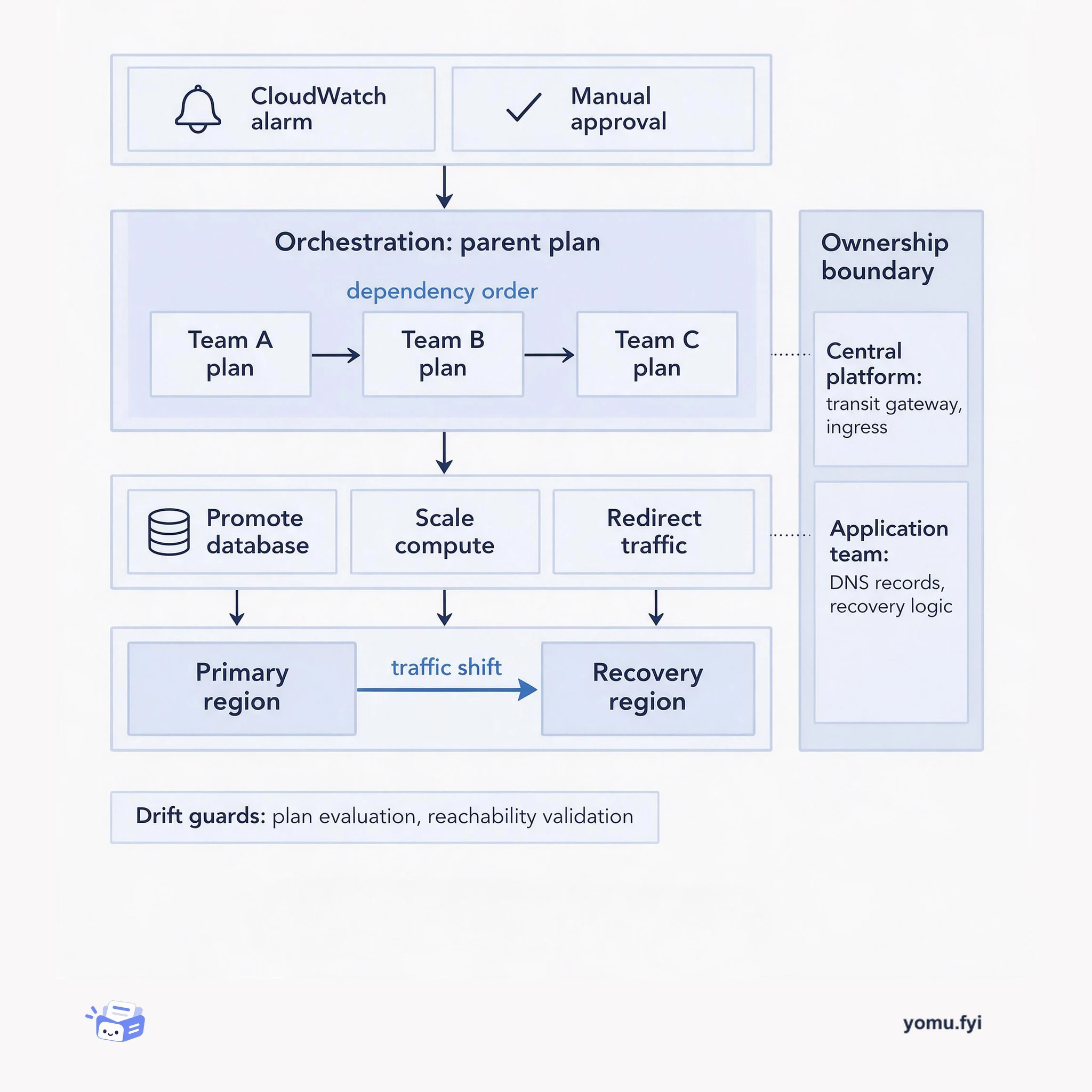
ARC Region Switch is a managed failover orchestrator that runs team-owned plans in dependency order. This diagram maps its trigger, orchestration, execution, and region layers and the ownership boundary.
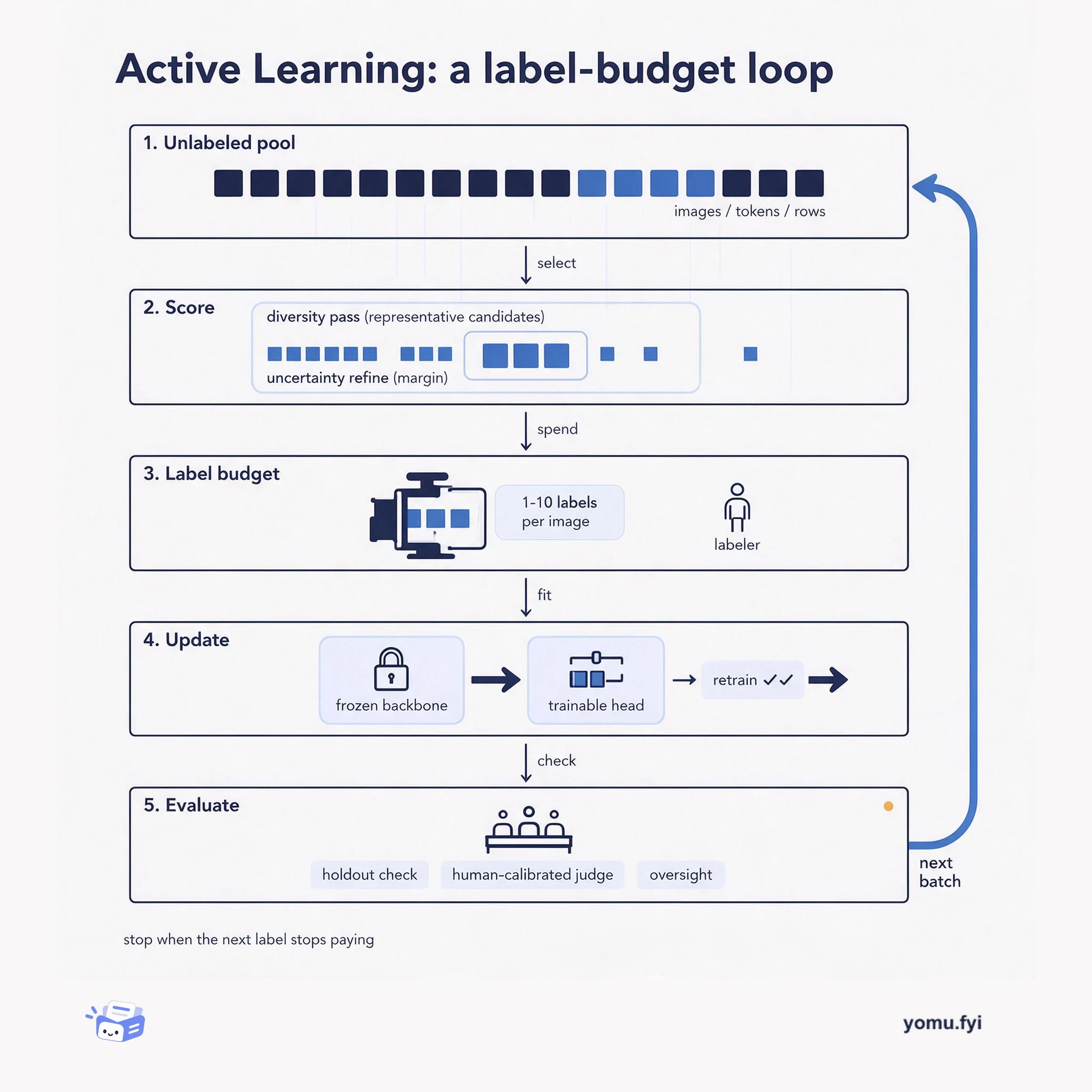
Active learning is a loop that spends a fixed labeling budget on the samples most worth annotating. This diagram maps its stages — pool, score, label, train, evaluate — and the return path that closes the cycle.
The Good Stuff
Paid picks we use ourselves. Links carry a referral code — a subscription through one earns us a commission at no extra cost to you.