The author recounts the chaos of local development across multiple projects, where version managers (asdf, nvm), separate databases (Postgres, MySQL), and conflicting environment variables cause constant friction. To solve this, they use Sprites, a Fly.io product that provides each project its own persistent, hardware-isolated Linux computer with 100 GB storage, incurring cost only when active. Each Sprite has dedicated versions, services, env vars, and ports, waking from sleep in seconds and avoiding all collisions. Sprites expose real public URLs with automatic TLS, eliminating the need for ngrok or tunneling for OAuth callbacks and webhooks. The author also values checkpoint snapshots for safe experimentation and the ability to maintain specialist coding agents per project, each with its own claude.md and skills, without context pollution.
Context
Local development for multiple projects is plagued by conflicting Node versions, package managers (nvm, asdf), databases (Postgres, MySQL), environment variables, and port collisions, leading to constant context switching and setup overhead.
Approach / What changed
Use Fly.io Sprites, which are persistent, hardware-isolated Linux containers with 100 GB storage, instant wake, real public URLs with TLS, and checkpoint snapshots. Each project gets its own Sprite with dedicated dependencies, eliminating collisions and allowing specialist coding agents per environment.
Takeaways
1
Sprites provide per-project, hardware-isolated Linux environments that only cost money when active and wake in seconds, eliminating version and database conflicts.
2
Every Sprite gets a real public URL with automatic TLS, making OAuth callbacks, webhooks, and sharing work with others straightforward without tunneling tools.
3
Checkpoints capture the entire environment (node_modules, database state, env vars) for safe experimentation, and specialist coding agents per Sprite maintain focused context.
FAQ
How does pricing work for Sprites?
Sprites only cost money when they are actively doing something. When inactive, a Sprite puts itself to sleep but retains all state, so you only pay for the Sprite you are currently working on.
Can I share my dev environment with others?
Yes, each Sprite has a real public URL with HTTPS. You can send the URL to anyone and they see exactly what you see in the Sprite. You can also create a checkpoint to freeze the state before sharing.
What happens if I forget about a Sprite?
The Sprite automatically puts itself to sleep when inactive. Nothing about its state changes. When you open a console again, it resumes exactly where you left off.
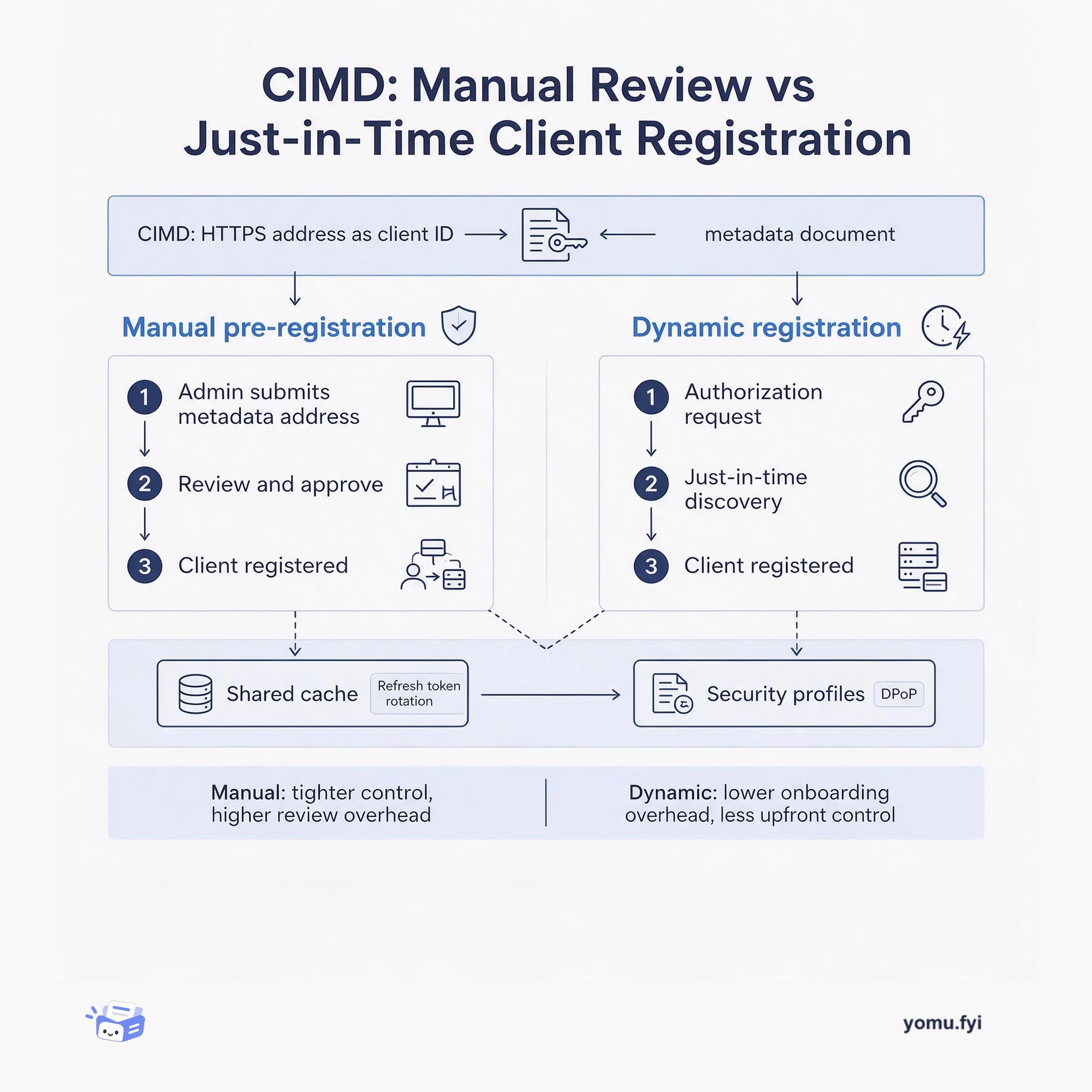
CIMD uses an HTTPS URL as an OAuth client identifier that points to a metadata document. This comparison shows when to pre-register clients manually and when to let dynamic discovery handle agent onboarding.
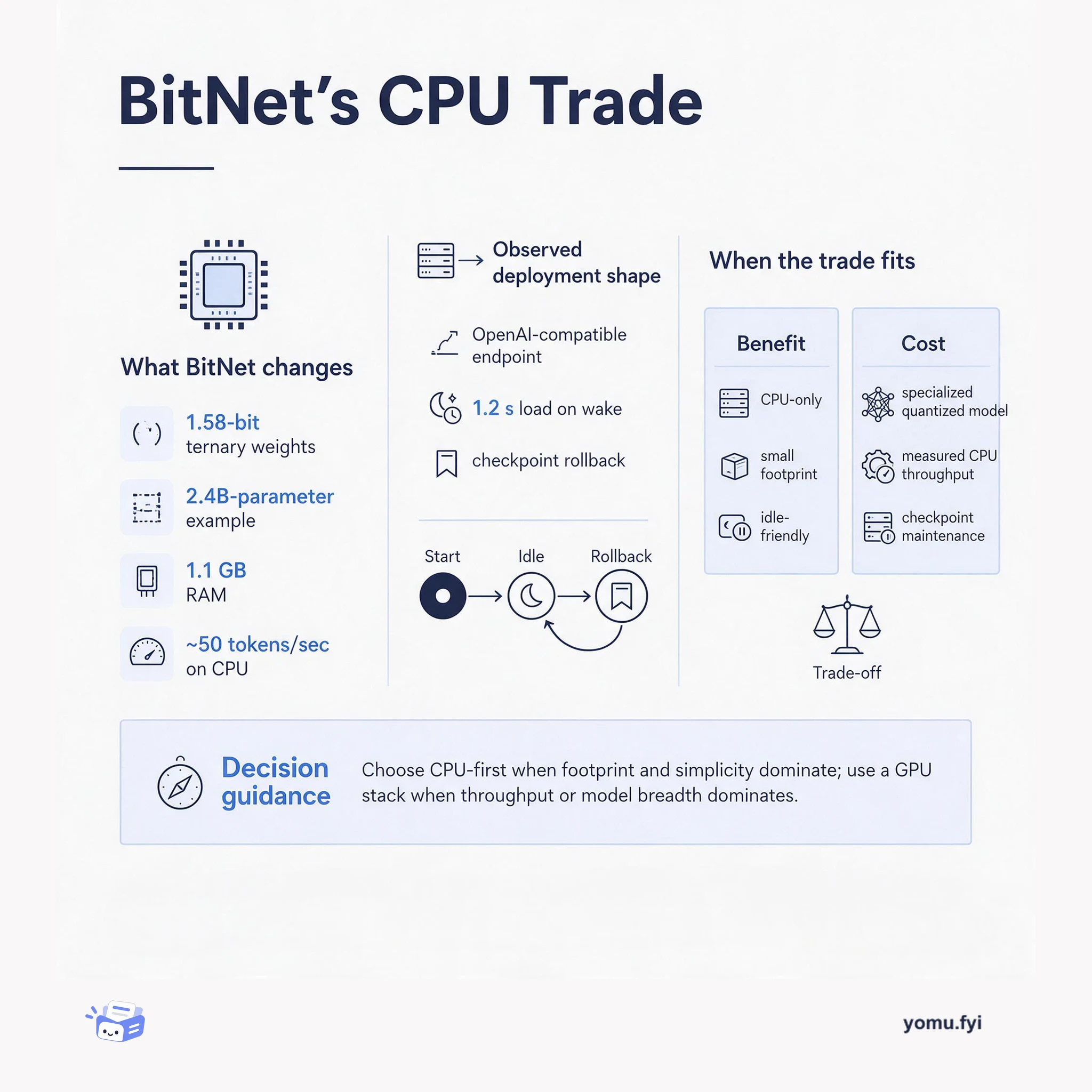
BitNet trades floating-point precision for a tiny, CPU-friendly footprint. This diagram maps the payoff—small memory and local serving—against the constraints that decide when the trade is worth it.
Keep reading
Related reading
The Good Stuff
Paid picks we use ourselves. Links carry a referral code — a subscription through one earns us a commission at no extra cost to you.