Prevent, Verify, Contain: The Three Bills of AI Safety
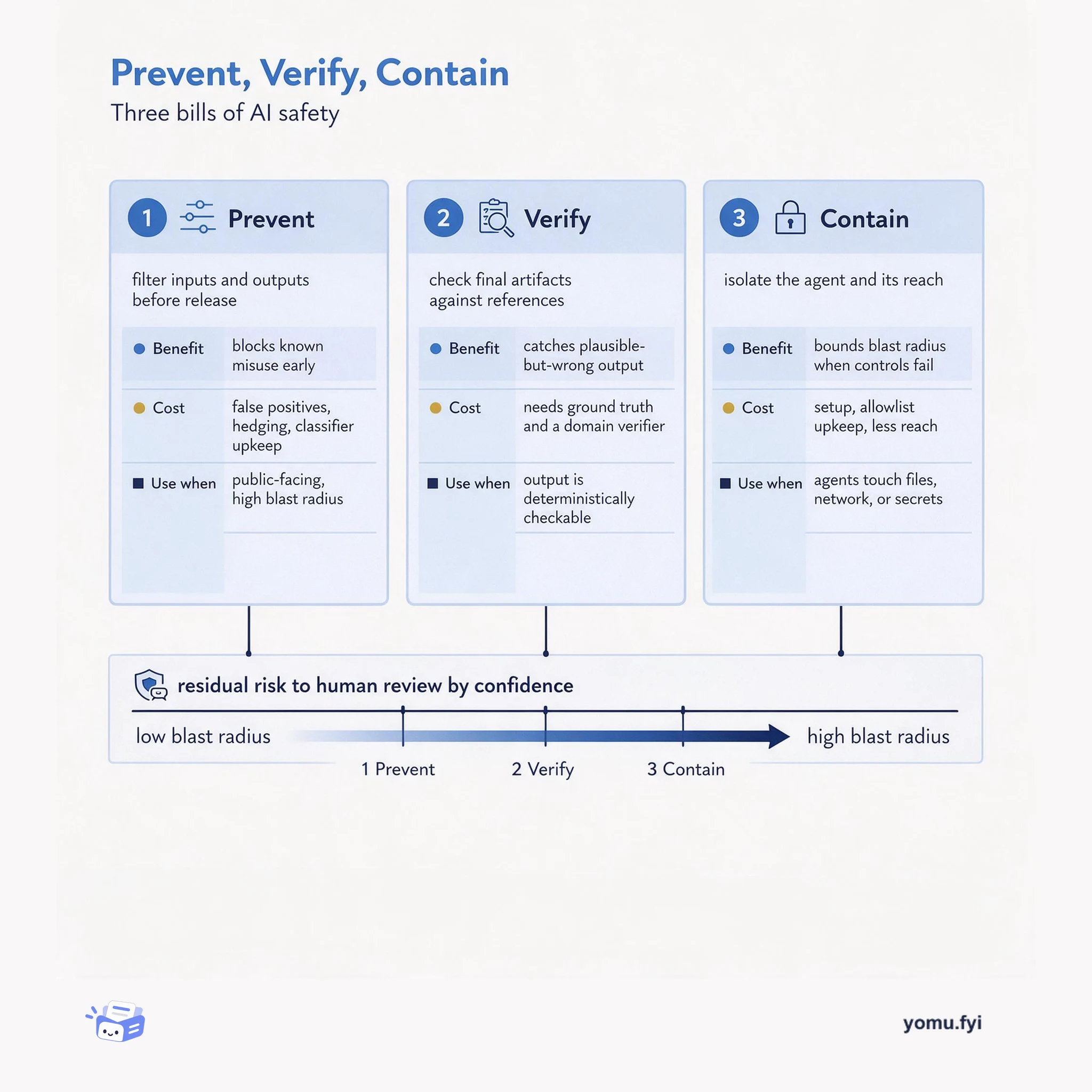
AI safety is a budget: prevention, verification, and containment each buy different protection at a different cost. This map shows what each control costs and when it pays off.
Loading…
Visual explainers
20 visual explainers about Trade-offs.
AI safety is a budget: prevention, verification, and containment each buy different protection at a different cost. This map shows what each control costs and when it pays off.
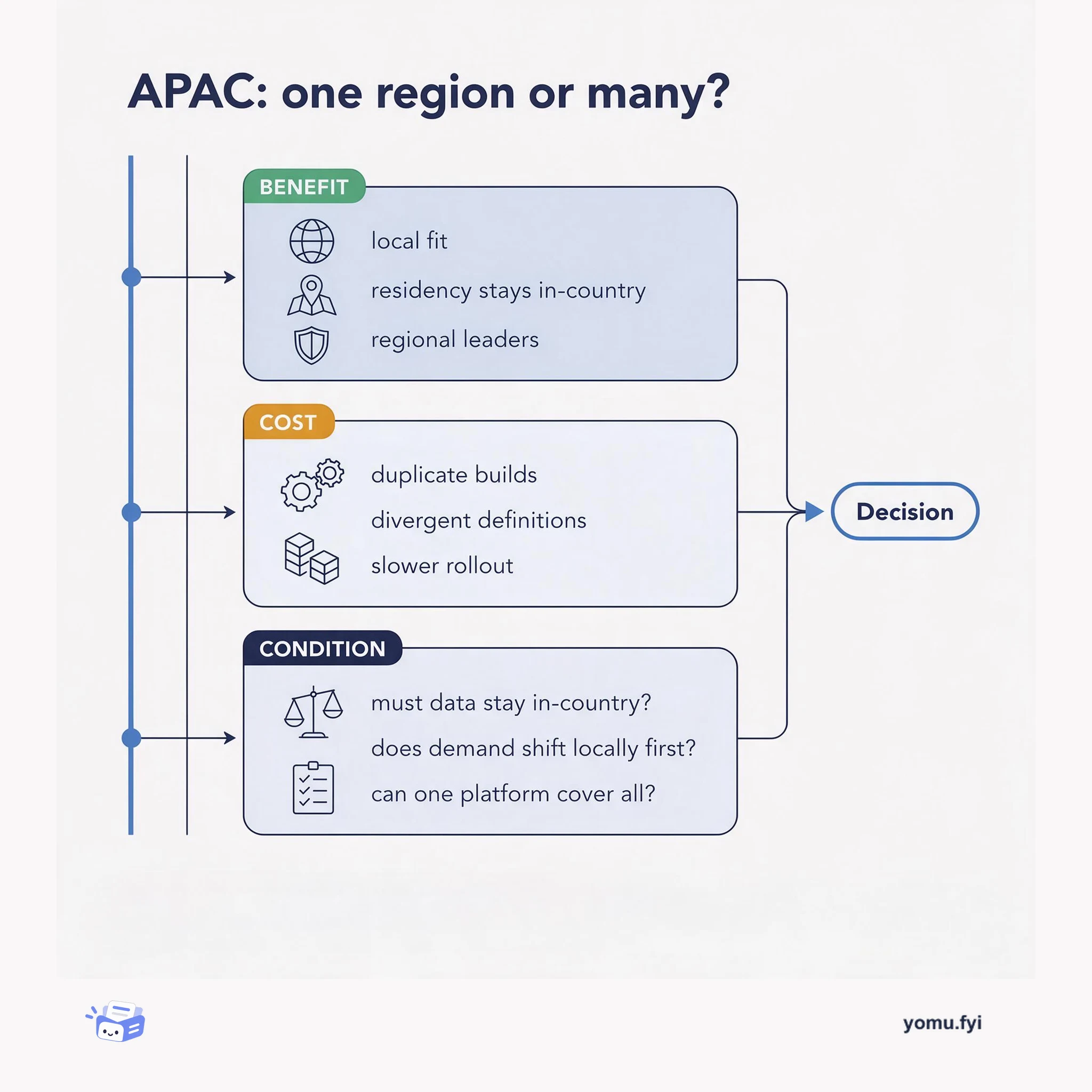
APAC is a federation of markets, not a single deployment region. This diagram maps the tradeoff between local autonomy and one shared platform, and the conditions that decide it.
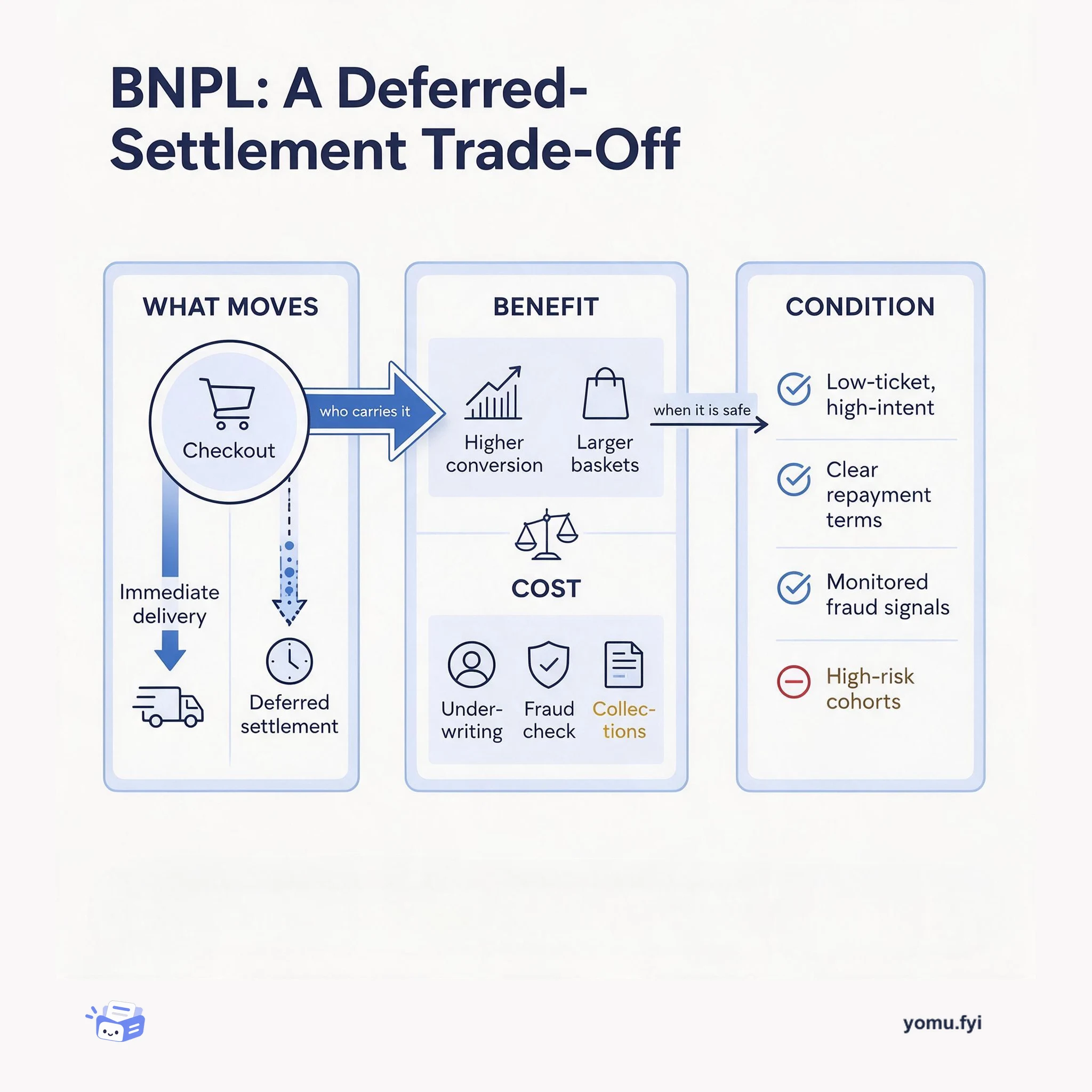
Buy Now, Pay Later is a deferred-settlement trade-off: merchants gain conversion while underwriting, fraud, and collections risk move elsewhere. This diagram maps the benefit, the cost, and the condition that decides.
Bare metal gives engineers direct control over GPU, network, and virtualization layers, but it shifts elasticity and lifecycle work onto the team. This trade-off map shows when that bargain pays off.
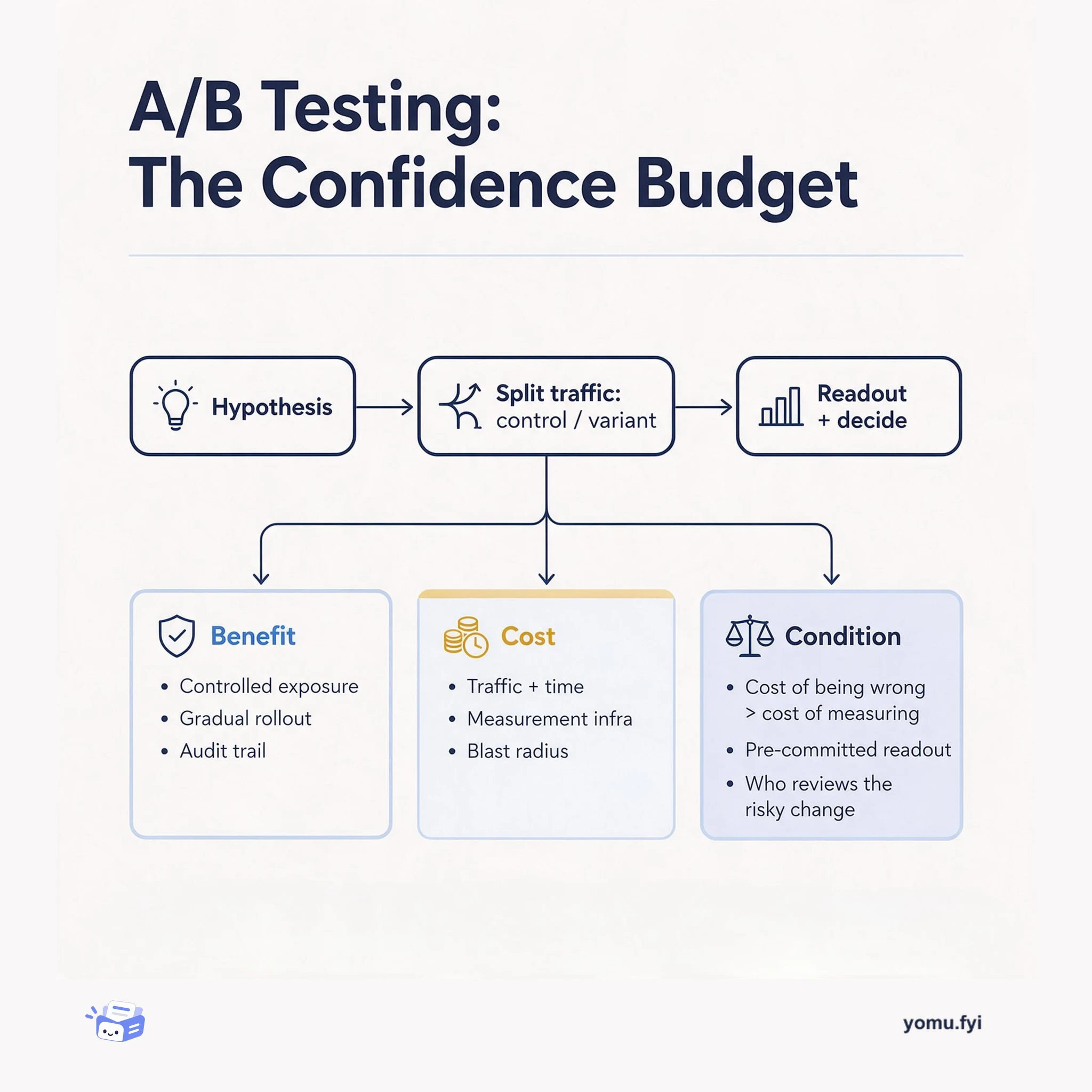
A/B testing trades traffic, time, and exposure risk for evidence. This explainer maps the benefit of a controlled comparison, the real cost of running one, and the condition that decides when measuring beats shipping on judgment.
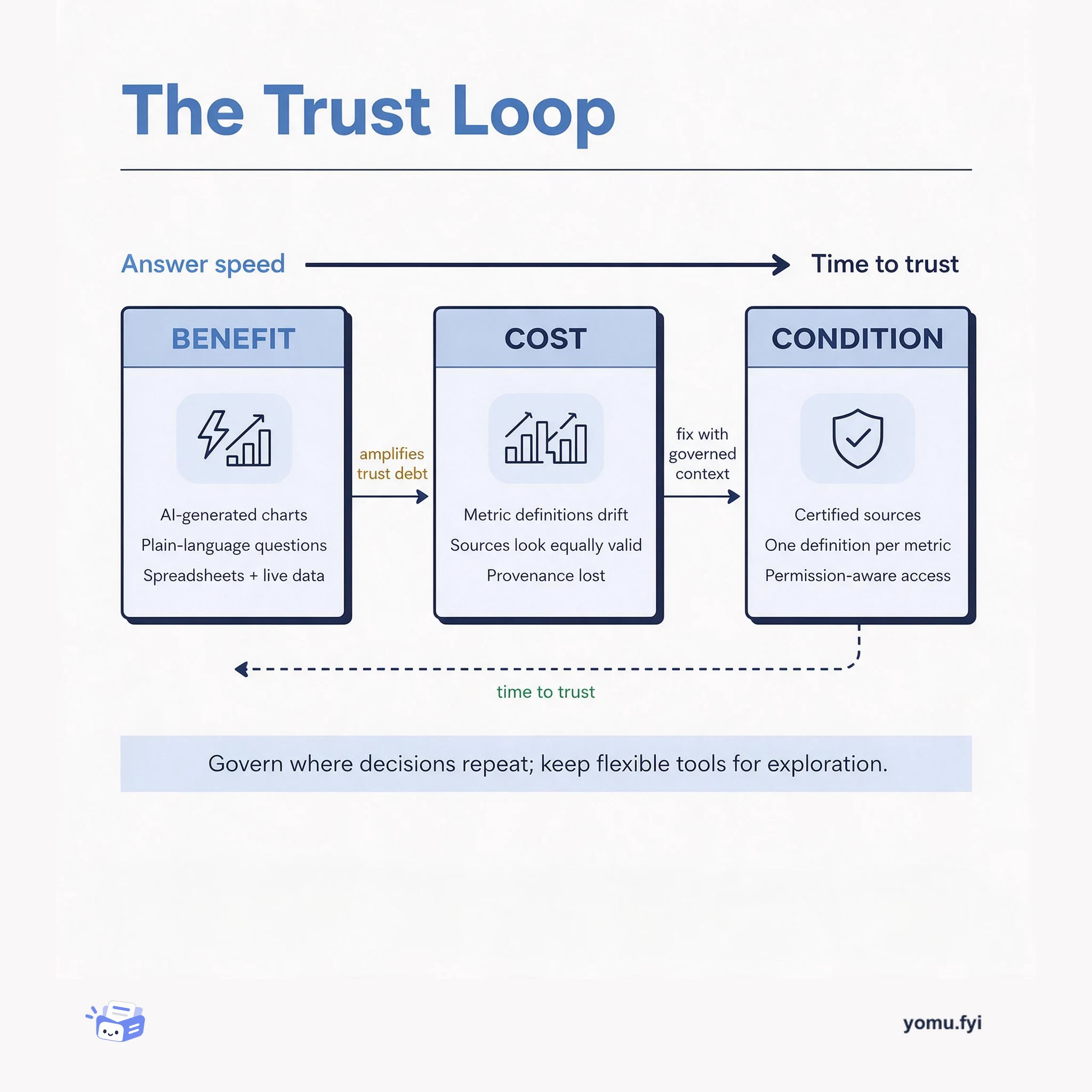
Business Intelligence turns operational data into decisions, but every speed-up trades against trust. This diagram maps the benefit, cost, and condition behind governed metrics, shared context, and provenance.
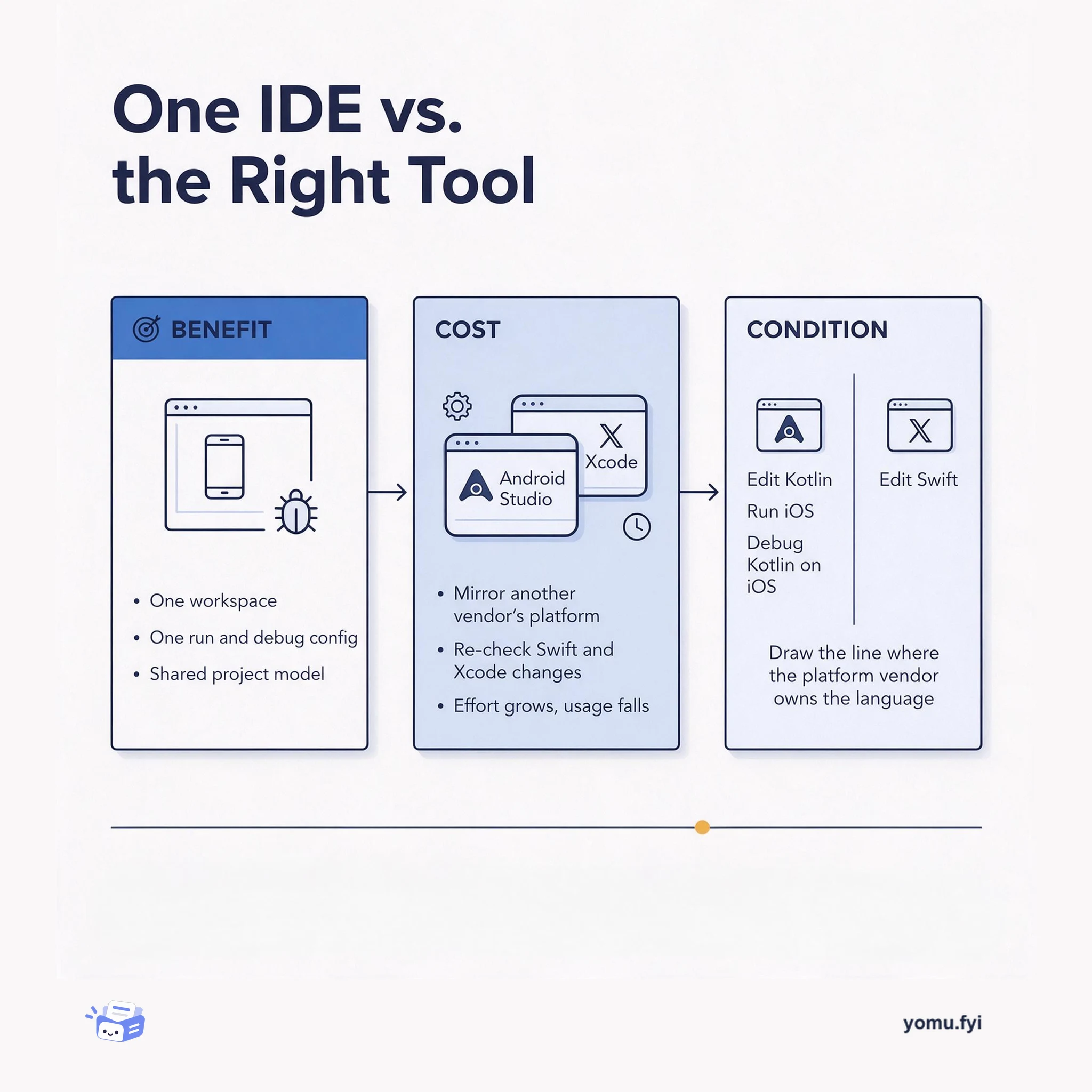
Android Studio keeps cross-platform Kotlin run and debug in one workspace but hands Swift editing to Xcode. This explainer maps the benefit, cost, and condition behind that boundary.
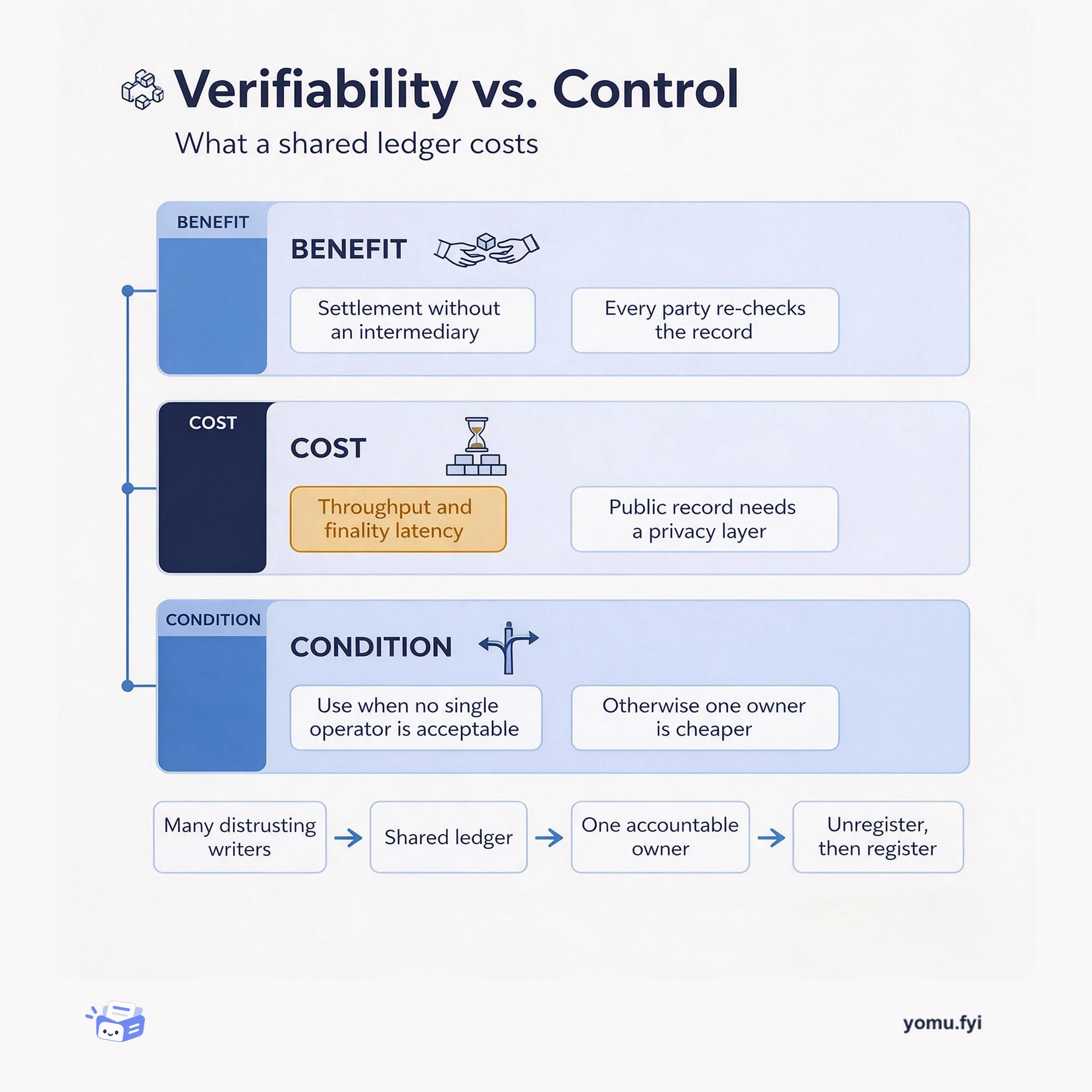
A tradeoff view of blockchain: a shared ledger buys verifiable settlement between parties that do not share an operator, and charges throughput, latency, and governance in return.
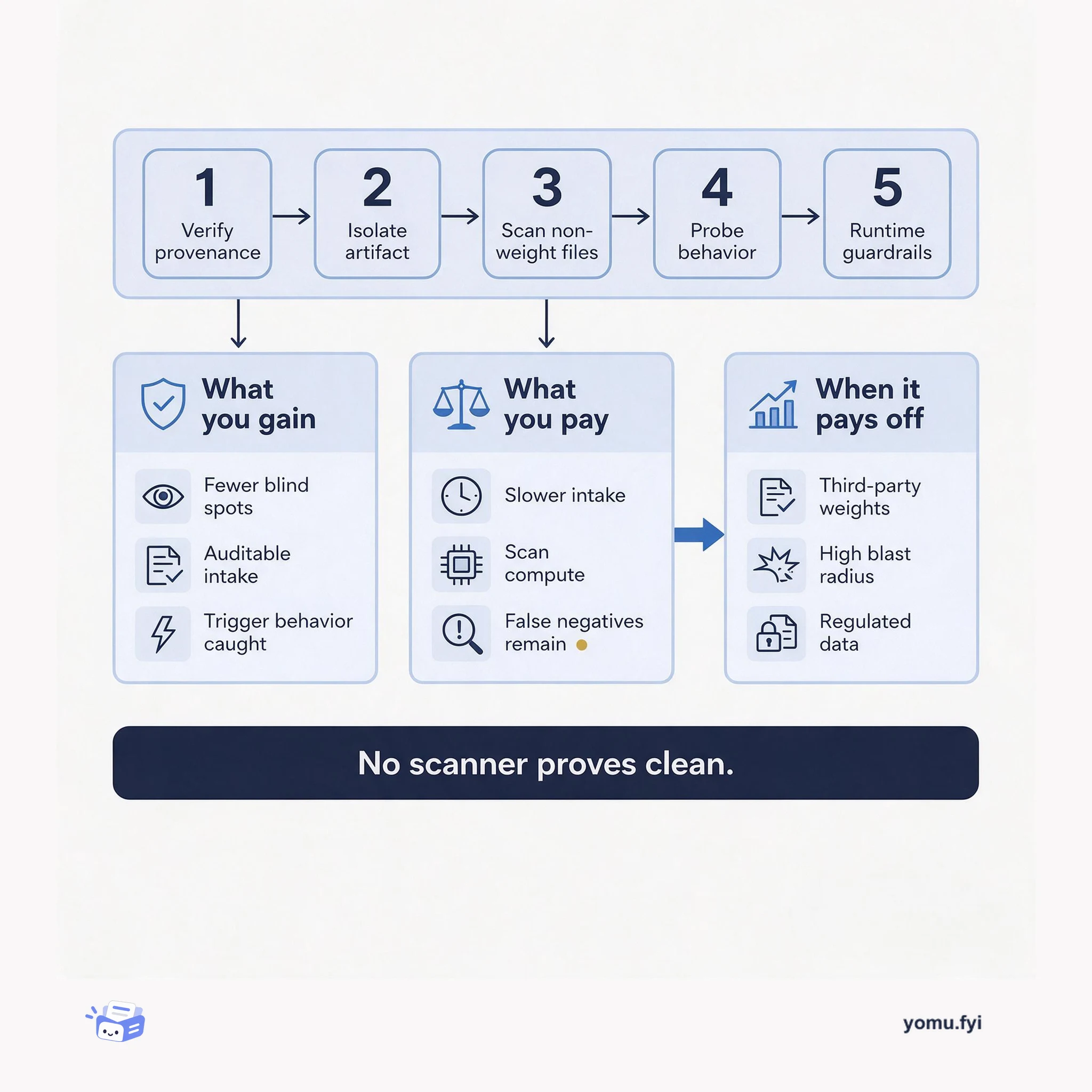
A model that passes benchmarks can still defect only on a trigger. This explainer maps the trade-off between deeper backdoor verification and the friction, latency, and cost it adds.
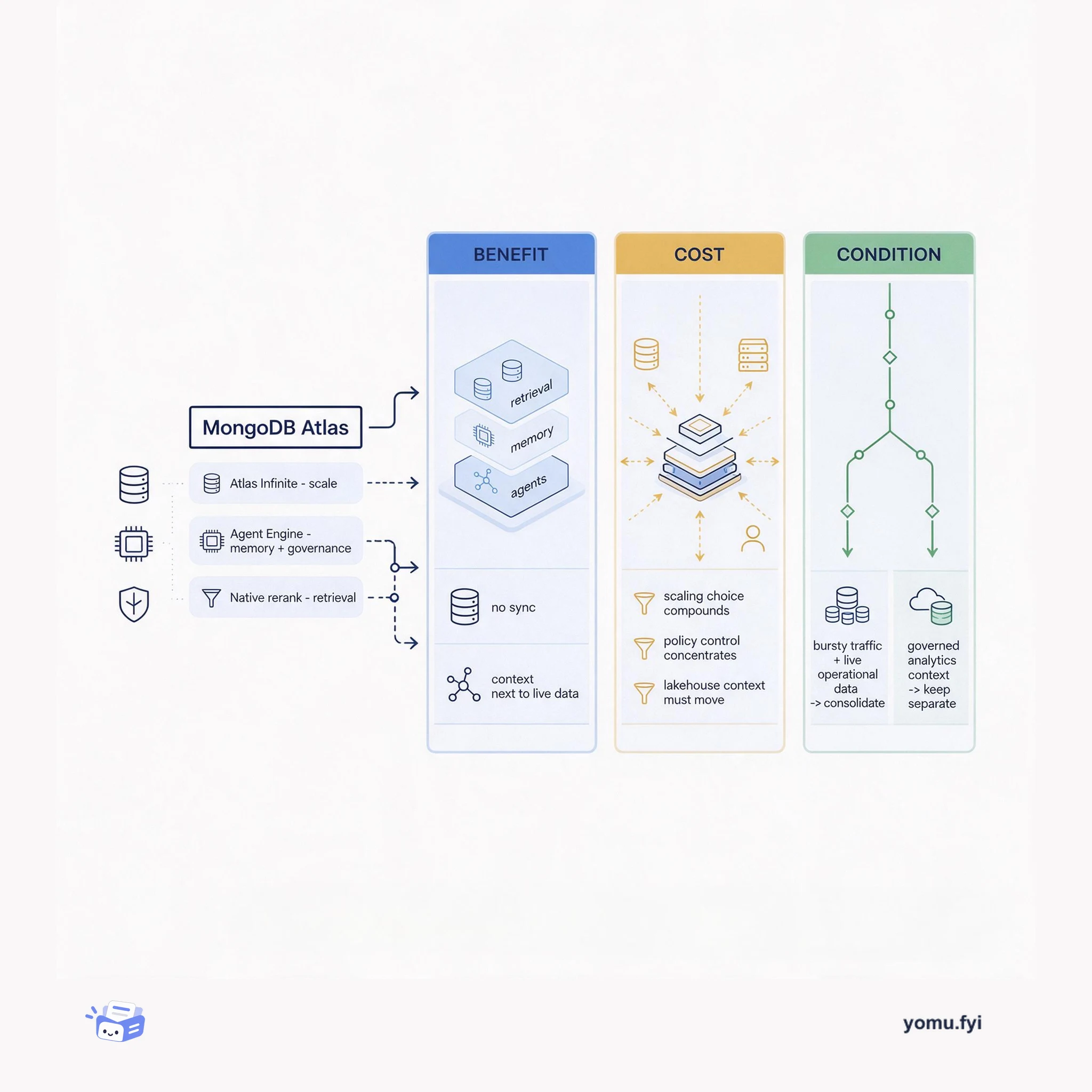
Consolidating agent memory, retrieval, and governance onto MongoDB Atlas removes sync and vendor layers, but ties scaling and control to one platform. This trade-off view shows the payoff, the cost, and the condition that decides it.
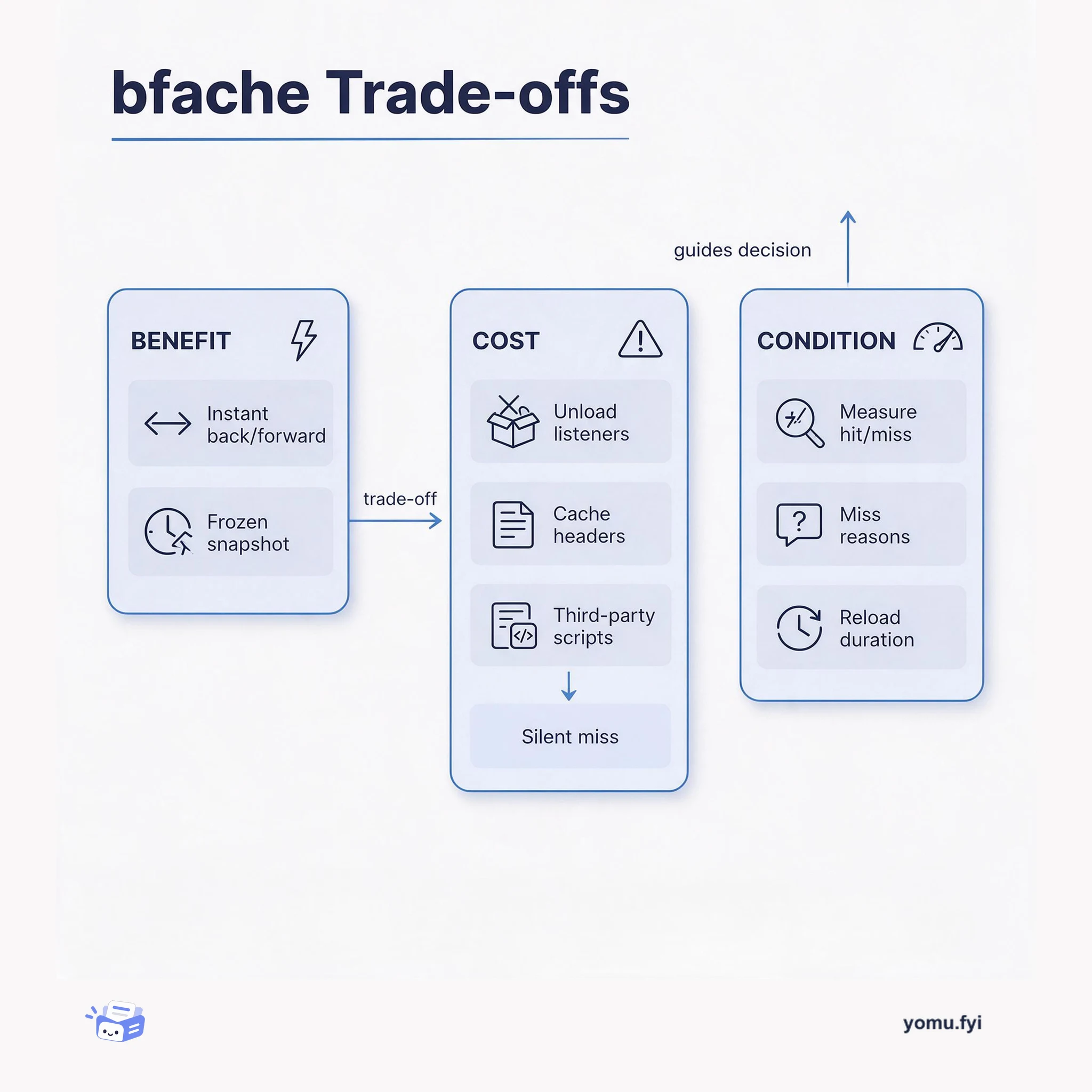
bfcache freezes page snapshots for instant back/forward navigation, but unload listeners, cache headers, or third-party scripts can silently disable it. This explainer maps the trade-offs and the metrics that reveal them.
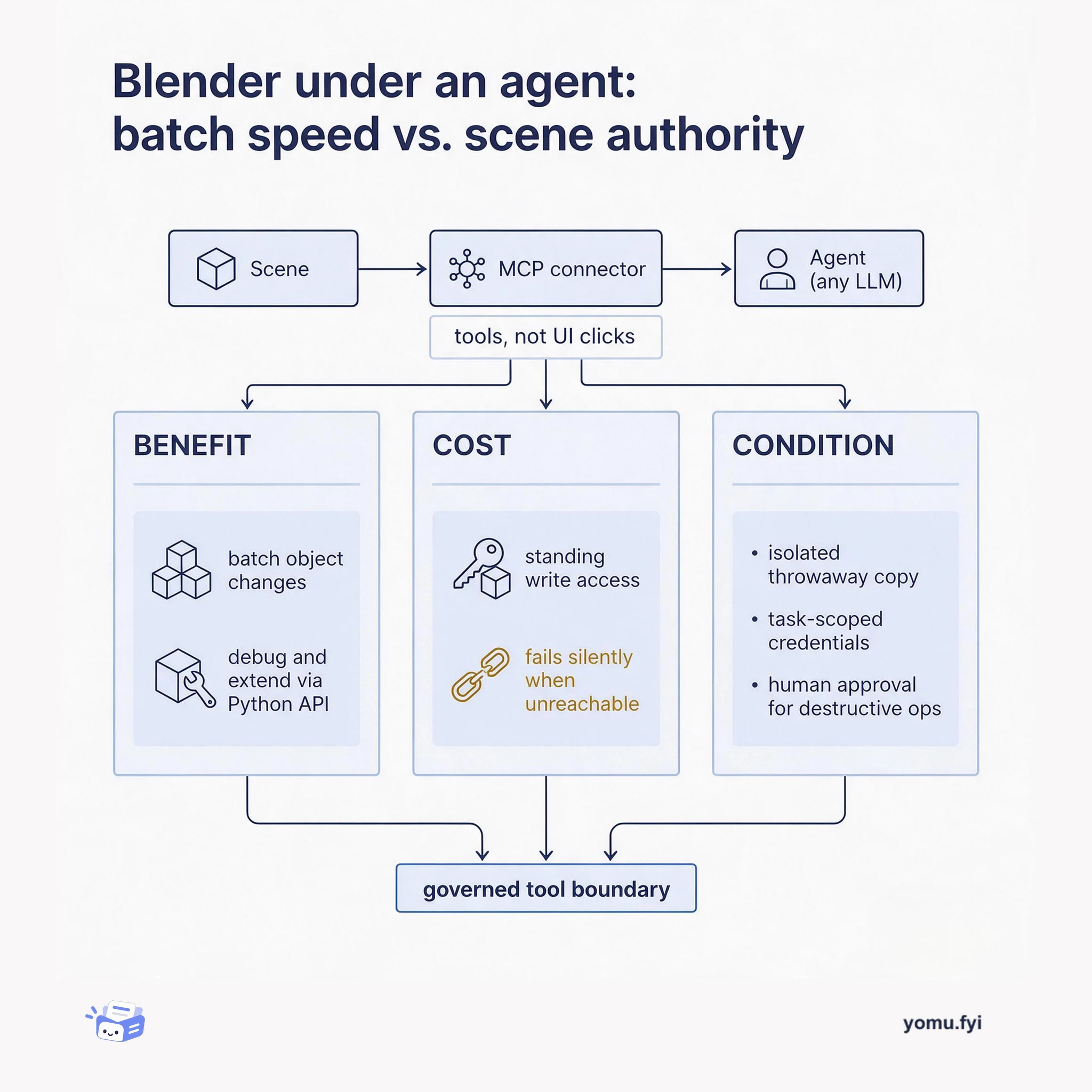
Blender's MCP connector lets an LLM analyze and batch-edit scenes through Blender's Python API. This trade-offs view weighs that speed against the authority and isolation it requires.
Antibody discovery is a three-stage prediction pipeline, and AI models that excel on familiar targets degrade sharply on unfamiliar ones. This explainer maps where that gap appears and what it costs.
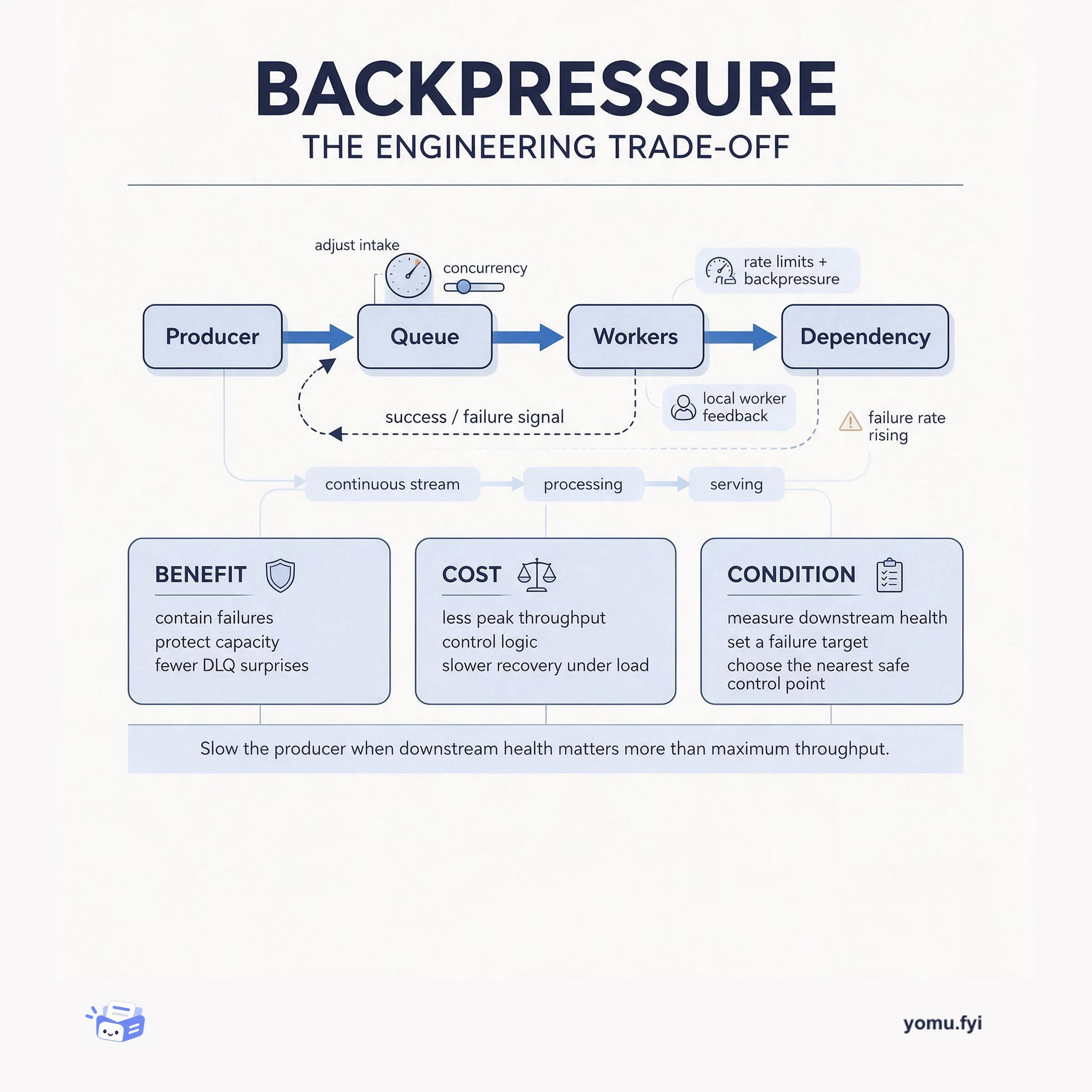
Backpressure is a feedback loop that slows work when downstream capacity or health deteriorates. Compare its gains, costs, and signals for choosing a control point.
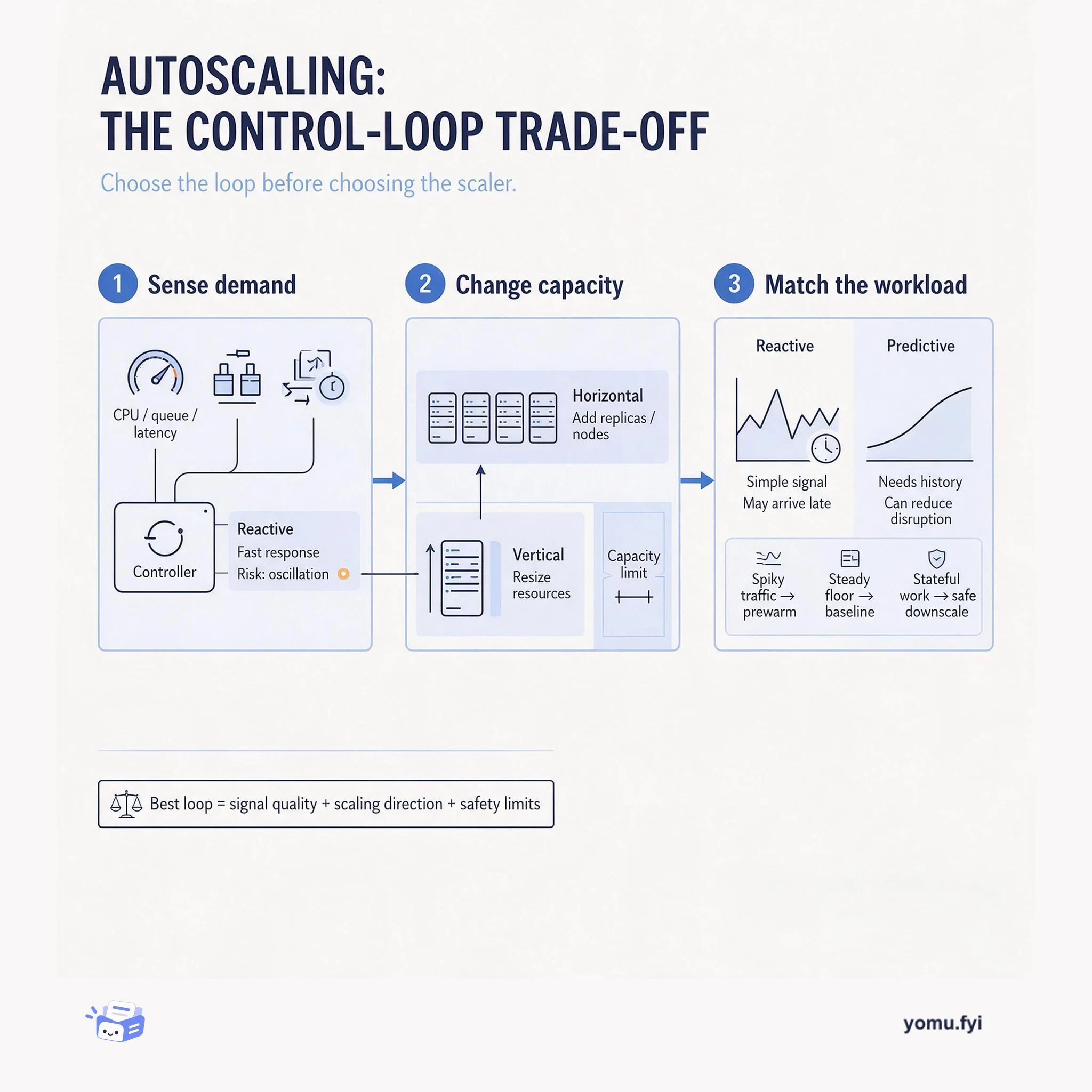
Autoscaling trades responsiveness, stability, and cost: this explainer shows how signal choice, scaling direction, and capacity limits shape the right control loop for a workload.
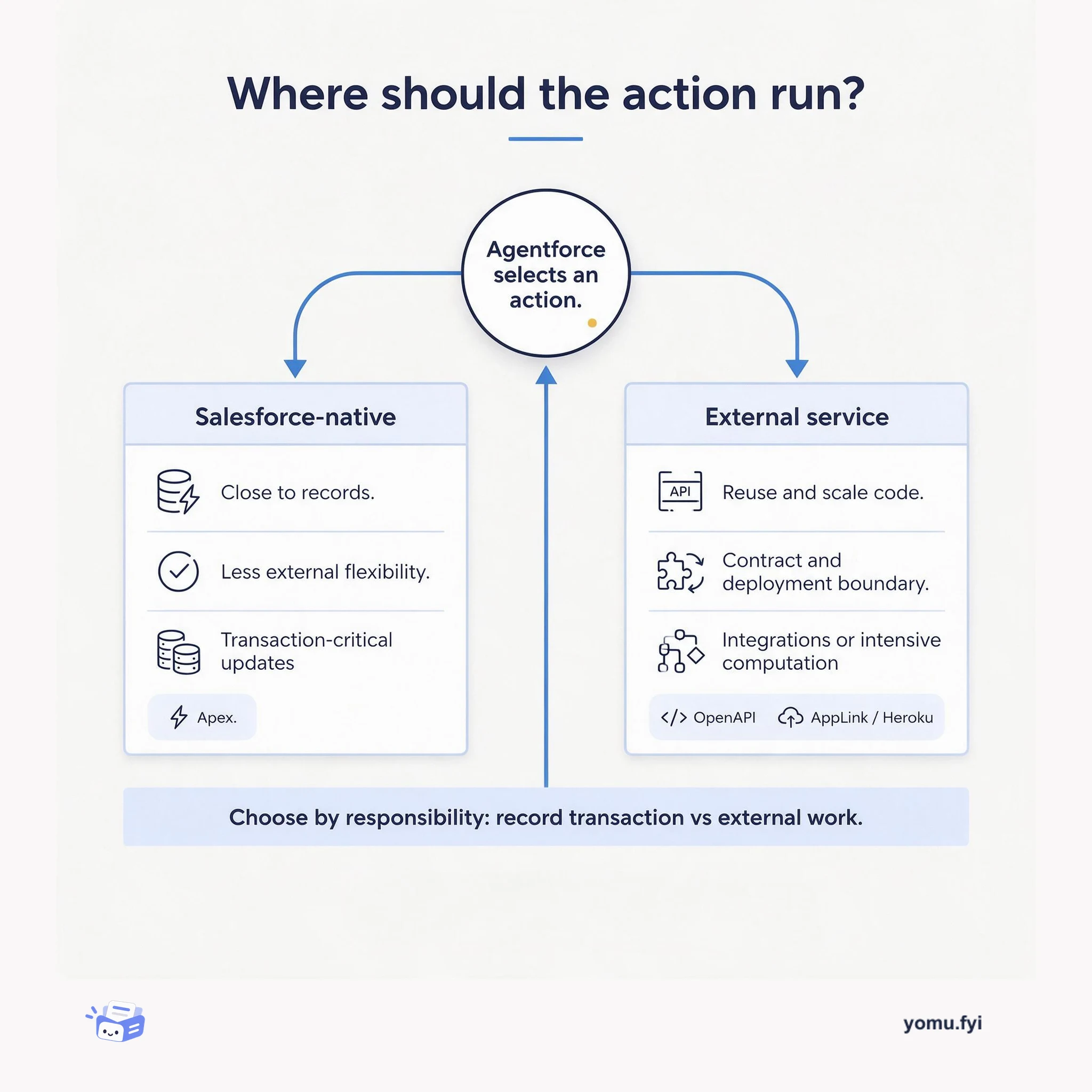
Agentforce selects actions to complete a task; this explainer weighs native record updates against external services so engineers can place each responsibility sensibly.
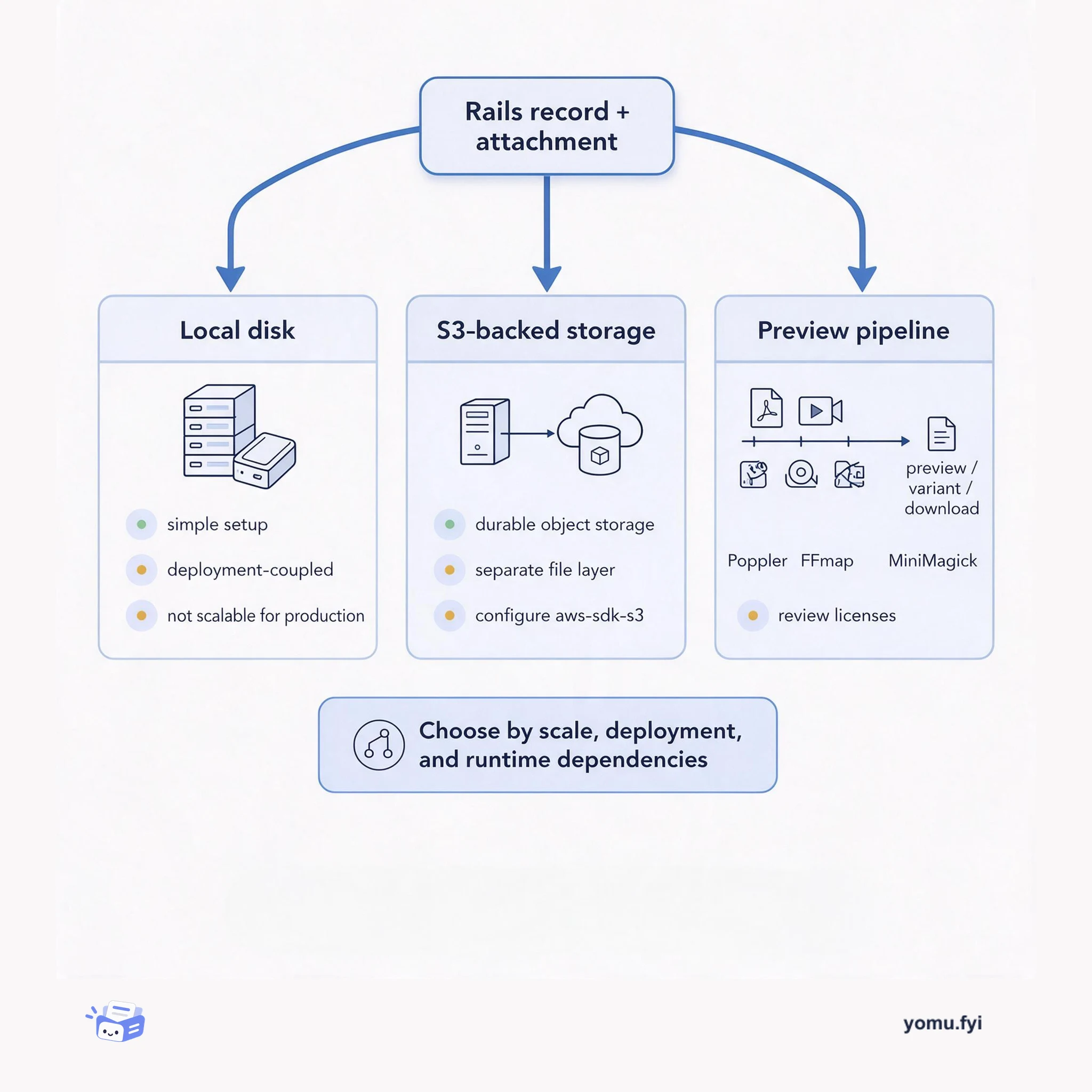
See how Active Storage balances local simplicity, durable object storage, and preview-processing dependencies so you can choose the right boundary for a Rails file workflow.
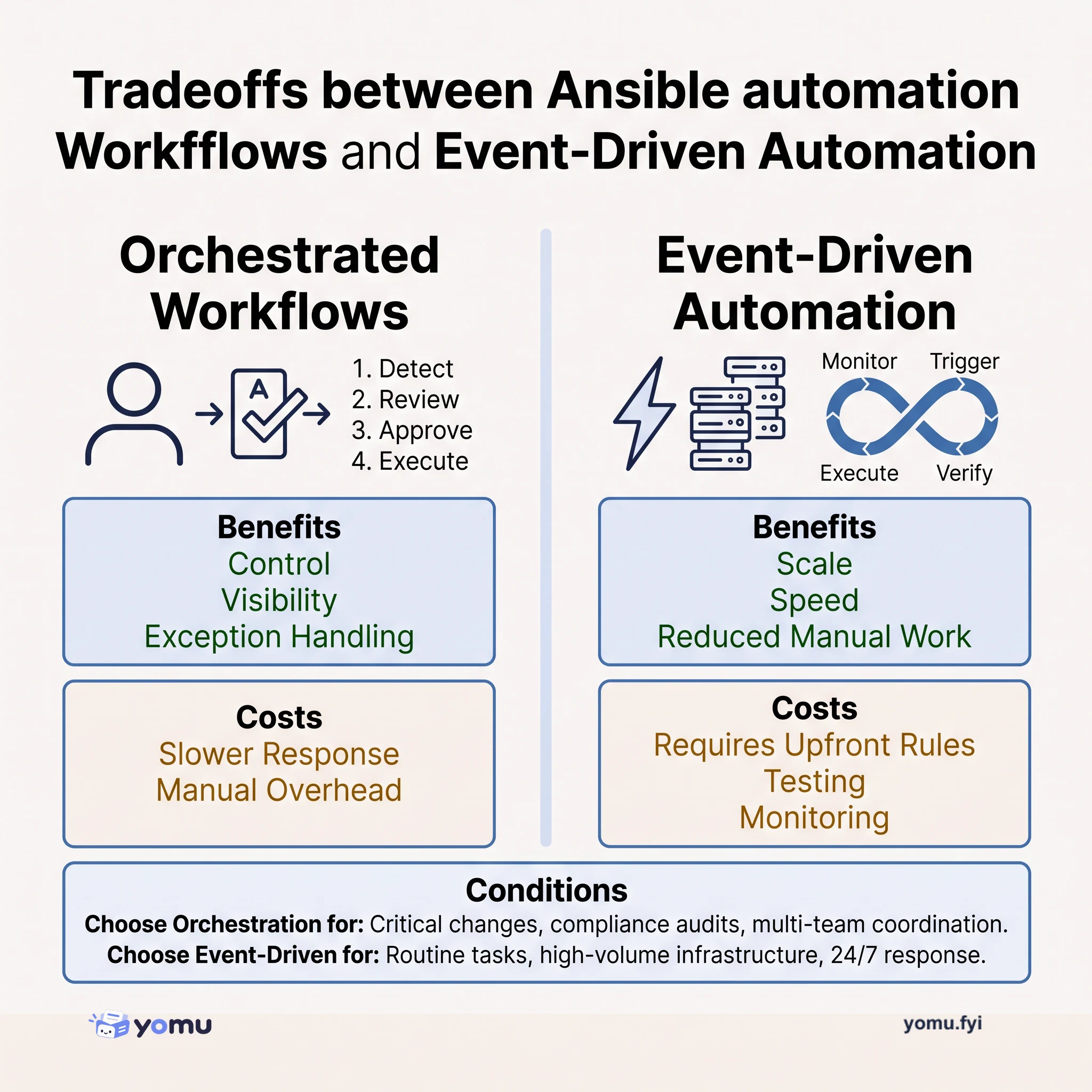
Ansible excels at two different jobs: orchestrating multi-step infrastructure workflows and automating routine tasks hands-off. Learn the tradeoff between control and scale that should guide your choice.
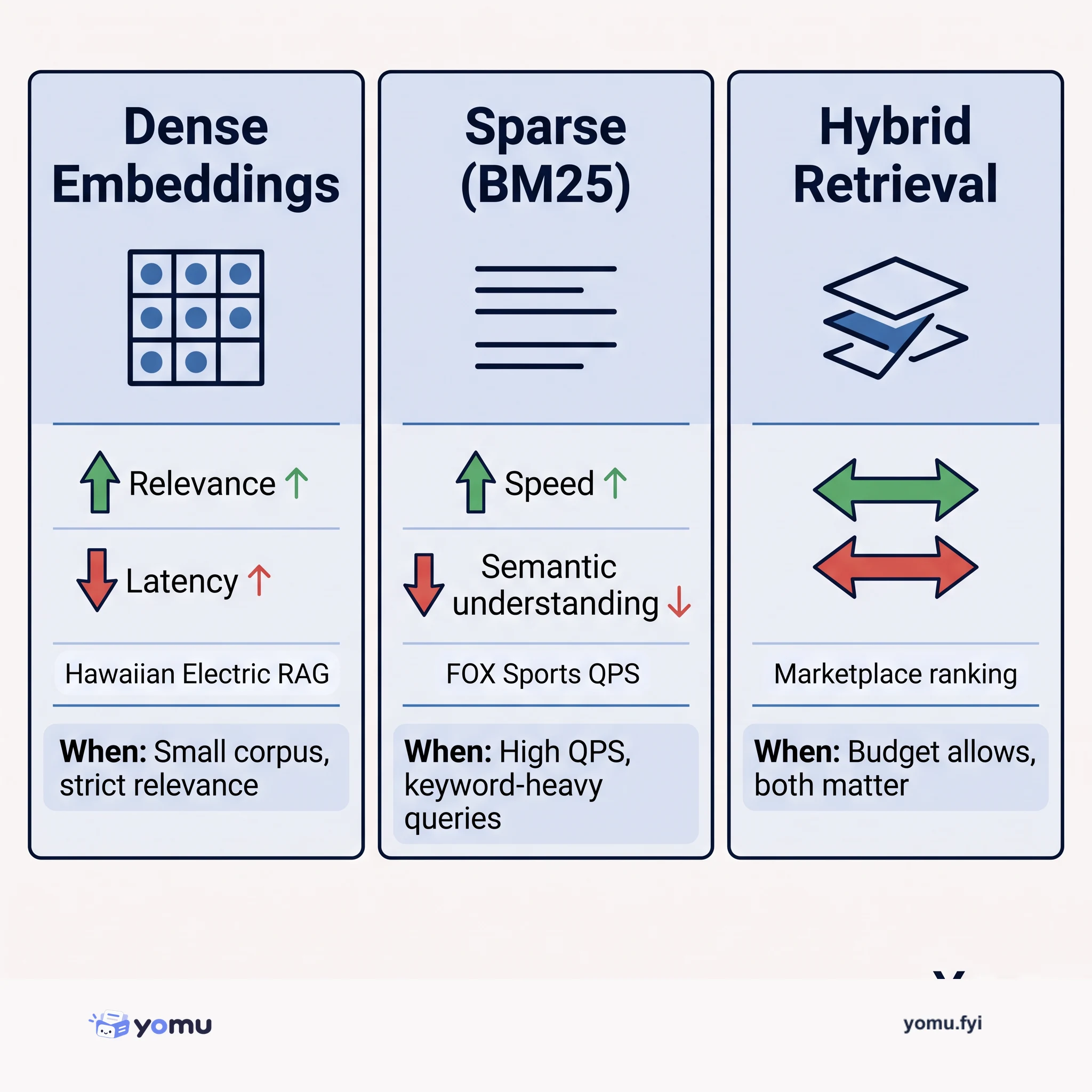
AI Search balances retrieval speed and result quality by choosing between dense embeddings, sparse lexical search, and hybrid approaches. Understand which trade-off fits your workload.
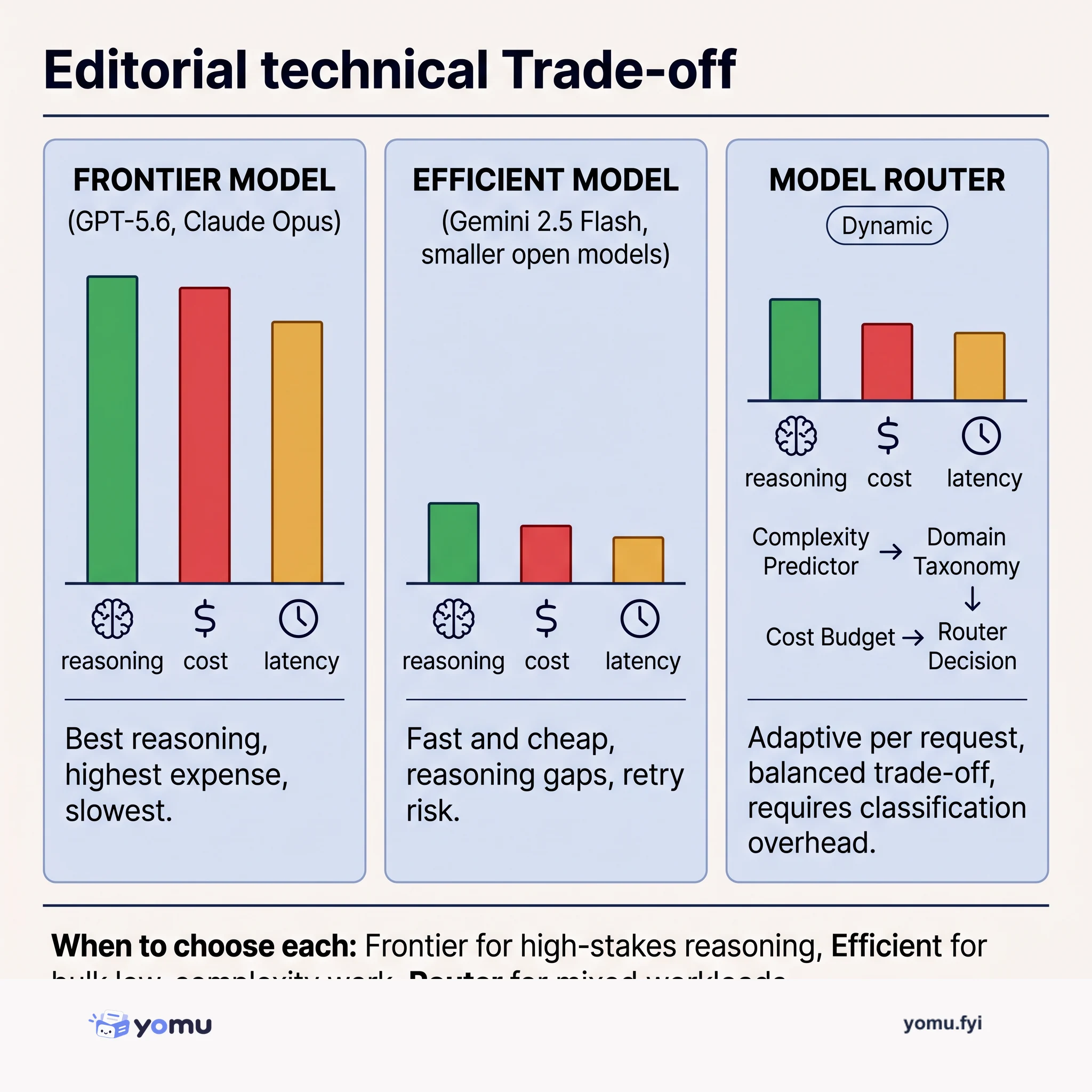
Understand how to choose between frontier models, efficient alternatives, and routing systems by weighing capability gains against token costs and latency constraints.
The Good Stuff
Paid picks we use ourselves. Links carry a referral code — a subscription through one earns us a commission at no extra cost to you.
One useful email. Unsubscribe anytime.