Sprites are isolated virtual computers that can create and manage other Sprites via an API, and Claude can use that API when authorized by a token from sprites.dev/account. This enables automated workflows like central OAuth token management, where an Auth Sprite handles token refresh and storage for other Sprites. For CI, an orchestrator Sprite spins up a worker for each test file, locks its network to only pypi and github, runs the test, collects results, and destroys the worker. Preview environments are created per pull request, with each PR getting its own Sprite that is redeployed on updates and destroyed on merge. Additional use cases include agent delegation with network-policy-locked workers, running untrusted code in a deny-all network Sprite, and team provisioning via a provisioner Sprite that creates and configures new Sprites with checkpoints enabling fast restoration.
Context
Sprites are a product from Fly.io that provide isolated virtual computers. This post describes how Sprites can create and manage other Sprites via an API, enabling automated infrastructure workflows.
Approach / What changed
Use the Sprites API to allow one Sprite (e.g., running Claude) to create, configure, and destroy other Sprites. Authorization is done via a token generated at sprites.dev/account. The controlling Sprite calls the API to create workers, set network policies, run tasks, and collect results.
Takeaways
1
A Sprite running Claude can use the Sprites API to create new Sprites, configure their network policies, and hit their HTTP endpoints, authorized by a token from sprites.dev/account.
2
CI tests can run in isolated Sprites with locked-down network policies, so each test file gets its own computer and one flaky test cannot affect another.
3
Preview environments can be created per pull request, with each PR getting its own Sprite that is redeployed on updates and destroyed on merge, avoiding resource contention.
FAQ
How do you authorize one Sprite to control others?
Visit sprites.dev/account/{your-org} and create a token. Then tell Claude (or another agent) to use that token to authorize its Sprite to call the Sprites API.
What network isolation does a worker Sprite have?
Each worker Sprite can have its network policy locked down to only what it needs. For example, a React agent can hit npm but not the production database, and a DB agent can hit Postgres but not the internet. Untrusted code can run in a Sprite with a deny-all network policy.
How are preview environments managed?
An orchestrator Sprite watches GitHub webhooks. When a PR is opened, it spins up a Sprite, deploys the branch, and comments the URL. On updates, it redeploys to the same Sprite. On merge or close, it destroys the Sprite.
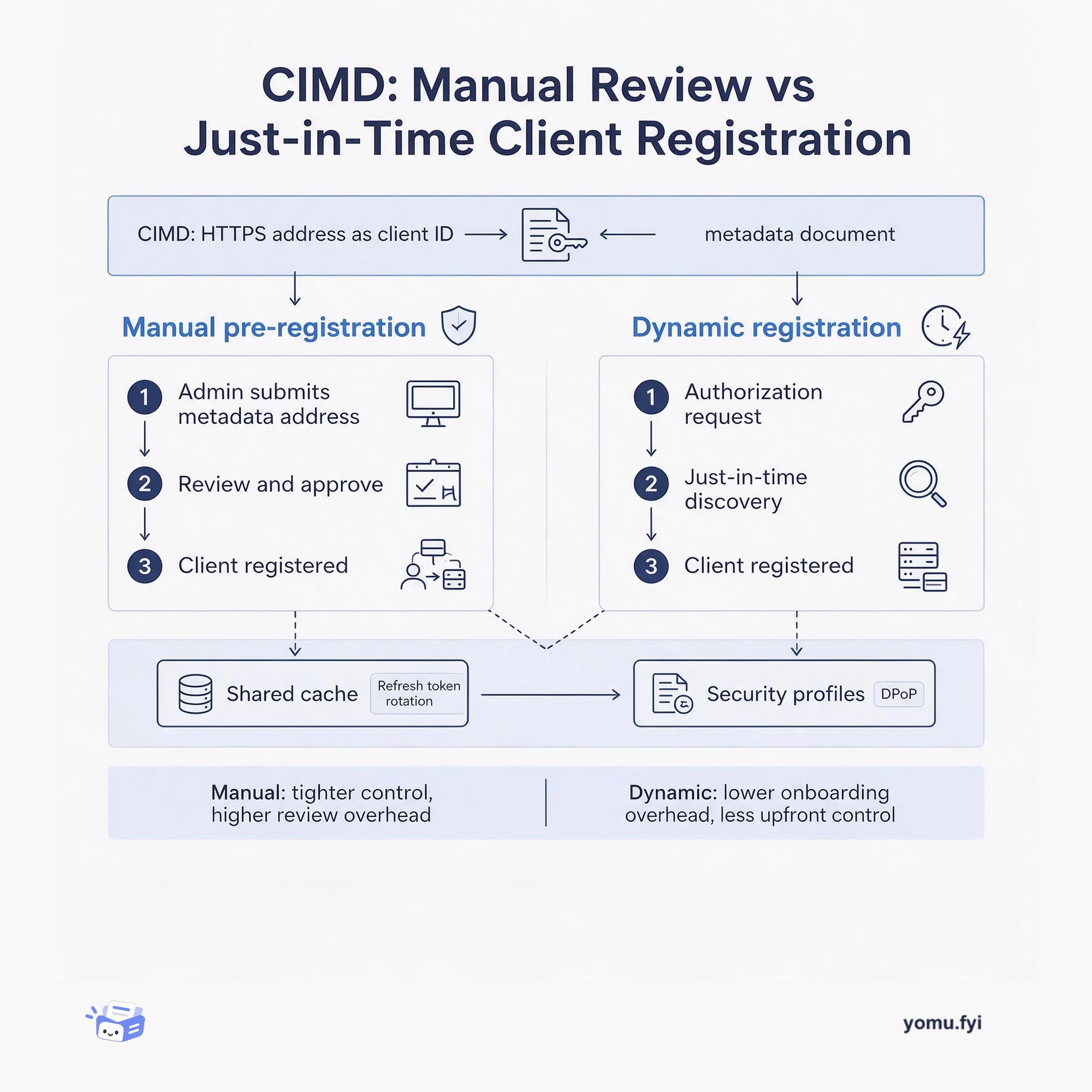
CIMD uses an HTTPS URL as an OAuth client identifier that points to a metadata document. This comparison shows when to pre-register clients manually and when to let dynamic discovery handle agent onboarding.
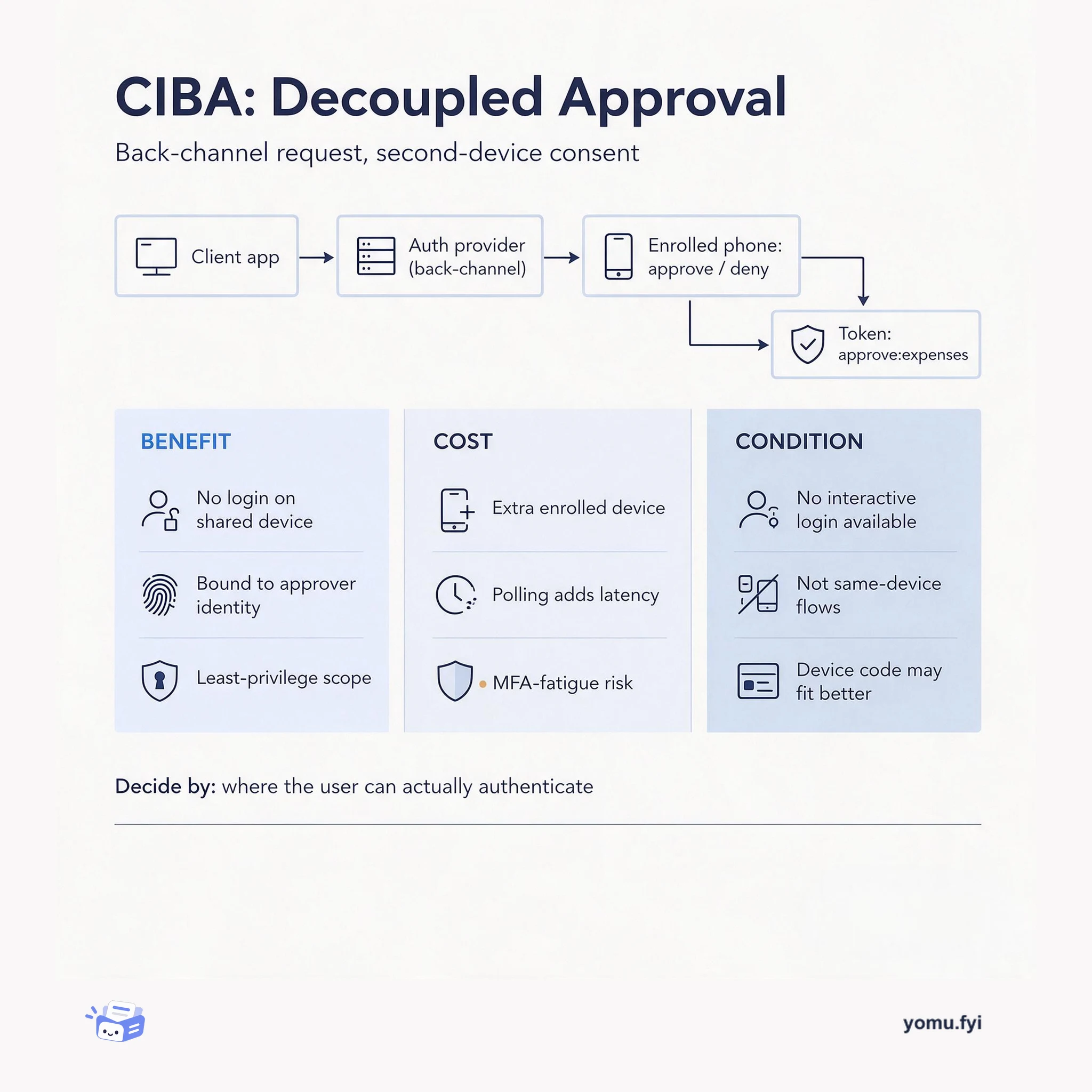
CIBA moves authentication off the device in use: the client sends a back-channel request and the user approves on an enrolled phone. See what that buys and what it costs.
Keep reading
Related reading
The Good Stuff
Paid picks we use ourselves. Links carry a referral code — a subscription through one earns us a commission at no extra cost to you.