Bun Is a Toolkit, Not Just a Runtime
Bun packs a runtime, package manager, bundler, and test runner into one binary. Here is how those four parts fit together and where the seams still show.
Loading…
Topic
82 posts about TypeScript. Every summary links to the original.
See the idea
Bun packs a runtime, package manager, bundler, and test runner into one binary. Here is how those four parts fit together and where the seams still show.
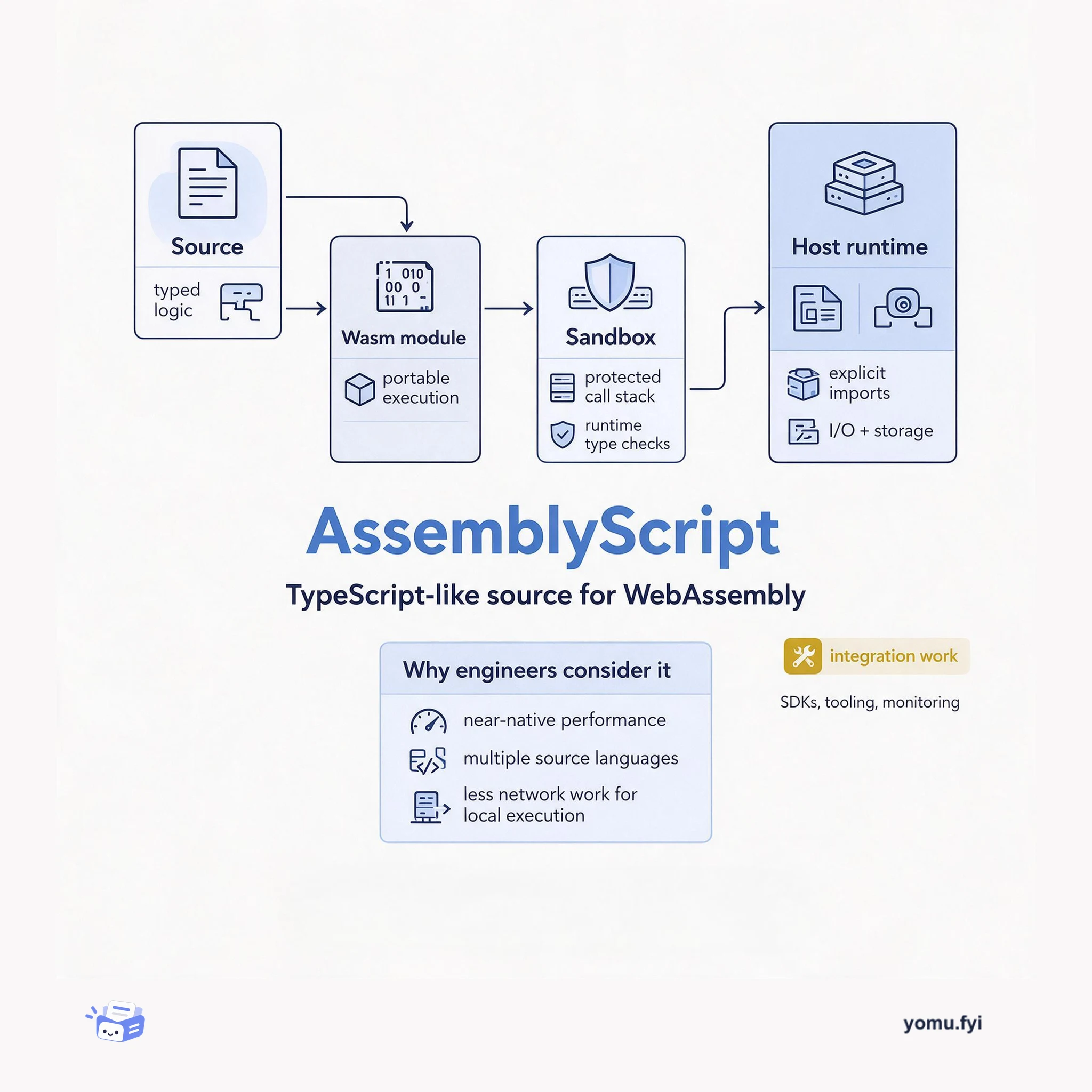
AssemblyScript is a TypeScript-like way to target WebAssembly. This explainer shows how source becomes a sandboxed module, crosses explicit host boundaries, and fits performance-sensitive services.
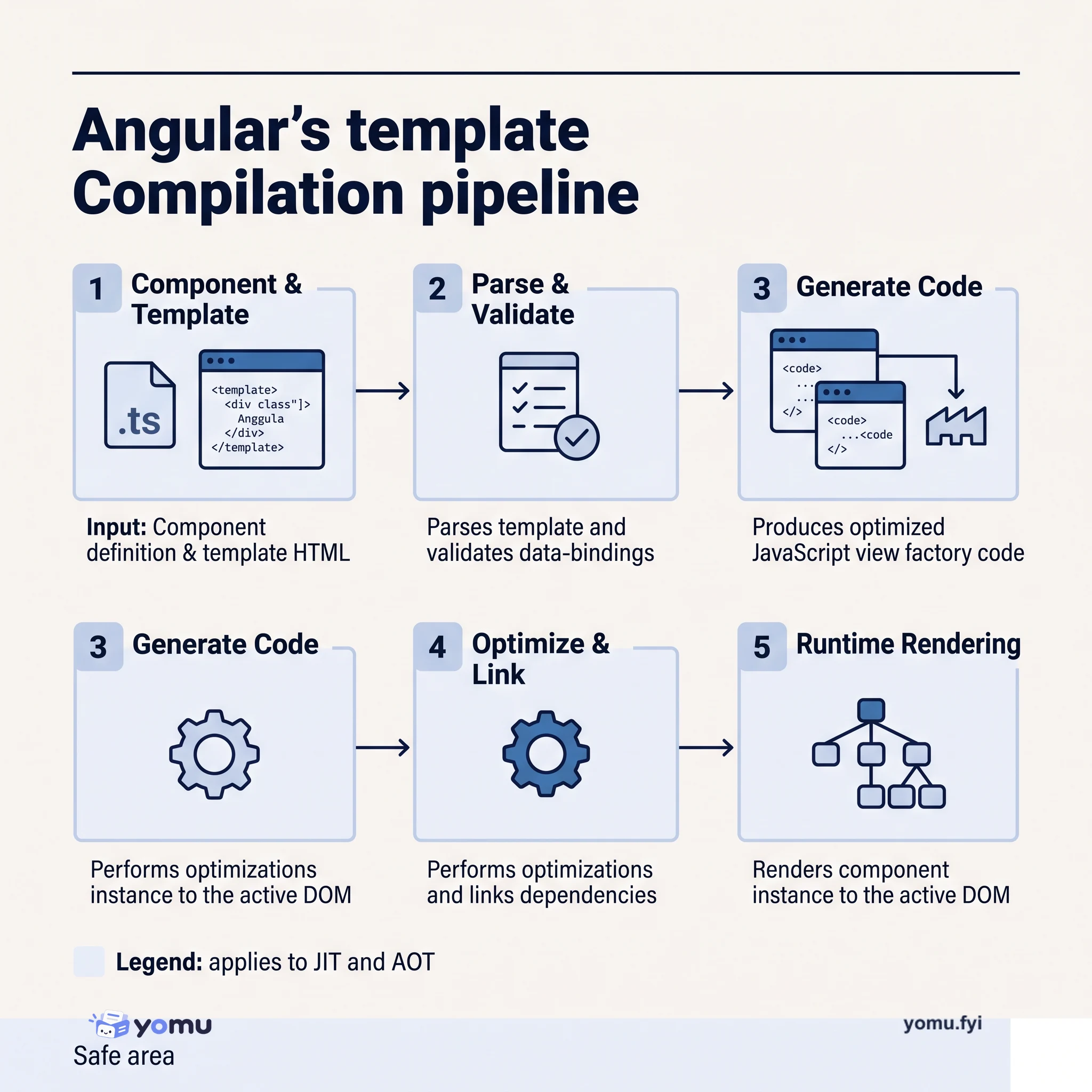
Angular compiles component templates into executable JavaScript that manages the DOM efficiently. Learn the pipeline from TypeScript decorators through template parsing, code generation, and runtime rendering.
The Good Stuff
Paid picks we use ourselves. Links carry a referral code — a subscription through one earns us a commission at no extra cost to you.
Newest first
Following the release of the GrabPay Merchant App, Grab adopted React Native inside the Grab Passenger app to maintain a single cross-platform codebase across iOS and Android. Integrating the framework into native applications required establishing bridge communication guidelines and incorporating React Native modules into the Grablet architecture. To streamline network communication, API calls were migrated from axios to native bridges returning promises, which eliminated the need to pass access tokens into JavaScript. The team also established a shared internal library of approximately 20 UI components alongside Redux for state management and react-navigation for routing. Modules like BillPay and Transaction History successfully launched across Southeast Asia while maintaining the performance and feel of native software.
CLI commands commonly accept arguments, long flags, short flags, and flag arguments; environment variables and standard input are alternative data channels not covered in detail. GNU-style conventions use double dashes for long flags and single dashes for short flags; short flags can be stacked, and flag options may be separated by a space or equals sign, while short flags also allow no separator. The tutorial uses oclif to build greet-me, which prints a greeting based on a name supplied through -n or --name while registering version, help, name, and force flags. It scaffolds the project with npx oclif single greet-me, places handling code in src/index.ts, defaults the name to world, and runs the CLI through ./bin/run or an npm link.
The best engineering reads, once a week.