How Angular's Template Compiler Bridges Components and the DOM
Angular compiles component templates into executable JavaScript that manages the DOM efficiently. Learn the pipeline from TypeScript decorators through template parsing, code generation, and runtime rendering.
Angular's compilation process transforms declarative templates and TypeScript component classes into optimized JavaScript code that runs in the browser. The compiler parses HTML templates, validates bindings against component properties, generates view factories, and produces change-detection logic—all before or during the build. Understanding this pipeline helps engineers make informed choices about template syntax, performance optimization, and debugging when TypeScript 7's faster language service reveals compilation bottlenecks or when large codebases need faster refresh cycles.
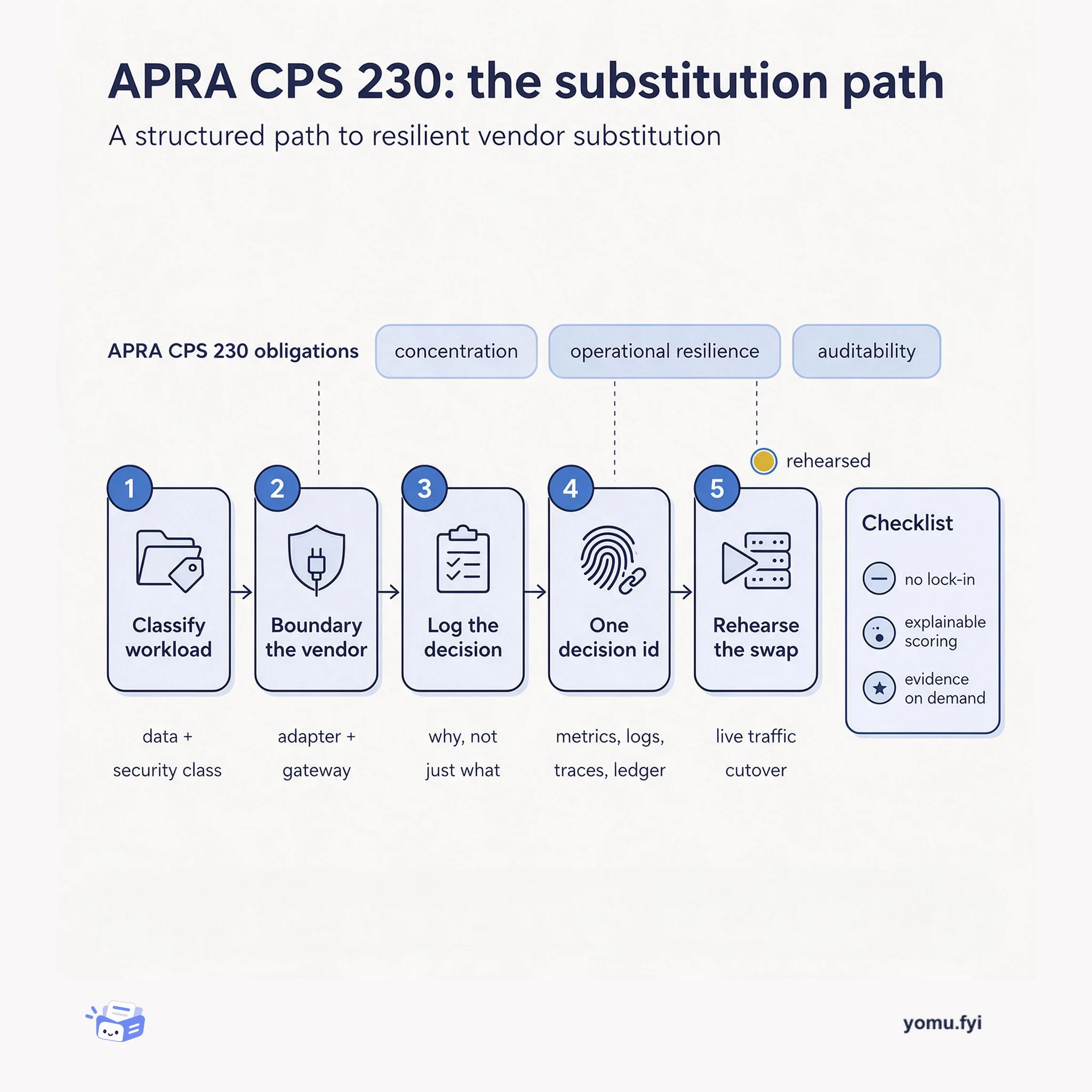
APRA's April 2026 letter flags single-provider concentration as a CPS 230 risk, so AI stacks need a rehearsed substitution path. This flow maps five stages, from workload classification to provider swap.
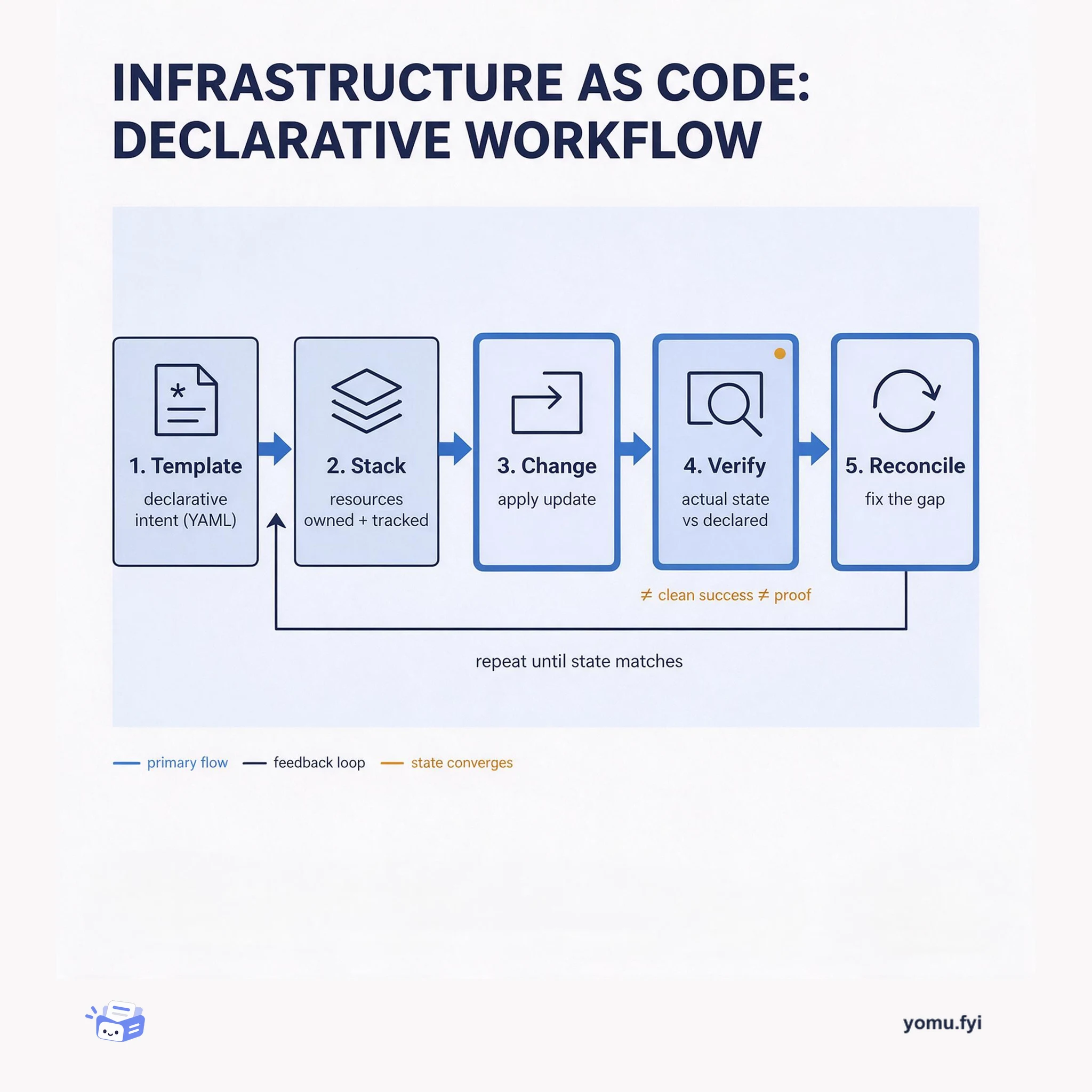
CloudFormation is a declarative reconciler: you describe the target state in a template, and it provisions, updates, and reports on the stack that results. Here is the loop.
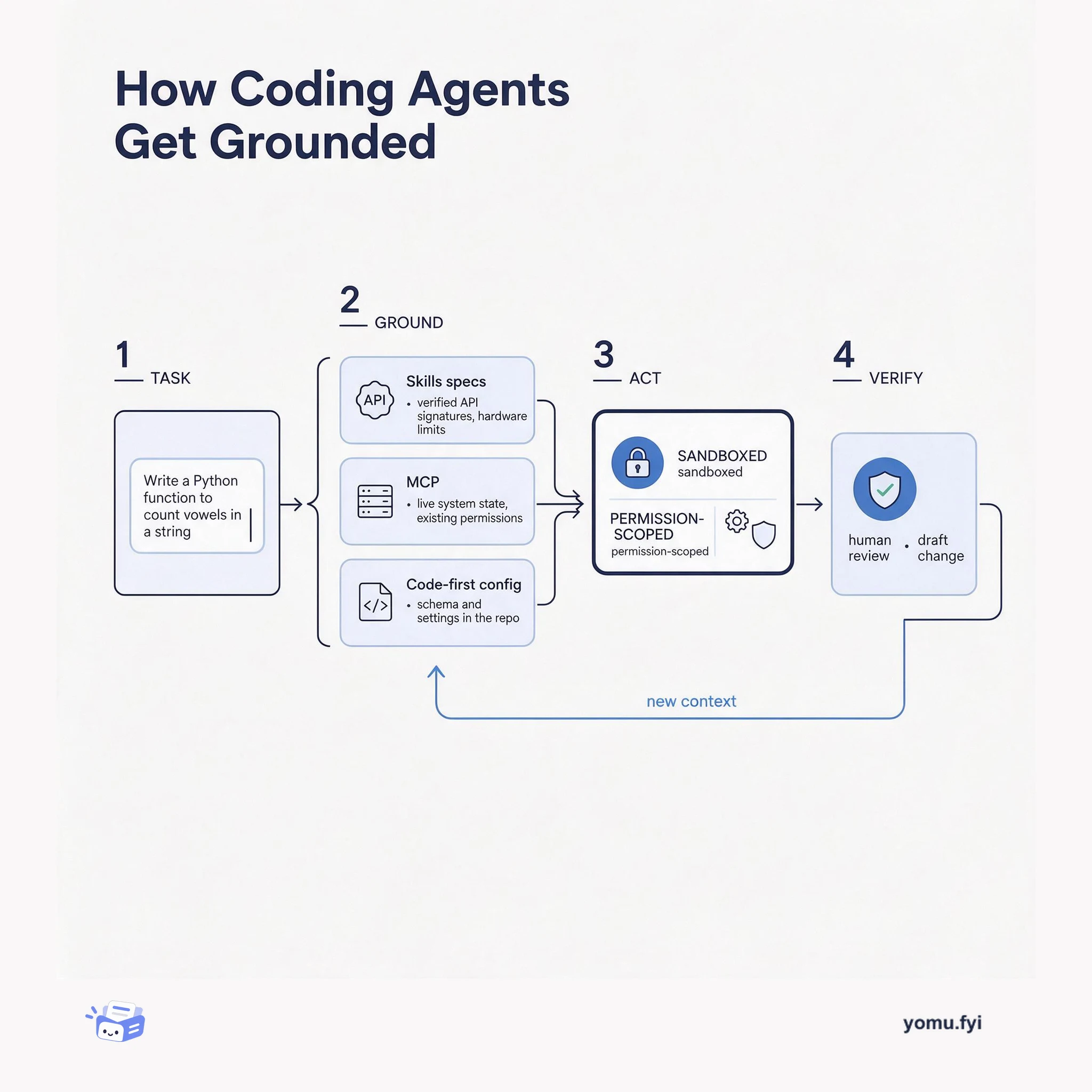
A four-stage flow showing how a coding agent moves from a task to a reviewed change by grounding on verified skills, live system state, and code-first config before it acts.
The Good Stuff
Paid picks we use ourselves. Links carry a referral code — a subscription through one earns us a commission at no extra cost to you.