Catalog as a Pipeline: Five Checkpoints to Trustworthy Entries
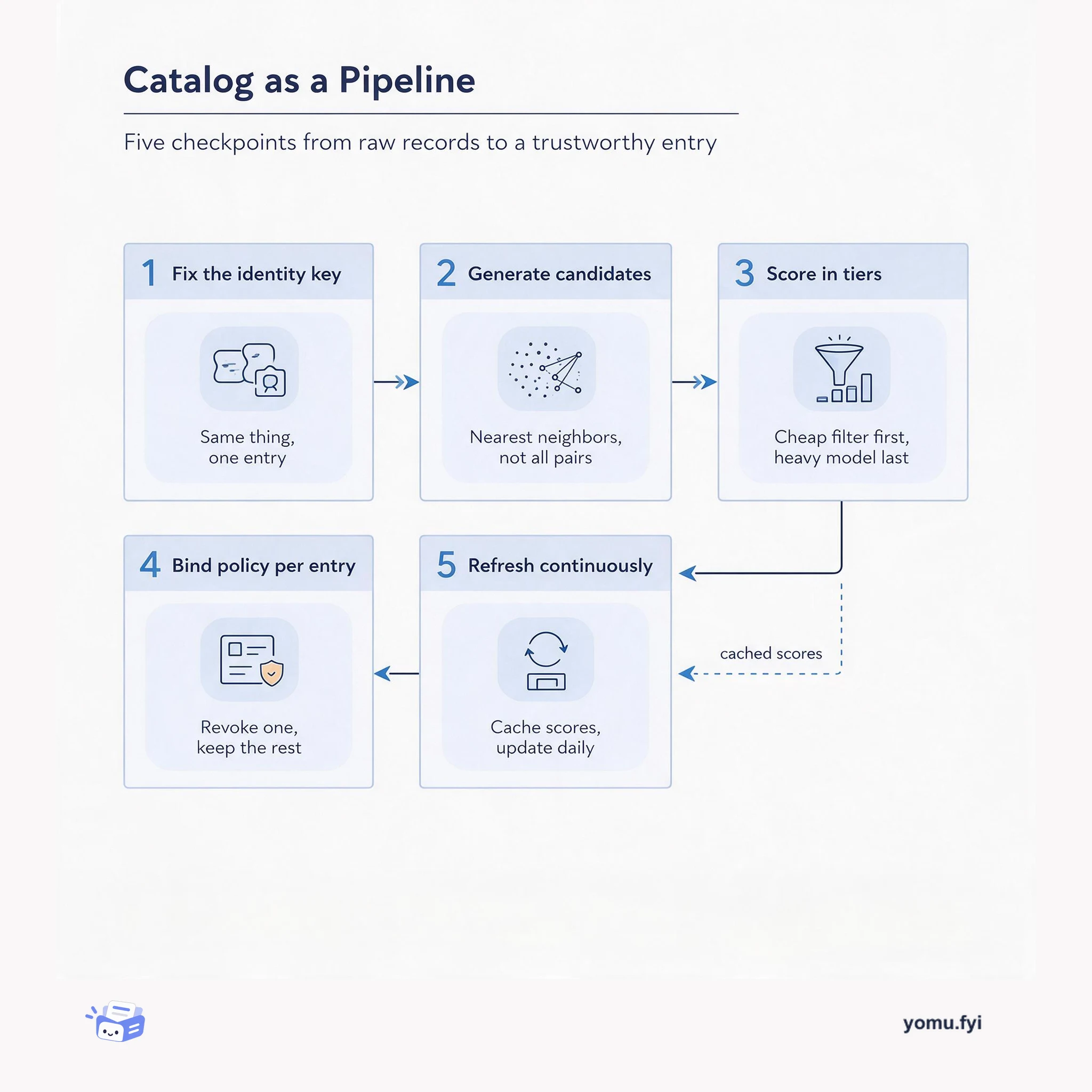
A catalog is a pipeline, not a list. This five-step guide shows how to fix entry identity, score candidates in tiers, bind policy per entry, and refresh without rescoring everything.
 Red HatSharon Dashet, Carlos Camacho GonzalezExplainer
The operations team troubleshooting production issues on Azure Red Hat OpenShift must already know which tools to reach for, switching between portals, CLI, and dashboards, with tickets arriving incomplete and triage taking hours. The agentic-partners-integration quickstart solves this by connecting a central orchestration layer with domain-specific agents, including a Microsoft Azure MCP Server that exposes Azure resource management operations as MCP tools and an agent that discovers them at runtime. In an OOMKilled investigation, the agent correlates resource health, CPU metrics, and recommendations using a discover-then-execute pattern to produce a data-backed diagnosis. Security is layered: the service principal defaults to Azure Reader role, Open Policy Agent policies gate every request, and each tool call is logged for audit. This pattern extends beyond Azure; any infrastructure backend exposing an MCP server can become an agent capability without framework changes.
Operations teams troubleshooting production issues on Azure Red Hat OpenShift face a bottleneck: tickets arrive incomplete, triage requires switching between multiple tools, and static knowledge bases cannot reflect live infrastructure state. The agentic-partners-integration quickstart addresses this with a multi-agent system that enables live system inspection through MCP servers.
The quickstart adds two components: a containerized Microsoft Azure MCP Server that exposes Azure resource management operations as MCP tools over HTTP, and an Azure Red Hat OpenShift partner agent that discovers these tools at runtime, invokes them in a connect-reason-execute-iterate loop using OpenAI-compatible models, and synthesizes results. Security is enforced through Azure Reader role, OPA authorization, and audit logging. Deployment requires enabling the MCP lifecycle operator and gateway operator on OpenShift AI, then deploying the MCP server from the catalog.
The agent uses a discover-then-execute pattern: it first calls a tool to learn its sub-commands, then calls it again with specific parameters, navigating Azure’s tool hierarchy without memorizing every operation.
Security for the Azure MCP agent is layered: the service principal defaults to Azure Reader (read-only), OPA policies gate every request before dispatch, and each tool call is logged with arguments and results for audit.
The MCP integration pattern is not Azure-specific; any infrastructure backend exposing an MCP server can become a new agent capability without framework changes, enabling ISVs to collaborate without cross-team coordination.
The Microsoft Azure Red Hat OpenShift agent uses a service principal with the Azure Reader role by default, providing read-only access to the management plane. Permissions can be further scoped to specific resource groups in production deployments, preventing any modification of infrastructure.
Yes, the agent uses OpenAI-compatible API models, allowing the backend to be swapped via a single environment variable. Ollama works for a fully local option with no API key required.
The same architecture works for any infrastructure backend that exposes an MCP server. Each new MCP server becomes a potential agent capability with no framework changes, and ISVs can contribute tools independently.
Summaries are generated from the original by a language model. Check the original before relying on it.
See the idea
A catalog is a pipeline, not a list. This five-step guide shows how to fix entry identity, score candidates in tiers, bind policy per entry, and refresh without rescoring everything.
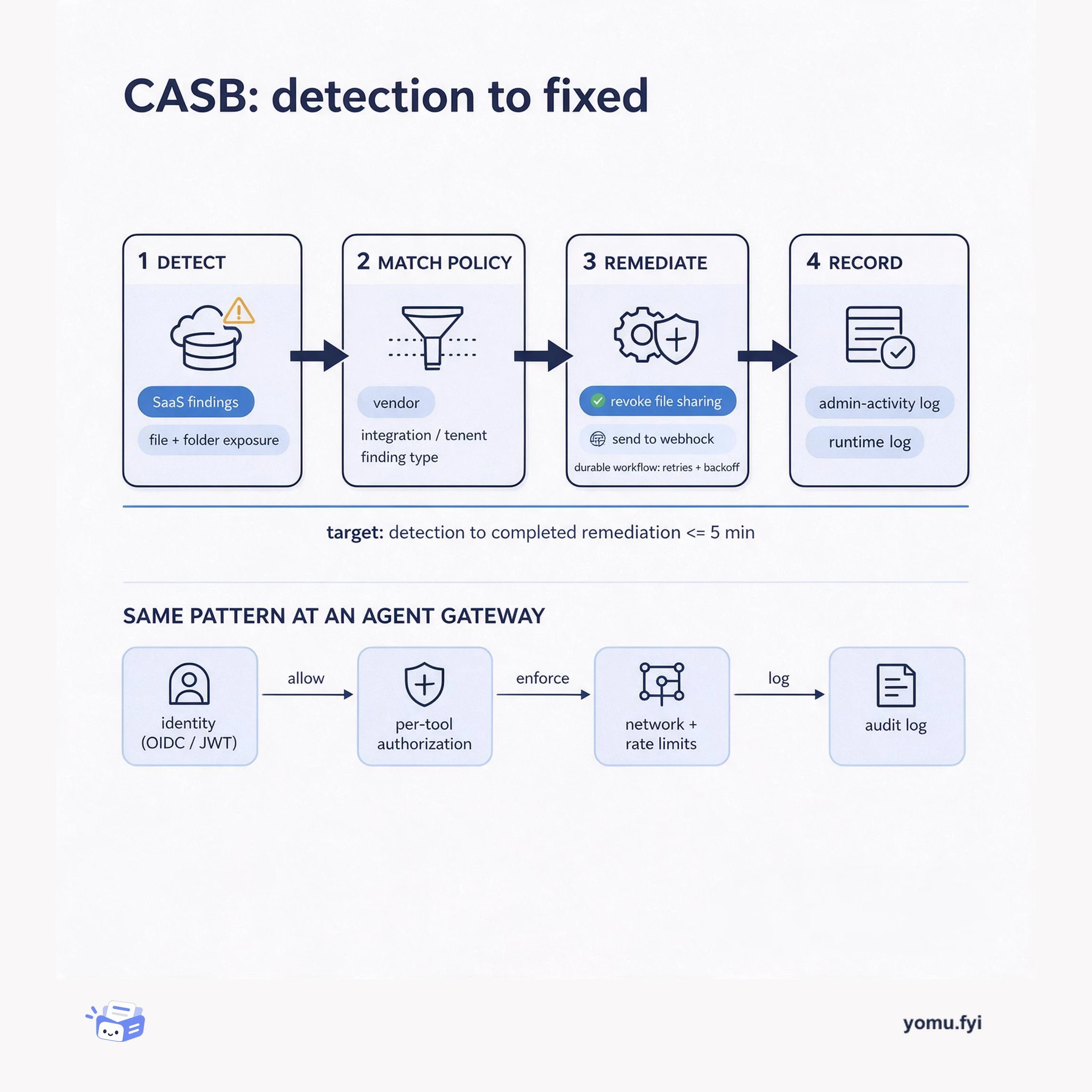
A walk through a CASB control loop: how a SaaS security finding becomes a queued job, a matched policy, and a bounded remediation action with an audit trail.
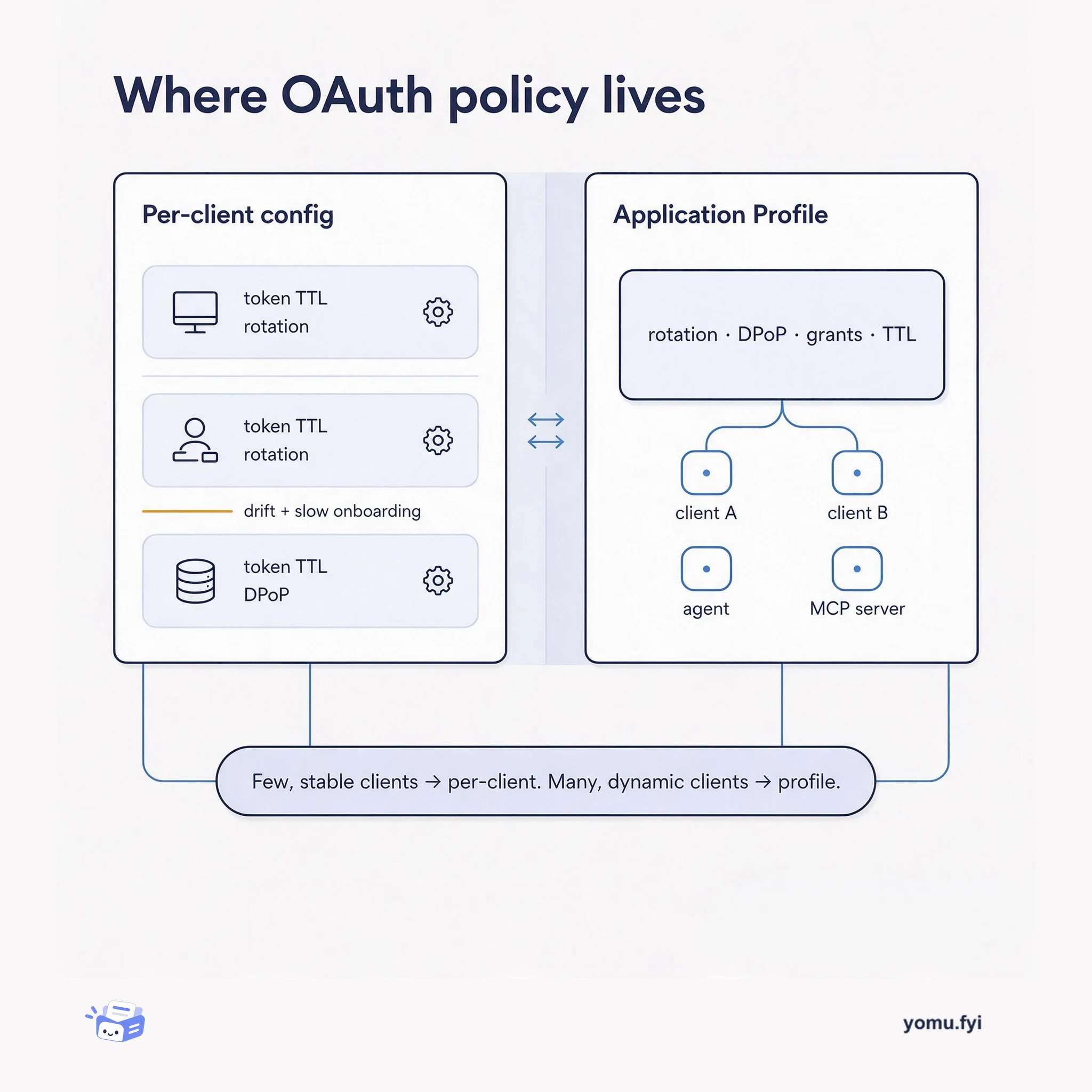
Application Profiles bundle token, rotation, and DPoP policy once and attach it to many OAuth clients. This comparison shows when a shared profile beats configuring each client by hand.
Keep reading
The Good Stuff
Paid picks we use ourselves. Links carry a referral code — a subscription through one earns us a commission at no extra cost to you.
One useful email. Unsubscribe anytime.