Catalog as a Pipeline: Five Checkpoints to Trustworthy Entries
A catalog is a pipeline, not a list. This five-step guide shows how to fix entry identity, score candidates in tiers, bind policy per entry, and refresh without rescoring everything.
A catalog is only as useful as the entries it can keep distinct and current, so treat it as a pipeline rather than a static list. Start by fixing the identity key that decides when two records describe the same thing, then generate candidate pairs cheaply instead of comparing every pair. Score those candidates in escalating tiers so expensive models only touch ambiguous cases, bind authorization to each entry, and refresh continuously while cached scores absorb the churn. The payoff is a catalog that stays trustworthy as it grows, whether it indexes products, tools, integrations, or skills.
FAQ
Why not just compare every pair of records when building a catalog?
Full pairwise comparison grows quadratically, so Shopify generates candidate pairs with approximate nearest-neighbor search over billions of embeddings and scores only those. That reserves expensive inference for plausible matches instead of the whole corpus.
When should catalog scoring escalate to a heavier model?
Use a tiered ladder: a fast classifier handles most pairs, a heavier cross-encoder reads ambiguous records together, and image models run last. Each tier only sees survivors from the one before, and scores are cached so daily updates do not re-run everything.
Should authorization live at the gateway or on each catalog entry?
Bind policy to entries. An MCP gateway validates OIDC or JWT credentials, then authorizes per-tool access from identity provider claims, with network policy and rate limits around it. That lets you revoke or narrow one capability without taking the whole catalog offline.
A five-step how-to for scaling AI adoption across engineering teams: federate ownership, ship one shared paved path, let builders own their tools, measure throughput, and feed bottlenecks back into the path.
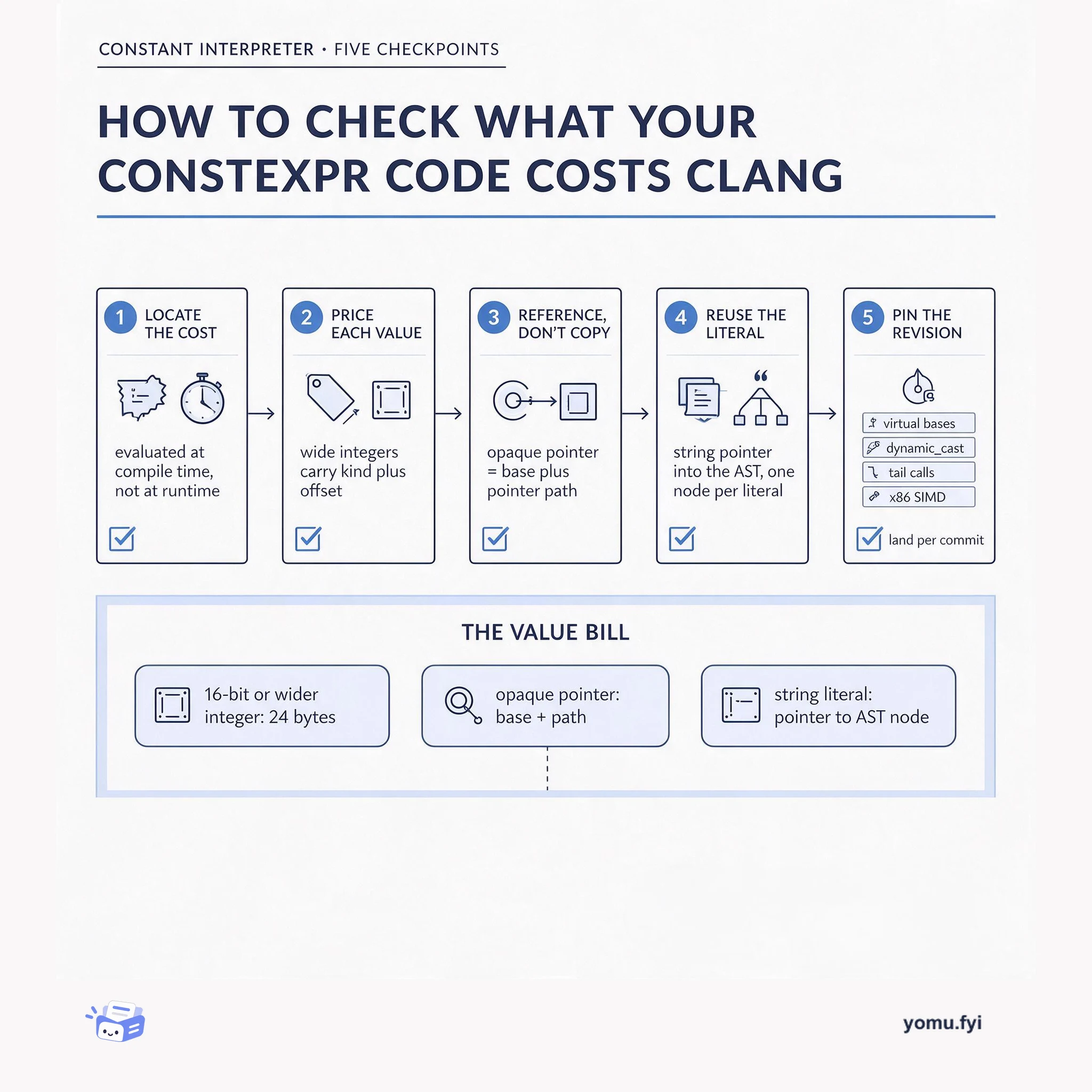
Clang's constant interpreter evaluates constant expressions at compile time, so the bill lands on your build, not your binary. This five-checkpoint guide shows where that memory goes and how to keep it small.
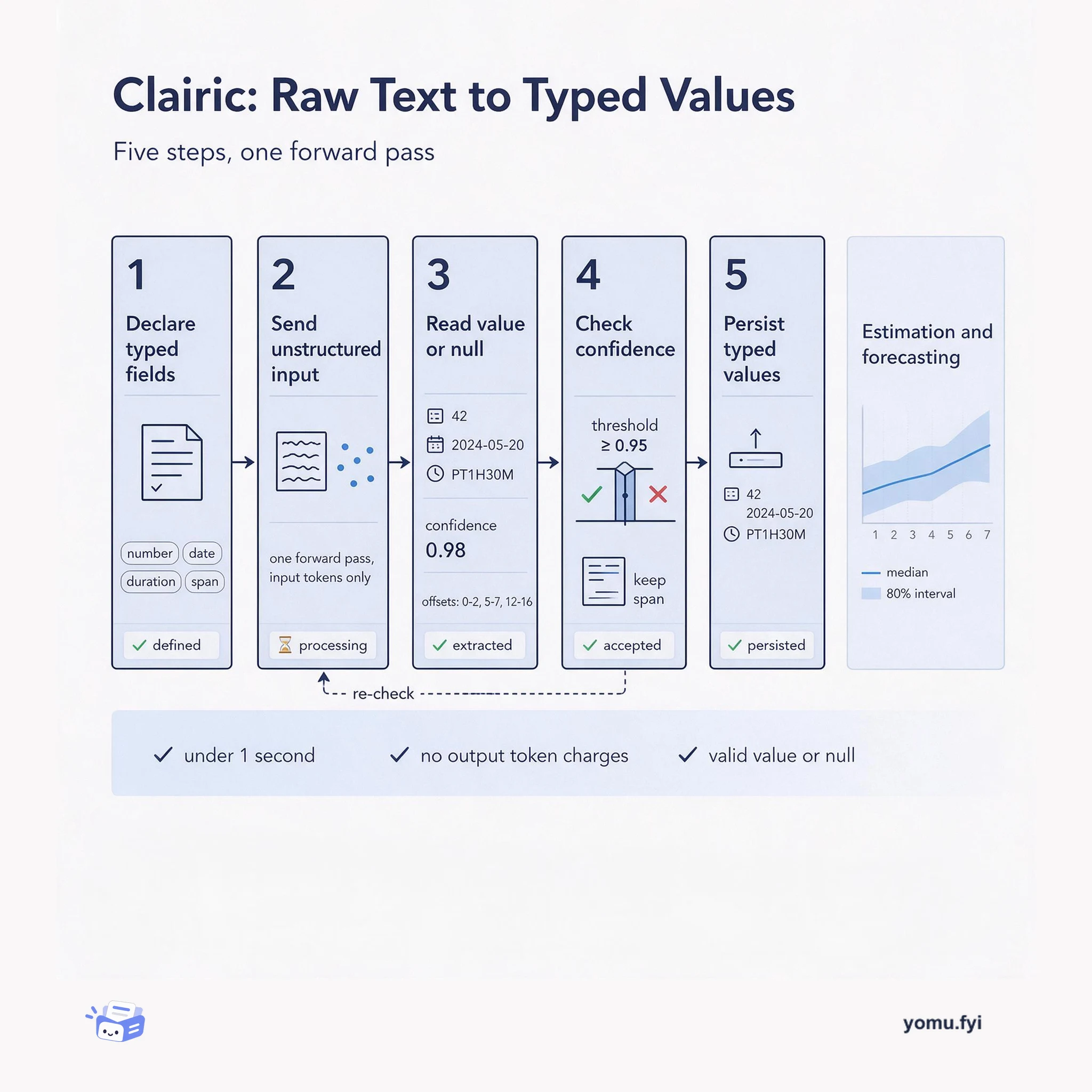
Clairic is a System One extraction model that turns unstructured input into typed values in a single forward pass. This five-step flow shows how to declare fields, call it, and use the results.
The Good Stuff
Paid picks we use ourselves. Links carry a referral code — a subscription through one earns us a commission at no extra cost to you.