Anka CI Architecture: From Layered Images to Disposable macOS Builds
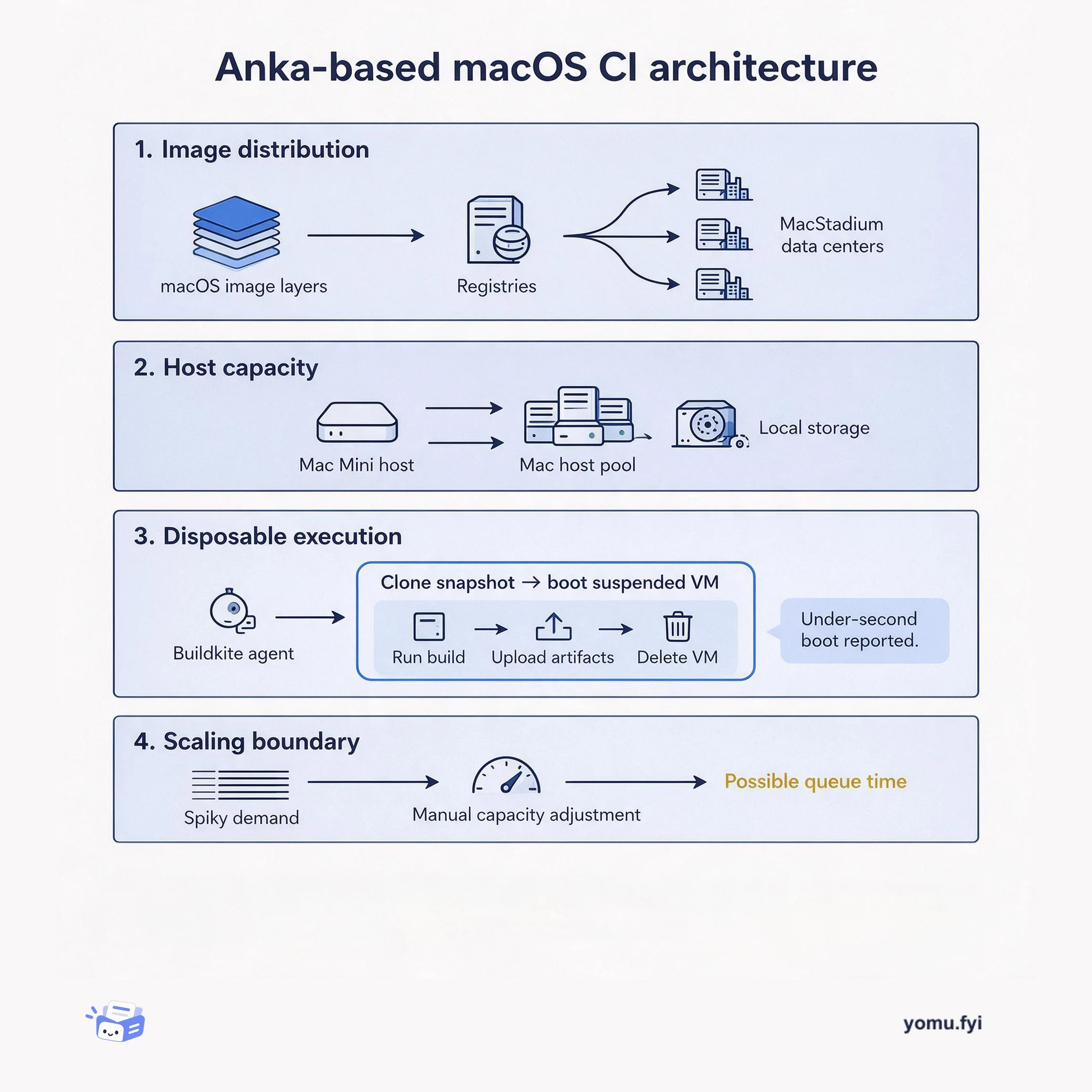
Anka is a Docker-like macOS virtualization layer for disposable CI environments. This architecture shows how images, Mac hosts, snapshots, build agents, and artifacts connect.
Loading…
Topic
83 posts about Docker. Every summary links to the original.
See the idea
Anka is a Docker-like macOS virtualization layer for disposable CI environments. This architecture shows how images, Mac hosts, snapshots, build agents, and artifacts connect.
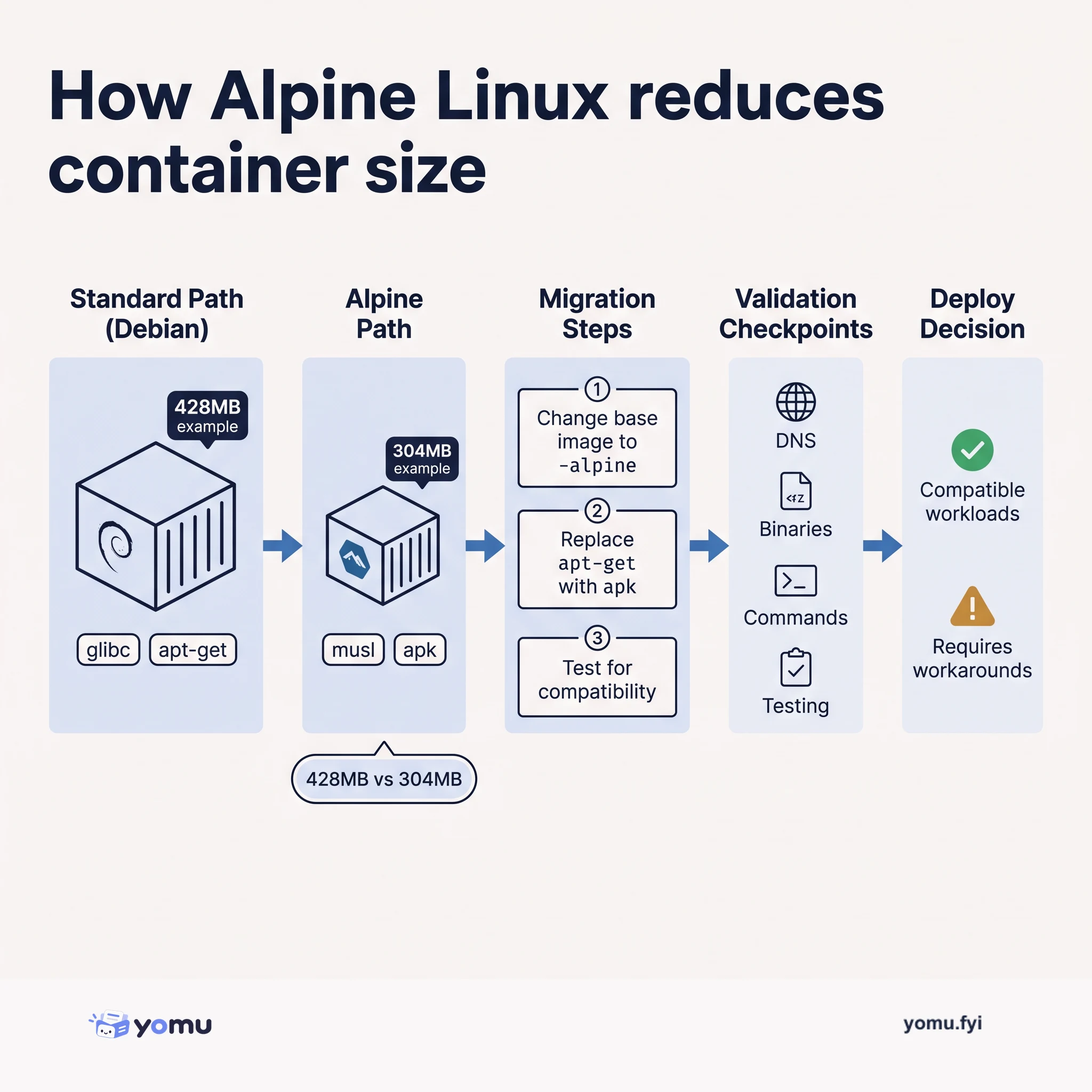
Alpine Linux shrinks container images by replacing glibc with musl and using a minimal base, but introduces compatibility trade-offs you must evaluate before switching.
The Good Stuff
Paid picks we use ourselves. Links carry a referral code — a subscription through one earns us a commission at no extra cost to you.
Newest first
Shopify announces that it is building its Cloud with Google after more than a decade of operating the foundation of its commerce cloud through its own data centers and incremental public-cloud adoption. Its infrastructure evolved from database and application sharding, performance testing, automated failovers, and Docker-based immutable infrastructure toward Kubernetes orchestration, after the company initially built minimal container-management features itself. During the migration, Shopify created Shop Mover, a selective database migration tool that rebalances shops between shards with an average of 2.5s downtime per shop, and moved more than 50% of data-center workloads to Google Cloud. It also grew to more than 400 production services, consolidated them on Kubernetes through a platform-as-a-service, and contributed to and used Grafeas for software supply-chain auditing and governance.
The post examines how a Docker-based, multi-tenant build environment can expose untrusted code when layered isolation is misconfigured. It traces a setup using AWS CodeBuild, Docker-in-Docker, and per-step build containers, then tests directory traversal through configurable Dockerfile paths before focusing on daemon networking. The vulnerability comes from starting dockerd with tcp://0.0.0.0:2375 and placing containers on a shared default network; build code can reach the daemon, issue Docker commands, mount the host filesystem, and retrieve container-managed AWS credentials. The excerpt reports a reverse shell, access to the CodeBuild filesystem, and temporary credentials whose impact depends on IAM permissions, while noting that the build must remain alive. The stated fix is to remove the TCP listener and retain the mapped Unix socket.
Following a production outage where a database failover caused a Ruby on Rails application to exhaust its Puma server threads, an investigation was conducted to understand how ActiveRecord and MySQL timeout settings behave. A reproduction environment using Docker, Puma, and Toxiproxy replicated how hanging requests to a failing database consume all available server threads, ultimately starving unrelated endpoints. The analysis breaks down ActiveRecord connection pooling mechanics alongside underlying mysql2 and libmysqlclient settings, specifically checkout_timeout, connect_timeout, and read_timeout. Testing confirmed how existing and new TCP connections transition through socket states during network interruptions while waiting on configured timeout intervals.
The best engineering reads, once a week.