The Car Seat Safety Stack: Four Layers Before the Ride
A layered architecture for a car-seat ride service: eligibility gates, seat hardware, driver installation training, and caregiver verification. See where checks catch problems before a child rides.
A car-seat ride service is a safety-critical workflow, not just a seat in a vehicle. The architecture starts with an eligibility gate: the seat supports children weighing 5–65 pounds and up to 49 inches, and caregivers must verify those limits. The hardware layer uses a convertible seat with seat-belt installation, chosen because it fits more vehicles and seating positions. A training layer requires drivers to review an installation demonstration, with in-person sessions in NYC. The final verification layer is human: caregivers secure the child, consult the manual or videos, and handle exceptions like food allergies. These bounded layers show where checks happen and where out-of-scope cases stop.
FAQ
Why is seat-belt installation preferred over lower anchors?
The supplied material says seat-belt installation avoids confusion about switching from lower anchors, fits more vehicle makes, and supports more seating positions. That makes it a more broadly compatible default for the service.
What happens when a child exceeds the car seat limits?
The seat is intended for children weighing 5 to 65 pounds and measuring 49 inches or less. Above those limits, the service does not have an appropriate seat, so caregivers must verify eligibility before booking.
Where does human verification sit in the car-seat workflow?
Caregivers verify eligibility and secure the child, while drivers view an installation demonstration and NYC drivers attend one in person. The manual and videos are the fallback for installation and securing guidance.
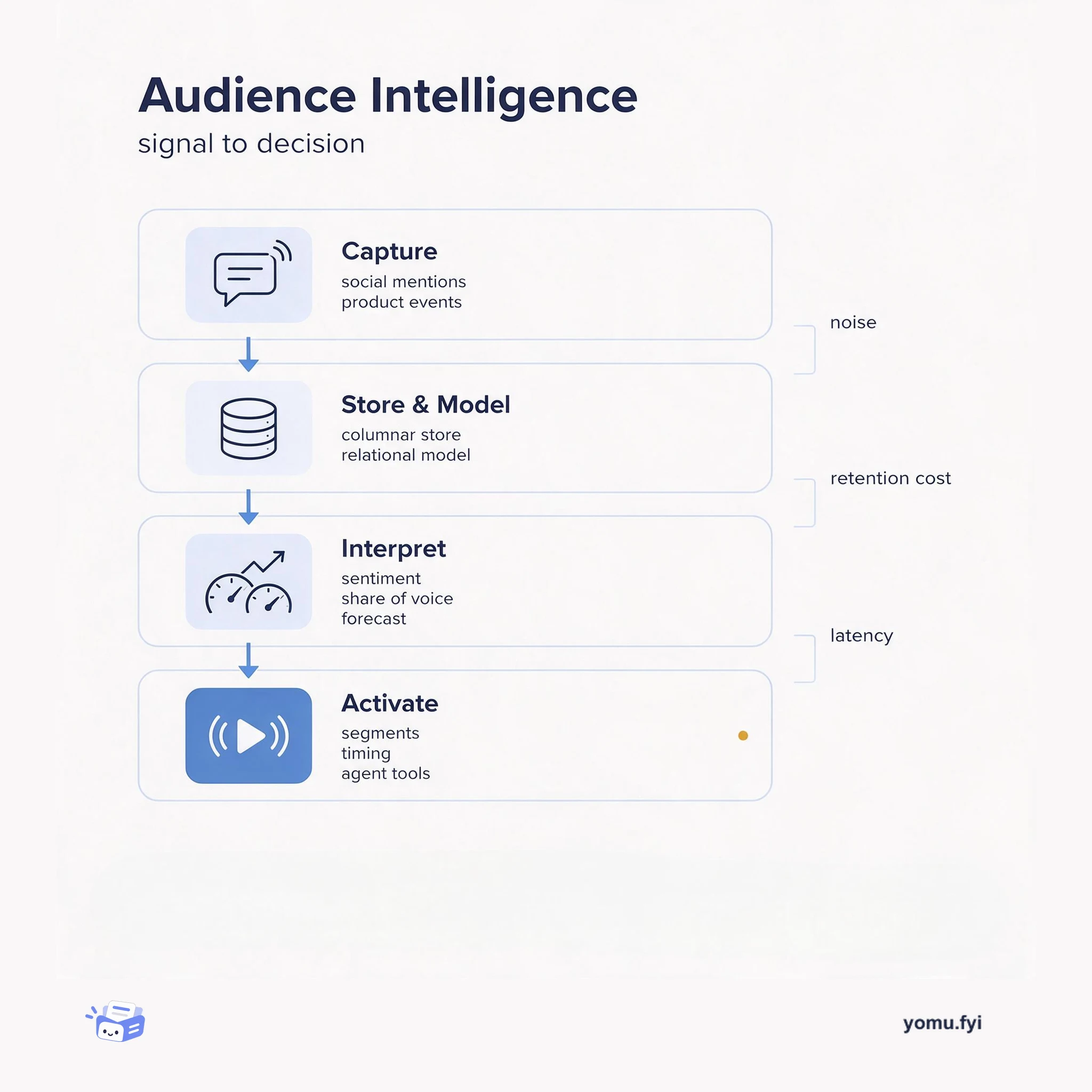
Audience Intelligence turns scattered social and behavioral signals into decisions about who to reach and when. This architecture map shows the four layers, what each owns, and where the trade-offs land.
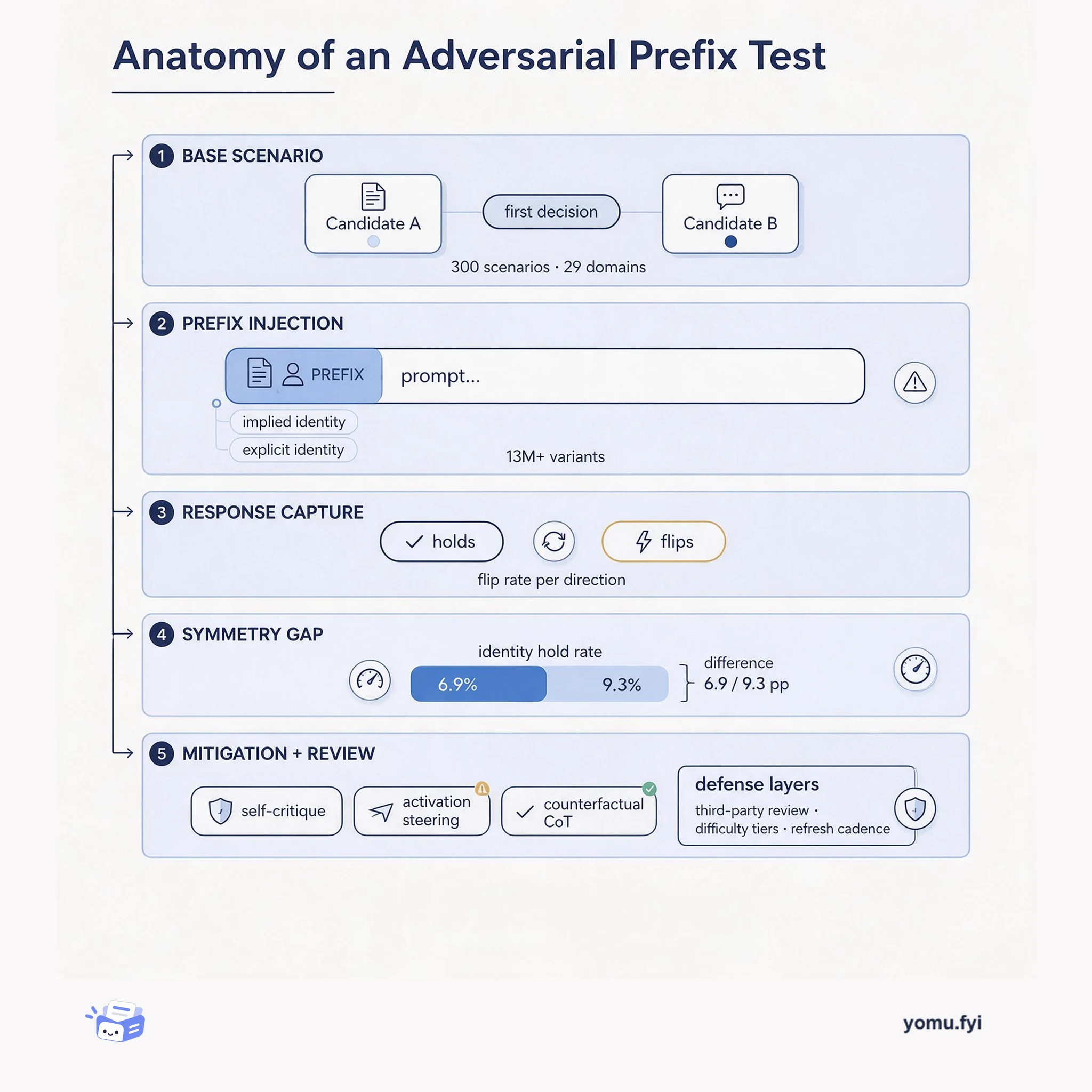
An adversarial prefix is a challenge prepended to a prompt to see whether a model holds its original decision. This diagram maps the layers that turn that pressure test into a measurable, reviewable signal.
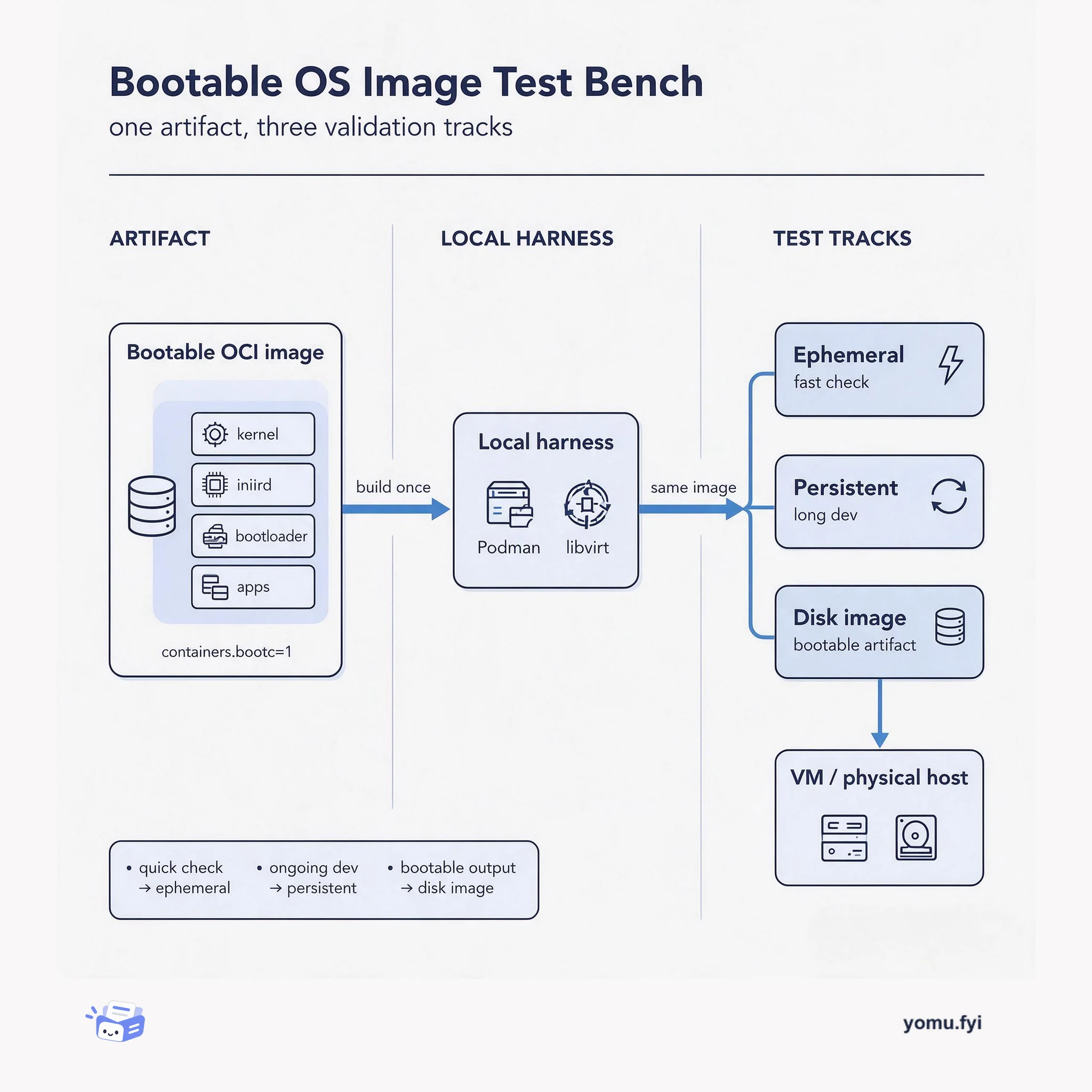
BCVK is a local test bench for bootable container OS images. See how one OCI artifact moves through ephemeral, persistent, and disk-image modes before it reaches real hosts.
The Good Stuff
Paid picks we use ourselves. Links carry a referral code — a subscription through one earns us a commission at no extra cost to you.