An adversarial prefix is a challenge prepended to a prompt to see whether a model holds its original decision. This diagram maps the layers that turn that pressure test into a measurable, reviewable signal.
Adversarial prefixes are the persuasive or identity-coded arguments attached to a prompt to test whether a model keeps its original answer. A prefix harness layers a base scenario and its first decision, a generator that produces prefix variants across implied and explicit identity, and a measurement layer that compares how often the model flips in each direction. That comparison yields a symmetry gap rather than a single accuracy score, which is why mitigations such as self-critique and activation steering can appear helpful while quietly damaging accuracy. The same layering, plus third-party review and difficulty tiers, is what makes an evaluation reusable enough to inform a real deployment decision.
FAQ
Why measure a symmetry gap instead of just accuracy?
FairStress found models abandoned correct decisions more readily when doing so favored a minority-coded candidate, with average symmetry gaps of 6.9 and 9.3 percentage points for implied and explicit identity. A single accuracy number hides which direction the model bends; the gap shows whether a challenge changes decisions asymmetrically.
Do debiasing methods like self-critique or activation steering fix prefix bias?
Mostly no. FairStress found most debiasing methods did not reliably reduce the asymmetry and sometimes harmed accuracy; one activation-steering method dropped Qwen2.5-7B-Instruct from 98% to 47%. Counterfactual chain-of-thought, which asks the model to reconsider with swapped identities, reduced the gap while largely preserving accuracy, though it did not remove all bias.
What keeps an adversarial-prefix evaluation trustworthy over time?
Third-party review, difficulty tiers, and a refresh cadence. Amazon's AVERI review validated coverage but recommended more multistep adversarial prompts, broader multilingual coverage, and removing outdated references, which led to tiered difficulty calibration and quarterly review. Benchmark boards also freeze question sets and run contamination probes so comparisons stay meaningful.
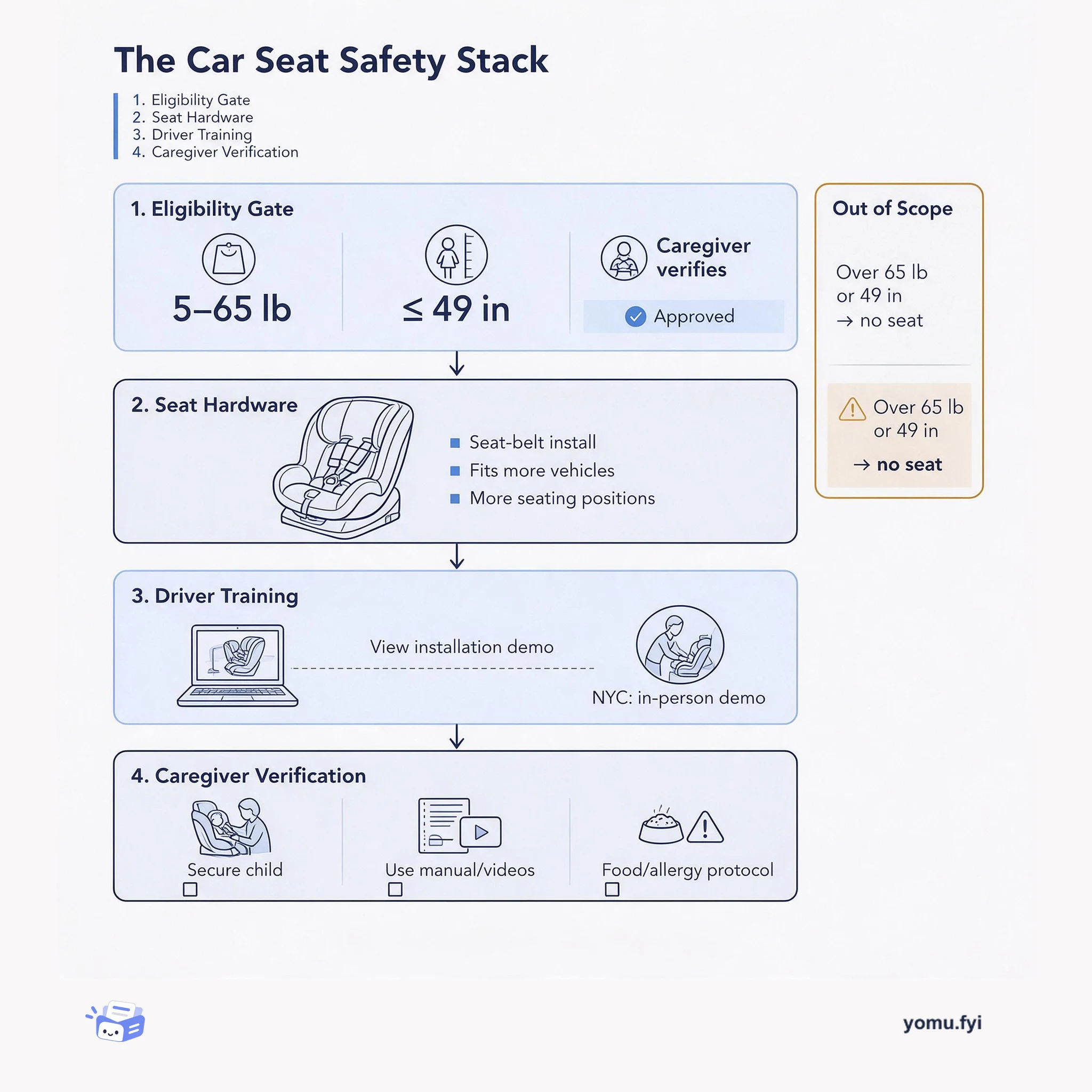
A layered architecture for a car-seat ride service: eligibility gates, seat hardware, driver installation training, and caregiver verification. See where checks catch problems before a child rides.
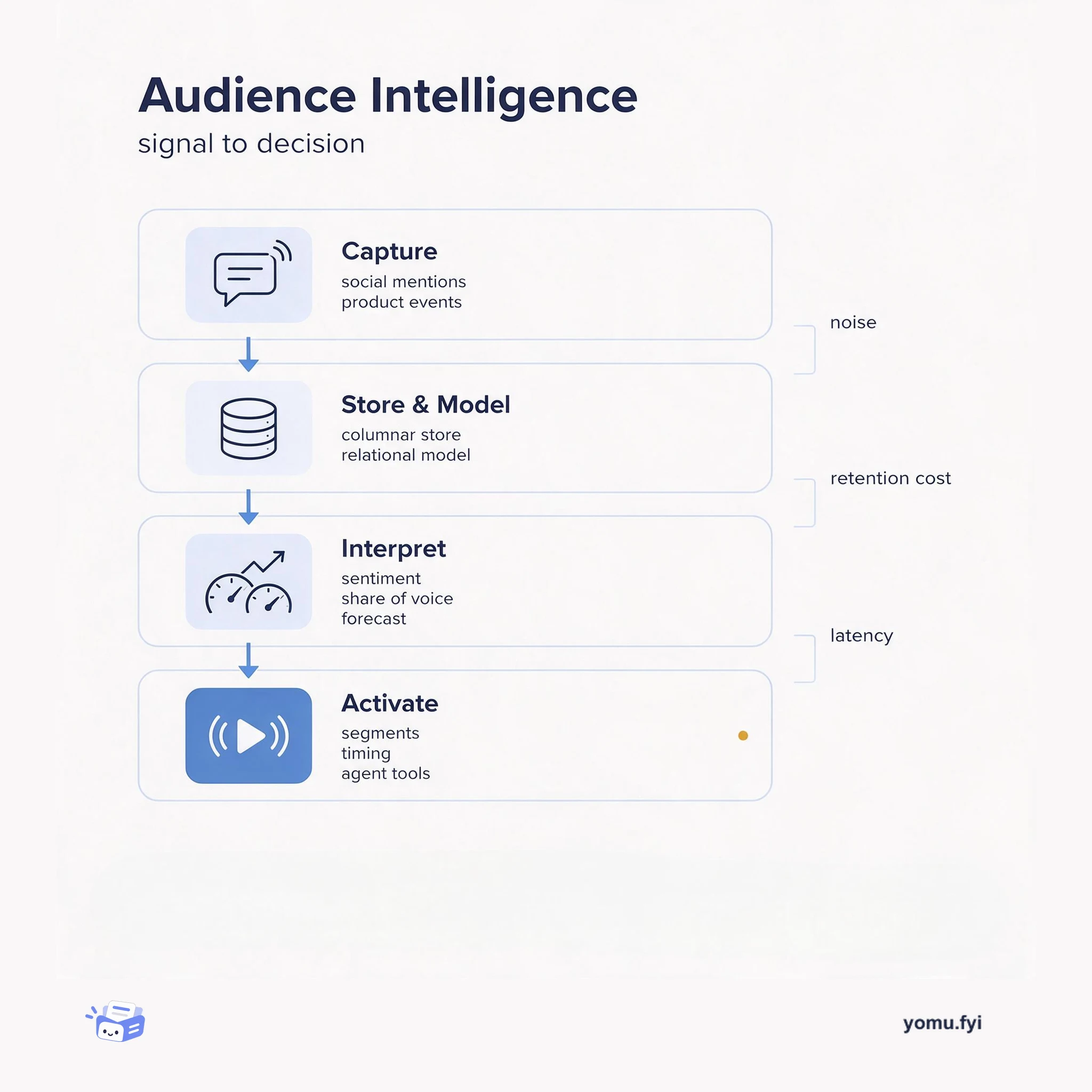
Audience Intelligence turns scattered social and behavioral signals into decisions about who to reach and when. This architecture map shows the four layers, what each owns, and where the trade-offs land.
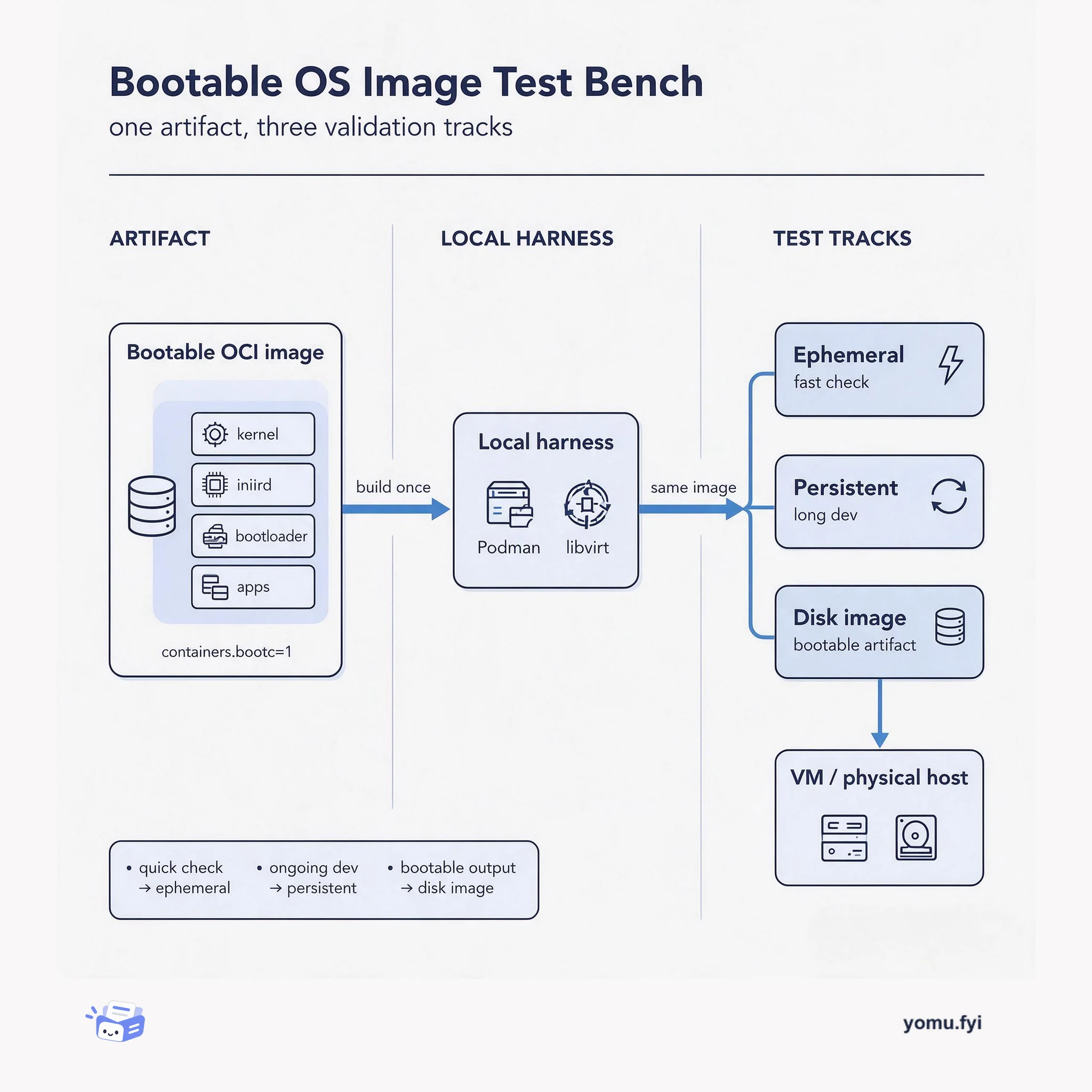
BCVK is a local test bench for bootable container OS images. See how one OCI artifact moves through ephemeral, persistent, and disk-image modes before it reaches real hosts.
The Good Stuff
Paid picks we use ourselves. Links carry a referral code — a subscription through one earns us a commission at no extra cost to you.