BCVK is a local test bench for bootable container OS images. See how one OCI artifact moves through ephemeral, persistent, and disk-image modes before it reaches real hosts.
BCVK packages the bootc virtualization workflow so an OS image is built once as an OCI container and exercised locally with Podman and libvirt. The architecture has three bounded layers: the image artifact, the local VM harness, and three deployment tracks—ephemeral for fast checks, persistent for ongoing development, and disk image for producing bootable artifacts. The decision is which track gives enough confidence before promoting the same image to virtual or physical hosts. That keeps configuration drift visible early instead of discovering it during rollout.
FAQ
When should I use ephemeral versus persistent BCVK mode?
Use ephemeral mode for rapid, disposable checks of a bootc image, and persistent mode when you need a longer-lived development environment across repeated iterations. Disk-image mode is the track for producing a bootable artifact rather than just exercising the image locally.
What does the local harness actually add to a bootc image test?
The harness runs the bootable container image in local VMs using Podman and libvirt, so you can exercise boot and deployment behavior on a laptop. It is positioned as end-to-end testing before the same image is deployed to virtual or physical infrastructure.
Why does packaging the OS as an OCI image reduce drift?
The image carries the kernel, initrd, bootloader, and applications as one artifact, so the same source can be tested locally and deployed across virtual and physical hosts. That reduces the configuration differences that creep in when hosts are assembled separately.
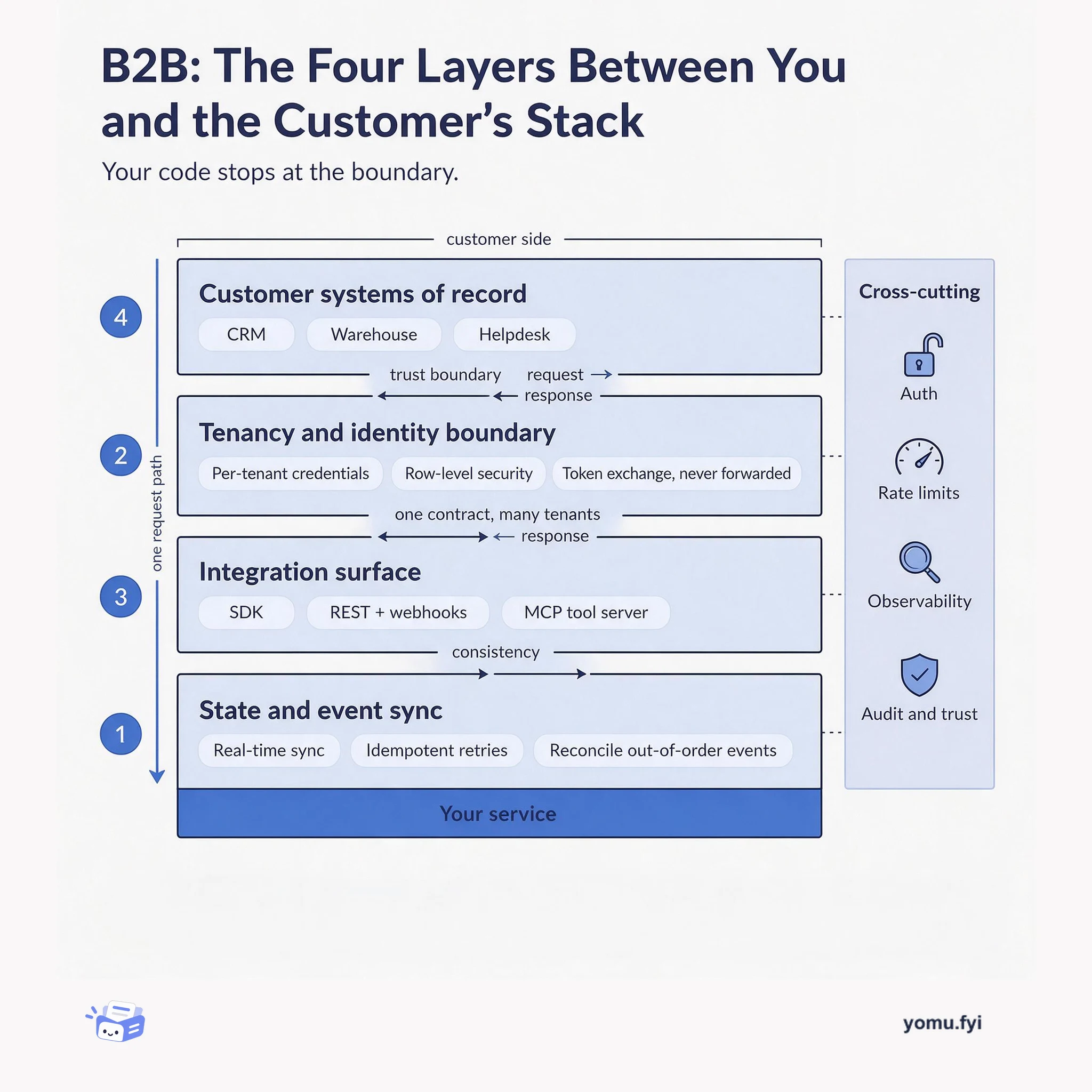
In B2B, most of the engineering lives in the seams: the tenancy boundary, the integration surface, state sync, and the cross-cutting trust rail. This diagram maps those four layers end to end.
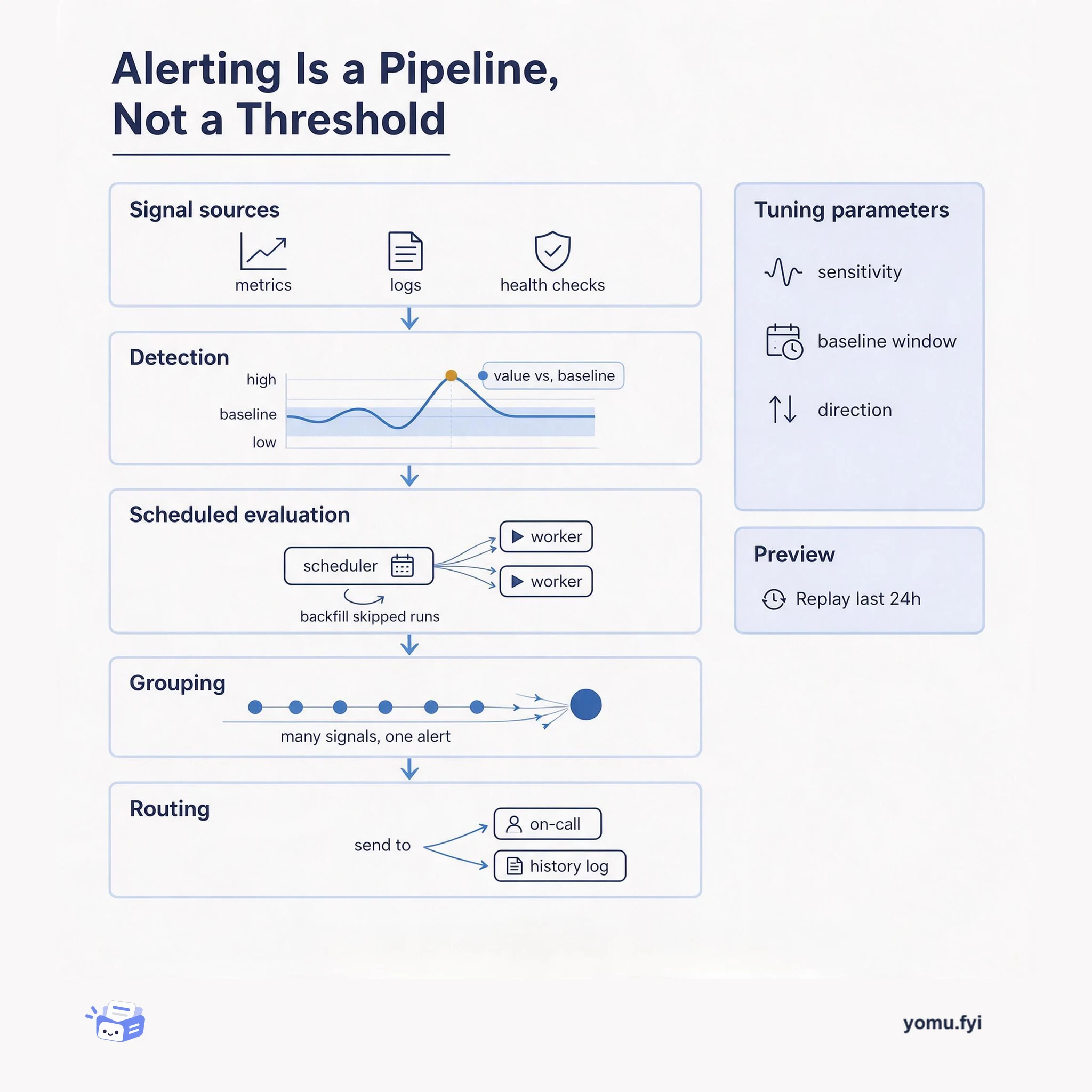
Alerting is an architecture, not a threshold: signals flow through detection, sharded evaluation, grouping, and routing. Here is how each layer decides whether a page is real.
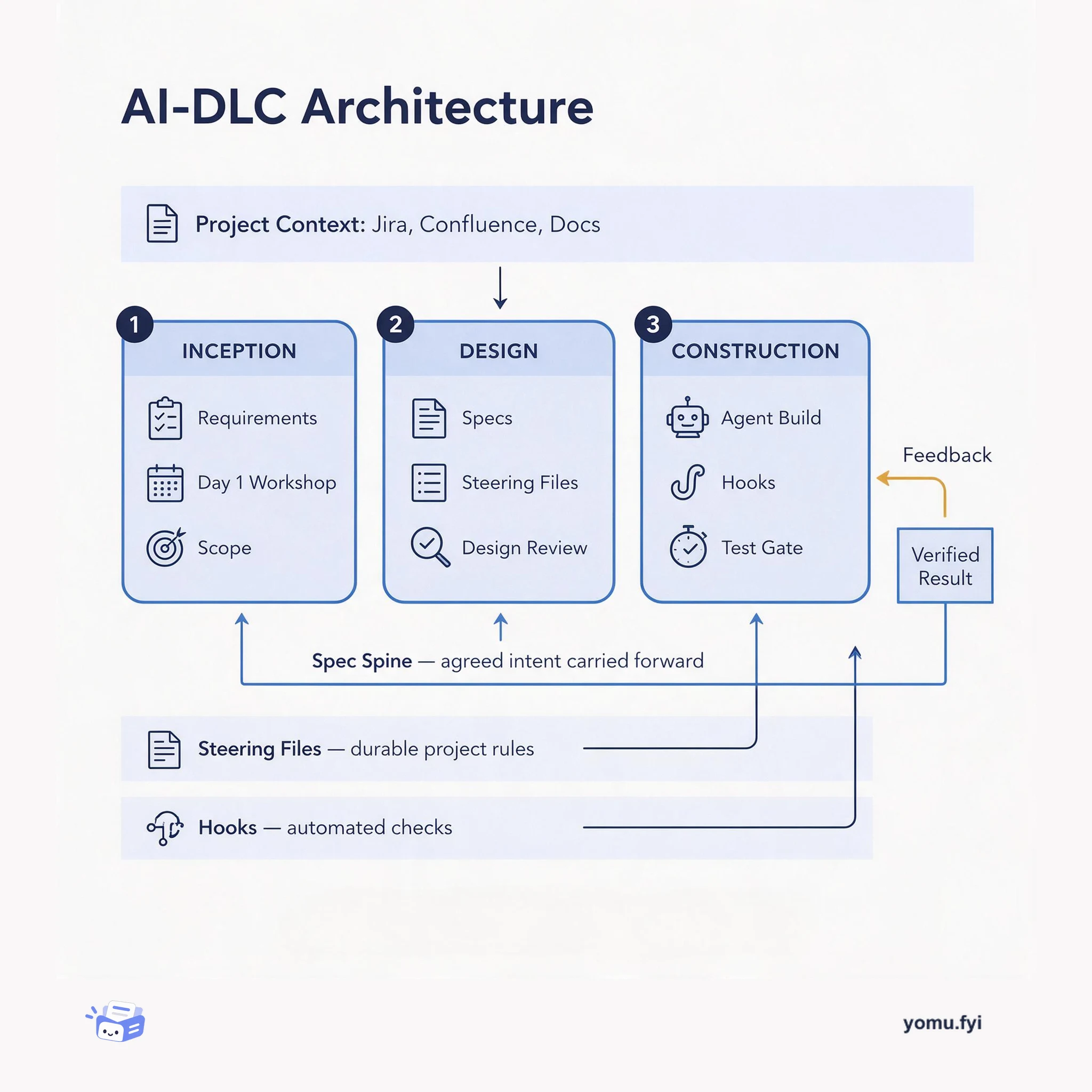
AI-DLC is an AI-driven development lifecycle that runs delivery through Inception, Design, and Construction, with specs, steering files, and hooks keeping agents aligned to agreed intent.
The Good Stuff
Paid picks we use ourselves. Links carry a referral code — a subscription through one earns us a commission at no extra cost to you.