Grab
Grab
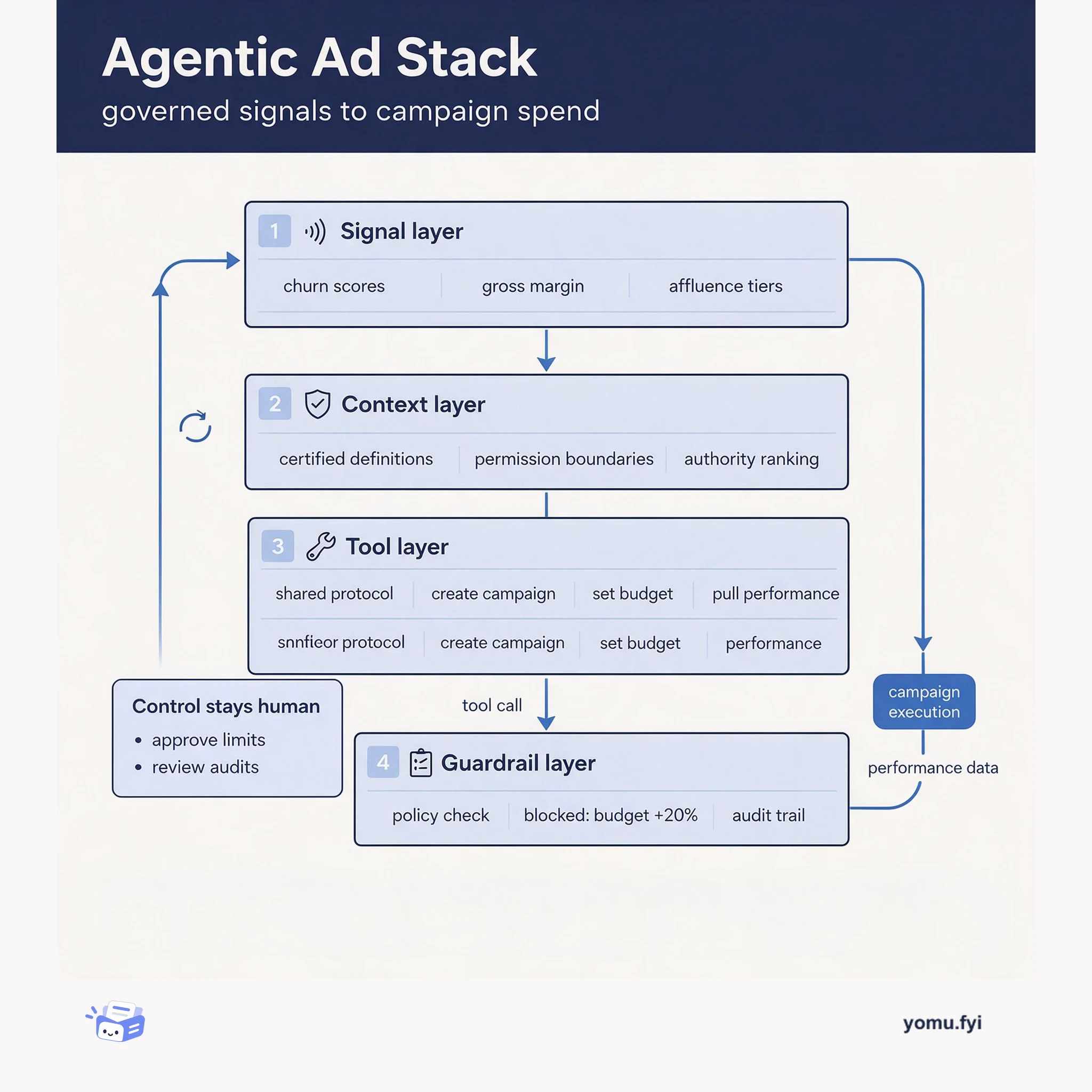
Existing systems estimate user price sensitivity from spending behavior or demographic proxies, missing residential property values and creating one-dimensional profiles. This invention proposes a four-step method that combines public property data with LLM-assisted data structuring, building-level price estimation, hierarchical clustering, and user mapping. The method collects public property records, uses LLMs to standardize attributes such as postcode, transaction price, and property size, then aggregates transactions within buildings to calculate weighted average sale prices. A hierarchical clustering model groups buildings into affluence tiers based on estimated resale values, accounting for regional market differences, and users are mapped to these tiers via aggregated geographic signals. The approach remains unimplemented and untested in live markets, with potential applications in personalization, advertising, and operational planning subject to future technical validation and privacy approvals.