Block Devices Explained: Hand the Kernel Chunks, Not Files
A block device exposes storage as fixed-size addressable chunks and leaves filesystem logic to the kernel. Here is how that split decides latency, correctness, and who interprets each request.
A block device presents storage as an array of fixed-size chunks that can be read or written by address, with no notion of files, directories, or names. Filesystems supply that meaning: they map names onto chunks, cache metadata, and enforce permissions. The split matters because it decides who does the interpretive work. Give a virtual machine a file-level interface and the host mediates every metadata call; give it a block device and the guest kernel runs its own filesystem locally while the host only moves chunks. Knowing where that boundary sits tells you whether a slow build is a storage problem or an ownership problem.
FAQ
Does a block device give you transactions or atomic multi-step updates?
No. A block device gives you addressable chunks and individual reads and writes; it has no concept of a multi-step transaction, a schema, or a permission model. Atomicity across several statements is added higher up by filesystems, database engines, or table formats, which is why transactional guarantees and row-level access controls are built above raw storage rather than inside it.
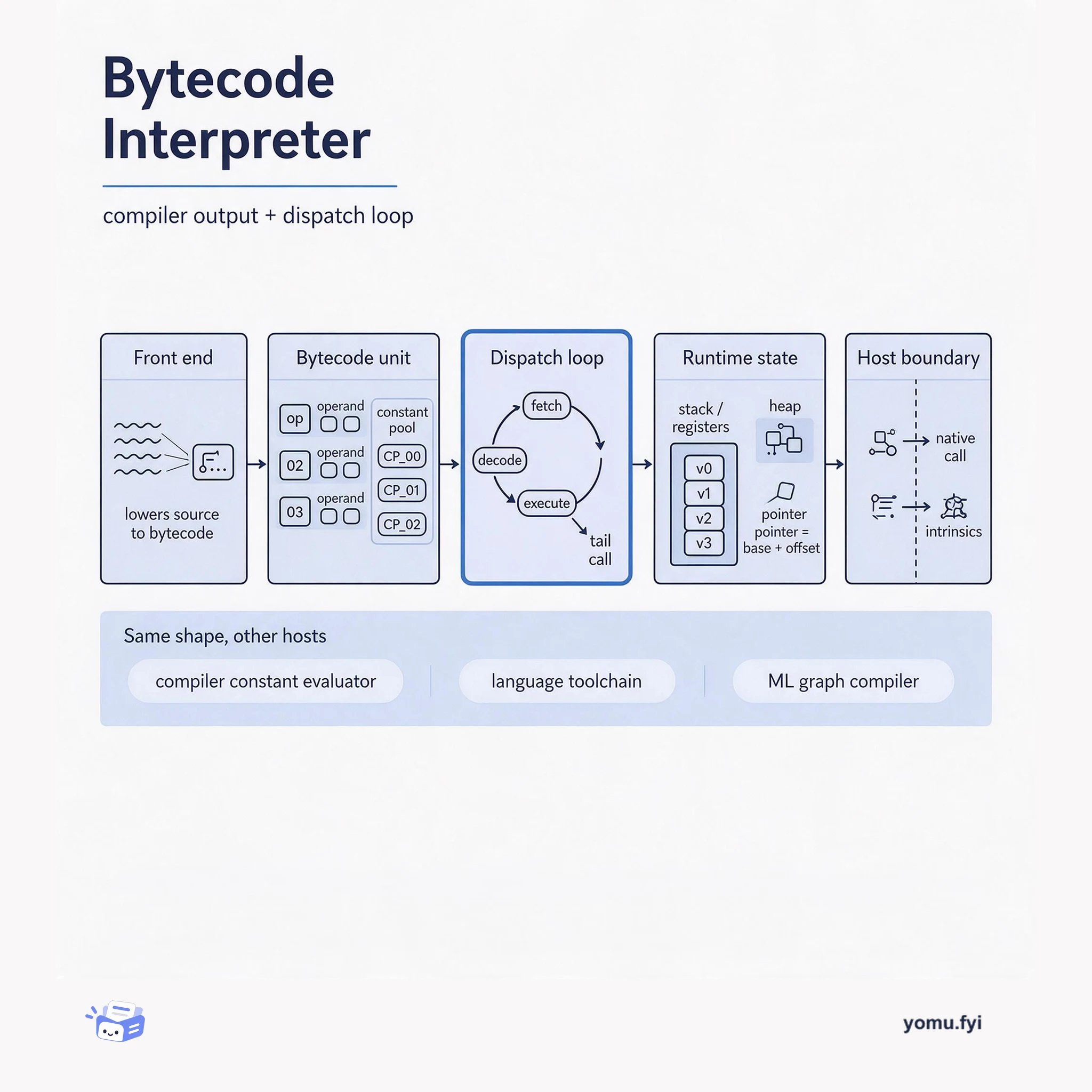
A bytecode interpreter is a compiler's output plus a loop that runs it. This explainer maps its five parts — bytecode, dispatch loop, runtime state, and the host boundary — and why the shape repeats.
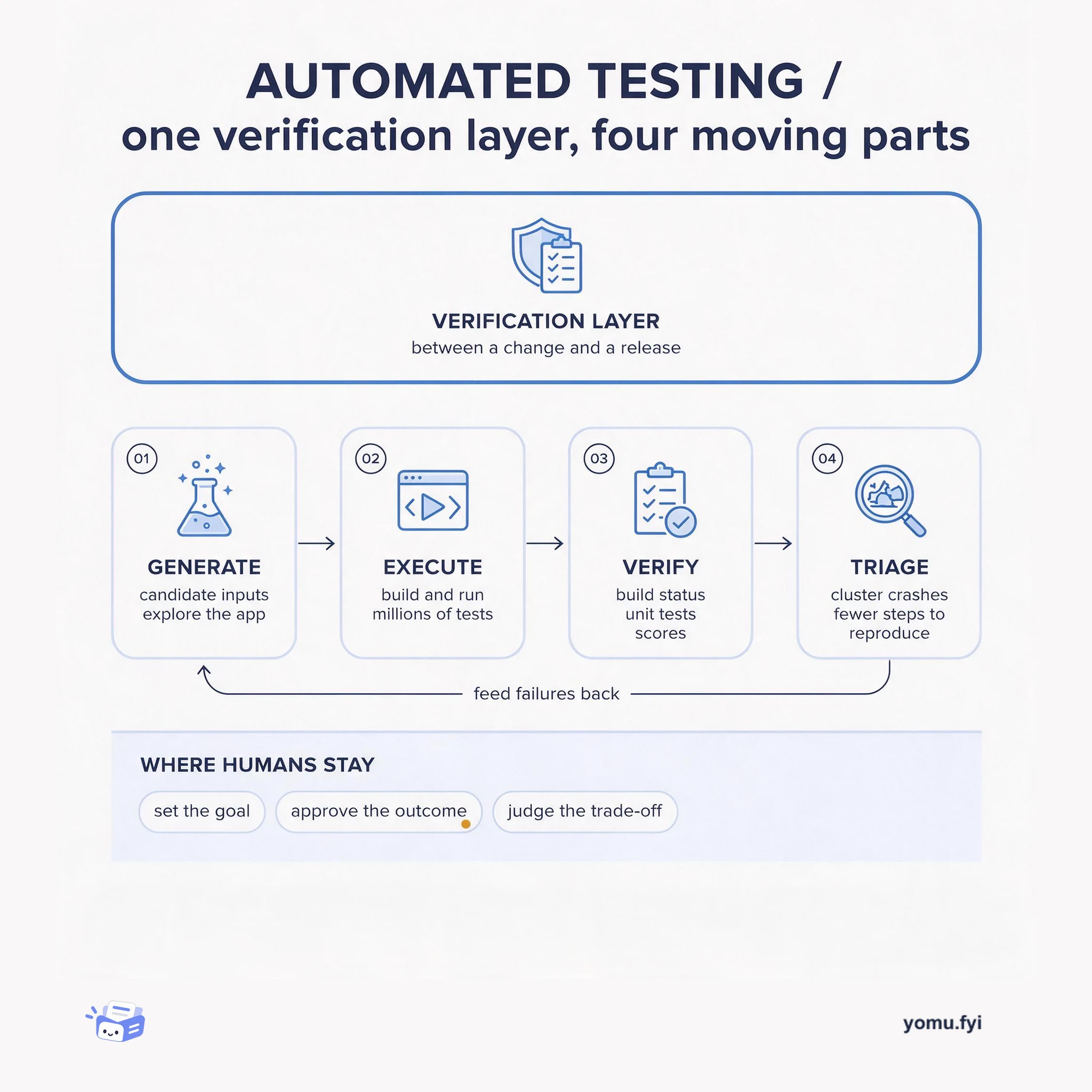
Automated testing is a verification layer with four moving parts: generate, execute, verify, and triage. This explainer maps each part and shows where human judgment still belongs.
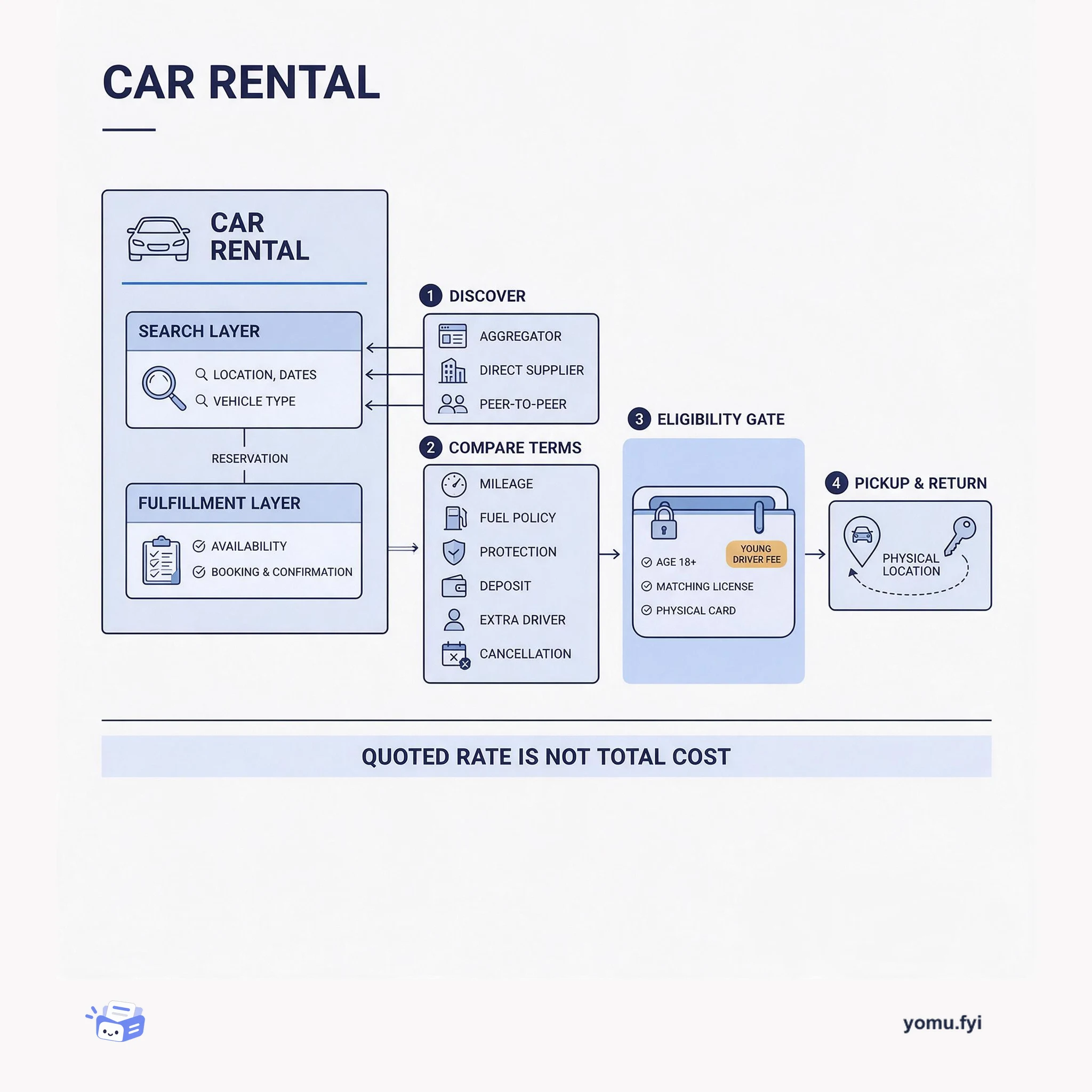
A car rental is a search layer over many fleets plus a contract enforced at the counter. This explainer maps its four parts and why the advertised daily rate never equals the total cost.
The Good Stuff
Paid picks we use ourselves. Links carry a referral code — a subscription through one earns us a commission at no extra cost to you.