Car Rental: A Search Layer, a Contract, and a Handover
A car rental is a search layer over many fleets plus a contract enforced at the counter. This explainer maps its four parts and why the advertised daily rate never equals the total cost.
A car rental is not a single product but a supply layer and a fulfillment layer joined by a reservation. The supply layer pools fleet from rental companies such as Budget, Hertz, and Avis alongside peer-to-peer listings, and a search front such as an aggregator or Uber Rent lets a traveler compare them in one query. The fulfillment layer is physical and gated: a minimum age, a matching license, and a physical card in the primary driver's name, all checked at the counter. The part engineers underestimate is the terms object — mileage, fuel policy, protection, deposit, extra-driver fees — because that, not the headline rate, sets the real cost.
FAQ
Why doesn't the advertised daily rate match what I pay at the counter?
The daily rate is a base quote, not a total. Mileage limits, fuel policy, protection options, deposit holds, additional-driver fees, cancellation terms, and pickup or drop-off location can all change the final bill, which is why comparison should happen on total cost rather than the headline rate.
What actually decides whether I can collect the reserved car?
Suppliers check a minimum age of 18, a valid driver's license that matches the reservation, and a physical credit card in the primary driver's name. Renters under 25 may pay a Young Driver Fee, personal insurance is usually not required, and supplier-specific conditions can vary by vehicle and location.
How do aggregators, direct suppliers, and peer-to-peer marketplaces differ?
Aggregators search hundreds of providers for price comparison, direct rental programs offer their own member and loyalty rates, and peer-to-peer marketplaces list vehicles from private owners. Hybrid platforms such as Uber Rent blend agency inventory and peer-to-peer listings in one search, but the pickup contract is still enforced by the supplying company.
An app store is a distribution surface, a versioned contract, and a health loop between a platform and its developers. Here is how those parts fit together and why each one fails loudly if ignored.
A GPU-resident astronomy pipeline keeps every stage of image analysis — load, align, subtract, detect, review — inside GPU memory instead of round-tripping through the CPU.
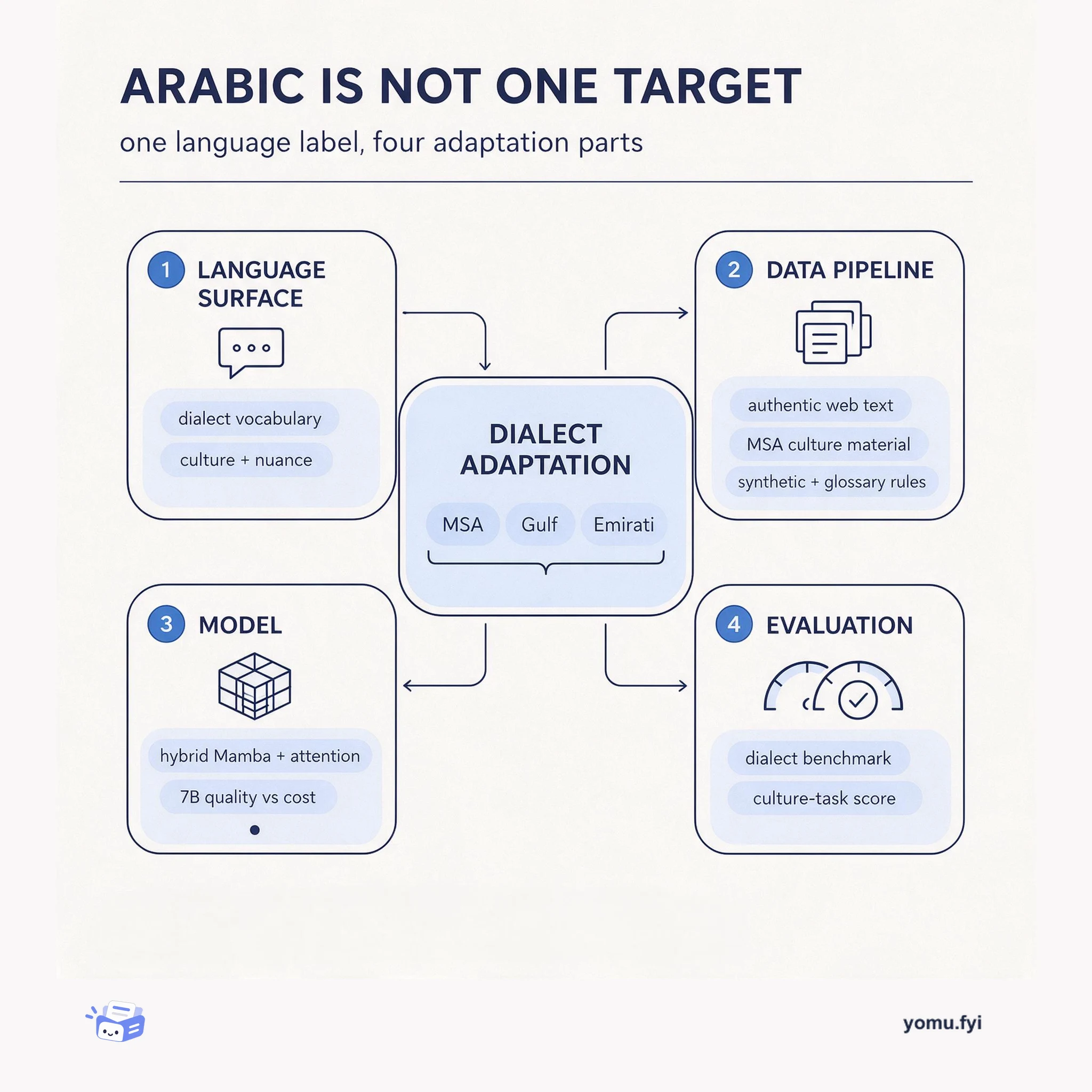
Arabic is not a single target for a language model. This explainer maps its four parts — dialect surface, data pipeline, model, and evaluation — so you can tell where an Arabic feature really succeeds or fails.
The Good Stuff
Paid picks we use ourselves. Links carry a referral code — a subscription through one earns us a commission at no extra cost to you.