The Ad Compute Trade-Off: Allocate by Marginal Utility
Ad ranking is a compute trade-off: more resources per request can improve relevance, but GPU capacity and latency are finite. Learn how to allocate by marginal utility instead of uniformly.
Ad systems face a trade-off: more compute per request can improve ranking, but GPU capacity and latency are finite. Meta's Intelligent Delivery uses a Resource Core Model to predict per-request marginal utility, then a hierarchy of decision engines allocates across region, hardware, and host. The lesson is to measure where extra compute actually pays off, not to spend uniformly. Demand signals and campaign controls add conditions: fragmented search/social interest and volatile shopping behavior mean allocation must be revisited as conditions change.
FAQ
Why not give every ad request more compute?
Meta's Intelligent Delivery notes that the marginal impact of compute varies across requests, models, and chips. Uniform allocation would waste capacity on requests where extra compute barely changes ranking quality. The system instead targets the system-wide optimum.
How does the system decide where ad compute should go?
Intelligent Delivery uses a Resource Core Model with 6B sparse parameters to predict per-request marginal utility. A hierarchy of decision engines then allocates across region, hardware, and within-host levels, while agentic AI detects and responds to system shifts.
What operational controls keep high-volume ad delivery from overrunning?
A campaign-style orchestration layer can apply queue polling, batching, and circuit breakers before starting each workflow. Zillow's notification pipeline uses this pattern at 100 million daily notifications, and reusable schema-driven content modules keep variants consistent.
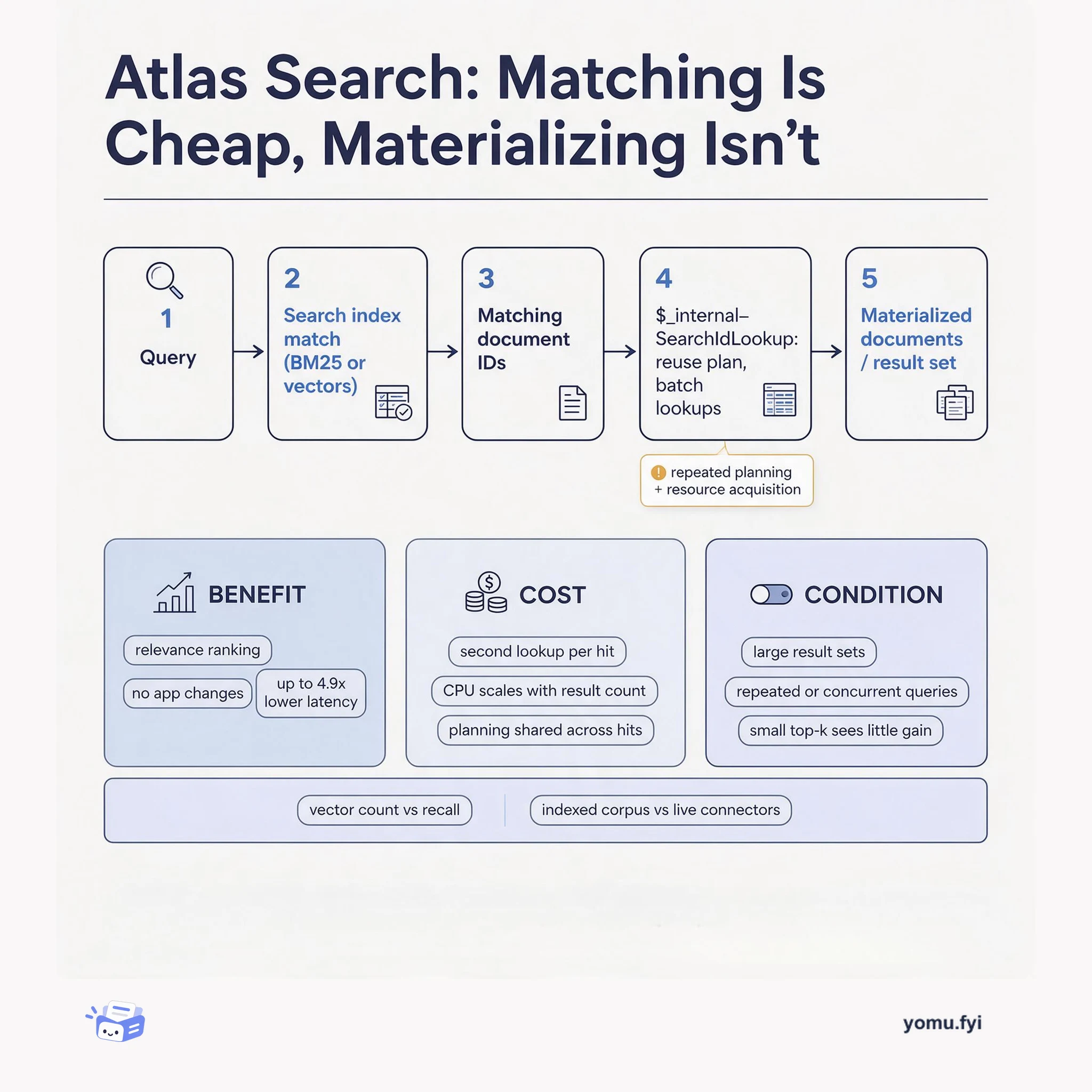
Atlas Search finds matching document IDs fast, but materializing each hit from the collection is where the latency and CPU go. This trade-off map shows the benefit, the cost, and the condition for accepting that second phase.
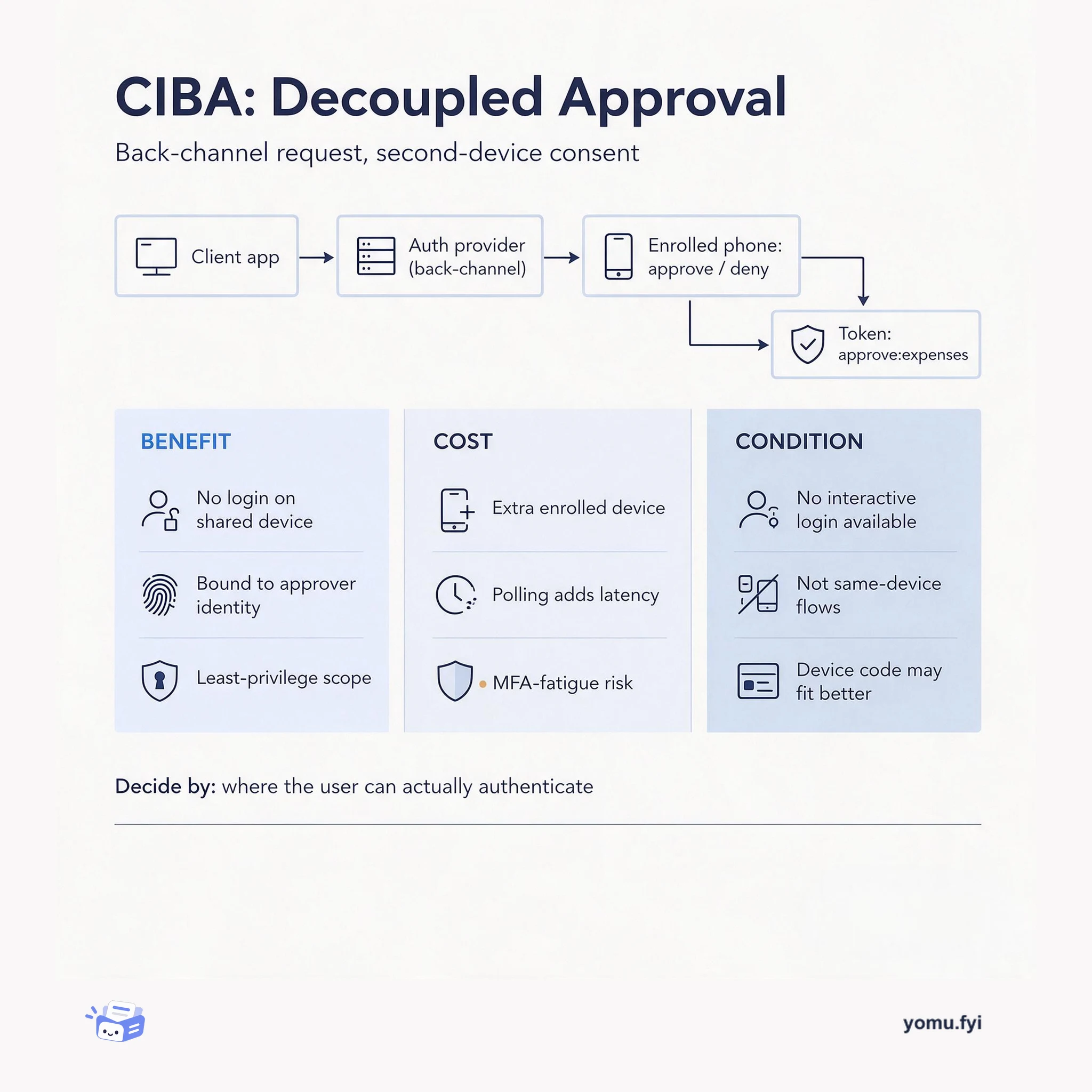
CIBA moves authentication off the device in use: the client sends a back-channel request and the user approves on an enrolled phone. See what that buys and what it costs.
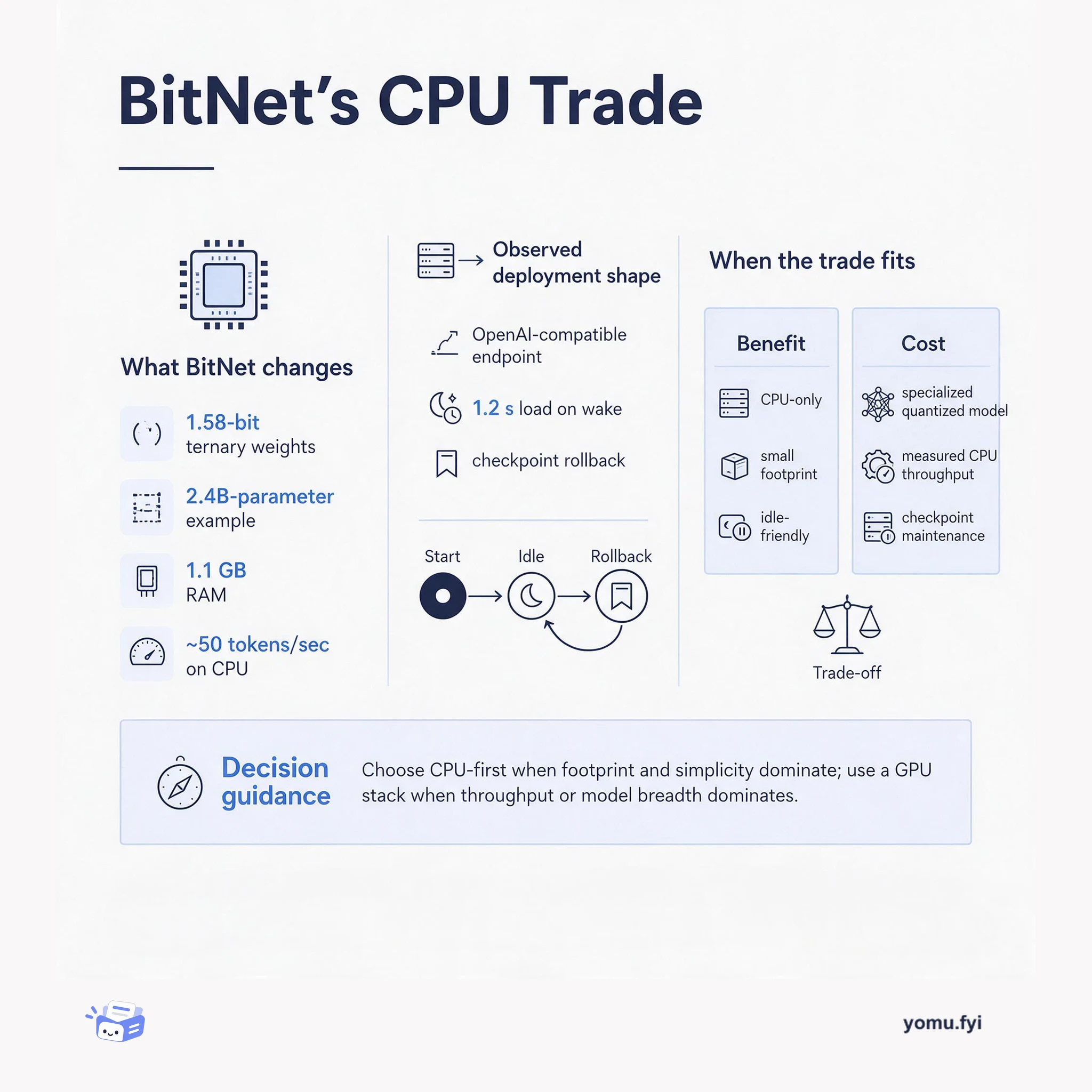
BitNet trades floating-point precision for a tiny, CPU-friendly footprint. This diagram maps the payoff—small memory and local serving—against the constraints that decide when the trade is worth it.
The Good Stuff
Paid picks we use ourselves. Links carry a referral code — a subscription through one earns us a commission at no extra cost to you.