Verified Is Not Trusted: A Five-Step Bot Accountability Loop
A five-step loop for treating bots as accountable actors: verify identity, honor opt-out preferences, measure sustained behavior, band trust, and bound blast radius.
Bot accountability is a loop, not a checkbox: a Verified identity tells you who is calling, but trust has to be earned through sustained behavior. This explainer walks five checkpoints — verify identity, honor stated preferences such as robots.txt directives and opt-outs, measure compliance over time including whether the bot slows down after HTTP 429 responses, convert that record into a trust band with a threshold a site owner can set, and bound the bot's blast radius with scoped credentials, audit trails, and dry runs. The payoff is a reusable mental model for deciding how much access an automated client gets, and when to take it away.
FAQ
Why isn't verifying a bot's identity enough to trust it?
Identity verification only establishes who is calling. Cloudflare's accountability system instead measures whether a bot keeps honoring robots.txt directives and slows down after HTTP 429 responses, looking for repeated patterns of disregard rather than isolated violations. A verified bot that ignores site preferences still loses trust.
How do I turn bot behavior into an access decision?
Behavior is summarized as a trust band that falls when a bot ignores site preferences or fails to slow down after rate-limit responses, and rises with consistent compliance. Cloudflare plans to publish these scores on Radar and let customers choose the trust threshold for Verified bot traffic on their own sites.
What should I limit before letting an agent act on my behalf?
Scope credentials per agent instead of forwarding a user token downstream, and log the delegation chain so every hop is auditable. Add the operational guardrails the protocol does not supply, such as idempotency, rate limiting, and observability, plus dry-run and fail-secure defaults; Notion's agent tests from a second account that simulates a real user.
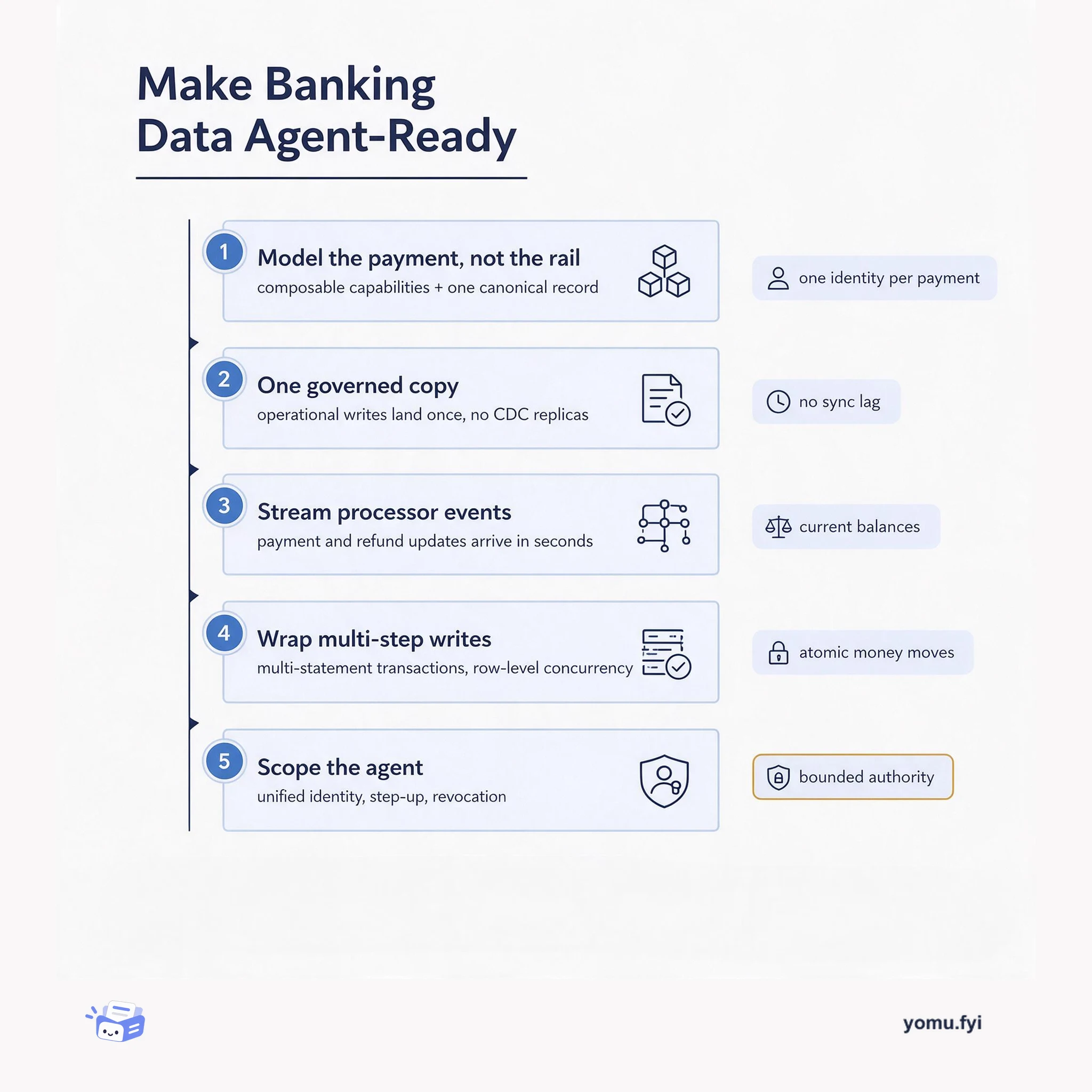
A five-step path from fragmented payment silos to a canonical, governed record that AI agents can act on: model the payment, unify the copy, stream events, wrap writes in transactions, and scope agent authority.
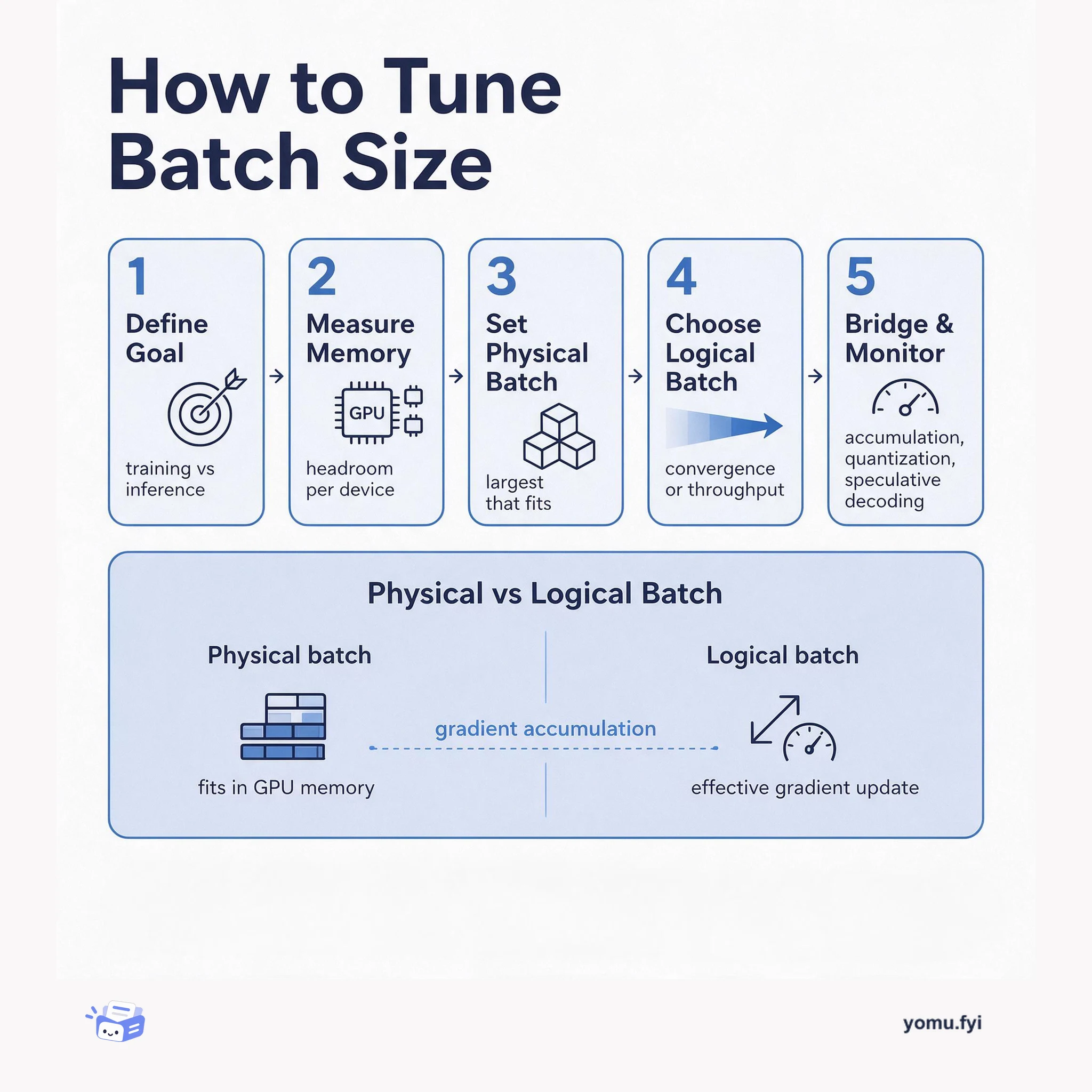
A practical workflow for choosing batch size in training and inference. Learn to separate physical memory limits from logical update size, then tune with gradient accumulation, quantization, and throughput monitoring.
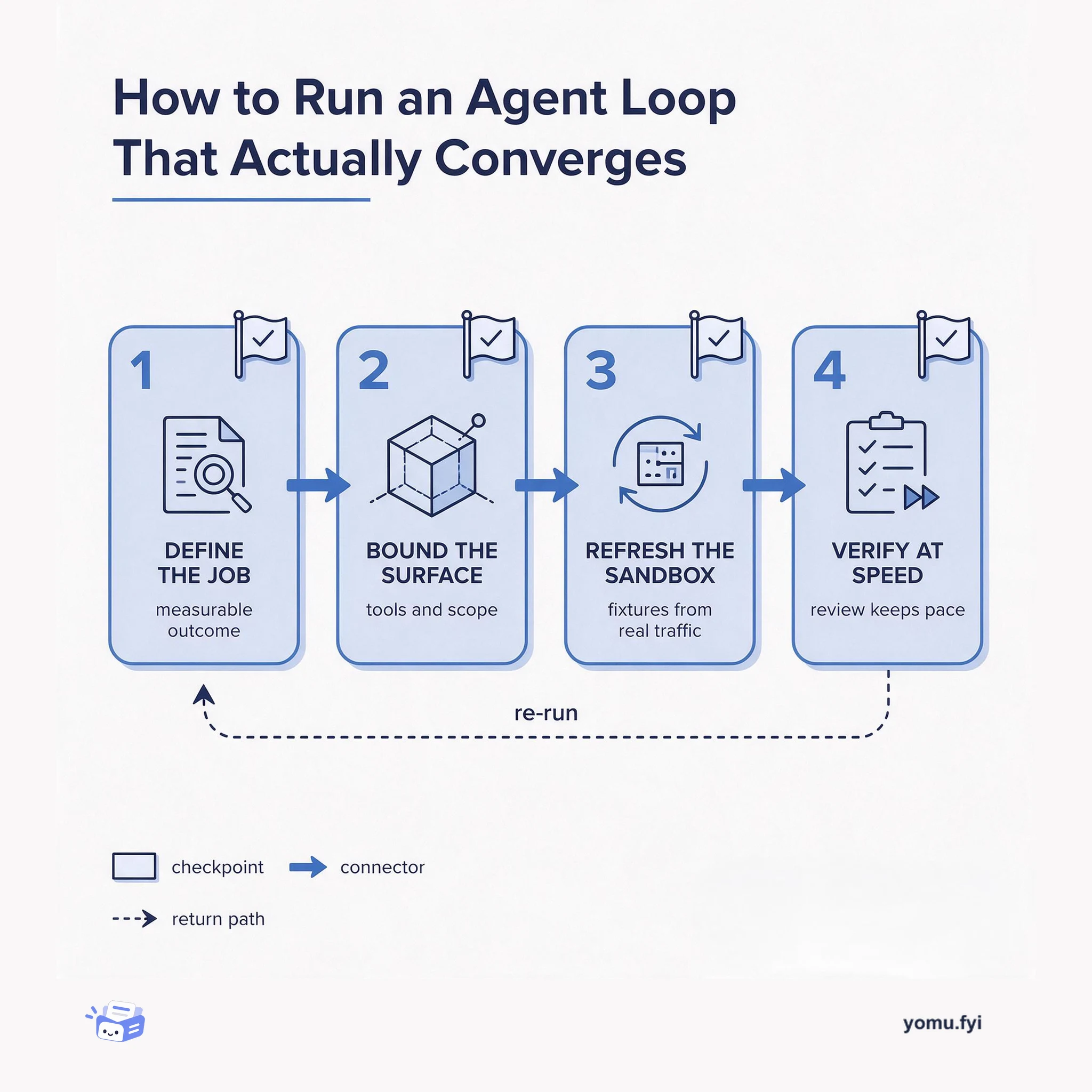
A four-checkpoint how-to for agent loops: name a measurable job, bound the tool surface, refresh sandbox fixtures from real traffic, and verify at agent speed.
The Good Stuff
Paid picks we use ourselves. Links carry a referral code — a subscription through one earns us a commission at no extra cost to you.