What Is an AI Factory? Four Stages From Data to Served Answer
An AI factory turns raw data and GPU-hours into served model output. This diagram breaks it into four stages — feed, shape, serve, restore — plus the control plane that owns them.
An AI factory is the production system that converts data and GPU-hours into served model responses, and its real metric is how little of that expensive GPU time sits idle. Four stages do the work: data streams to every GPU, workloads are shaped to the hardware with explicit execution control, replicas serve inference, and initialized workloads are checkpointed so restores take seconds instead of cold starts. A control plane provisions clusters and node images so the team keeps ownership of software, operations, and service. Engineers should care because the bottlenecks rarely sit in the model — they sit in data delivery, cold starts, and idle sessions.
FAQ
Where does an AI factory usually bottleneck first, data or compute?
Often data. Databricks reported that on a 300 GB feature table across eight H100 GPUs, streaming Unity Catalog tables directly to the GPUs cut training time roughly 10x compared with reading an exported Parquet copy, because data delivery rather than the model was the constraint.
What does the control plane actually give the operating team?
NVIDIA's NVKE supplies management-plane APIs and NVKR builds reproducible node images from version-pinned sources, so AI factories retain control of their software, operations, service, and customer experience. Teams can adopt the two projects together or independently.
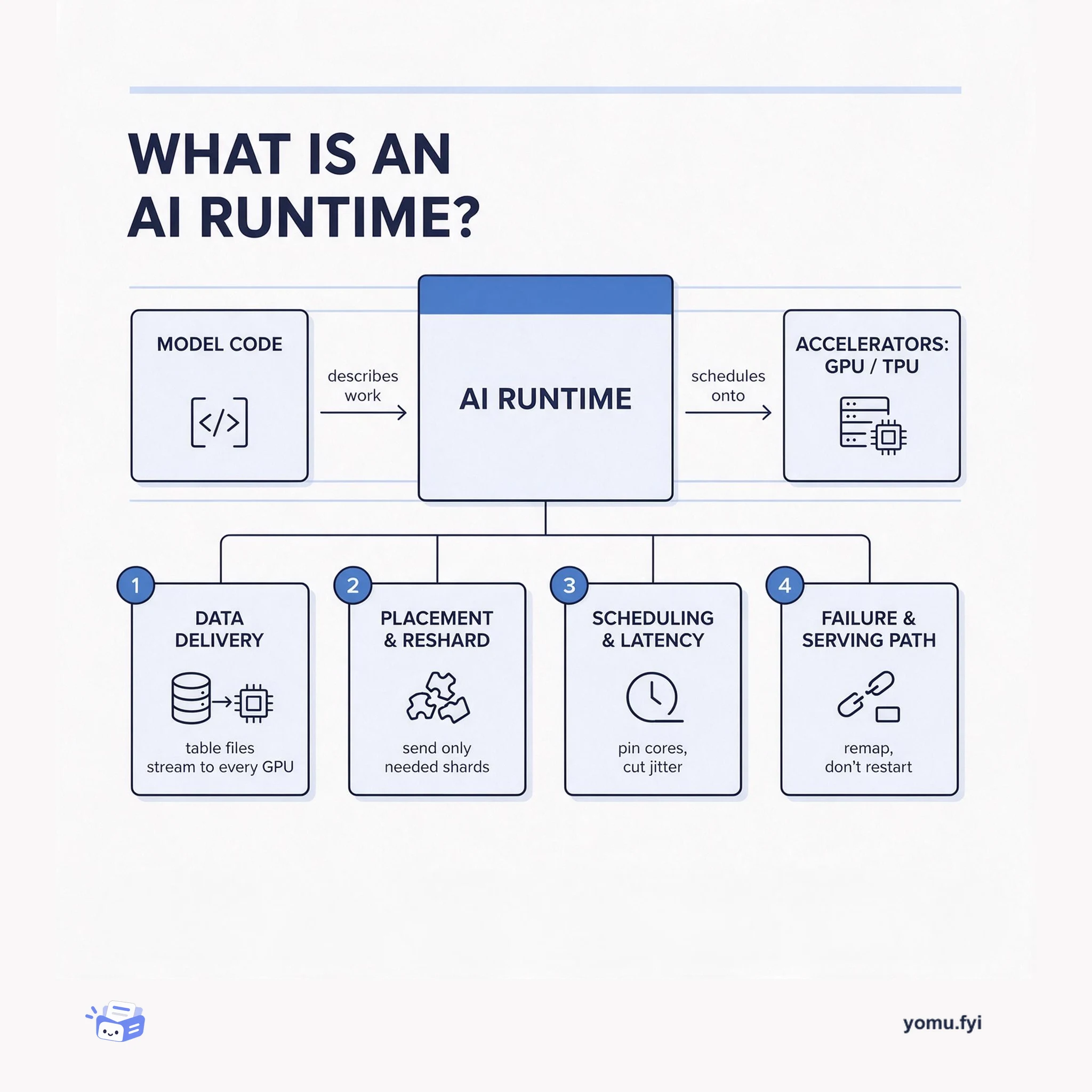
An AI runtime is the execution layer between model code and hardware: it feeds data to accelerators, places and reshards tensors, schedules work, and holds latency steady. Here are its four core jobs.
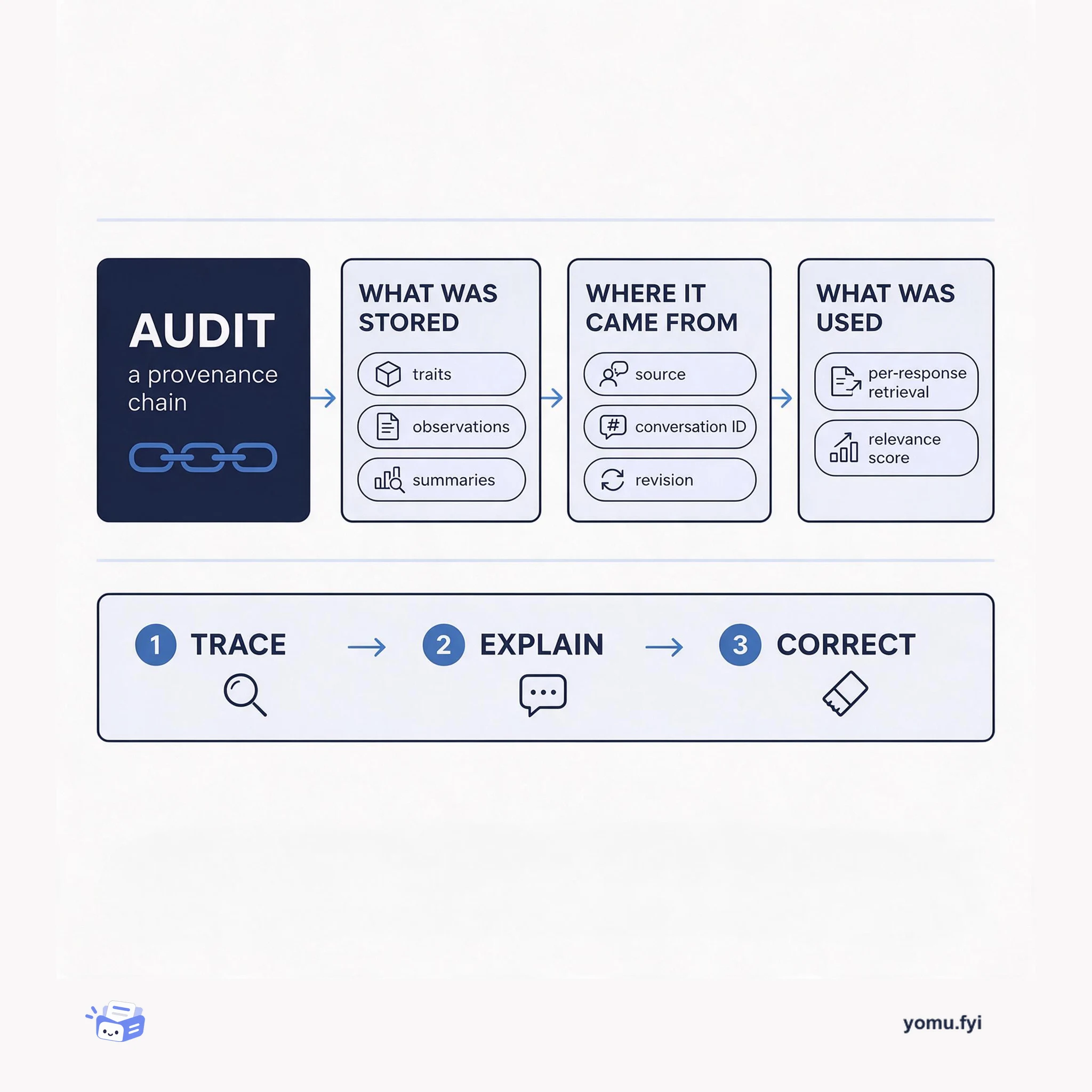
An audit is a provenance chain: what was stored, where each fact came from, and what was used for each decision. This explainer maps the three links that keep agent behavior traceable and fixable.
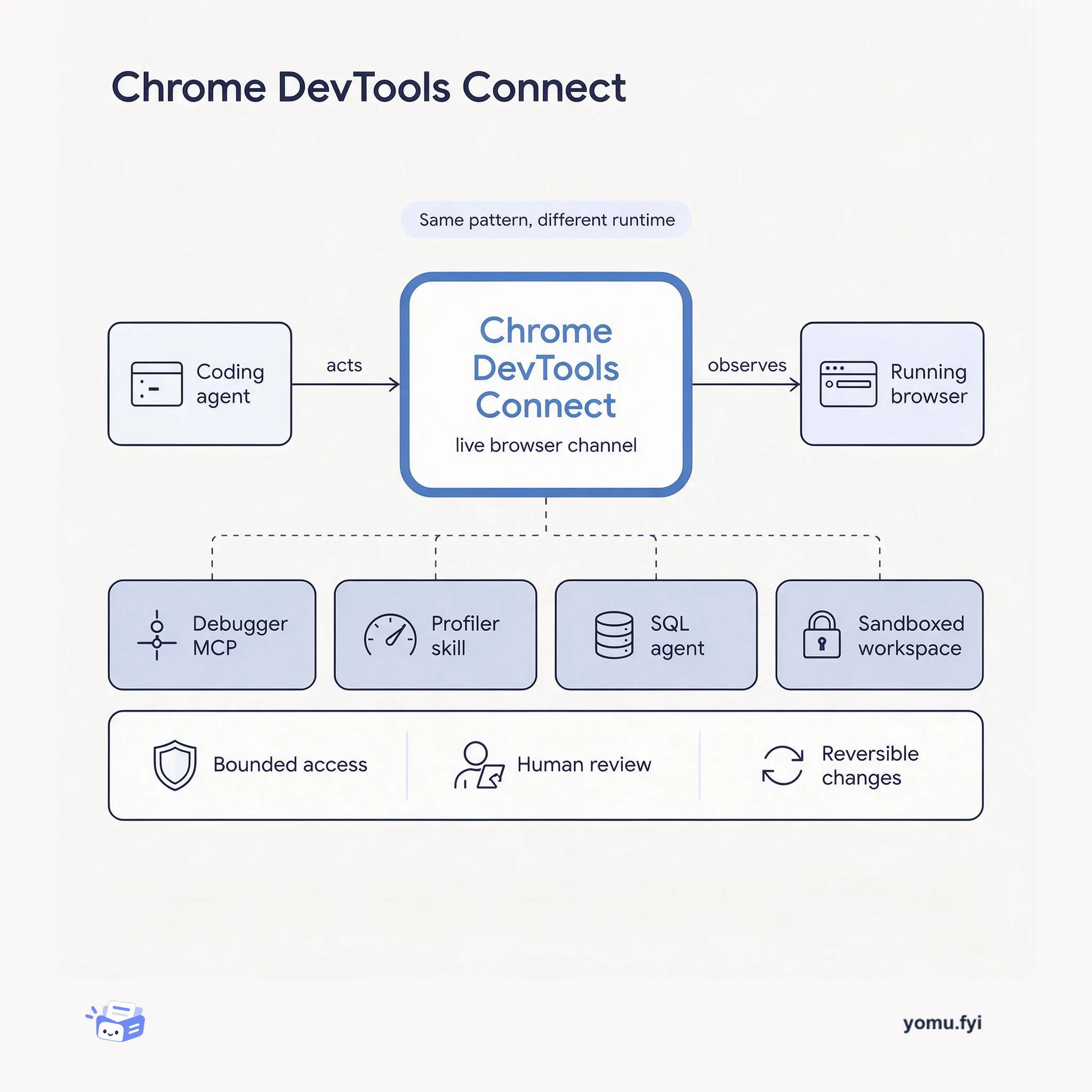
Chrome DevTools Connect gives coding agents a live channel into the browser's DevTools so they can run browser tests and drive fix cycles instead of reasoning from source alone.
The Good Stuff
Paid picks we use ourselves. Links carry a referral code — a subscription through one earns us a commission at no extra cost to you.