How to Give an Agent a Query Language Instead of a Code Interpreter
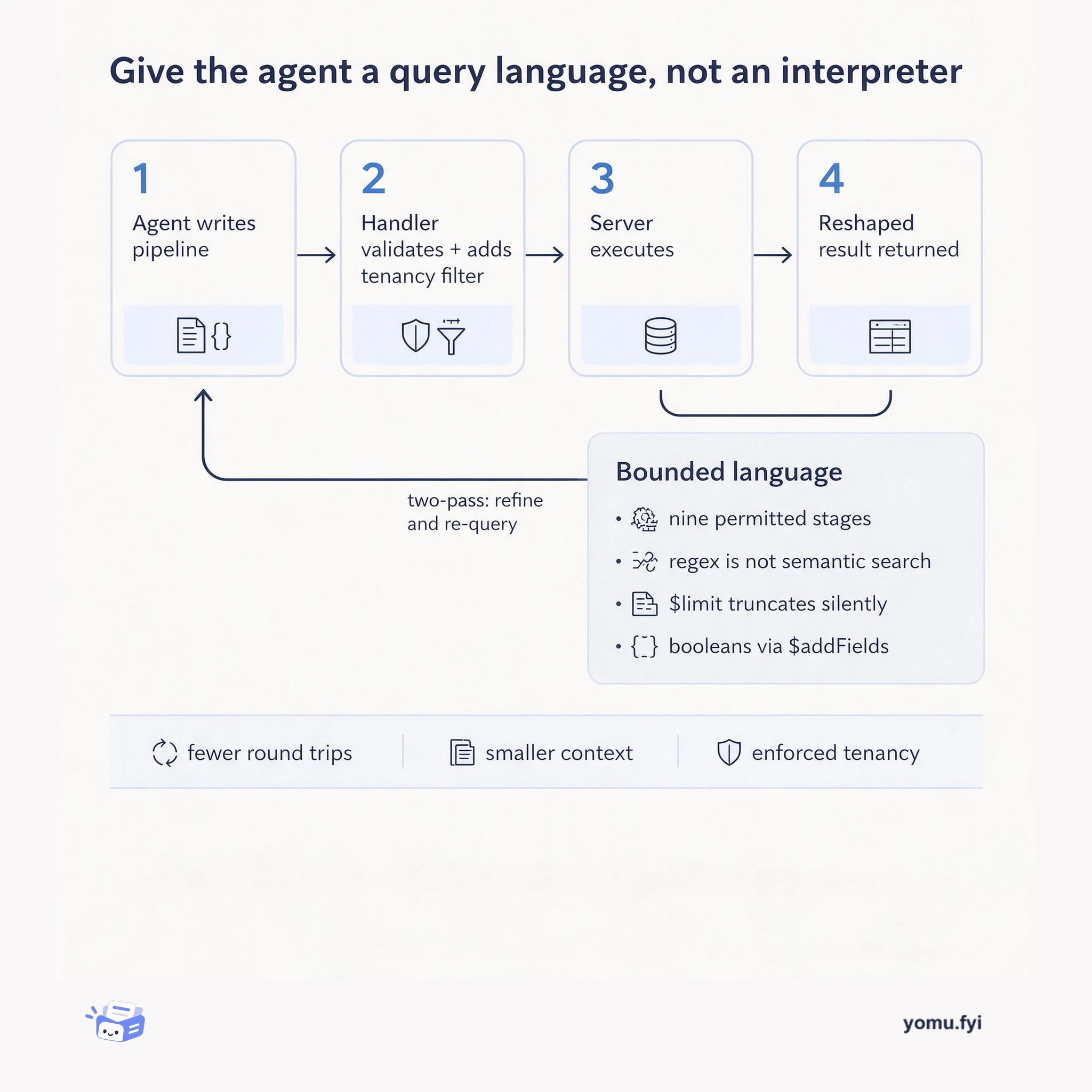
A four-step pattern for letting a document agent write validated aggregation pipelines instead of arbitrary code, so results come back shaped and tenancy stays enforced.
Loading…
Topic
1 post about Least Privilege. Every summary links to the original.
See the idea
A four-step pattern for letting a document agent write validated aggregation pipelines instead of arbitrary code, so results come back shaped and tenancy stays enforced.
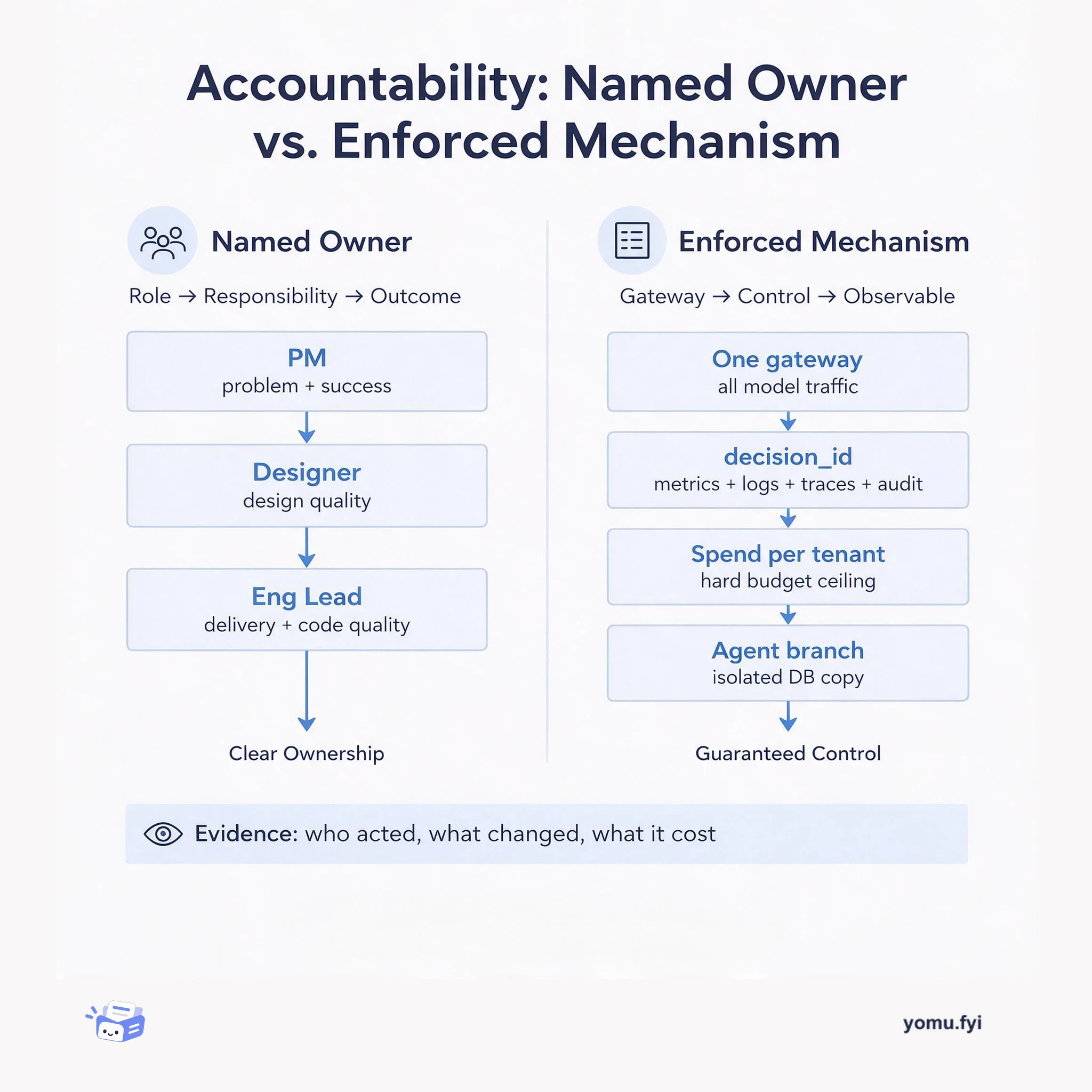
A side-by-side comparison of the two accountability models engineers actually rely on: a named human owner per outcome, and system-enforced traces, budgets, and isolation.
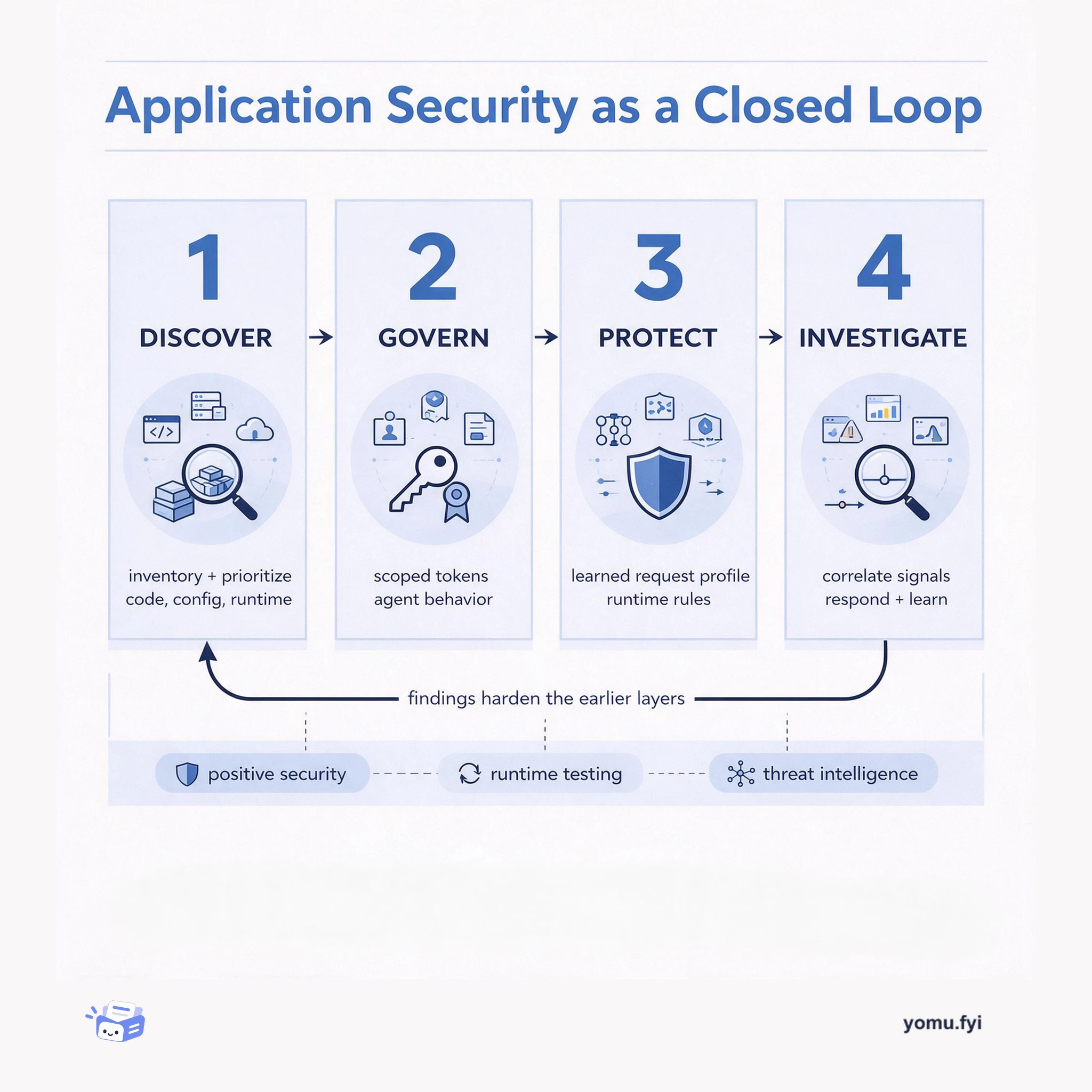
Application security is a closed loop: discover and prioritize risk, govern access and agent behavior, protect at runtime, then investigate and feed findings back into the next cycle.
The Good Stuff
Paid picks we use ourselves. Links carry a referral code — a subscription through one earns us a commission at no extra cost to you.
Newest first
The Confused Deputy problem, first documented in 1988, describes a program with legitimate authority being tricked into misusing that authority on behalf of a less-privileged actor. AI agents are particularly vulnerable because they process instructions and untrusted content through the same natural-language channel, making prompt injection straightforward. The post traces this pattern through CSRF, SSRF, and recent attacks like Clinejection, where an issue-triage bot executed an attacker-supplied command from a crafted issue title. That attack led to a poisoned GitHub Actions cache and a compromised npm package downloaded 4,000 times. The fix involves task-scoped short-lived credentials, capability-scoped permissions, credential isolation from the model, and human-in-the-loop approval for high-risk actions.
The best engineering reads, once a week.