Botnet Architecture: Four Layers from Infection to Attack
A botnet is a fleet of compromised devices organized in four layers: recruitment, persistence, command and control, and attack execution. This diagram maps how the layers connect and where defenses break the chain.
A botnet is a network of compromised devices—routers, servers, browsers, and developer tools—controlled by an operator to launch attacks at scale. Its architecture has four layers: recruitment, where malware or weak credentials add nodes; persistence, where scheduled tasks, launch agents, or injected SSH keys keep them; command and control, where beacons and reverse tunnels deliver orders; and execution, where the fleet fires DDoS floods such as DNS amplification and short UDP bursts. Each layer is a place to intervene, so defenders who understand the stack can break the chain instead of chasing individual attacks.
FAQ
Where in a botnet's architecture is the best place to break the chain?
Persistence and command-and-control usually offer the highest leverage. Removing an injected SSH key or scheduled task evicts the node, and blocking the beacon or reverse tunnel severs the operator's control. Recruitment is hardest to close because new devices keep arriving.
Why did hyper-volumetric DDoS attacks drop while short bursts rose?
Law enforcement dismantled four major IoT botnets in 2026, removing the large fleets needed for terabit floods. Remaining operators shifted to short, low-bandwidth bursts under 10 minutes and 1 Gbps, which surged 208% and are harder to tell apart from normal traffic.
How do compromised developer tools fit into a botnet?
A malicious extension can add an attacker SSH key, install a launch agent or scheduled task, and open a reverse tunnel to a beacon endpoint. That yields a persistent, remotely commanded node inside a trusted environment, useful for lateral movement as well as DDoS.
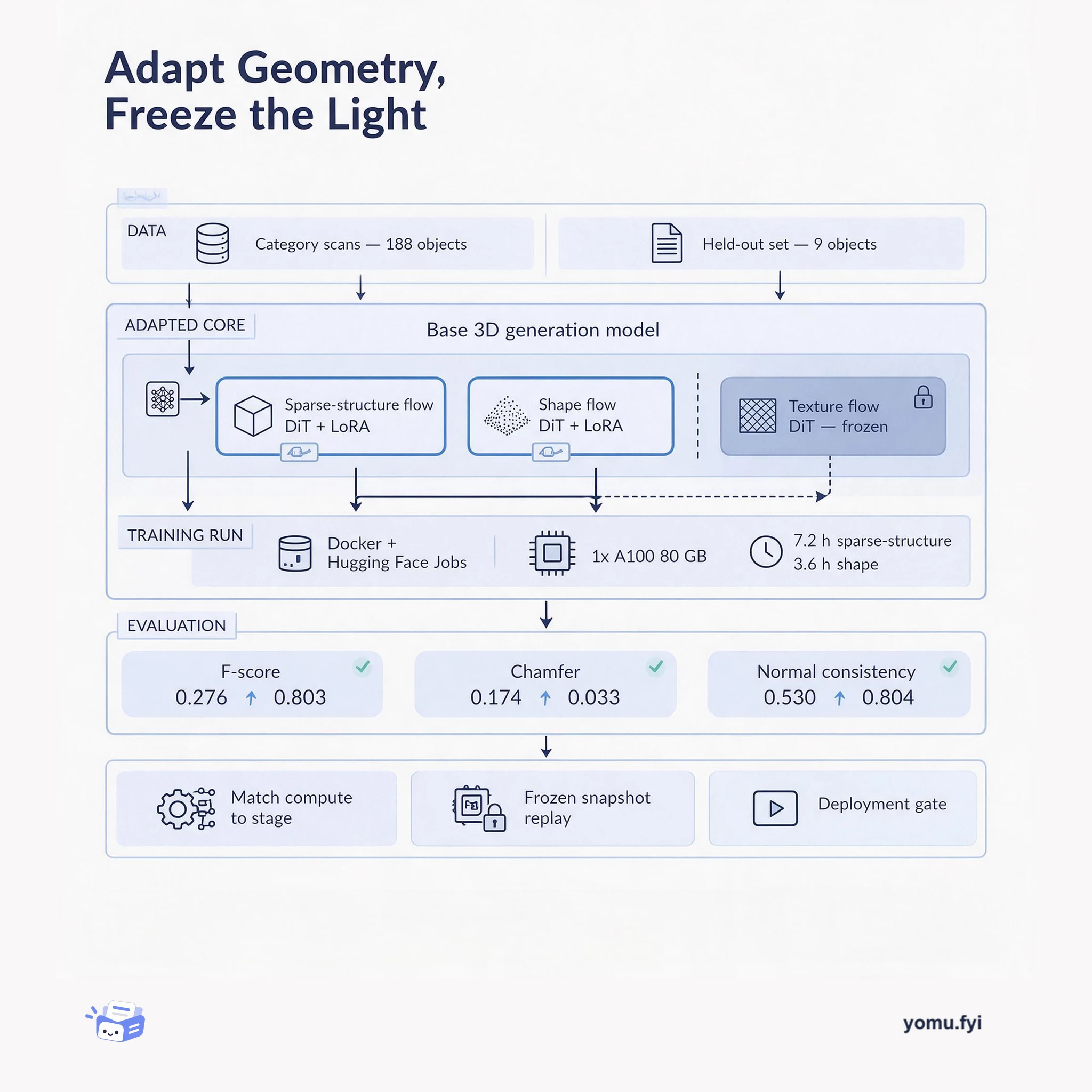
A layered architecture view of fine-tuning a 3D generation model: which flow DiT branches get LoRA adapters, which stay frozen, and how data, compute, and evaluation wrap the adapted core.
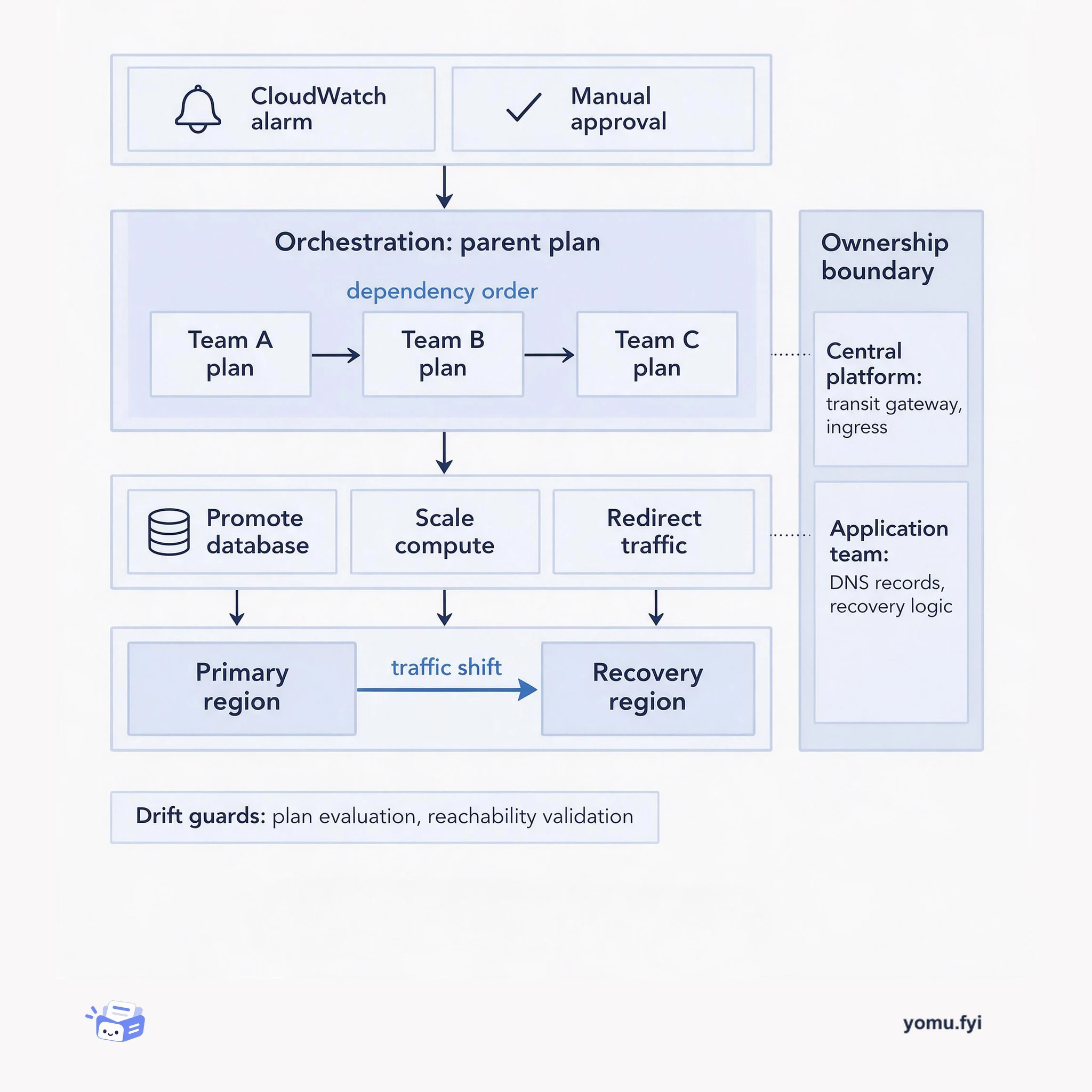
ARC Region Switch is a managed failover orchestrator that runs team-owned plans in dependency order. This diagram maps its trigger, orchestration, execution, and region layers and the ownership boundary.
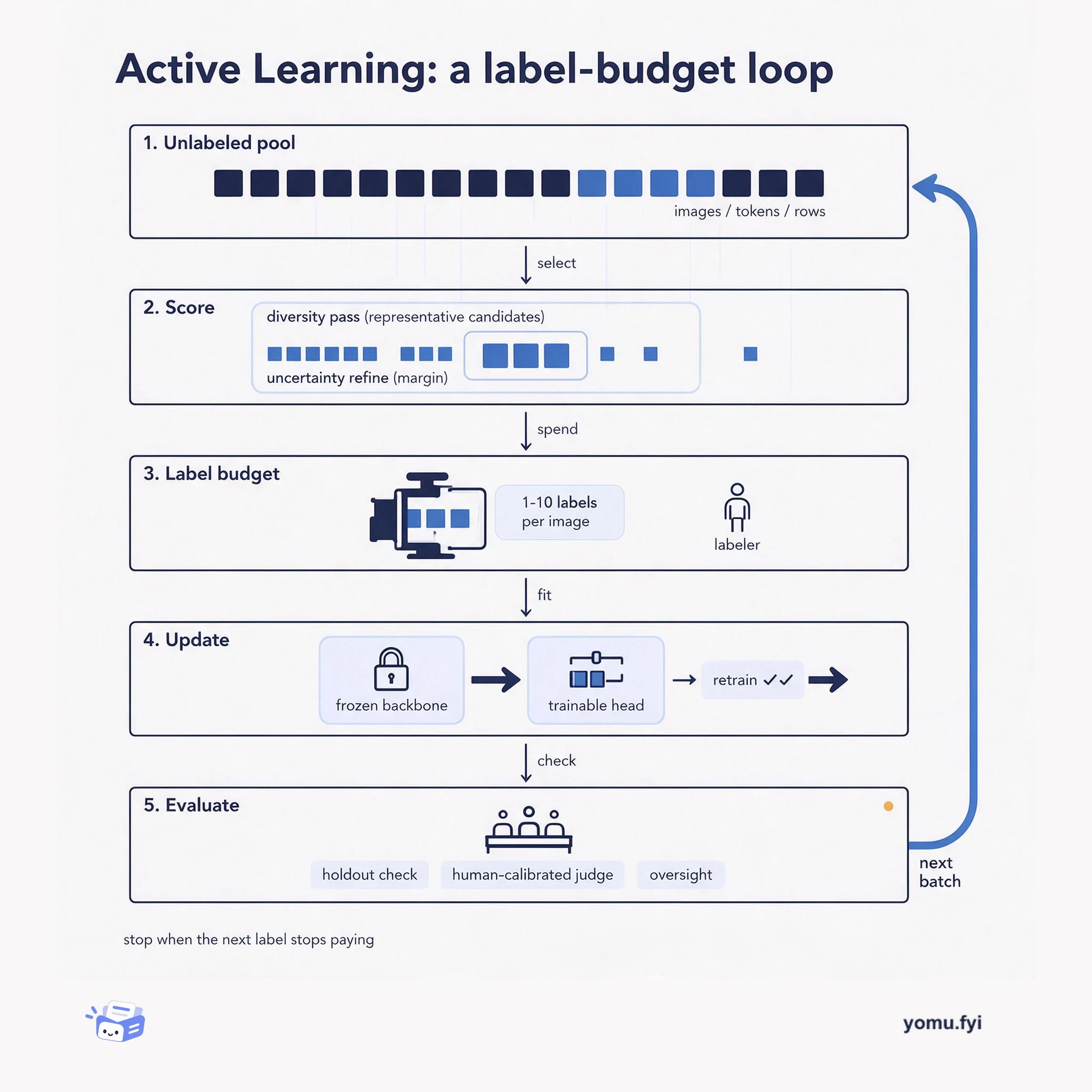
Active learning is a loop that spends a fixed labeling budget on the samples most worth annotating. This diagram maps its stages — pool, score, label, train, evaluate — and the return path that closes the cycle.
The Good Stuff
Paid picks we use ourselves. Links carry a referral code — a subscription through one earns us a commission at no extra cost to you.