Cekura Eval Loop: Fast Prompt Iteration, Imagined Failures
Cekura generates simulated caller scenarios to test voice-agent prompts, so failures surface before real calls. The trade-off: fast, repeatable iteration covers only the failures you thought to script.
Cekura runs voice AI agent prompts through automated evaluation: it defines metrics, generates test conversations with realistic caller behavior such as interruptions and topic changes, runs a baseline, and reports where the prompt breaks. The diagram follows that loop, then frames its trade-off in three panels: cheap, repeatable runs with no live callers at risk; coverage limited to failures you imagined; and the condition that decides when to add recorded production traffic or a broader search over prompt variants.
FAQ
Why generate test conversations instead of replaying real ones?
Generated callers can be scripted with interruptions, topic changes, and unexpected requests, so every baseline run is repeatable and no live caller is exposed. Recorded traffic catches behaviors you never thought to script, but it is noisier and slower to turn into a clean pass/fail signal. Most teams start with generated scenarios and add replays once the suite stops finding new failures.
How much does one prompt revision actually move the pass rate?
In the Twilio Conversation Relay walkthrough, fixing a fee-waiver bug lifted the pass rate from below 70% to the 90-95% target in a single refinement. That is the argument for re-running the whole suite after every prompt edit instead of spot-checking one conversation, because one gap in the prompt can suppress many scenarios at once.
When should I stop editing the prompt and change the harness?
A passing suite goes stale, so re-run it whenever the model, tools, or traffic mix changes; the TensorRT tuner post makes the same point about re-tuning after any change to the model, hardware, or software stack. If repeated prompt edits stop moving the pass rate, the harness is the bottleneck: add replayed traffic or grade the final state instead of the agent's claim.
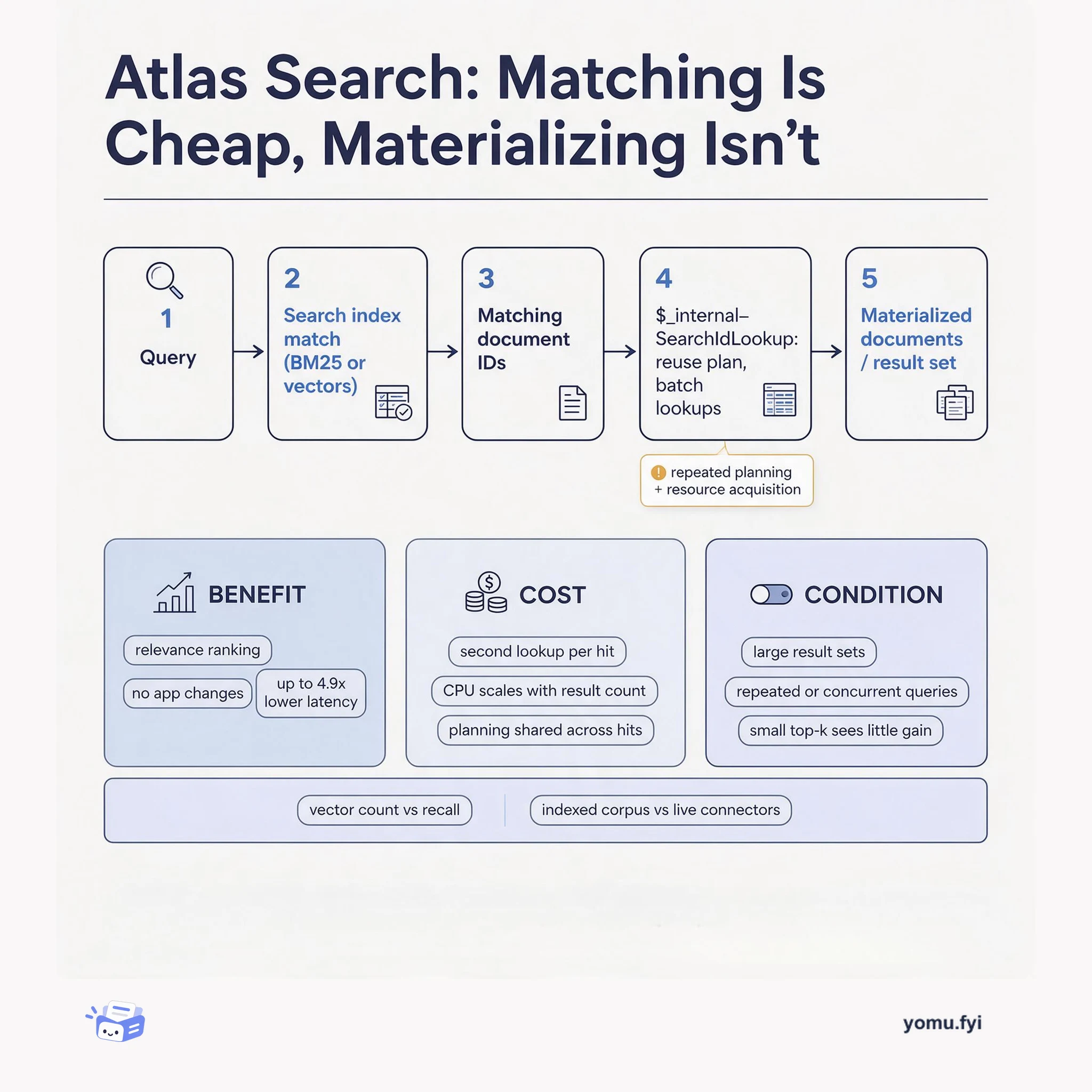
Atlas Search finds matching document IDs fast, but materializing each hit from the collection is where the latency and CPU go. This trade-off map shows the benefit, the cost, and the condition for accepting that second phase.
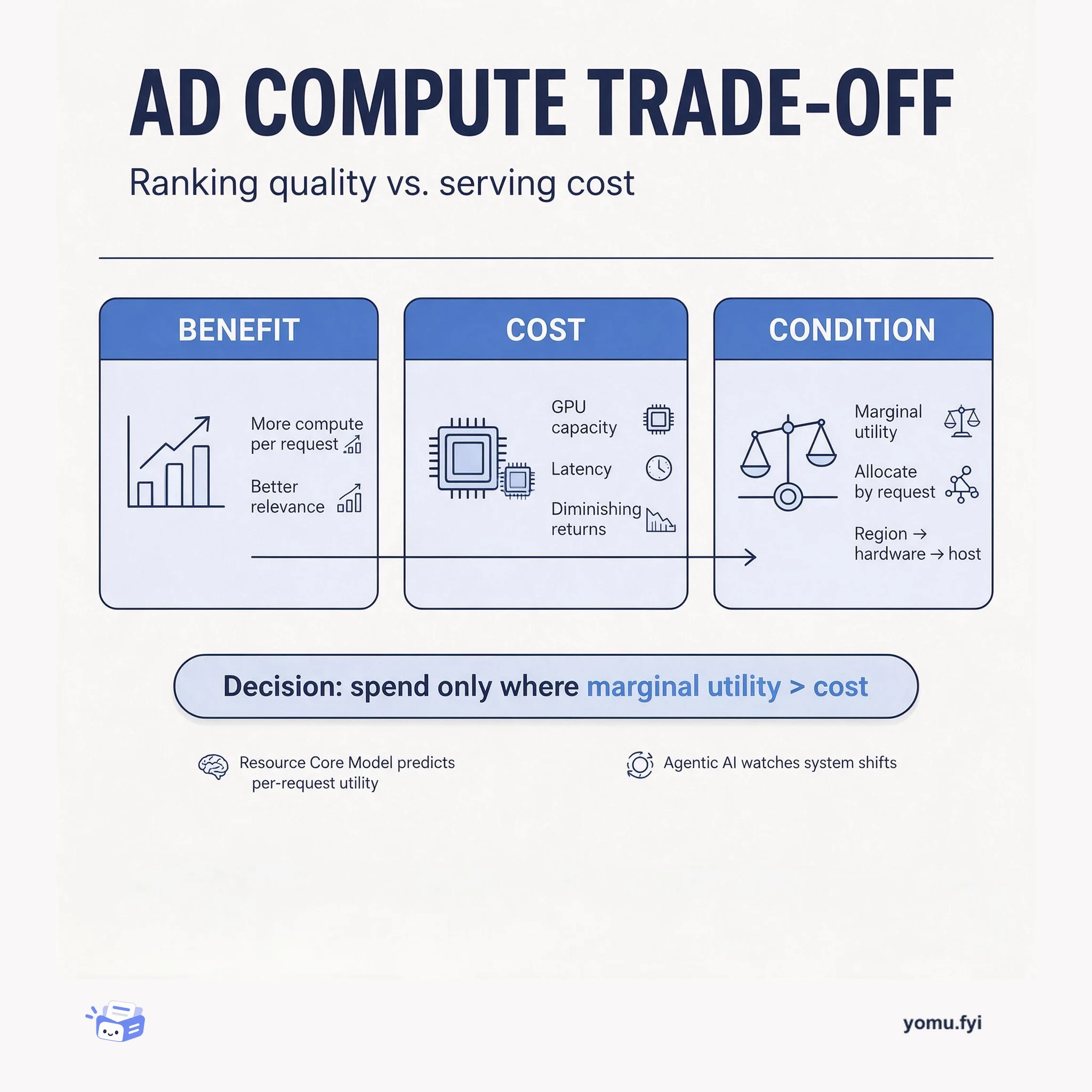
Ad ranking is a compute trade-off: more resources per request can improve relevance, but GPU capacity and latency are finite. Learn how to allocate by marginal utility instead of uniformly.
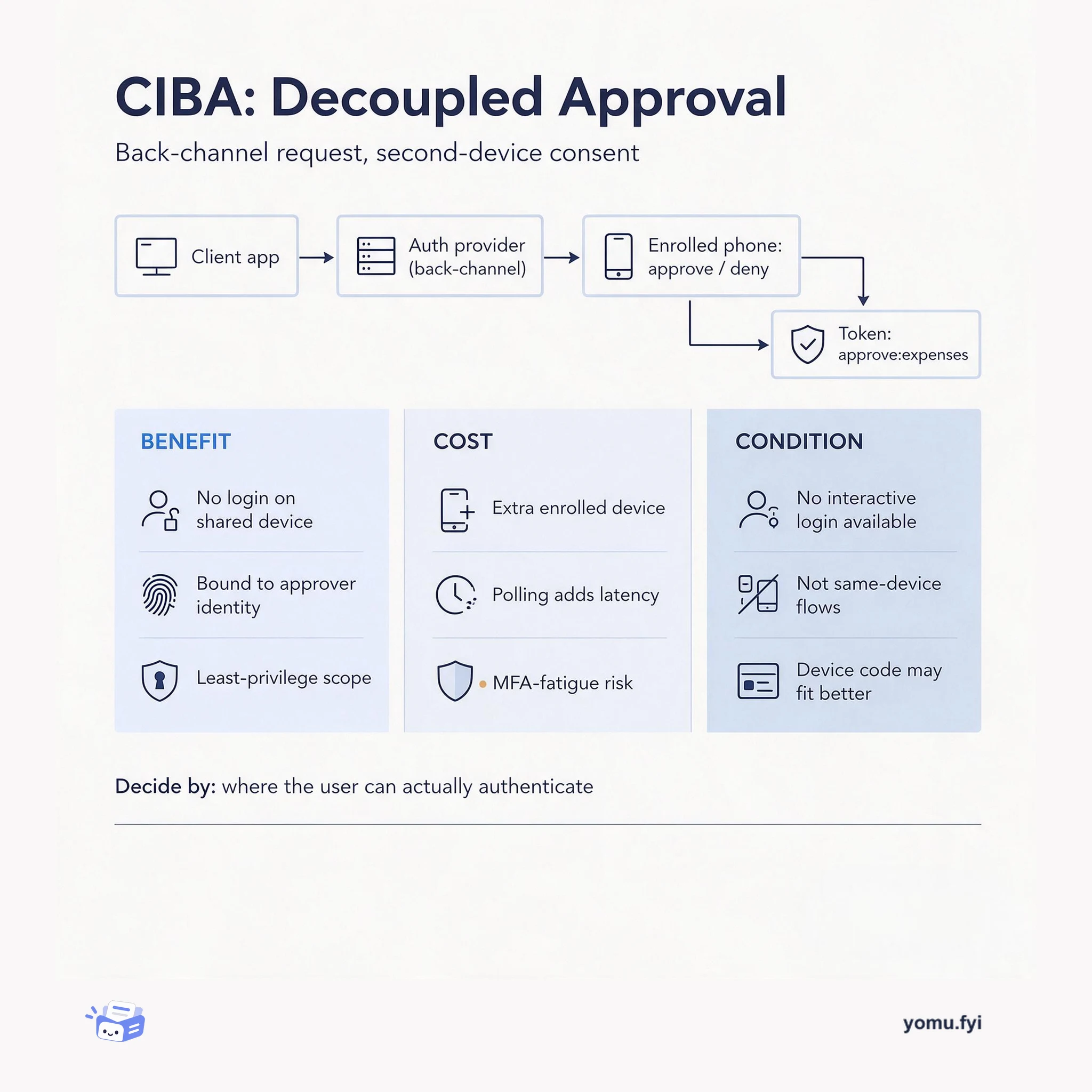
CIBA moves authentication off the device in use: the client sends a back-channel request and the user approves on an enrolled phone. See what that buys and what it costs.
The Good Stuff
Paid picks we use ourselves. Links carry a referral code — a subscription through one earns us a commission at no extra cost to you.