Four Checkpoints for CDC: From Write-Ahead Log to Queryable Copy
Change data capture turns a database's write-ahead log into a continuously updated copy for analytics. This four-checkpoint walk-through shows how to wire it without stalling the primary.
Change data capture reads the log a database already writes and turns it into a continuously updated second copy. A practical path has four checkpoints: capture from the physical write-ahead log, move through a managed replication pipeline, reshape on arrival with incremental materialized views, and protect the source while reconciling schema and index mismatches. Done well it collapses an OLTP/OLAP split without adding a second write path: Fountain cut analytics latency from three hours to under two minutes while continuously replicating billions of CDC rows. The same mechanism also runs in reverse, syncing curated tables back into a serving database for low-latency reads.
FAQ
Should I capture CDC from the write-ahead log or by polling tables for changes?
Log-based capture reads what the database already writes, so it adds no query load to the source. In ClickHouse's Open House demo, WalShadow replicated Postgres into ClickHouse from the physical WAL with sub-second latency and stayed under 400 ms behind during a simulated market of 50,000 trades per second.
Where does CDC latency actually come from?
It comes from the capture and delivery mechanism, not just the destination. In the same demo, a fraud burst was detected in under 500 ms through the physical-WAL engine but took over 15 seconds through the managed ClickPipes path, so measure your specific pipeline against your freshness target before committing to it.
What breaks when you turn CDC on against a production Postgres?
Schema and index differences surface during replication: Shipsidekick hit a partial unique index conflict on its ClickPipes migration and resolved it by dropping and recreating the index. They also put timeouts on a read-only role so analytical and agent queries could not degrade primary performance.
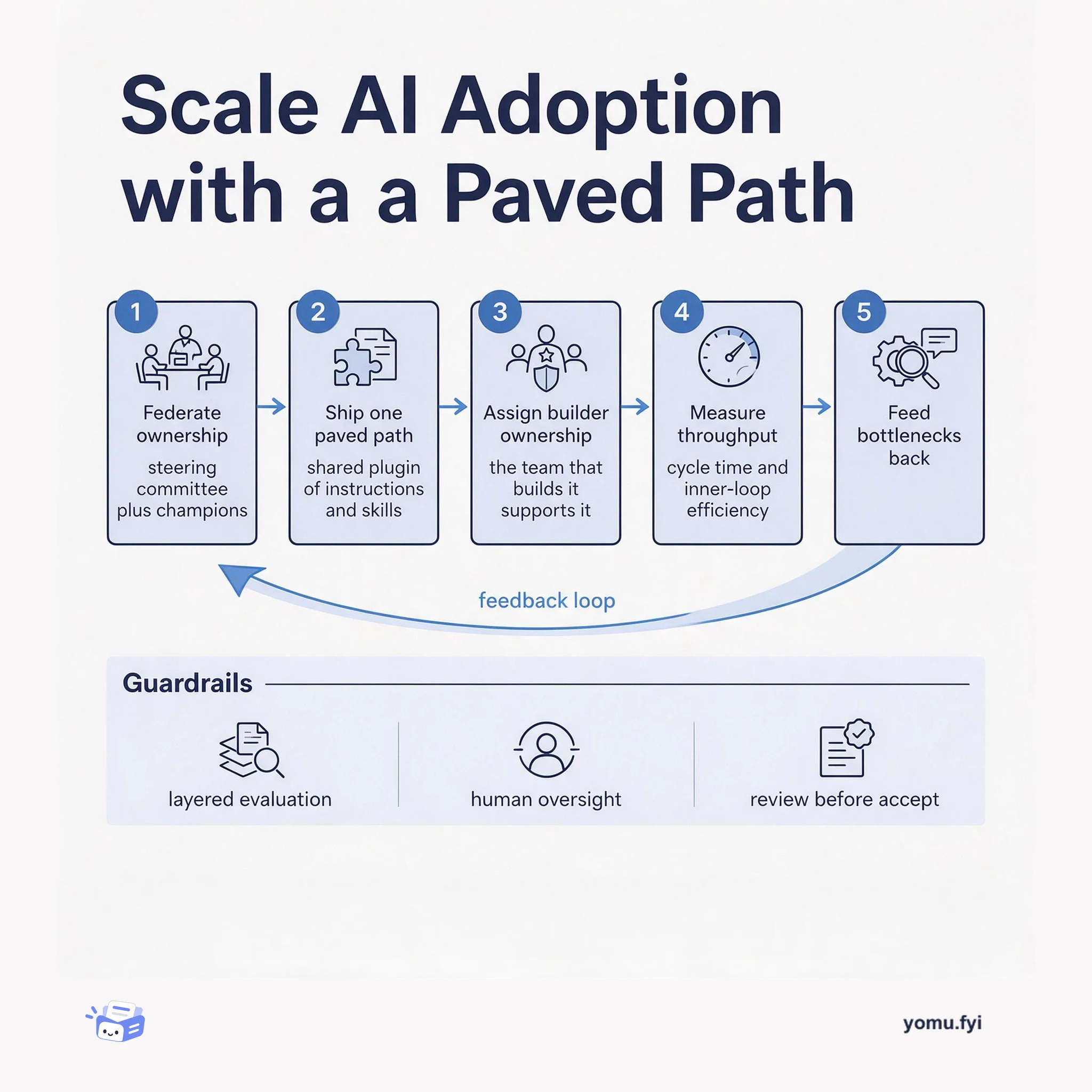
A five-step how-to for scaling AI adoption across engineering teams: federate ownership, ship one shared paved path, let builders own their tools, measure throughput, and feed bottlenecks back into the path.
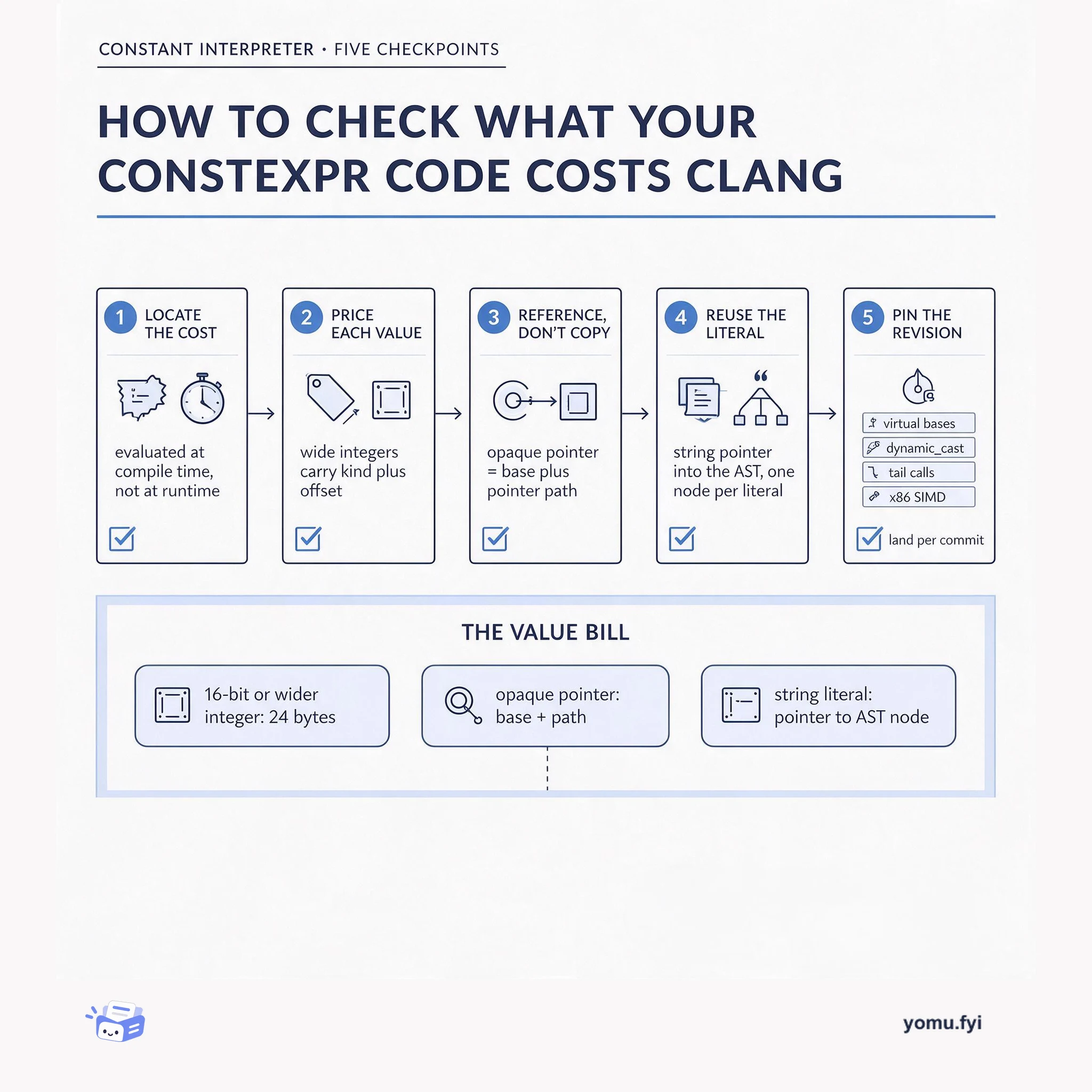
Clang's constant interpreter evaluates constant expressions at compile time, so the bill lands on your build, not your binary. This five-checkpoint guide shows where that memory goes and how to keep it small.
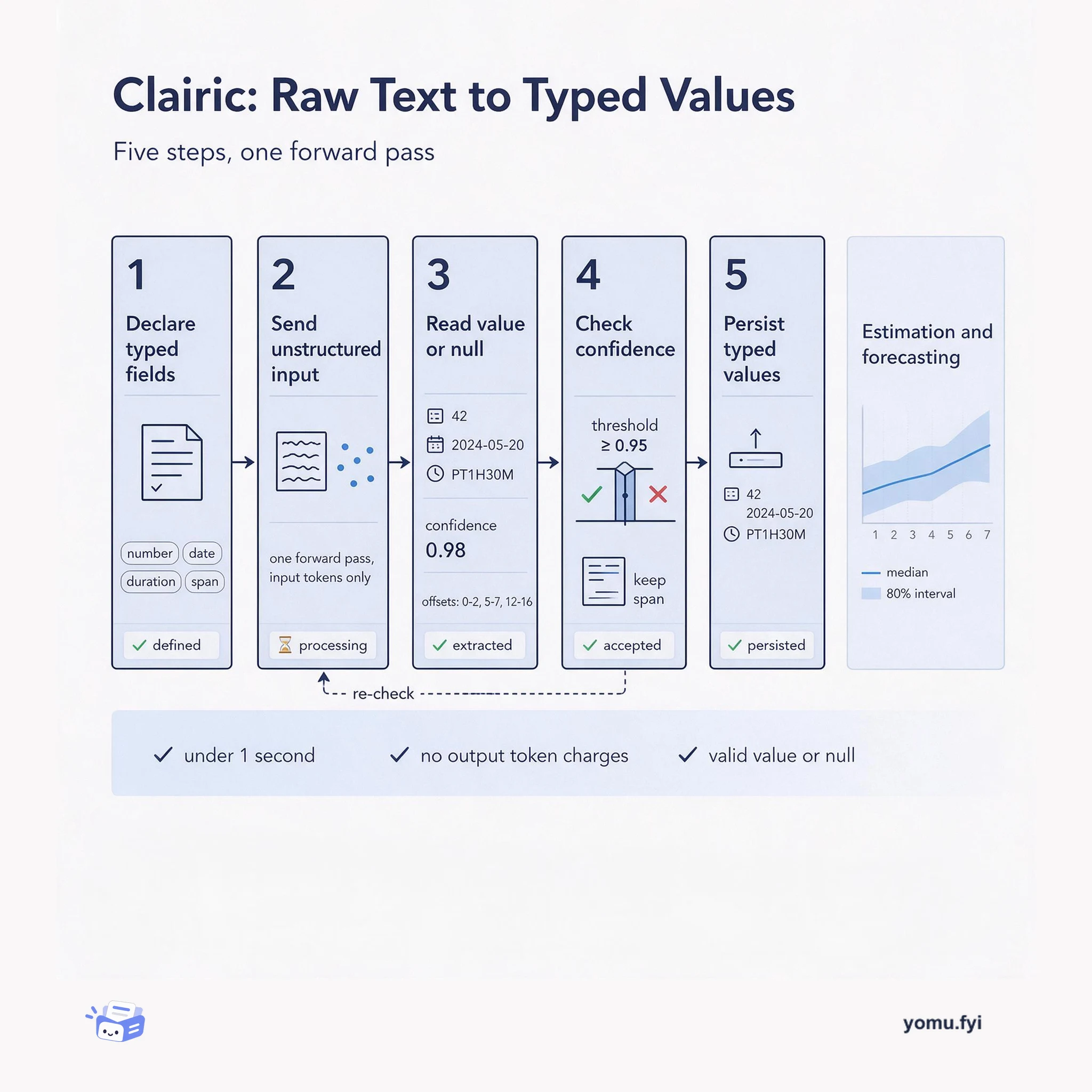
Clairic is a System One extraction model that turns unstructured input into typed values in a single forward pass. This five-step flow shows how to declare fields, call it, and use the results.
The Good Stuff
Paid picks we use ourselves. Links carry a referral code — a subscription through one earns us a commission at no extra cost to you.