How to Check What Your constexpr Code Costs Clang's Interpreter
Clang's constant interpreter evaluates constant expressions at compile time, so the bill lands on your build, not your binary. This five-checkpoint guide shows where that memory goes and how to keep it small.
Clang's experimental bytecode interpreter evaluates constant expressions before code generation, so constexpr work is paid for in compiler memory rather than in the shipped binary. The cost comes from value representation: integers of 16 bits or more need 24 bytes for a kind field and an offset, opaque pointers hold a base plus a pointer path, and string literals are referenced from the AST so repeat evaluations are not stored twice. Five checkpoints show how to keep that bill small: find the compile-time cost, price each value, reference instead of copy, reuse repeated literals, and pin the compiler revision you depend on.
FAQ
When does Clang's constant interpreter actually run, and what does it cost me?
It runs during constant expression evaluation, before code generation, so the cost appears as compiler time and memory rather than in the shipped binary. That means constexpr-heavy headers can slow builds and grow the compiler's footprint even when the generated code looks identical. Treat it as a build-time budget rather than free work.
Why do 16-bit and larger integers take 24 bytes inside the interpreter?
Integers of 16 bits or more need a kind field and an offset, which is how pointer-to-integer casts in constant expressions get handled correctly. That encoding lands at 24 bytes per value, so wide-integer-heavy constant expressions are measurably more expensive to evaluate. It is one concrete reason large constexpr tables get costly to compile.
Do I need a specific Clang revision to rely on this interpreter?
Feature support is per-revision: over 640 commits in a year added virtual bases, improved dynamic_cast handling, Python-style tail-call optimization and more x86 SIMD intrinsics. Pin and test the revision you actually build with instead of assuming a construct works, the same discipline you apply to any analysis tool whose results change by version.
A five-step how-to for scaling AI adoption across engineering teams: federate ownership, ship one shared paved path, let builders own their tools, measure throughput, and feed bottlenecks back into the path.
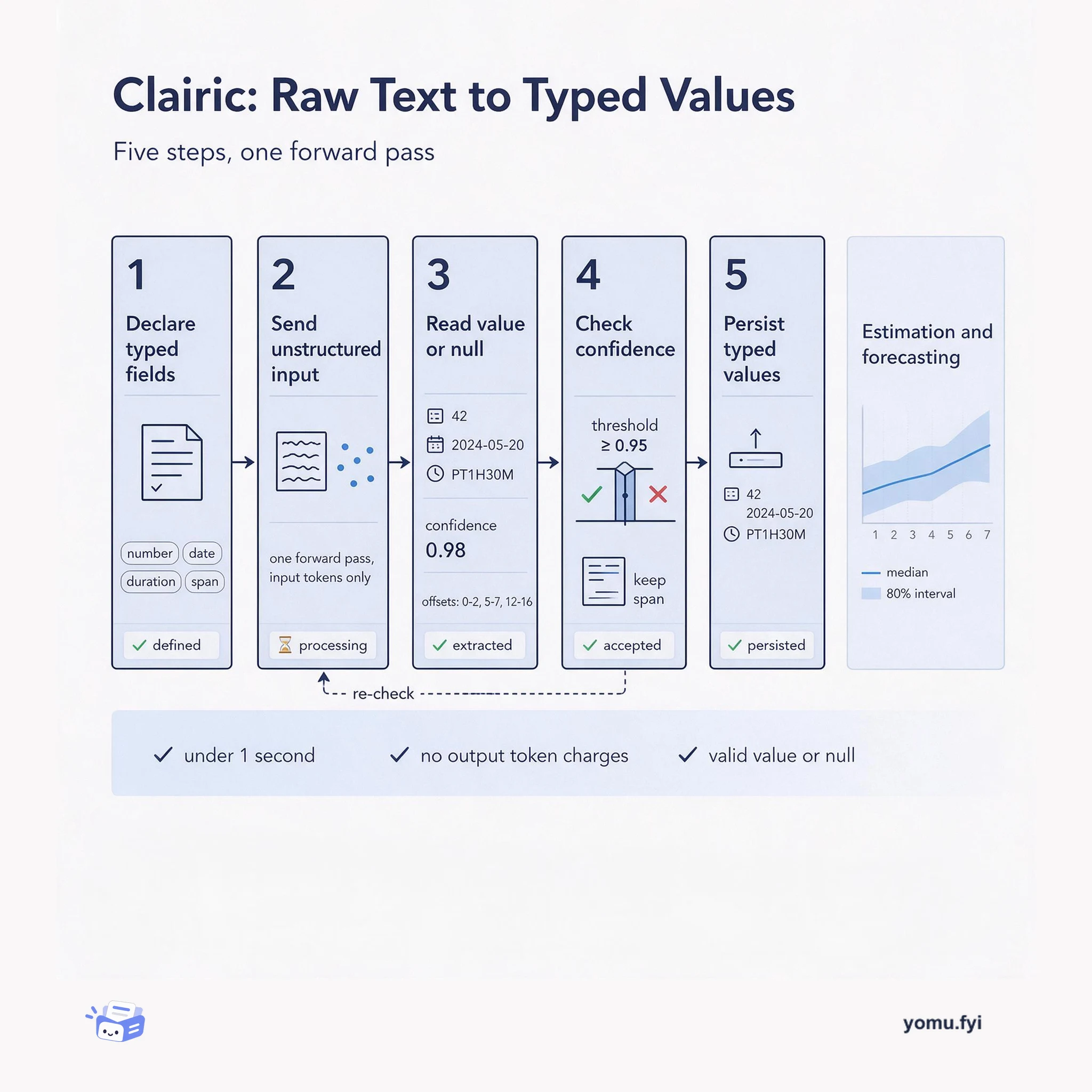
Clairic is a System One extraction model that turns unstructured input into typed values in a single forward pass. This five-step flow shows how to declare fields, call it, and use the results.
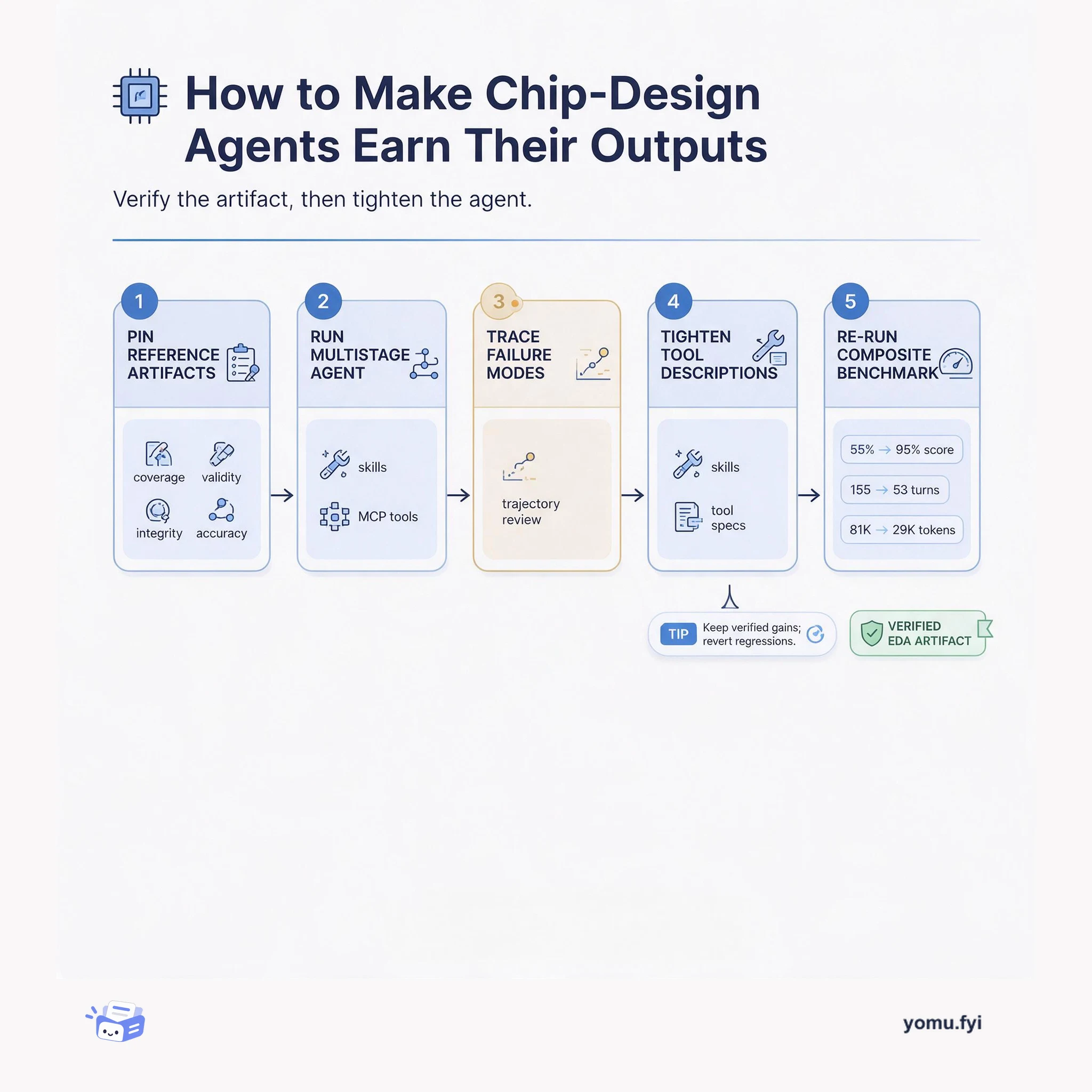
A five-checkpoint loop for chip-design teams: pin reference artifacts, trace multistage agent runs, refine tool descriptions, and re-run a composite benchmark so outputs are verified, not merely plausible.
The Good Stuff
Paid picks we use ourselves. Links carry a referral code — a subscription through one earns us a commission at no extra cost to you.