How to Scale AI Adoption with a Federated Paved Path
A five-step how-to for scaling AI adoption across engineering teams: federate ownership, ship one shared paved path, let builders own their tools, measure throughput, and feed bottlenecks back into the path.
AI adoption stalls when every team experiments alone, rebuilding the same prompts and duplicating effort. This explainer lays out a federated paved-path model: a steering committee sets direction, champions spread practice, and one shared plugin distributes instructions and skills across dozens of teams. Each capability is owned by the team that built it, and metrics connect emerging bottlenecks back to available tools. It also covers the guardrails that keep speed safe, including layered evaluation where different models review each other's work, human oversight, and the habit of reviewing agent output before accepting it.
FAQ
Why federate AI adoption instead of mandating one tool from the top?
A single mandate rarely survives contact with 70-80 scrum teams that each have different delivery commitments. The federated model keeps a steering committee and champions for direction, but lets teams contribute capabilities by solving their own pain points, with ownership assigned to the building team for end-to-end delivery and support.
How do you keep AI-generated changes trustworthy as adoption scales?
Layer the evaluation rather than trusting one model to grade itself. Salesforce's Agentforce team used an agent-as-a-judge setup with different models reviewing work from different perspectives, plus human oversight, to avoid self-preference bias. Developer surveys point the same way: most Go developers using coding agents weekly still review AI-generated code before accepting it.
Which metrics show AI adoption is actually working?
Track throughput, inner-loop efficiency, and cycle time rather than counting seats or prompts. In the Salesforce rollout, adoption approached 100% within three months alongside a 26% throughput gain, 32% better inner-loop efficiency, and cycle time cut from 22 days to 11 days. The feedback loop then converts new bottlenecks into the next paved-path capability.
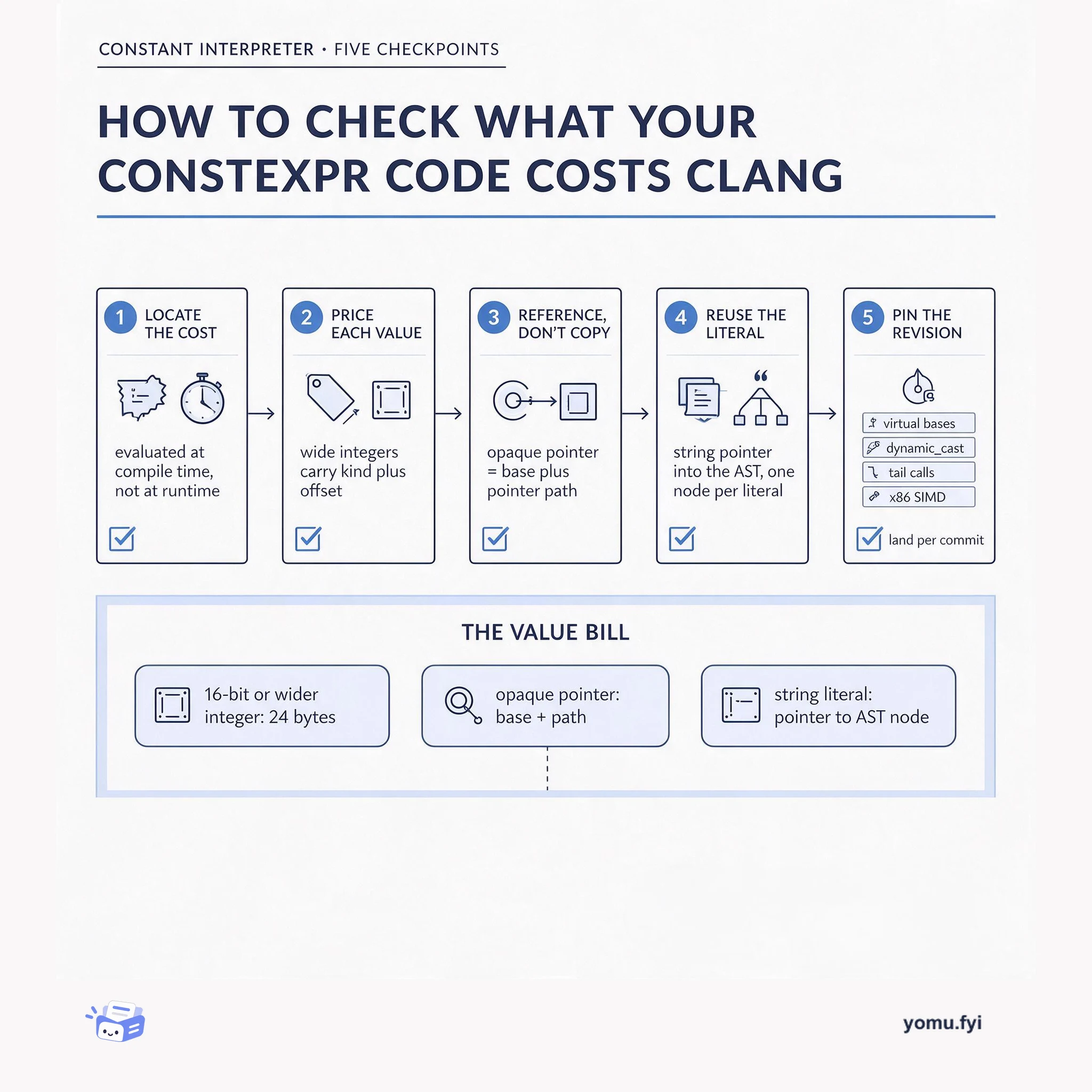
Clang's constant interpreter evaluates constant expressions at compile time, so the bill lands on your build, not your binary. This five-checkpoint guide shows where that memory goes and how to keep it small.
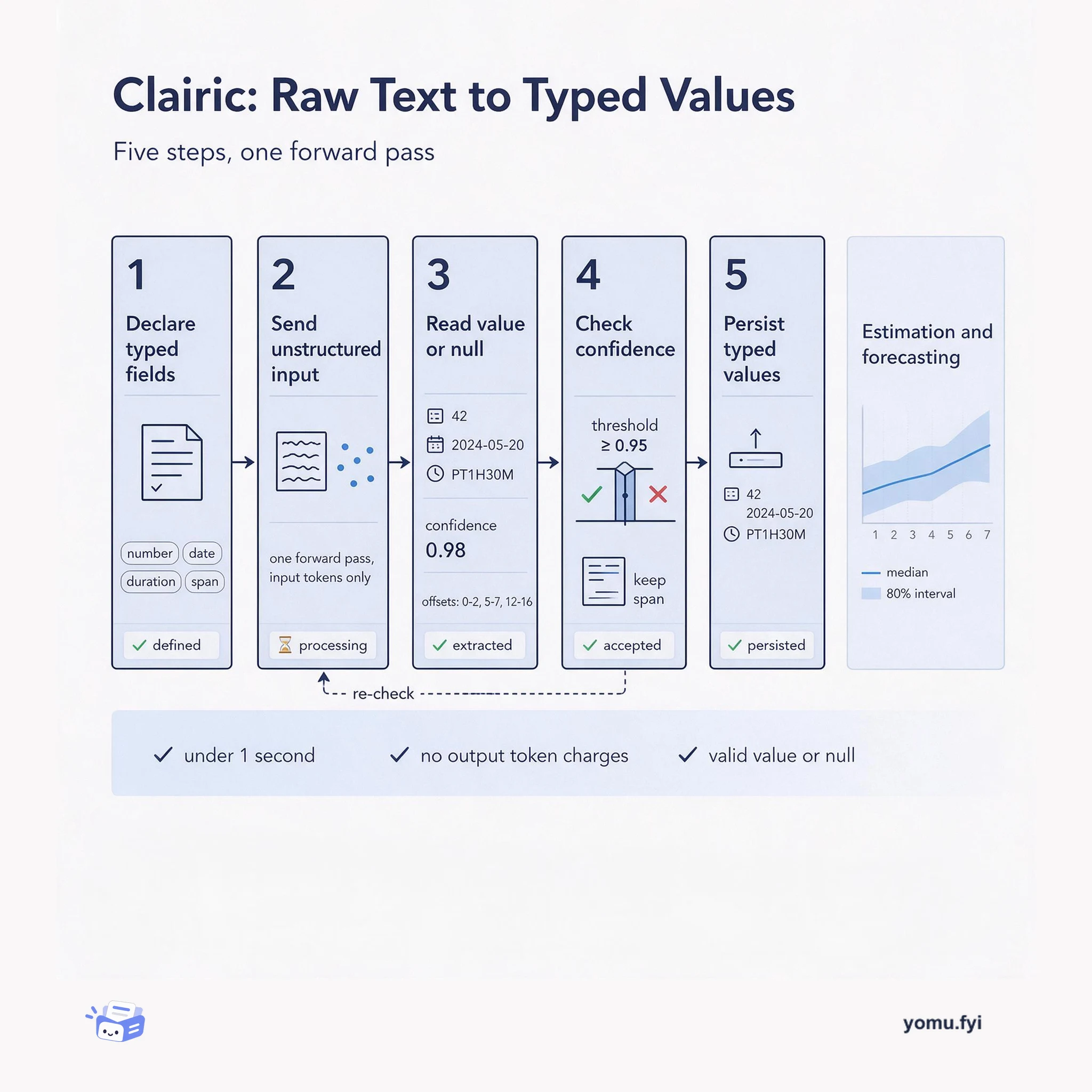
Clairic is a System One extraction model that turns unstructured input into typed values in a single forward pass. This five-step flow shows how to declare fields, call it, and use the results.
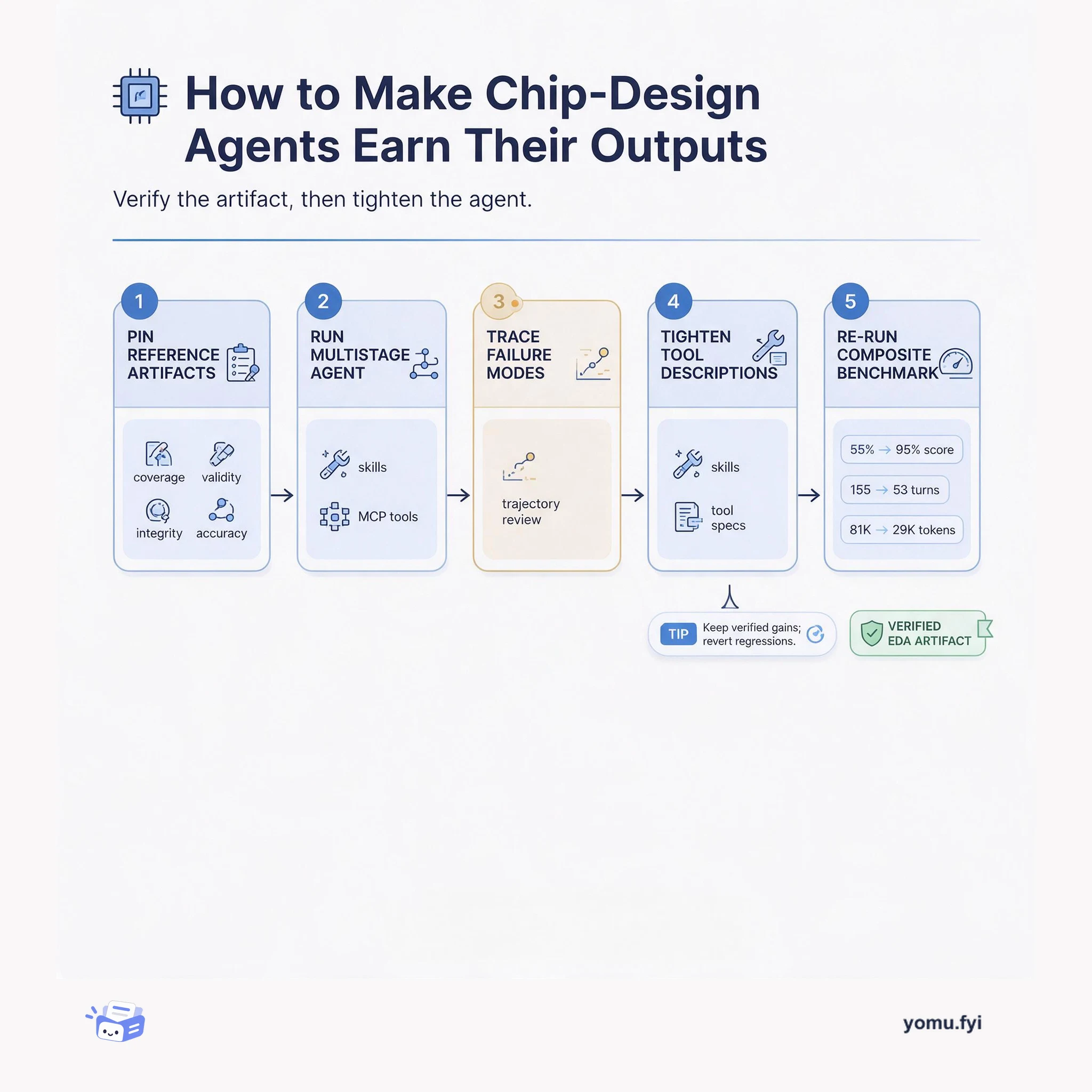
A five-checkpoint loop for chip-design teams: pin reference artifacts, trace multistage agent runs, refine tool descriptions, and re-run a composite benchmark so outputs are verified, not merely plausible.
The Good Stuff
Paid picks we use ourselves. Links carry a referral code — a subscription through one earns us a commission at no extra cost to you.