Wiring ChatGPT Into Real Systems: A Five-Checkpoint Workflow
A five-checkpoint workflow for connecting ChatGPT to live data and identity systems: ground it in real sources, keep outputs inspectable, verify, and scope access.
ChatGPT becomes far more useful when it is connected to the systems you already run rather than fed exported copies. This explainer walks a five-checkpoint path: connect a live, read-only source; ground configuration in the real tenant so generated code matches what actually exists; keep every artifact visible and editable before it ships; verify answers against human-validated content; and run the whole thing with scoped, auditable permissions. Each checkpoint is a place where the workflow can fail quietly, so the diagram marks what to confirm before moving on.
FAQ
When should I still check the answer against human-validated sources?
Treat the chat as a fast first pass, not the last word. Survey data shows developers increasingly skip the site for simple questions but still rely on human-validated content for advanced problems and for verifying AI answers, which is exactly the checkpoint where an integration earns trust.
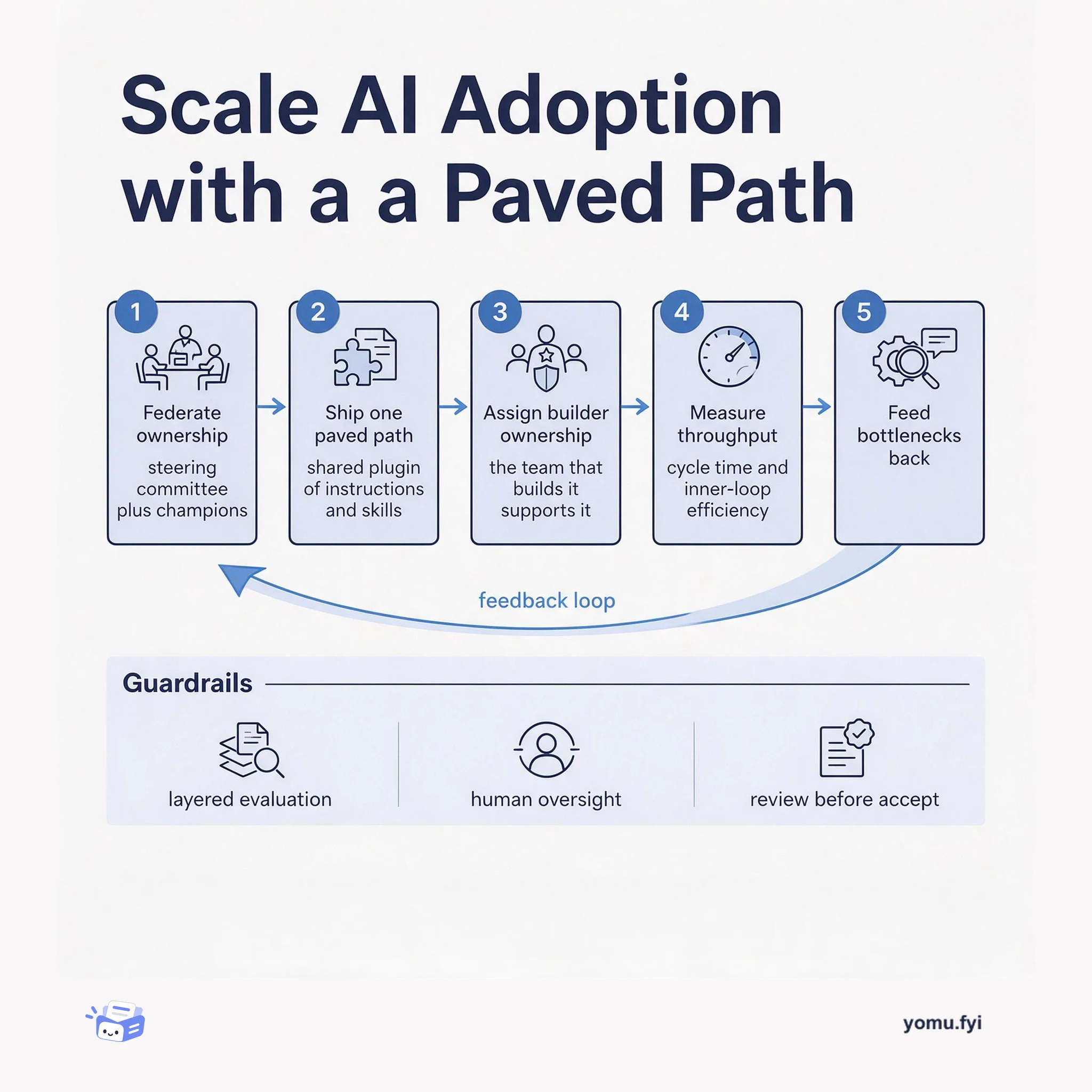
A five-step how-to for scaling AI adoption across engineering teams: federate ownership, ship one shared paved path, let builders own their tools, measure throughput, and feed bottlenecks back into the path.
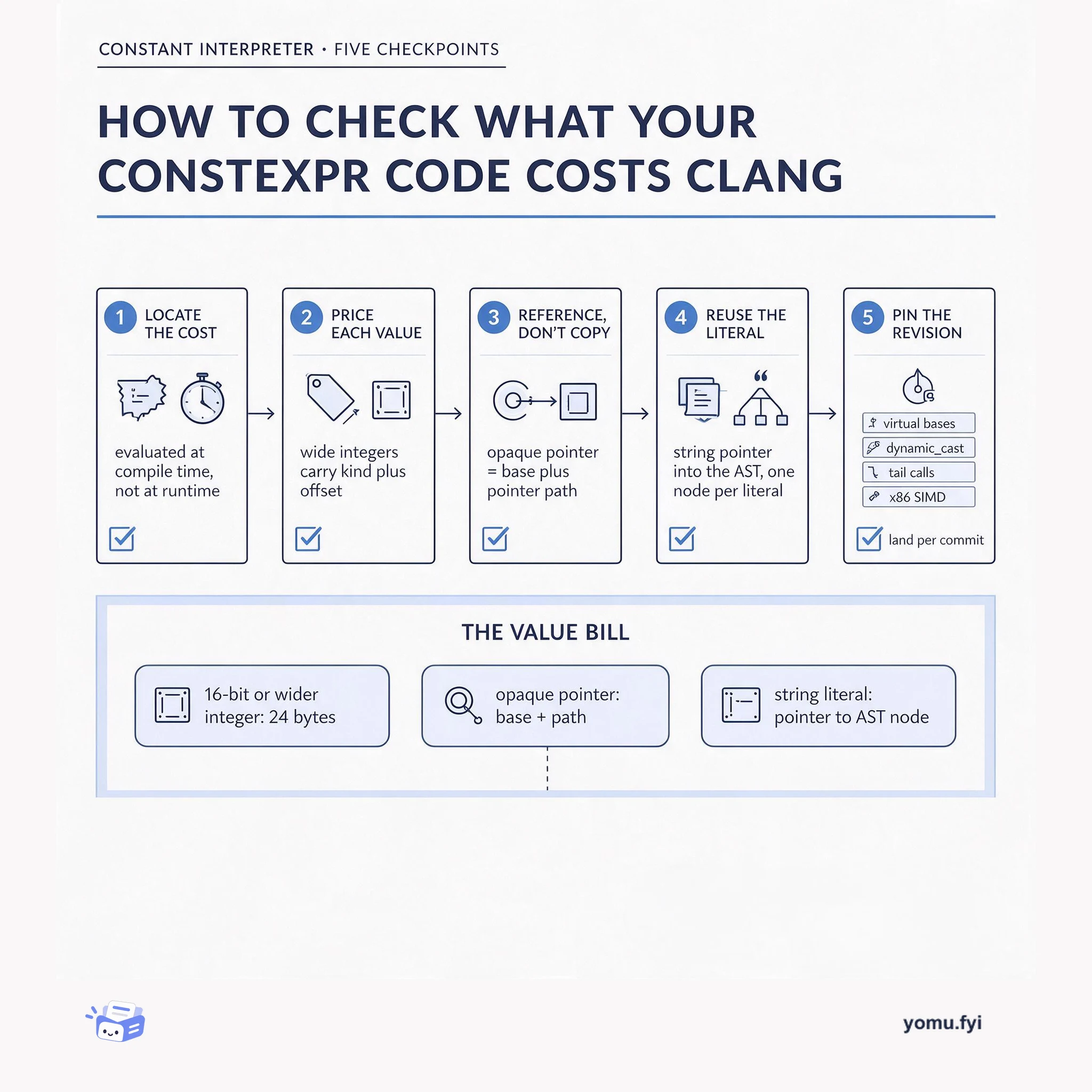
Clang's constant interpreter evaluates constant expressions at compile time, so the bill lands on your build, not your binary. This five-checkpoint guide shows where that memory goes and how to keep it small.
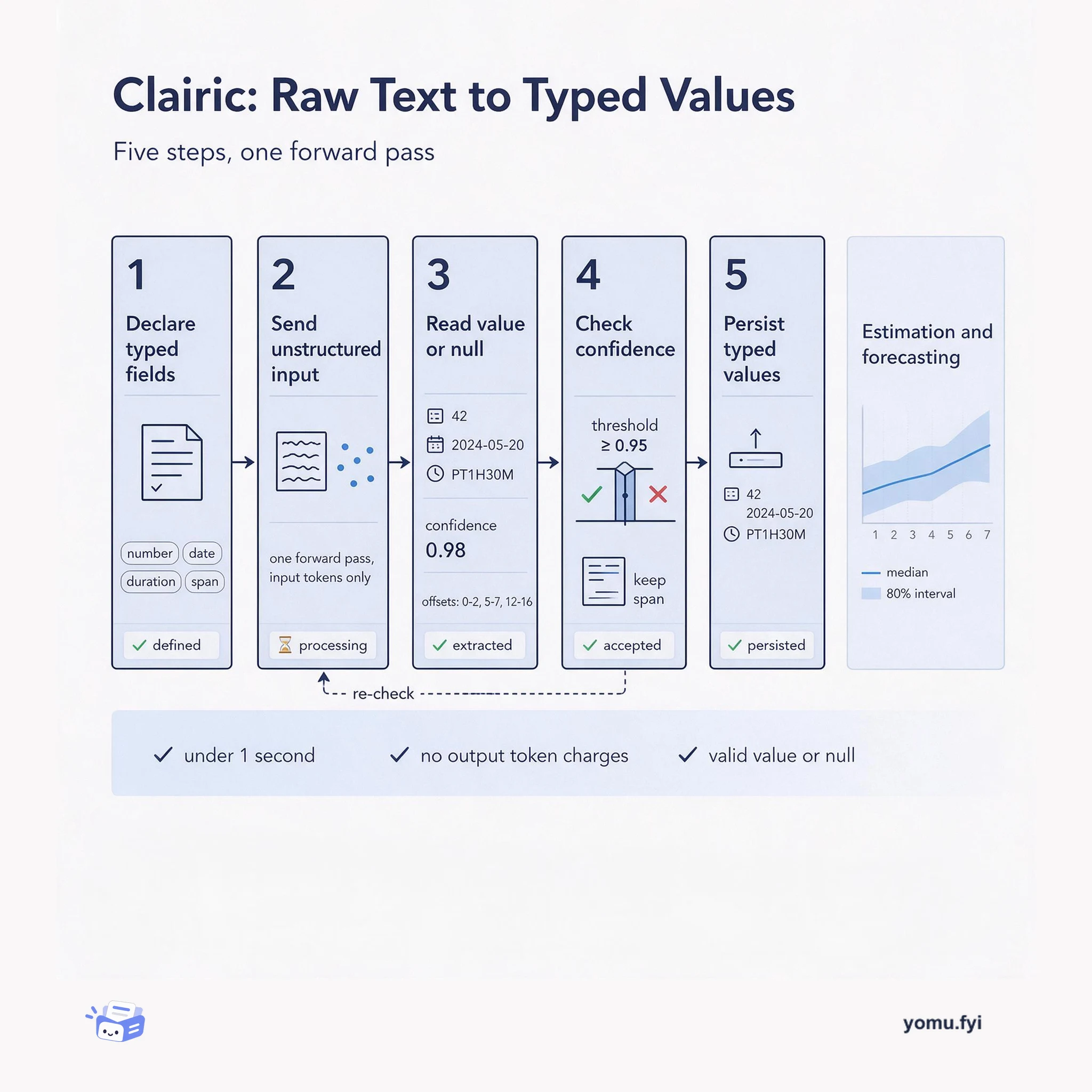
Clairic is a System One extraction model that turns unstructured input into typed values in a single forward pass. This five-step flow shows how to declare fields, call it, and use the results.
The Good Stuff
Paid picks we use ourselves. Links carry a referral code — a subscription through one earns us a commission at no extra cost to you.