AI Literacy: The Four Domains Engineers Need
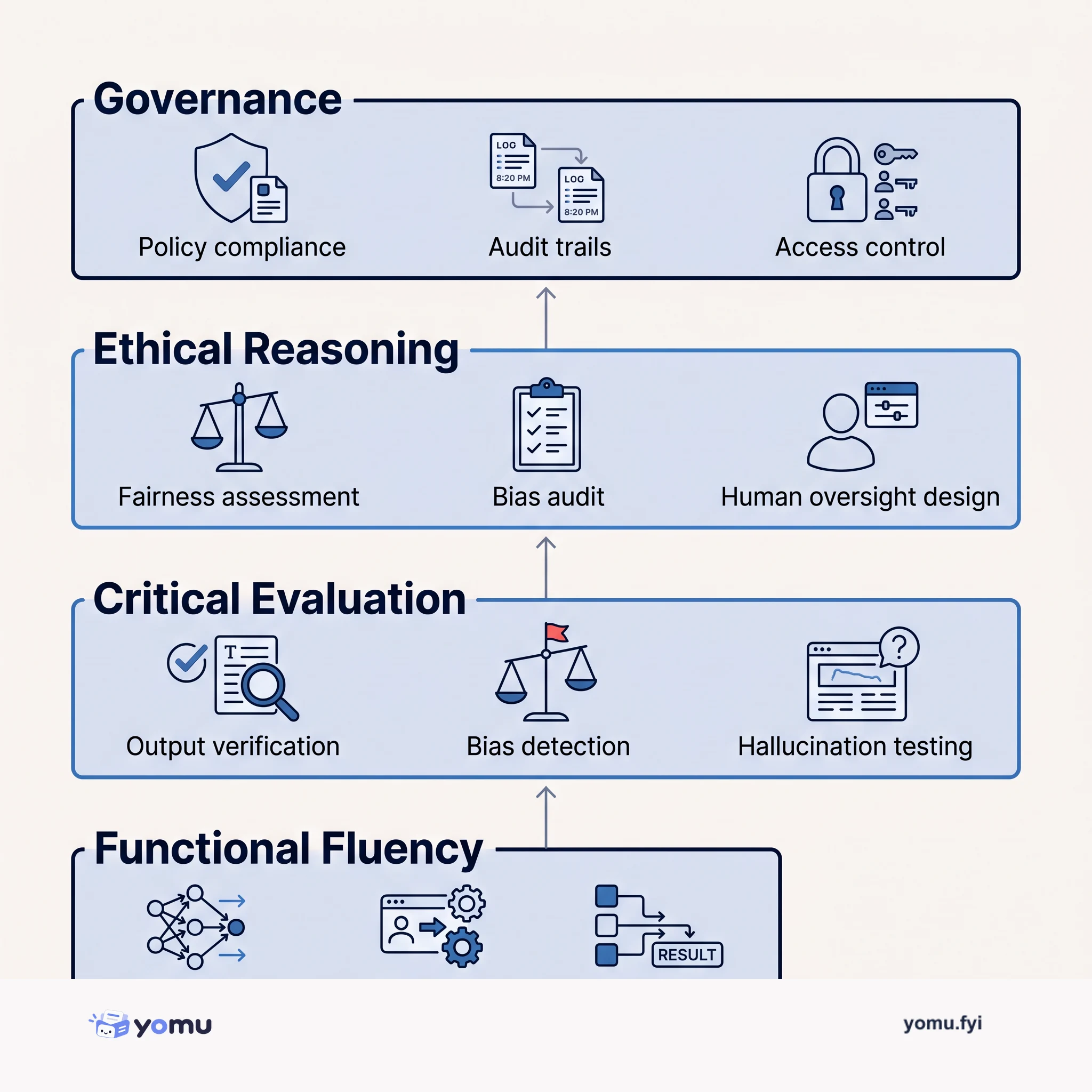
AI literacy spans functional fluency, critical evaluation, ethical reasoning, and governance. Engineers need all four to deploy AI responsibly and make sound technical decisions.
 JetbrainsRegina MuradovaExplainer
An interview with Python educator Ardit Sulce examines how beginners should learn programming as AI changes development and teaching. Sulce says AI now handles many small questions, while teachers provide curated learning paths, judgment, and context; he also argues that students should preserve productive struggle while outsourcing setup friction. He recommends evaluating understanding through code explanation, review, and debugging rather than treating working code as proof, and identifies reading unfamiliar code, debugging, and system understanding as important junior skills. His proposed three-stage path moves from writing syntax by hand in a professional IDE, to using AI as a tutor, and finally to using it as a co-worker while reviewing increasingly complex projects.
Generative AI has changed students’ expectations, reduced routine questions reaching teachers, and made working code an unreliable measure of learning. The interview addresses how beginners can distinguish struggle that builds understanding from friction that merely wastes time, and what skills remain valuable for junior developers.
Sulce proposes a three-stage learning path: write syntax by hand in a proper IDE, use AI as a tutor while building larger projects, and then use AI as a co-worker while reviewing its output. He also recommends assessing learners through explanation, code review, and debugging.
Students should struggle with concepts such as control flow, but can delegate one-time obstacles such as broken driver installations, setup errors, or outdated tutorials to AI.
Employers and educators can test understanding by asking people to explain code, review AI-generated code containing subtle defects, or debug problems face-to-face.
The recommended progression is manual syntax, AI-assisted tutoring, and AI collaboration across increasingly complex projects, shifting emphasis toward system understanding.
Summaries are generated from the original by a language model. Check the original before relying on it.
See the idea
AI literacy spans functional fluency, critical evaluation, ethical reasoning, and governance. Engineers need all four to deploy AI responsibly and make sound technical decisions.
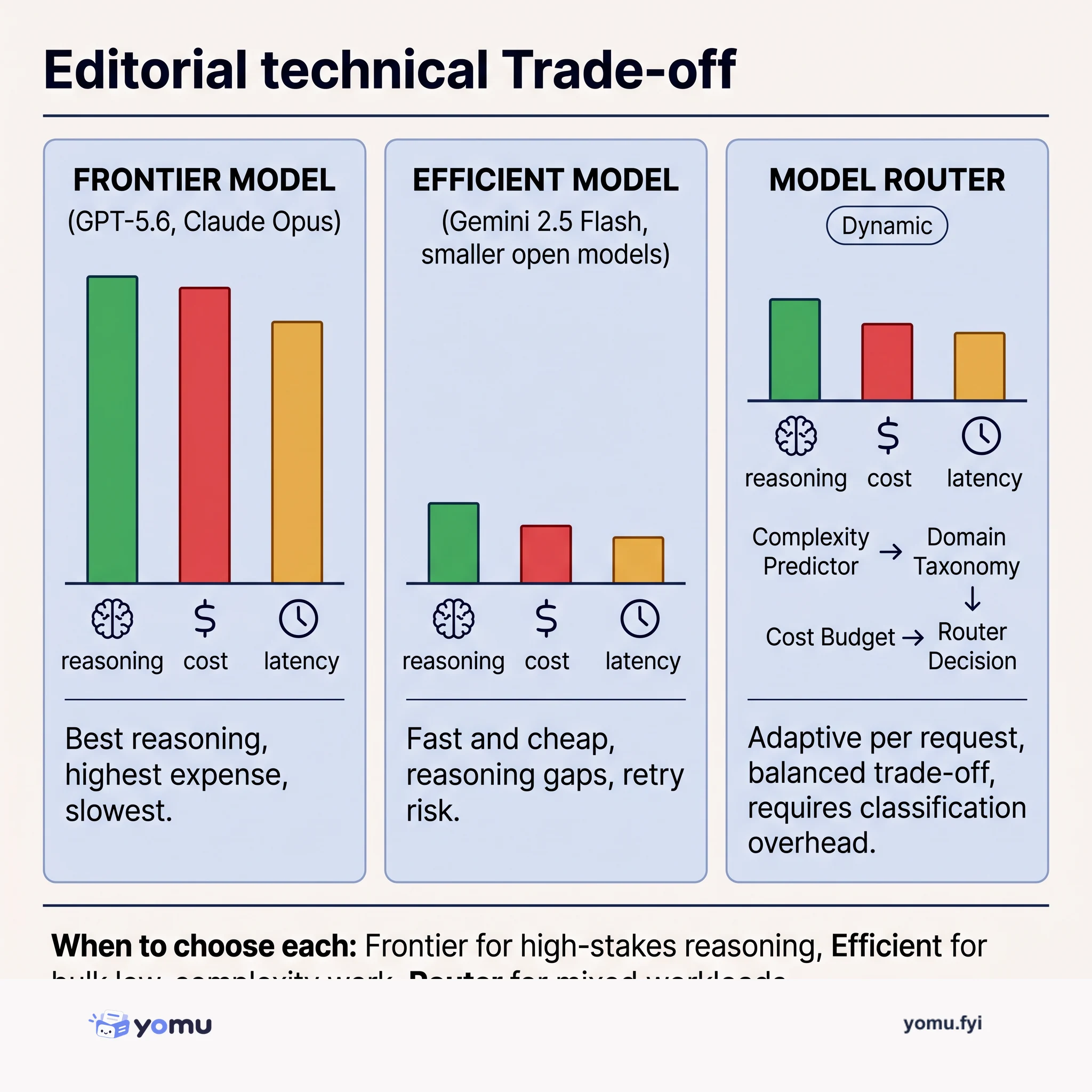
Understand how to choose between frontier models, efficient alternatives, and routing systems by weighing capability gains against token costs and latency constraints.
Keep reading
The Good Stuff
Paid picks we use ourselves. Links carry a referral code — a subscription through one earns us a commission at no extra cost to you.
One useful email. Unsubscribe anytime.