Loading…
AI Literacy
3 posts about AI Literacy. Every summary links to the original.
Building AI Literacy: Frameworks, Tools, and Practices
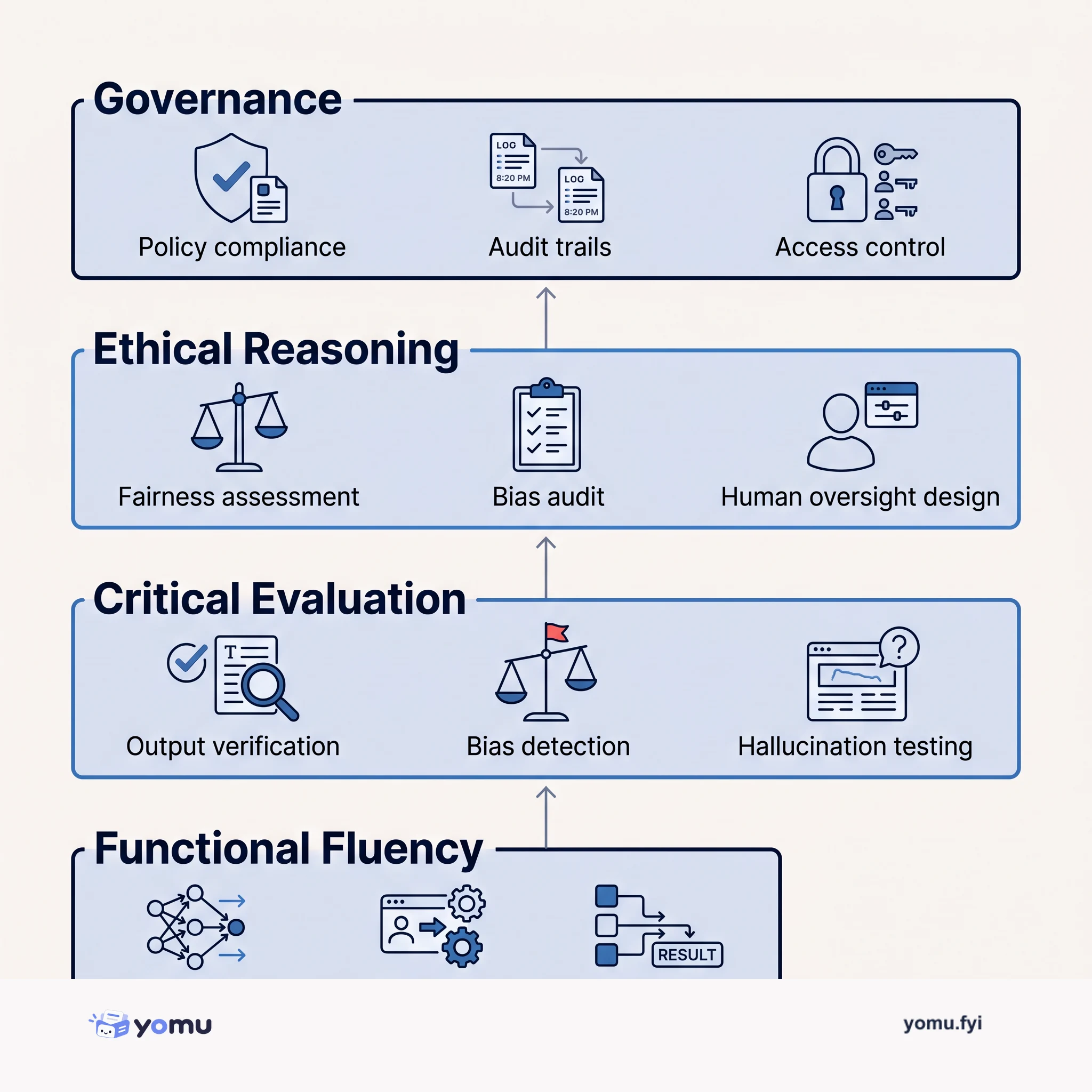
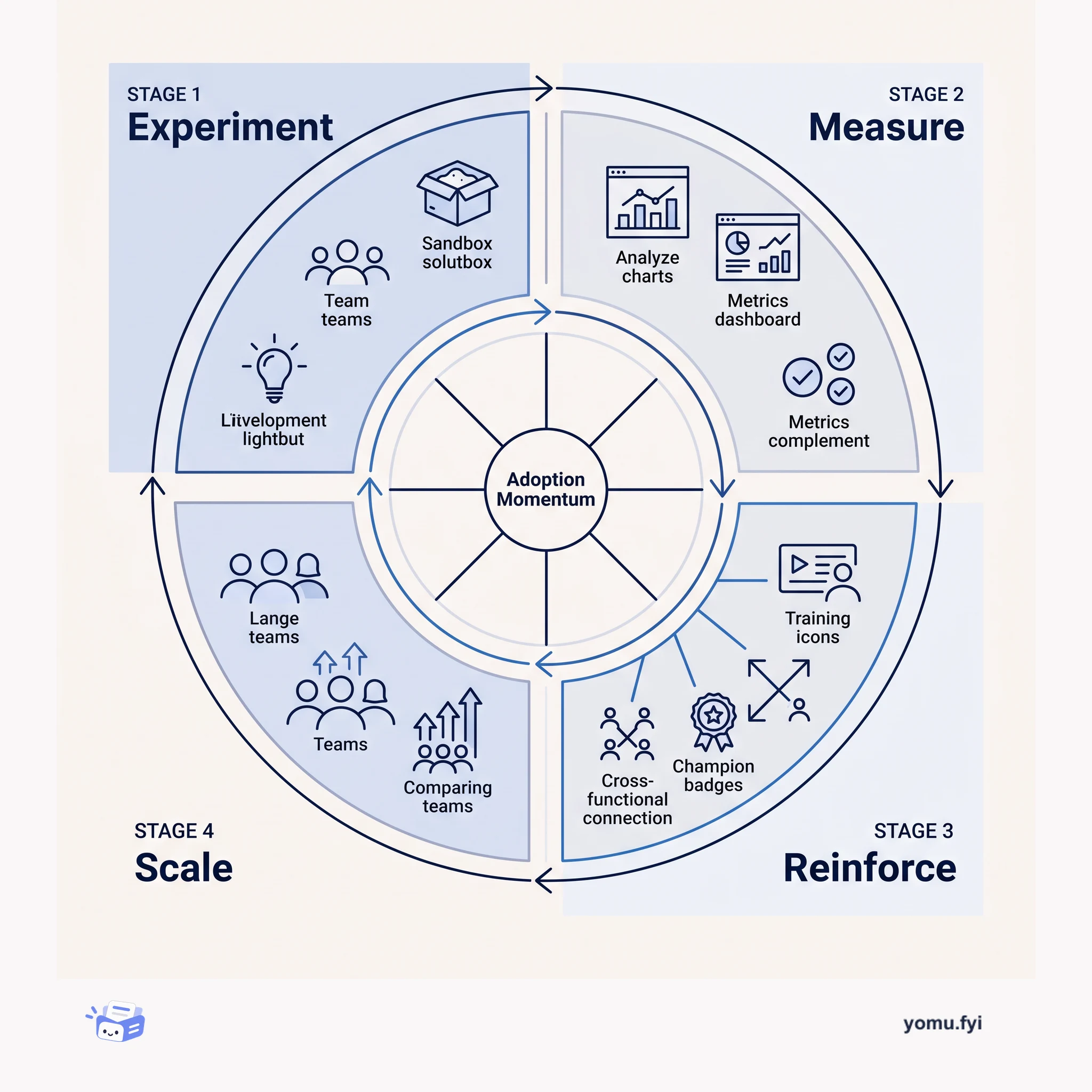
AI literacy is presented as the ability to understand how AI works, use its tools effectively, evaluate outputs critically, and recognize ethical implications. The guide organizes this fluency into functional, critical, and ethical domains, with progression from defining terms and crafting prompts to comparing tools, auditing outputs for bias, and designing human oversight. It explains that large language models generate probable continuations from statistical patterns in training data, so hallucinations and bias require verification against trusted sources rather than assuming factual correctness. For education and organizations, it recommends distributed curriculum or role-specific modules, hands-on assignments, measurable assessment checkpoints, governance policies, internal champions, iterative pilots, and longer-term impact metrics.
Databricks StaffWhat is Artificial Intelligence (AI)?
Artificial intelligence (AI) is a branch of computer science that enables machines to perform tasks associated with human intelligence, including learning, reasoning, pattern recognition and decision-making. Modern AI generally learns patterns from large datasets, tunes internal weights and parameters during training, evaluates outputs on held-out data, and applies the resulting model during inference to classify, predict, generate content or trigger actions. Most organizations fine-tune existing foundation models rather than train from scratch, while output quality remains dependent on the completeness, bias and quality of training data. The page separates reactive machines and limited memory from theoretical theory of mind and self-aware systems, and distinguishes today’s narrow AI from theoretical general AI and superintelligence. It also describes generative AI, common applications, risks including hallucinations, bias, privacy and security gaps, and governance, concluding that practical adoption depends on real problems, trusted data and responsible oversight.
Databricks StaffScaling AI Through Data Fluency
Aer Lingus is redirecting a significant share of its IT and change spending from traditional maintenance toward a Databricks-powered data foundation, addressing legacy systems that trap information in departmental silos. Dave O’Donovan says the airline spent the past 18 months prioritizing platform development, governance, data quality and data literacy rather than chasing each new AI product. Databricks was selected for a unified lakehouse architecture, with data warehousing, Genie’s plain-English querying and real-time operational data intended to broaden access beyond specialist teams. At Aer Lingus’s Operations Control Center, combining sensor and operational inputs gives teams a fuller real-time view for disruption decisions, while commercial teams use live insights to adjust pricing. The transformation also includes a Data Literacy Academy, a 75/25 capacity split between foundational work and innovation, a 20-person Continuous Improvement team, and experiments with agents for business-case development and CFO review.
Aly McGue