Amazon RDS: The Managed Database Boundary
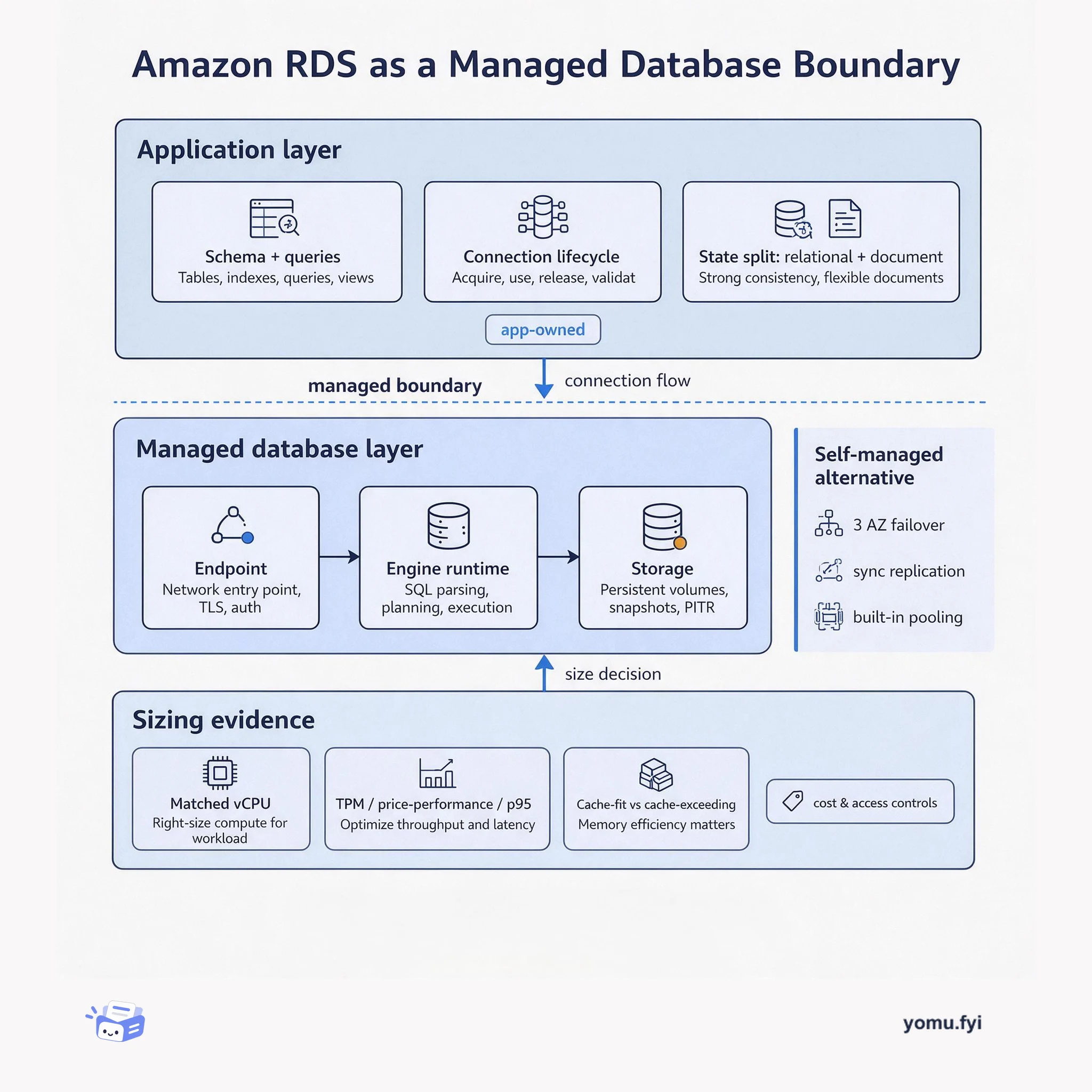
Amazon RDS is a managed relational database layer. This architecture map shows where the provider boundary sits, what your app still owns, and how to size it with workload evidence rather than defaults.
 DatabricksPiyush Singh, Vijay RajaAnnouncement
Databricks is extending cost control functionality to serverless compute for notebooks, jobs, and pipelines, matching the controls already available for serverless SQL and Model Serving. The new controls operate at the workload and user layer rather than the infrastructure layer, with three capabilities: attribute costs through tags on serverless compute objects, control access via entitlements on default interactive and automated compute objects, and limit spend with per-compute rate limits expressed as t-shirt sizes S, M, L, XL. Serverless Compute Access Controls are generally available, rate limits are in beta, and serverless compute tags are in beta. Monitoring via system tables and budget alerts is generally available, letting teams track consumption within hours. The full set of controls moves cost governance from machine-level caps to people- and workload-level policies, addressing runaway spend, wrong hands, and lack of accountability.
Databricks serverless compute usage has grown more than 3x in the past year, and thousands of customers run mission-critical notebooks, jobs, and pipelines on it. Platform teams need better visibility into serverless costs and budget control without the cluster knobs of classic compute, facing issues with runaway spend, unauthorized access, and lack of accountability.
Three-layer cost control: attribute costs via tags on serverless compute objects (tracked in system.billing.usage); control access via entitlements on default serverless interactive and automated compute objects with Can Use and Can Manage permissions; limit spend via per-compute rate limits expressed as t-shirt sizes (S, M, L, XL) that act as autoscaling ceilings. Monitoring and budgets via system tables and account-console dashboards.
Serverless cost controls shift from machine-level caps (e.g., cluster sizes) to workload- and user-level policies such as tags, entitlements, and rate limits.
Serverless Compute Access Controls provide two default compute objects per workspace: default serverless interactive compute and default serverless automated compute, with Can Use and Can Manage permissions.
Rate limits on serverless compute are expressed as t-shirt sizes (S, M, L, XL) and act as an autoscaling ceiling, not a fixed cluster size; notebooks and jobs are allocated resources up to that ceiling.
Tag serverless compute objects; every DBU carries the tag to billing via system.billing.usage, which breaks out spend by user, product, and tag. A serverless_compute_id field further attributes spend per compute object.
Use Serverless Compute Access Controls, which are entitlements on default compute objects. Permissions are Can Use and Can Manage. Admins remove 'All Users' and add specific groups; users outside those groups see Serverless grayed out in the compute selector.
Rate limits are per-compute limits expressed as t-shirt sizes (S, M, L, XL) that act as an autoscaling ceiling for notebooks and jobs. They are in Beta and can be enabled through preview settings. A shared budget for interactive sessions is coming soon.
Summaries are generated from the original by a language model. Check the original before relying on it.
See the idea
Amazon RDS is a managed relational database layer. This architecture map shows where the provider boundary sits, what your app still owns, and how to size it with workload evidence rather than defaults.
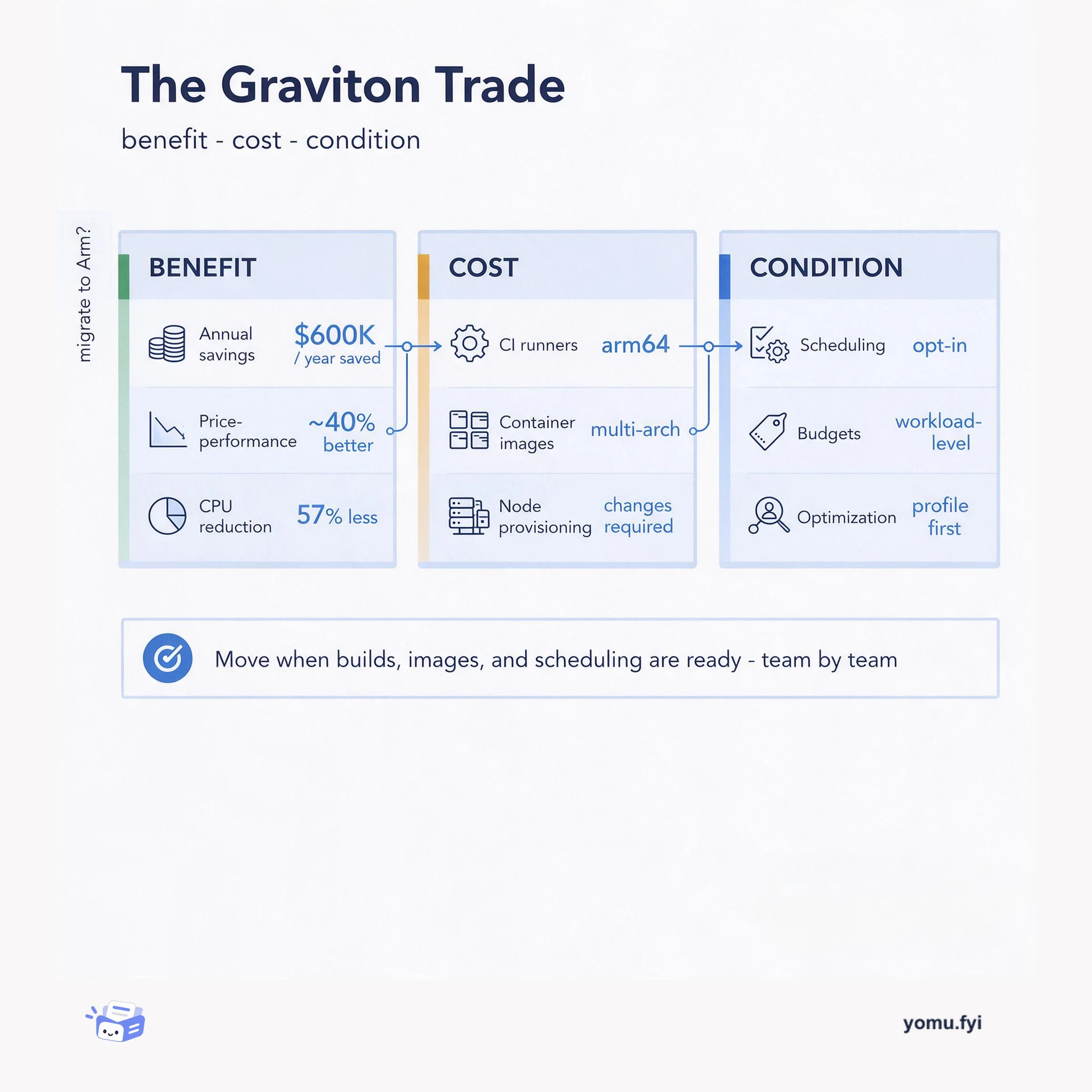
AWS Graviton migration trades strong price-performance gains against real coordination costs. This map shows the benefit, the cost, and the conditions that decide when Arm adoption pays off.
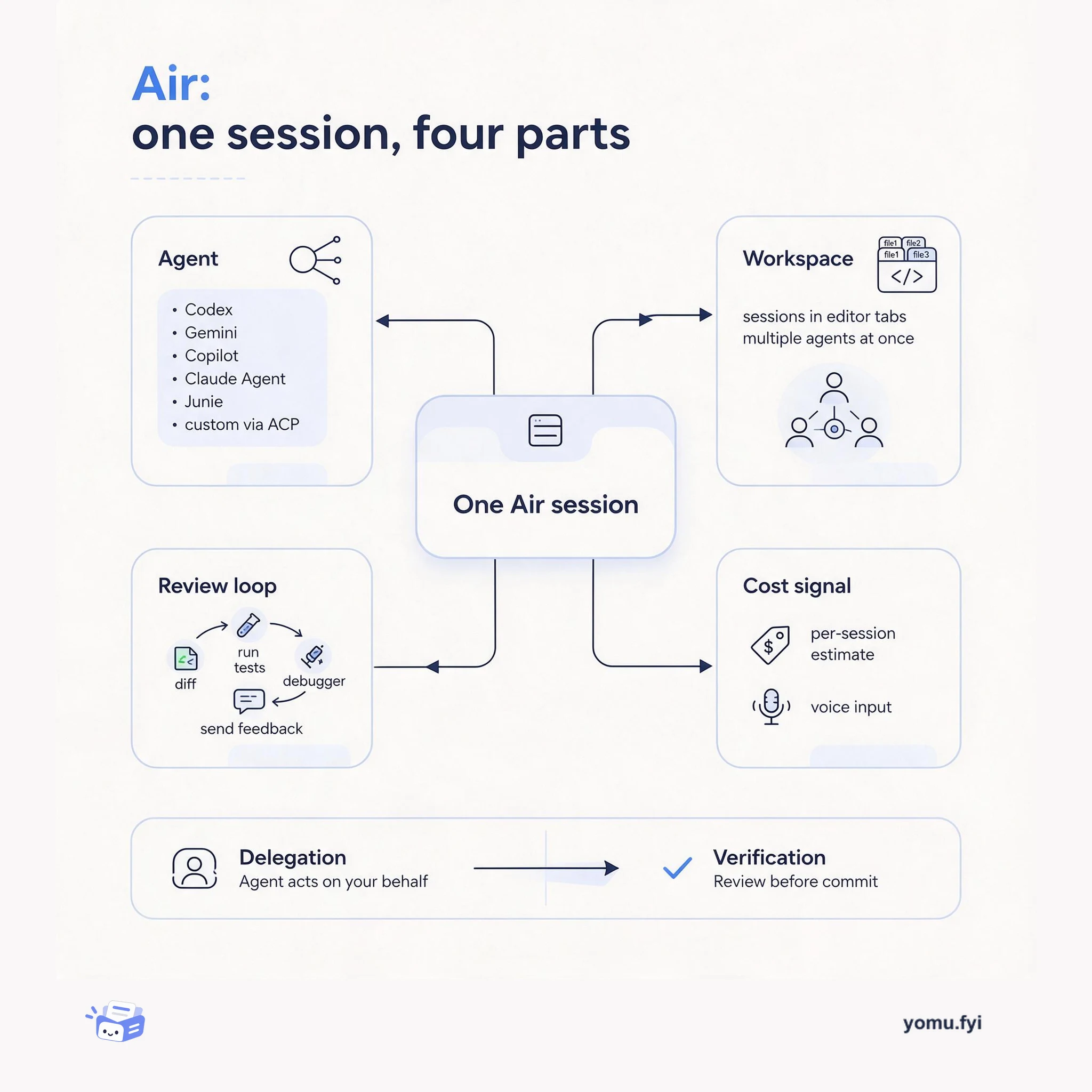
Air is a workspace layer that turns AI coding agents into inspectable sessions. This explainer maps its four parts: the agent, the session workspace, the review loop, and the cost signal.
Keep reading
The Good Stuff
Paid picks we use ourselves. Links carry a referral code — a subscription through one earns us a commission at no extra cost to you.
One useful email. Unsubscribe anytime.