The Graviton Trade: Price-Performance vs. Migration Drag
AWS Graviton migration trades strong price-performance gains against real coordination costs. This map shows the benefit, the cost, and the conditions that decide when Arm adoption pays off.
This explainer treats AWS Graviton adoption as a trade rather than a switch. The benefit side is measurable: a connected-vehicle platform saved roughly $600,000 a year, improved NGINX ingress price-performance by about 40 percent, and cut CPU consumption by 57 percent as more than 65 percent of the platform moved to Arm. The cost side is coordination, including native arm64 build runners, multi-architecture container images, and node provisioning changes that must exist before teams can move. The condition side is control: opt-in scheduling with taints and tolerations, workload-level cost governance, and profiling that finds the real bottleneck before the architecture is blamed.
FAQ
Why would a team move only part of a platform to Graviton?
Because scheduling can be opt-in. In the connected-vehicle example, Graviton nodes were marked with taints and tolerations so teams opted in and migrated at their own pace, and more than 65 percent of the platform had moved without a disruptive cutover.
What must be in place before workloads can run on Arm?
Build and image pipelines usually come first: native arm64 CI runners and multi-architecture container images published as manifest lists let both architectures run from the same artifact. Node provisioning also has to handle the new instance types, for example through Karpenter.
How do you know a Graviton migration is actually worth it?
Profile the workload before blaming the architecture. In one registry scaling study the real limits were storage saturation, a test client's GIL, and kubelet PID exhaustion rather than CPU, so the fix was capacity and test design. Pair that evidence with workload-level cost controls so spend stays attributable.
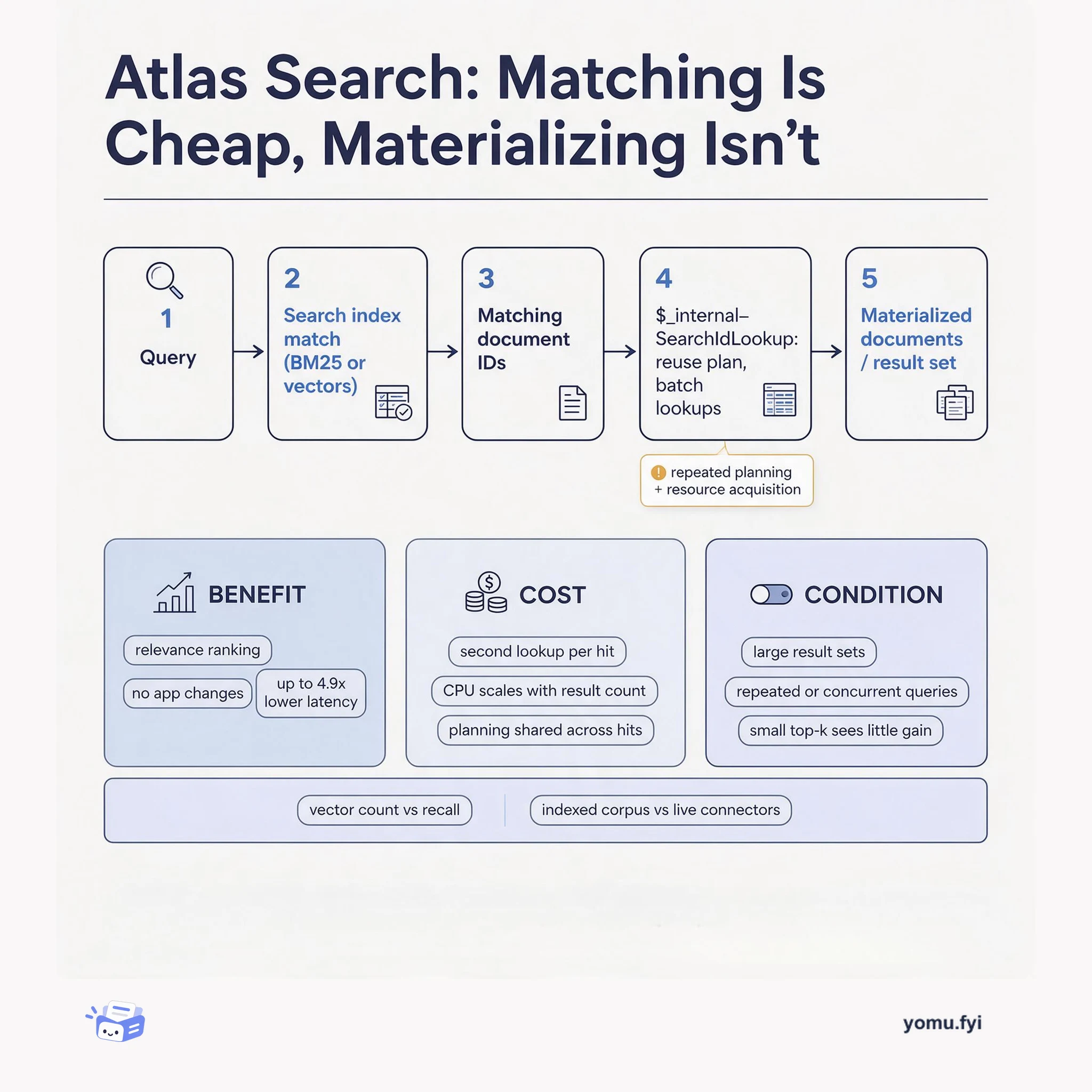
Atlas Search finds matching document IDs fast, but materializing each hit from the collection is where the latency and CPU go. This trade-off map shows the benefit, the cost, and the condition for accepting that second phase.
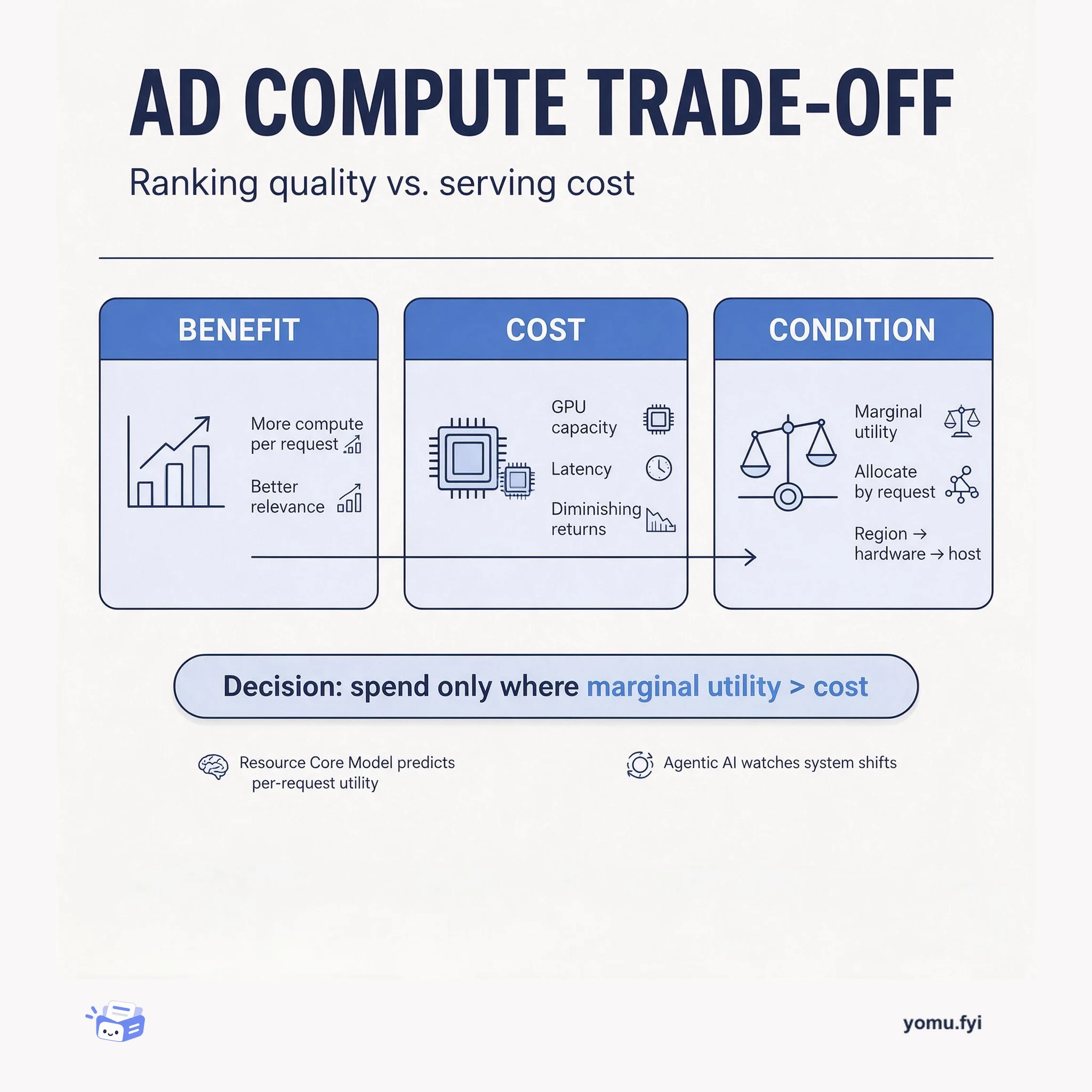
Ad ranking is a compute trade-off: more resources per request can improve relevance, but GPU capacity and latency are finite. Learn how to allocate by marginal utility instead of uniformly.
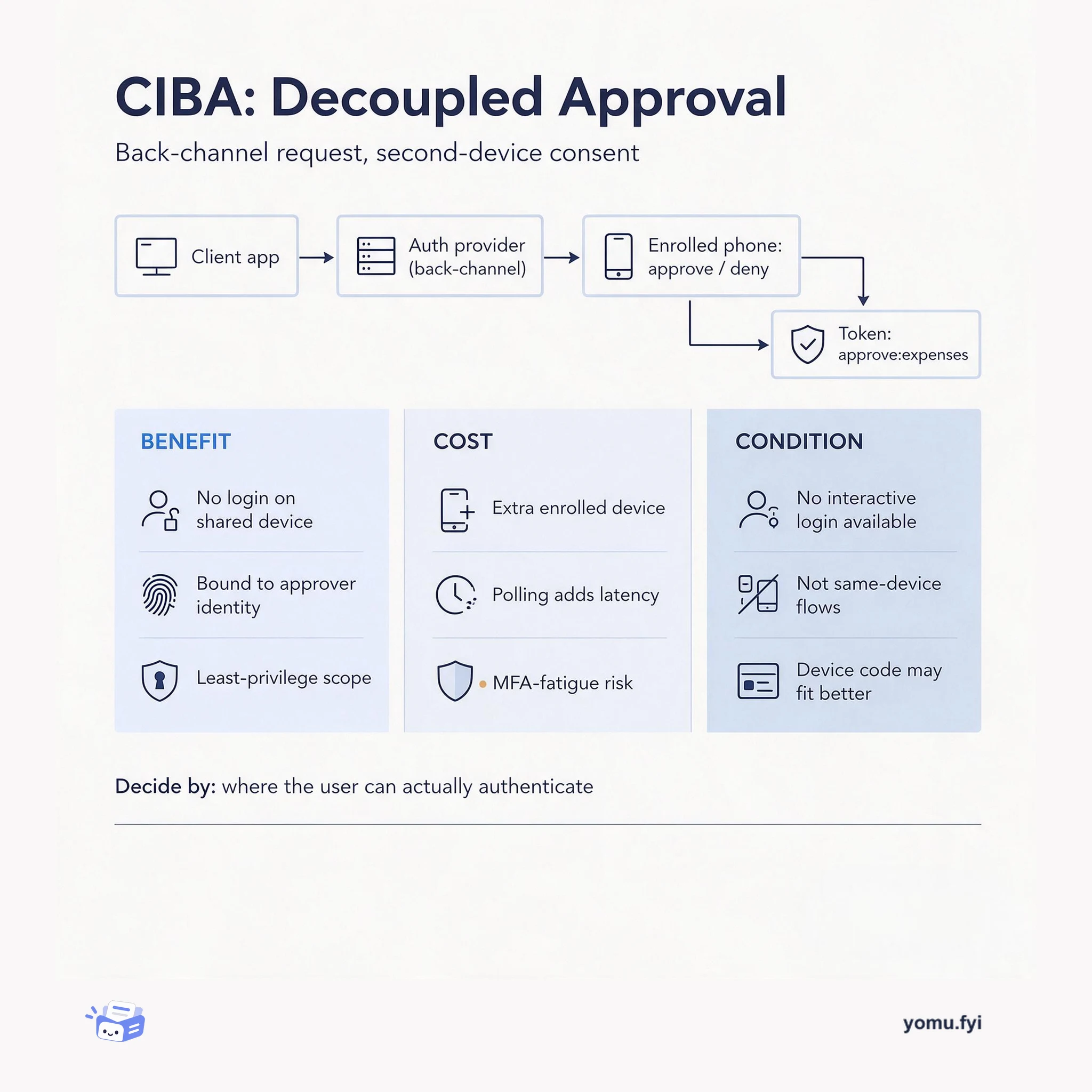
CIBA moves authentication off the device in use: the client sends a back-channel request and the user approves on an enrolled phone. See what that buys and what it costs.
The Good Stuff
Paid picks we use ourselves. Links carry a referral code — a subscription through one earns us a commission at no extra cost to you.