Apache Iceberg and Hive represent two approaches to organizing petabyte-scale data lakes. Hive relies on partition directories and a shared metastore, requiring manual partition registration and vulnerable to stale metadata when engines write directly to storage. Iceberg introduces a hidden metadata tree—snapshots, manifests, and data files—that the catalog controls, enabling atomic multi-table transactions, time travel, and fine-grained governance without format-specific prefixes. The trade-off: Iceberg adds metadata overhead and catalog dependence, but eliminates small-file fragmentation, catalog listing latency, and the split-brain problem where storage and metadata diverge. Teams migrating petabyte lakes often prioritize high-value tables first, using tools like Z-ordering to cut query time by 90% while reducing S3 costs.
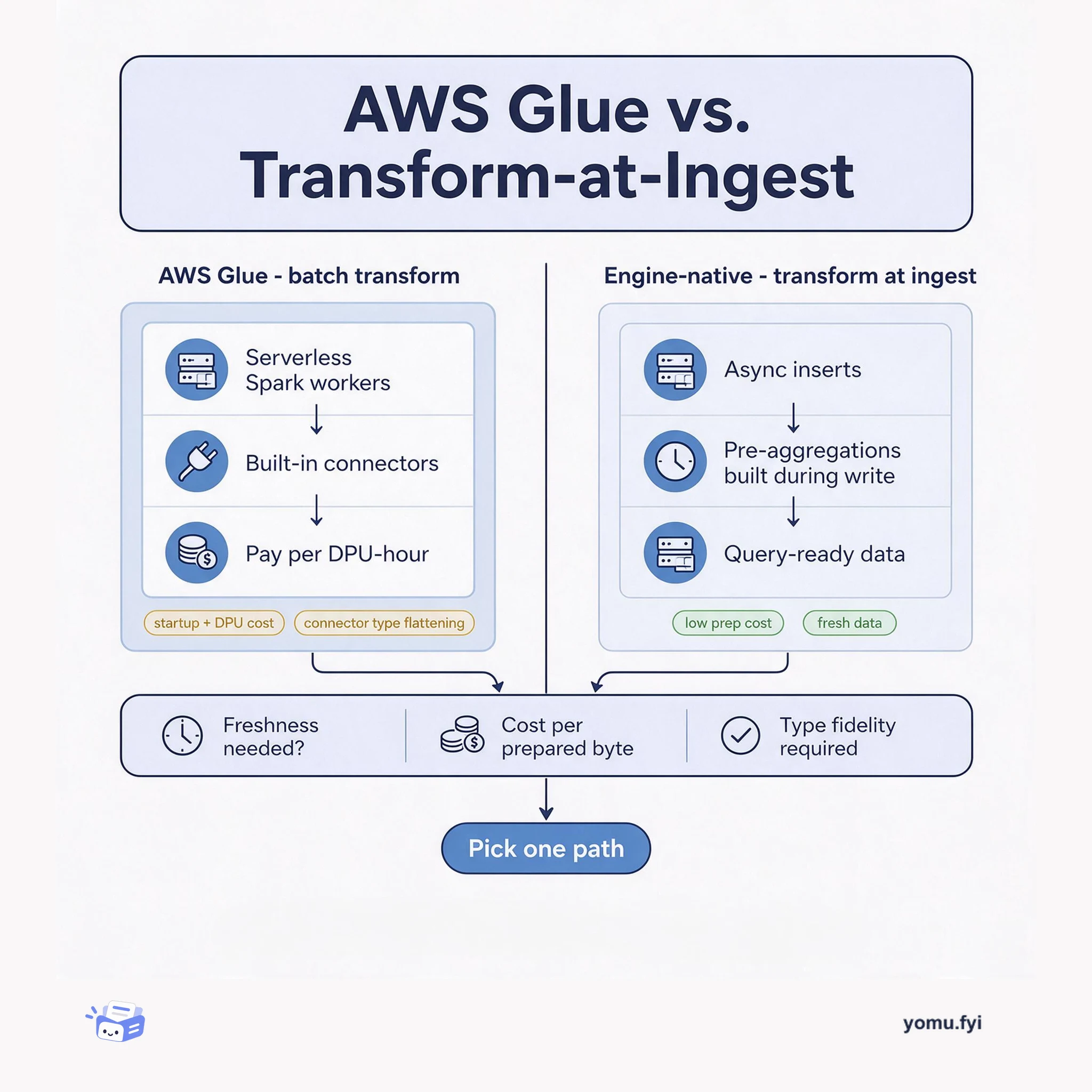
AWS Glue runs serverless Spark jobs that transform data in batches; engine-native pipelines transform during ingestion. This comparison shows how to pick between them by freshness, cost, and data fidelity.
Compare two mental models for brand: a static artifact (logos, guidelines, centralized control) and a living operating system (values, APIs, support, trust). See which choices fit your engineering team.
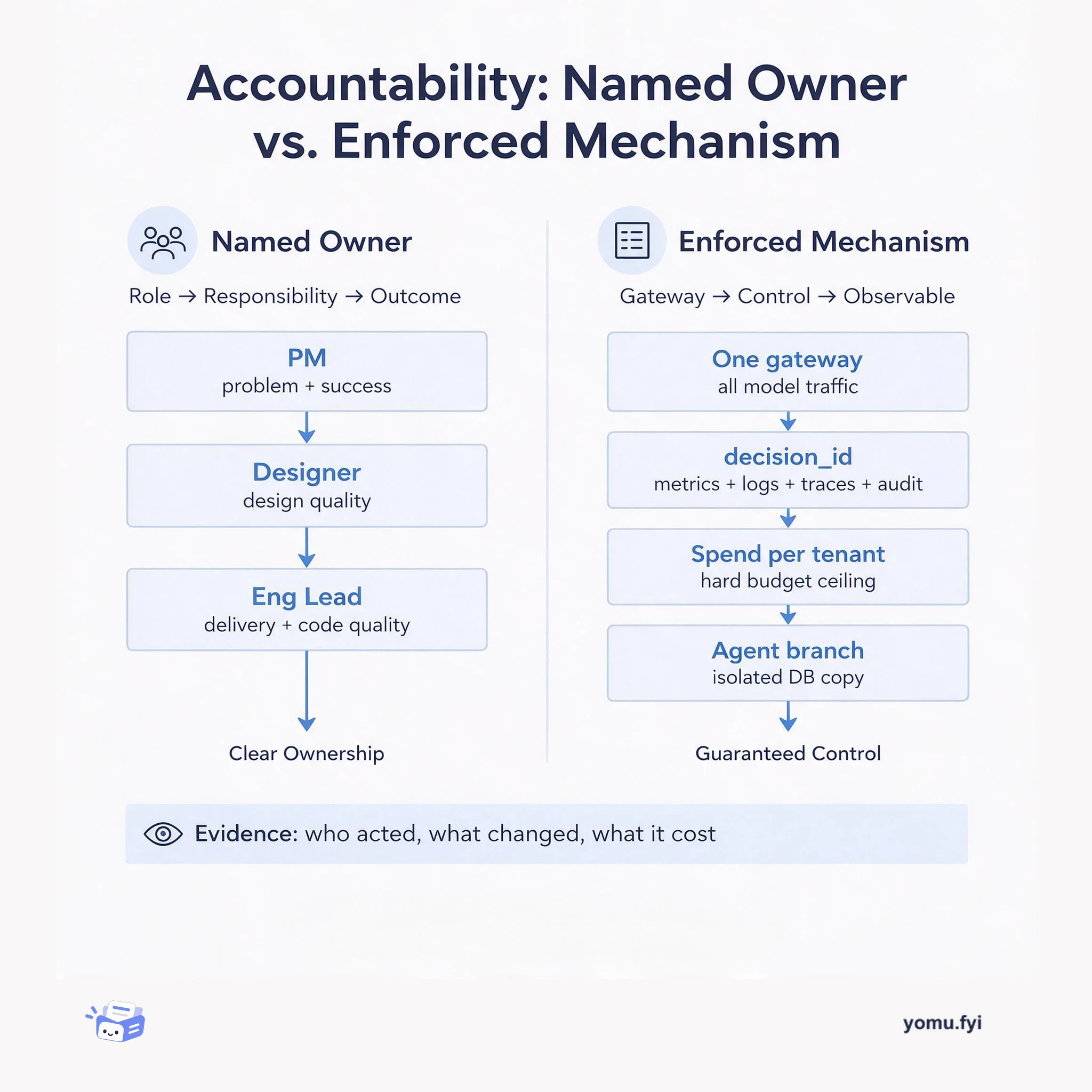
A side-by-side comparison of the two accountability models engineers actually rely on: a named human owner per outcome, and system-enforced traces, budgets, and isolation.
The Good Stuff
Paid picks we use ourselves. Links carry a referral code — a subscription through one earns us a commission at no extra cost to you.