Compare two mental models for brand: a static artifact (logos, guidelines, centralized control) and a living operating system (values, APIs, support, trust). See which choices fit your engineering team.
Engineers often inherit brand as a static style guide, but brand also functions as an operating system that shapes hiring, design risk, developer ecosystems, app health, privacy, and API evolution. This comparison contrasts the artifact model—centralized, consistent, slow to change—with the operating-system model—distributed, adaptive, and maintained by everyday engineering decisions. The choice affects how you version APIs, onboard users, handle support, and build trust. Most teams need both, but knowing which model you are using helps you decide where to invest.
FAQ
When should I treat brand as a static artifact instead of a living system?
Use the artifact model when you need foundational visual consistency: logos, color, tone, and layout. It is centralized and slow to change, which helps avoid drift in core identity. But it will not guide daily engineering decisions like API design, onboarding, or support.
How does API versioning connect to brand as an operating system?
API versioning lets you ship changes without breaking existing integrations, protecting developer trust. Intercom used version changes to roll back model changes to previous versions, allowing safe iteration. That reliability is part of the brand engineers experience.
What is the main risk of treating brand as a living system?
A living system can fragment if values, design, or messaging diverge across teams. It also requires ongoing maintenance, such as app health checks and privacy reviews. Without coordination, distributed ownership can create inconsistency.
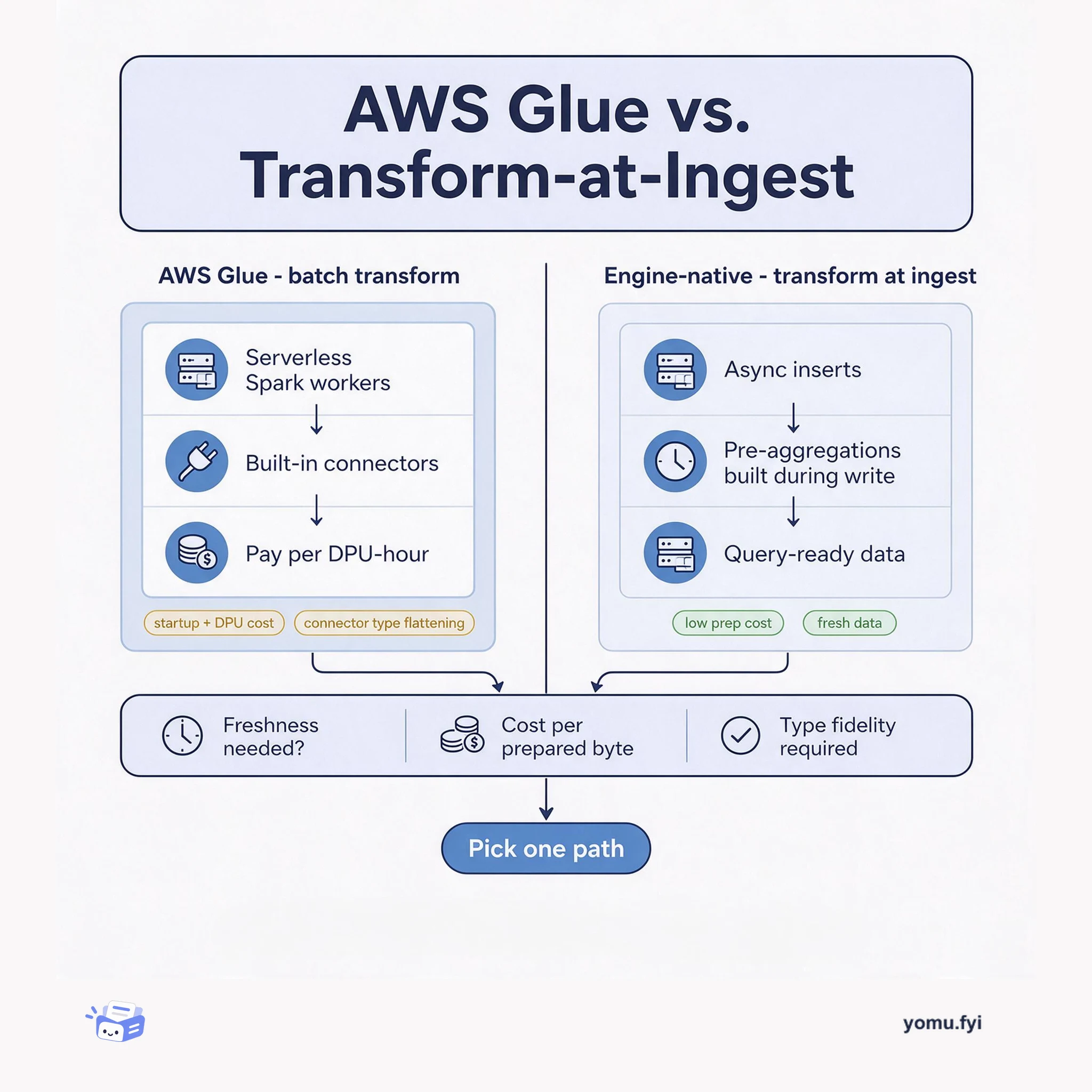
AWS Glue runs serverless Spark jobs that transform data in batches; engine-native pipelines transform during ingestion. This comparison shows how to pick between them by freshness, cost, and data fidelity.
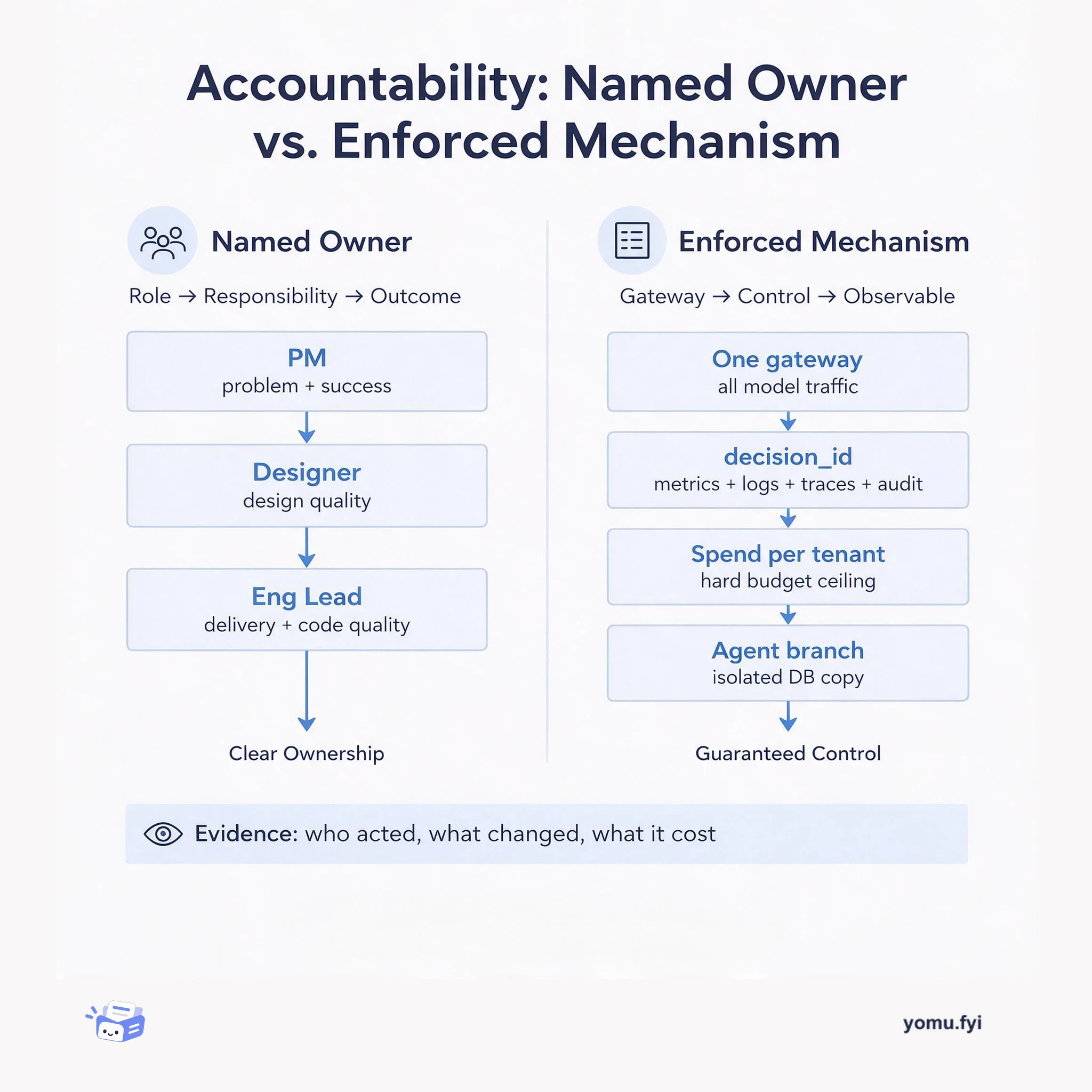
A side-by-side comparison of the two accountability models engineers actually rely on: a named human owner per outcome, and system-enforced traces, budgets, and isolation.
A side-by-side comparison of copy-and-replay recovery and branch-at-a-point restores, showing why restore time scales with data size in one model and not the other.
The Good Stuff
Paid picks we use ourselves. Links carry a referral code — a subscription through one earns us a commission at no extra cost to you.