Copy-and-Replay vs Branch-at-a-Point: Two Backup Recovery Paths
A side-by-side comparison of copy-and-replay recovery and branch-at-a-point restores, showing why restore time scales with data size in one model and not the other.
Backups carry two separate costs: the read load a backup puts on production while it runs, and the time a restore takes when you actually need it. This comparison sets copy-and-replay recovery, where a snapshot is copied to disk and WAL is replayed, against branch-at-a-point restores on decoupled storage, where recovery is a metadata operation. It also shows where snapshot replication and standby instances fit, and why replication alone is not a backup.
FAQ
Why does a large database restore take hours in one model and seconds in the other?
In copy-and-replay, restore provisions a new instance, copies the snapshot from object storage back to disk, then replays WAL to the target point, so work scales with data size. With decoupled compute and storage, history is an immutable timeline and a restore is a branch at a point, a metadata operation that copies no data. So a 100 TB database can restore about as fast as a 10 GB one.
Does a backup slow down the production database it reads from?
It can. A base backup reads every byte off the same drives serving queries, and buffered reads pass through the kernel page cache, evicting warm database pages. Direct I/O skips that cache so warm data stays in place, but it also disables kernel readahead, so read sizes may need tuning to the storage layout.
Is replication a substitute for backups?
No. Synchronous replication with automated failover protects against losing a node and helps prevent data loss during failover, but it mirrors the same logical state, so a bad migration or an accidental delete propagates too. You still need a restore point you can branch to or replay back to.
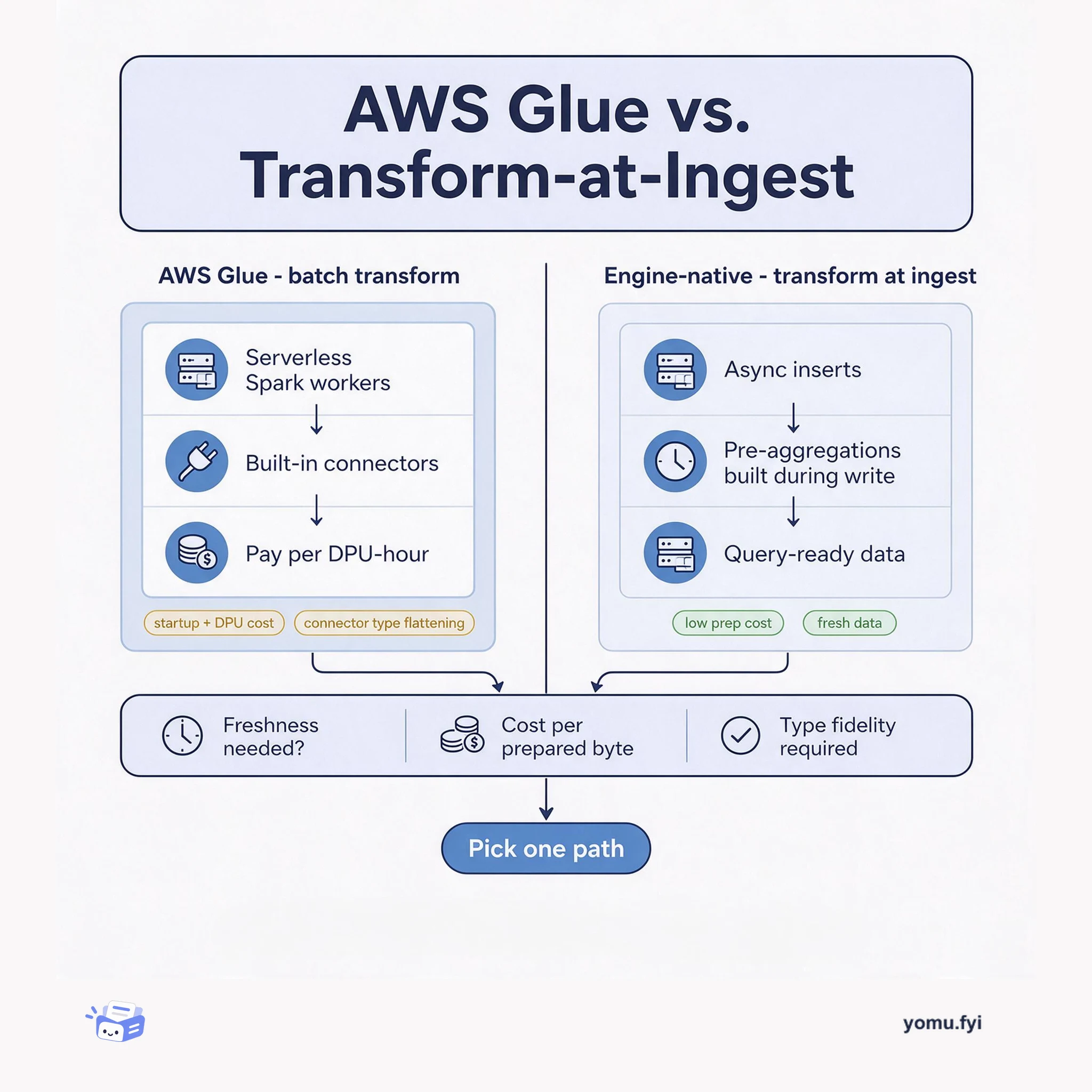
AWS Glue runs serverless Spark jobs that transform data in batches; engine-native pipelines transform during ingestion. This comparison shows how to pick between them by freshness, cost, and data fidelity.
Compare two mental models for brand: a static artifact (logos, guidelines, centralized control) and a living operating system (values, APIs, support, trust). See which choices fit your engineering team.
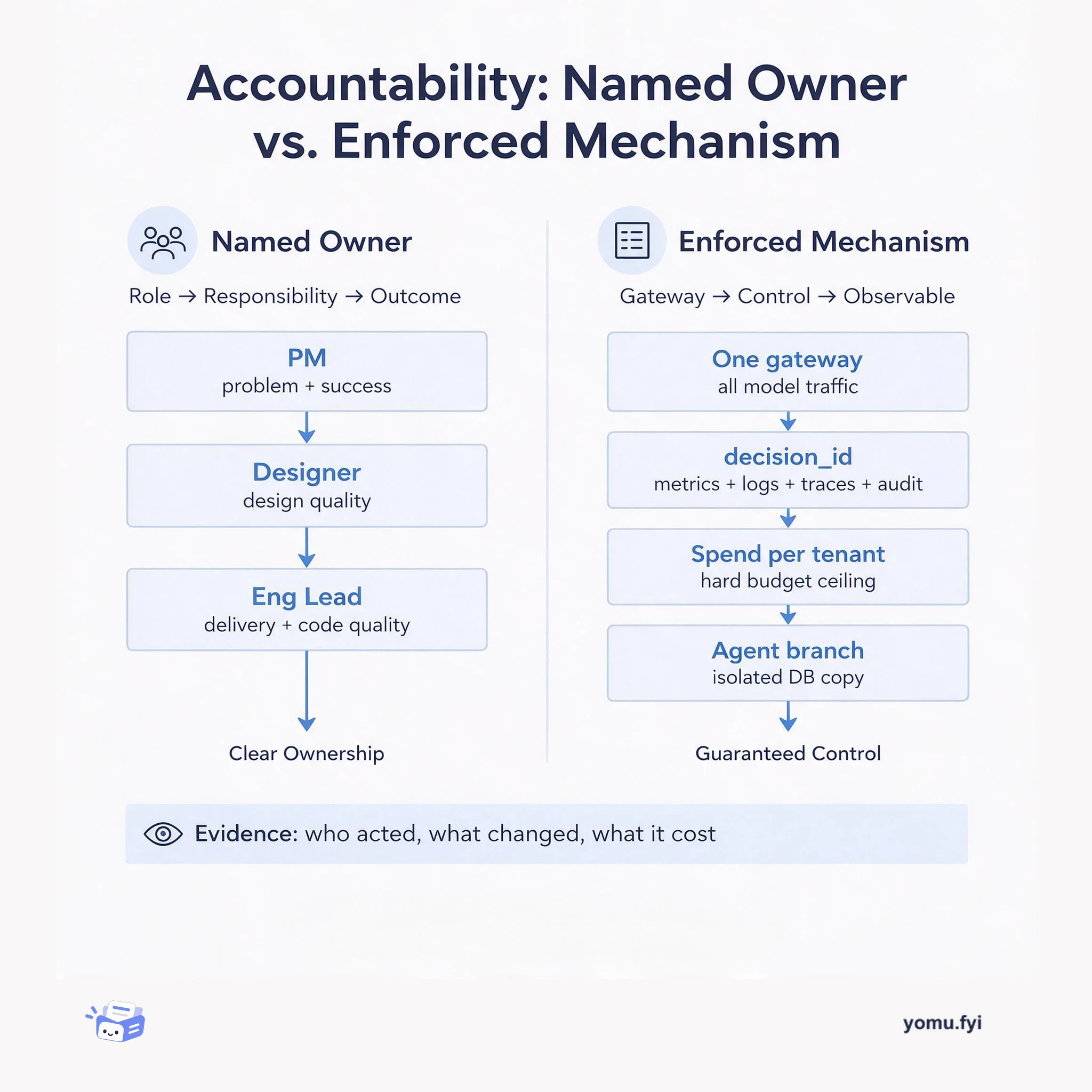
A side-by-side comparison of the two accountability models engineers actually rely on: a named human owner per outcome, and system-enforced traces, budgets, and isolation.
The Good Stuff
Paid picks we use ourselves. Links carry a referral code — a subscription through one earns us a commission at no extra cost to you.