The SQS Decision Most Diagrams Skip: Normal Work vs. Broken Work
Amazon SQS connects producers and workers, but its real design test is failure. Compare the processing path with the signals and controls needed when queue operations break.
Amazon SQS can sit between producers and workers so processing continues independently of connection ownership and worker lifecycles. This comparison puts the normal path beside the failure path: workers poll notifications and complete downstream work, while fault injection can block sending, receiving, deleting, visibility changes, or purging. Track backlog, message age, duplicates, failed sends, circuit-breaker state, and dead-letter-queue effects to decide whether the system is behaving safely under disruption.
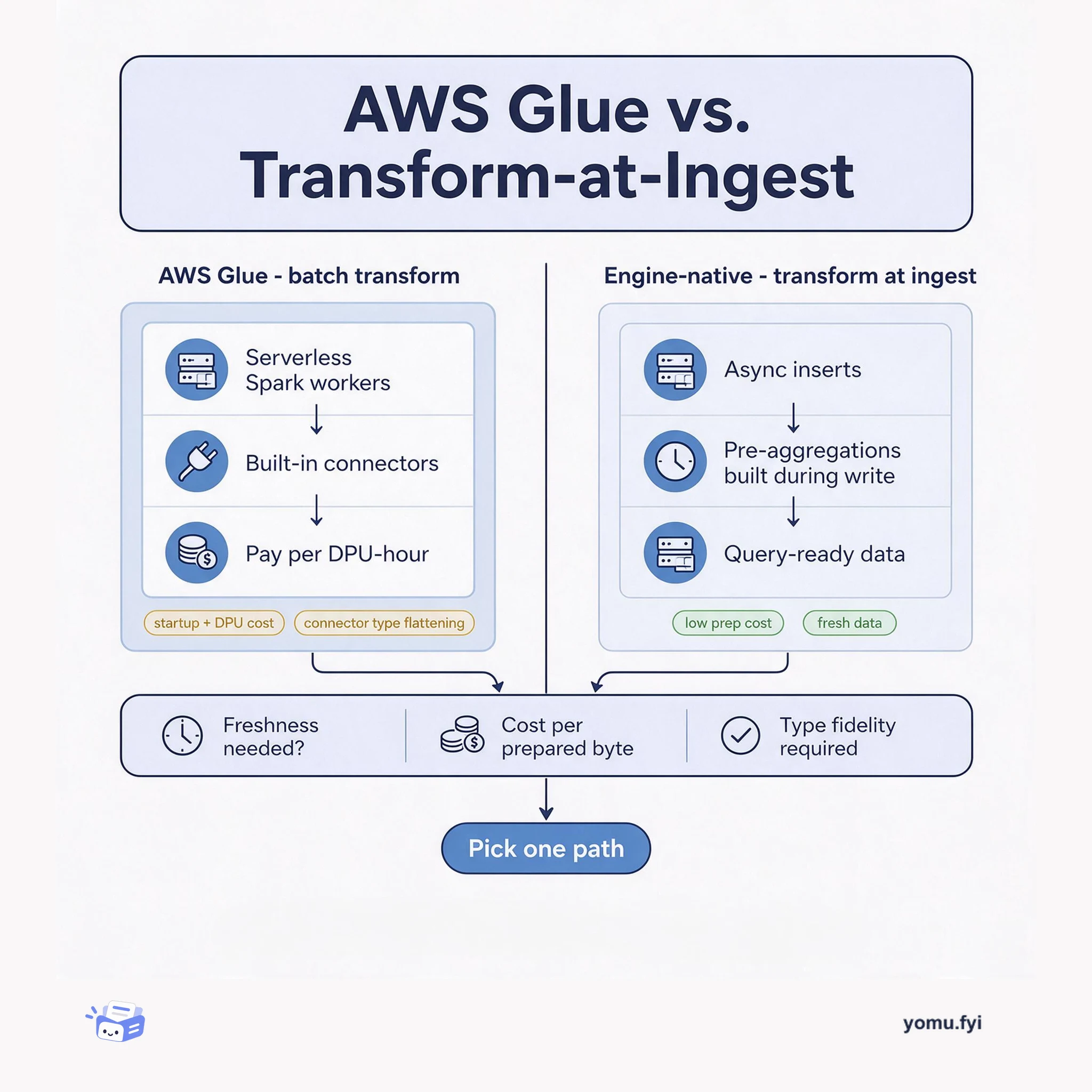
AWS Glue runs serverless Spark jobs that transform data in batches; engine-native pipelines transform during ingestion. This comparison shows how to pick between them by freshness, cost, and data fidelity.
Compare two mental models for brand: a static artifact (logos, guidelines, centralized control) and a living operating system (values, APIs, support, trust). See which choices fit your engineering team.
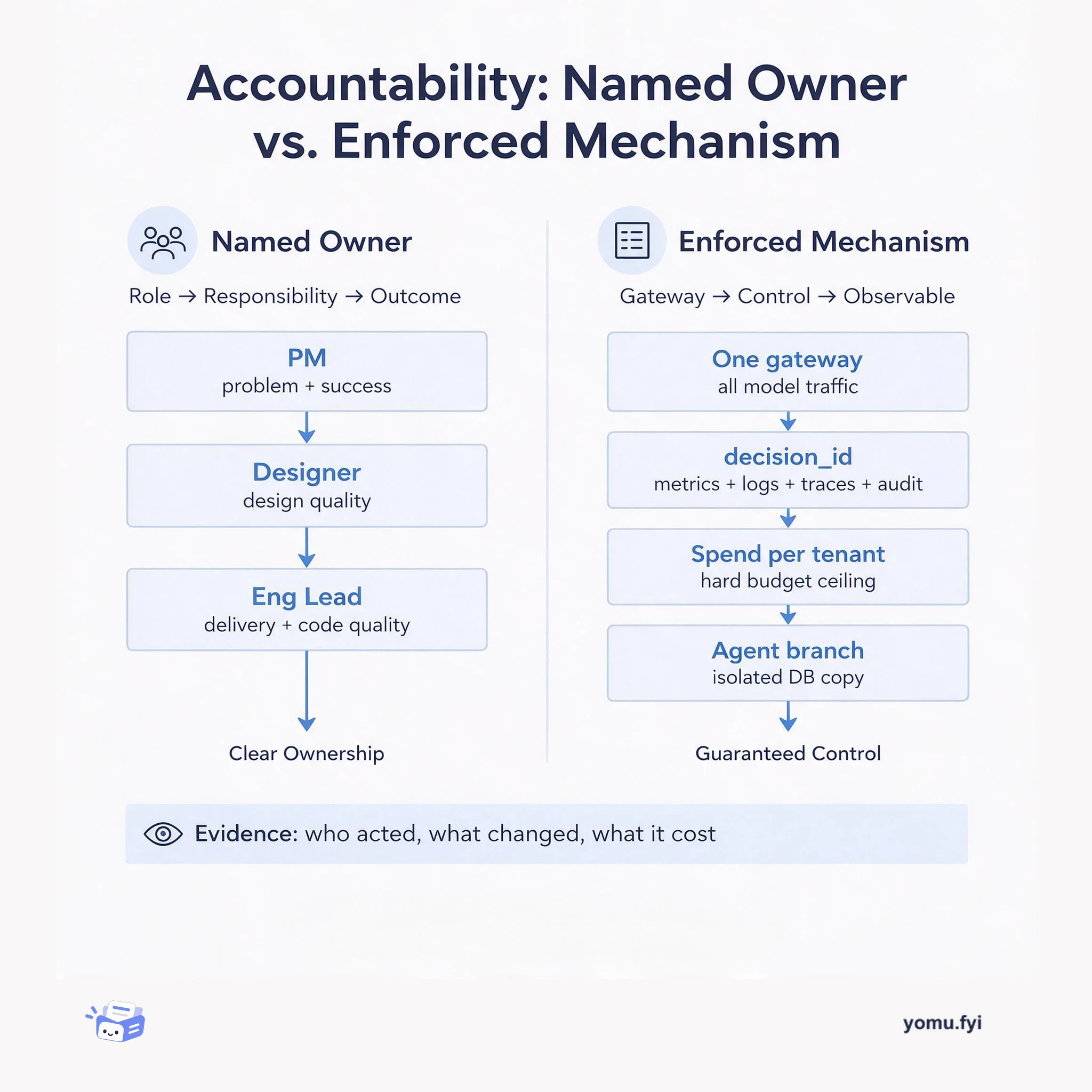
A side-by-side comparison of the two accountability models engineers actually rely on: a named human owner per outcome, and system-enforced traces, budgets, and isolation.
The Good Stuff
Paid picks we use ourselves. Links carry a referral code — a subscription through one earns us a commission at no extra cost to you.