Accessibility means designing digital products so everyone can use them, regardless of ability. It removes barriers for people with disabilities and benefits all users.
Accessibility is the practice of building digital experiences that work for people with disabilities—including those who are blind, deaf, have motor impairments, or cognitive differences. It involves semantic HTML, keyboard navigation, screen reader support, color contrast, and clear labeling. Accessibility isn't a feature added at the end; it's a foundational design principle that benefits everyone, including people with temporary injuries, aging users, and those in noisy or bright environments. Teams should test with real users, use automated tools, and treat access needs as part of the core product from the start.
An app store is a distribution surface, a versioned contract, and a health loop between a platform and its developers. Here is how those parts fit together and why each one fails loudly if ignored.
A GPU-resident astronomy pipeline keeps every stage of image analysis — load, align, subtract, detect, review — inside GPU memory instead of round-tripping through the CPU.
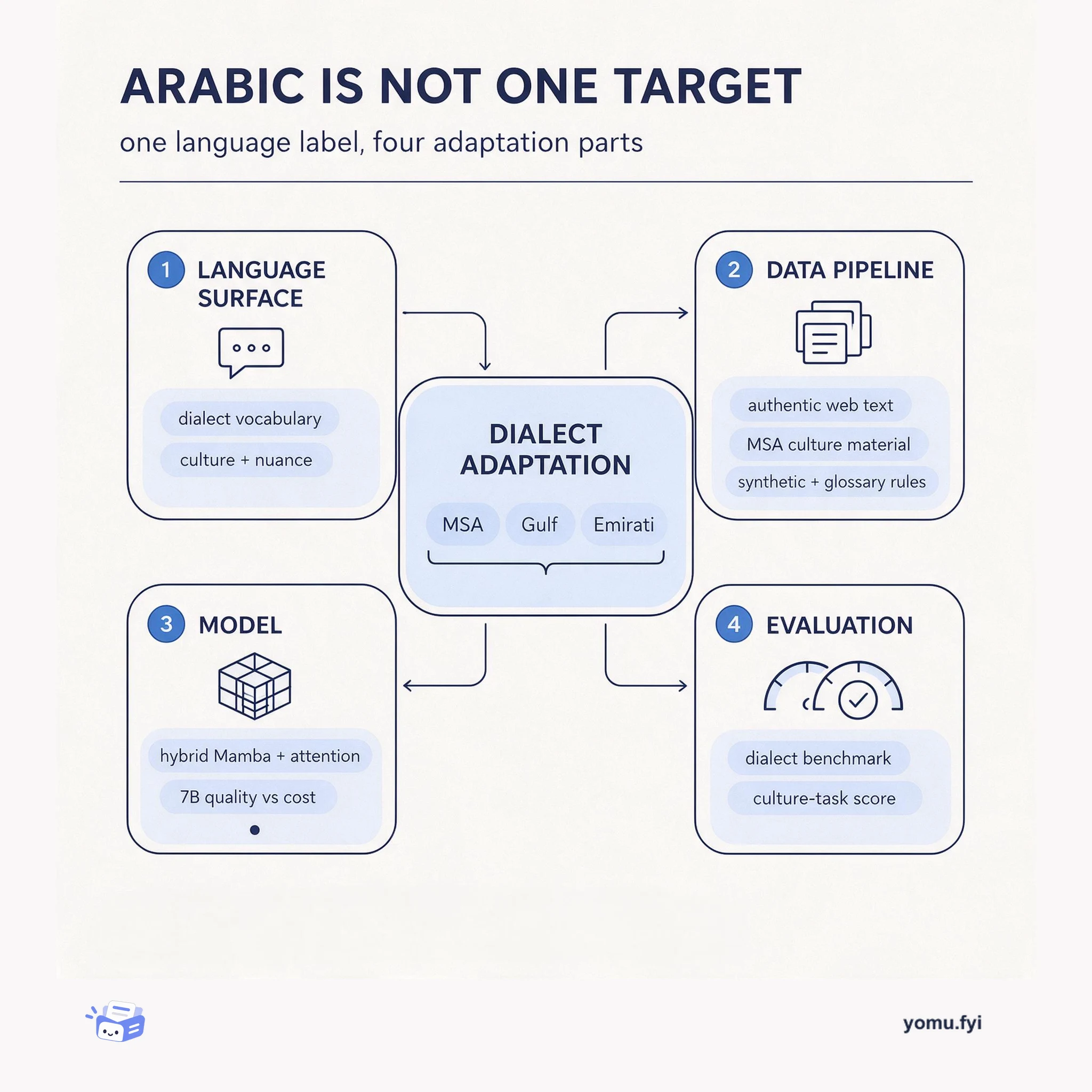
Arabic is not a single target for a language model. This explainer maps its four parts — dialect surface, data pipeline, model, and evaluation — so you can tell where an Arabic feature really succeeds or fails.
The Good Stuff
Paid picks we use ourselves. Links carry a referral code — a subscription through one earns us a commission at no extra cost to you.