How to Make Apache Hudi Copy-On-Write Upserts Less Wasteful
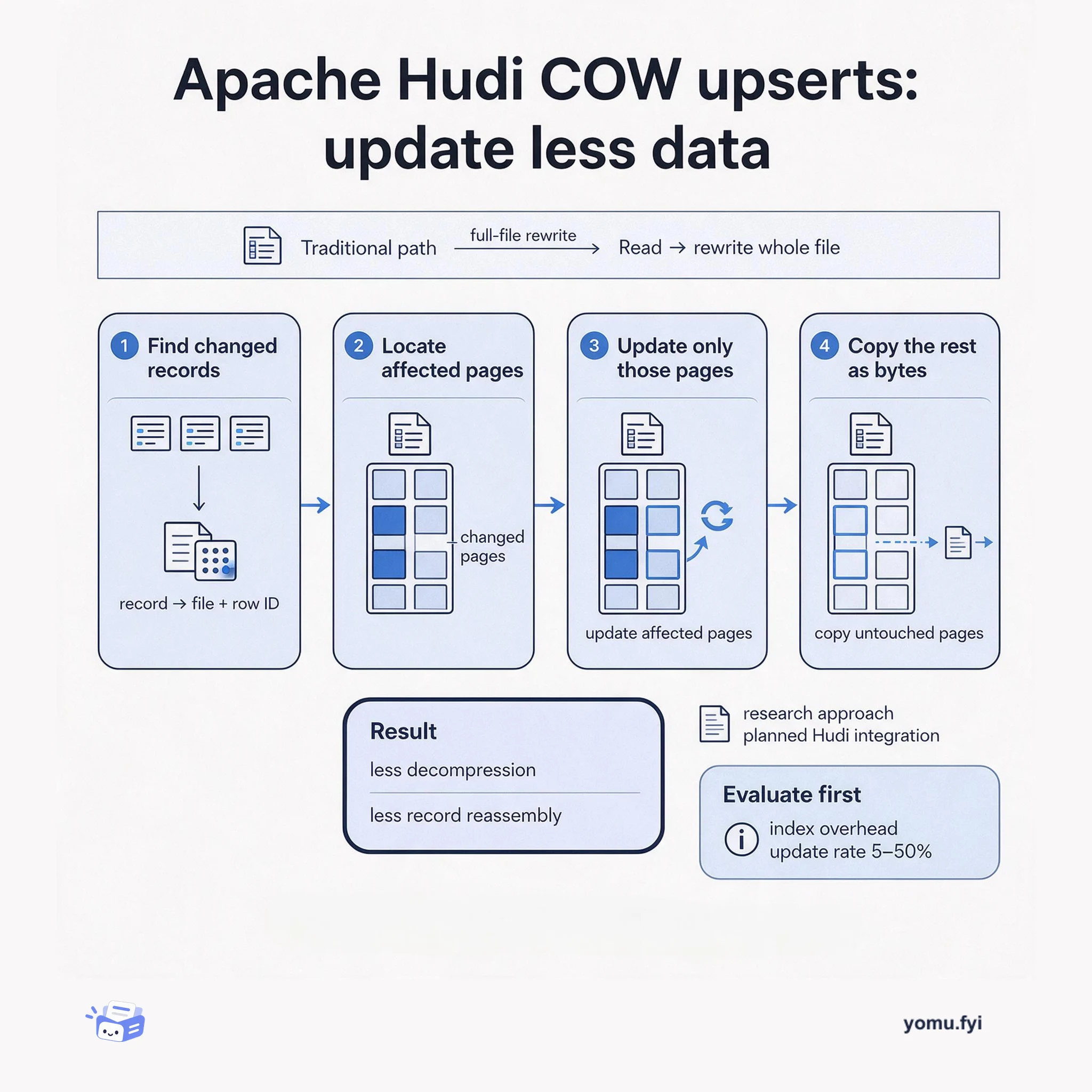
Learn how Apache Hudi copy-on-write upserts can use row-level file and page locations to update changed data while avoiding unnecessary decompression and rewriting.
 SalesforceScott NybergExplainer
Building real-time mobile personalization across iOS, Android, React Native, and Flutter required one architecture to handle different rendering models, lifecycles, identity flows, consent requirements, and release cycles without disrupting native app experiences. The team standardized schemas, event semantics, identity behavior, fallback handling, and SDK APIs, using bridge layers so React Native and Flutter could access native iOS and Android capabilities. Developers instrument apps once with constrained content zones and approved native components, while marketers configure templates, targeting, and content through Salesforce UI; metadata is published via a global CDN and rendered dynamically by the SDK. Data 360 performs server-side identity resolution and decisioning, limiting unnecessary raw profile storage on devices. An early customer implemented the system in two months and generated more than 150 million decisions within three weeks, while QR-code previews enabled testing against live profiles without app recompilation.
The team needed to deliver one real-time mobile personalization architecture across iOS, Android, React Native, and Flutter. It had to preserve native layouts and app responsiveness, resolve identities across web, email, and mobile, respect consent and connectivity constraints, avoid unnecessary profile storage, and let marketers change campaigns without requiring new app releases.
The team standardized schemas, event semantics, identity behavior, fallback handling, and SDK APIs across the four stacks. Developers instrumented apps once with content zones and approved native components, while marketers configured campaigns through Salesforce UI and distributed metadata through a global CDN. Bridge layers exposed native APIs to React Native and Flutter; Data 360 handled server-side identity resolution and decisioning; and QR-code previews used live profile attributes with the native renderer for testing.
Bridge layers let React Native and Flutter use native iOS and Android APIs while preserving a consistent mobile personalization SDK model across all four technology stacks.
Content zones and approved native components constrain dynamic rendering, allowing marketers to configure experiences while developers retain control over placement, layout, responsiveness, accessibility, and navigation.
Data 360 handles identity resolution and decisioning on the server, while the SDK receives the resulting experience instead of storing unnecessary raw profile attributes on the device.
Summaries are generated from the original by a language model. Check the original before relying on it.
See the idea
Learn how Apache Hudi copy-on-write upserts can use row-level file and page locations to update changed data while avoiding unnecessary decompression and rewriting.
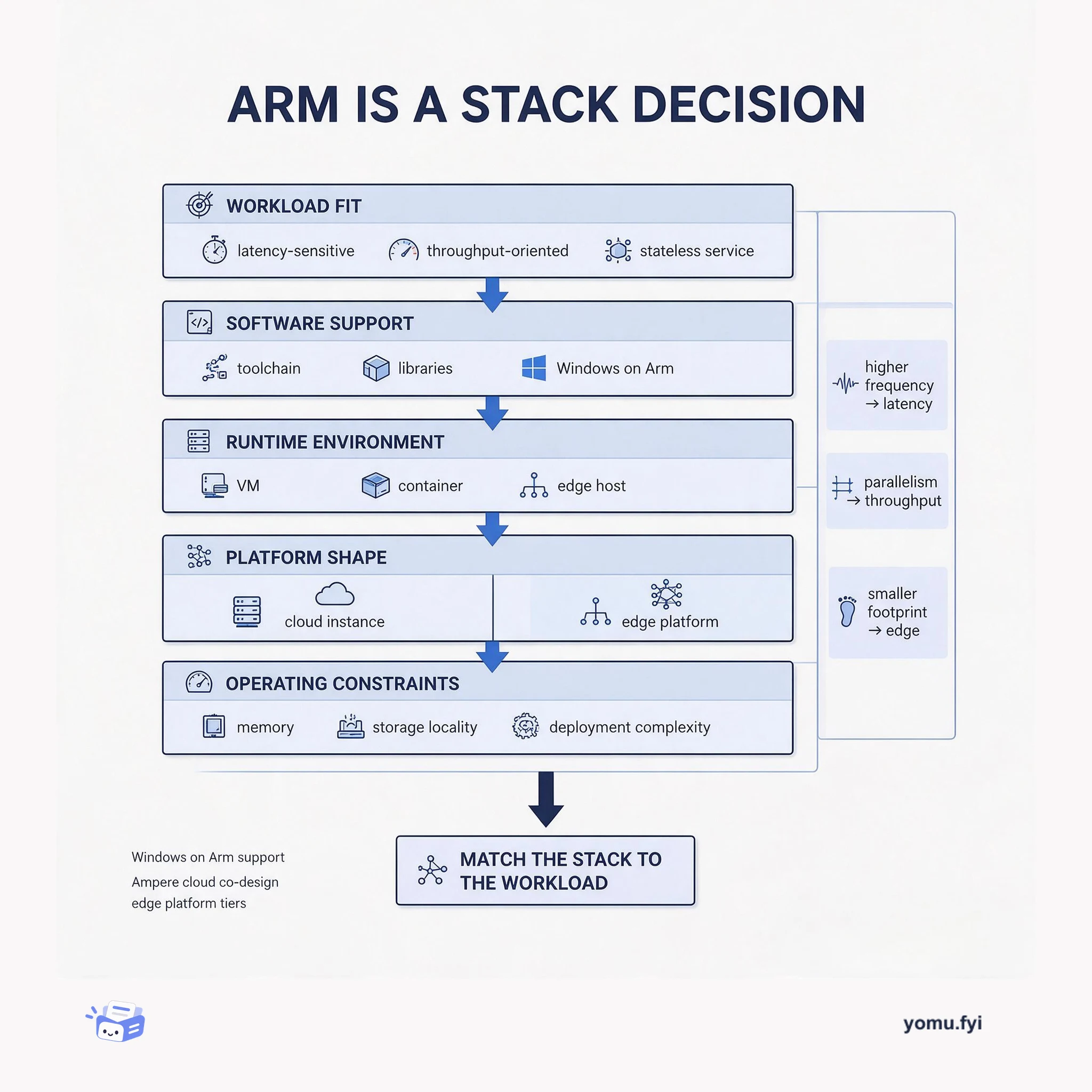
An architecture view of ARM deployments, from workload fit and software support to platform choice, showing where performance, memory, storage, and operations shape the decision.
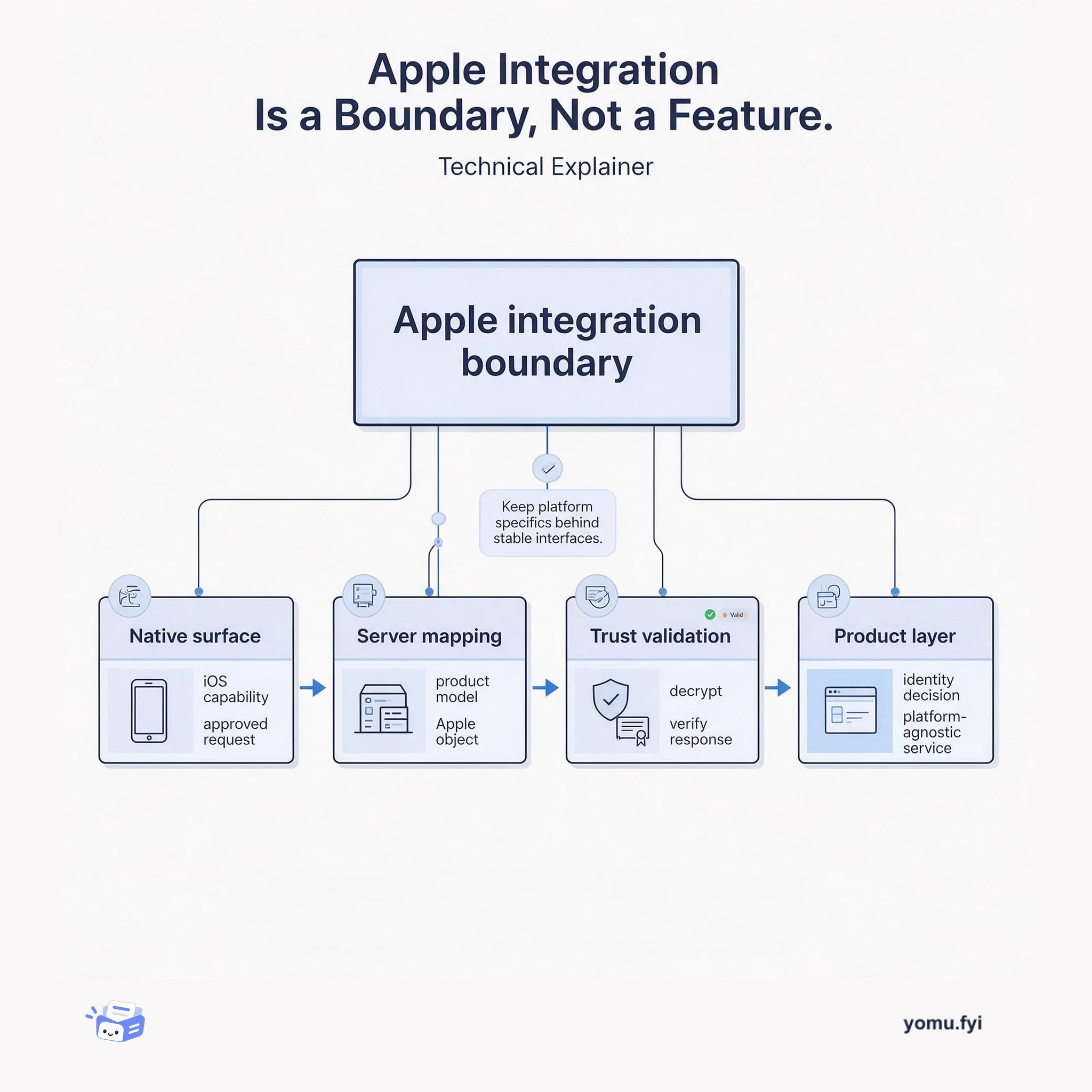
Apple integrations are boundary designs: native capability, server-side mapping, and trust checks must meet a platform-agnostic product layer. See where each responsibility belongs.
Keep reading
The Good Stuff
Paid picks we use ourselves. Links carry a referral code — a subscription through one earns us a commission at no extra cost to you.
One useful email. Unsubscribe anytime.