Databricks
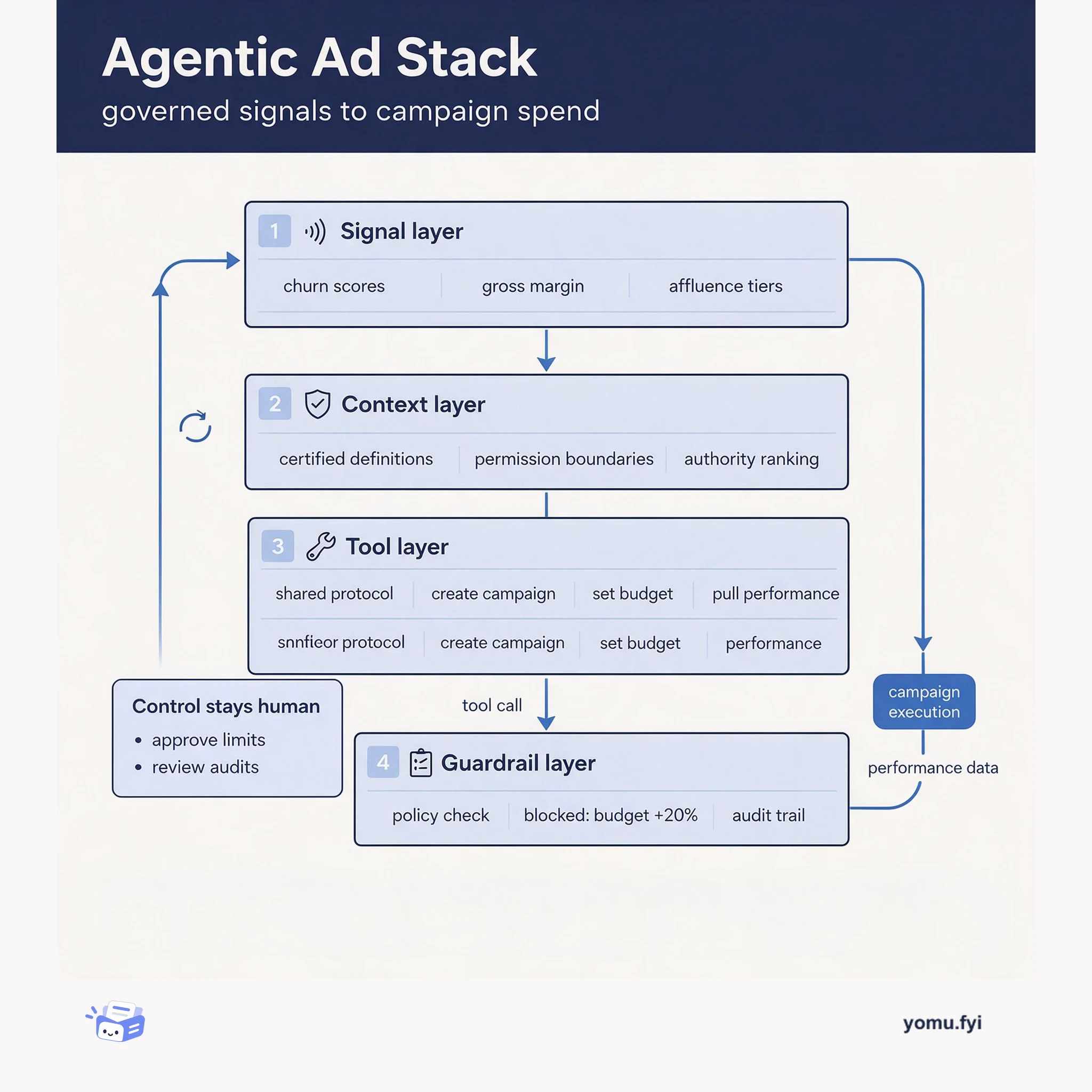
Public-sector agencies face fraud methods including synthetic identities, deepfake-enhanced documentation, and personalized social engineering, while legacy controls remain fragmented and difficult to scale. The fictional Services Bureau demonstrates an operating model that combines Databricks Apps, Lakebase, Unity Catalog, Delta Sharing, Agent Bricks, and AI/BI Genie in a single fraud-operations environment. Governed data lands in Delta tables; Unity Catalog applies attribute-based access control, masks PII by role, and provides lineage, while agents connect live lakehouse queries, agency policies, and external fraud signals through MCP. Analysts review evidence and recommendations, then approve, override, or escalate cases, keeping human judgment central. The described workflow turns weeks of manual investigation into a day, supports dashboards and conversational SQL, and is presented as making fraud decisions faster, more secure, transparent, and defensible.
Databricks
Healthcare data teams often spend months integrating EHR systems, normalizing HL7, CCD, and X12, and routing data through intermediary storage before analytics, creating latency and maintenance burden. Databricks and Redox describe a pipeline model that combines Redox MCP Server, natural-language prompts, and Databricks Zerobus Ingest to build integrations inside Databricks and stream clinical data directly into Unity Catalog managed tables. The post says Zerobus provides subsecond latency, while the MCP Server identifies environments, suggests workflow steps, executes integration tasks, and surfaces validation signals such as logs and performance summaries. A demonstrated workflow retrieved a recent patient admission as structured data with a plain-language summary, and Redox writeback can return AI outputs to EHRs for point-of-care action. The same foundation is presented as enabling real-time use cases and Redox Agents built with Databricks Genie Spaces.
Databricks
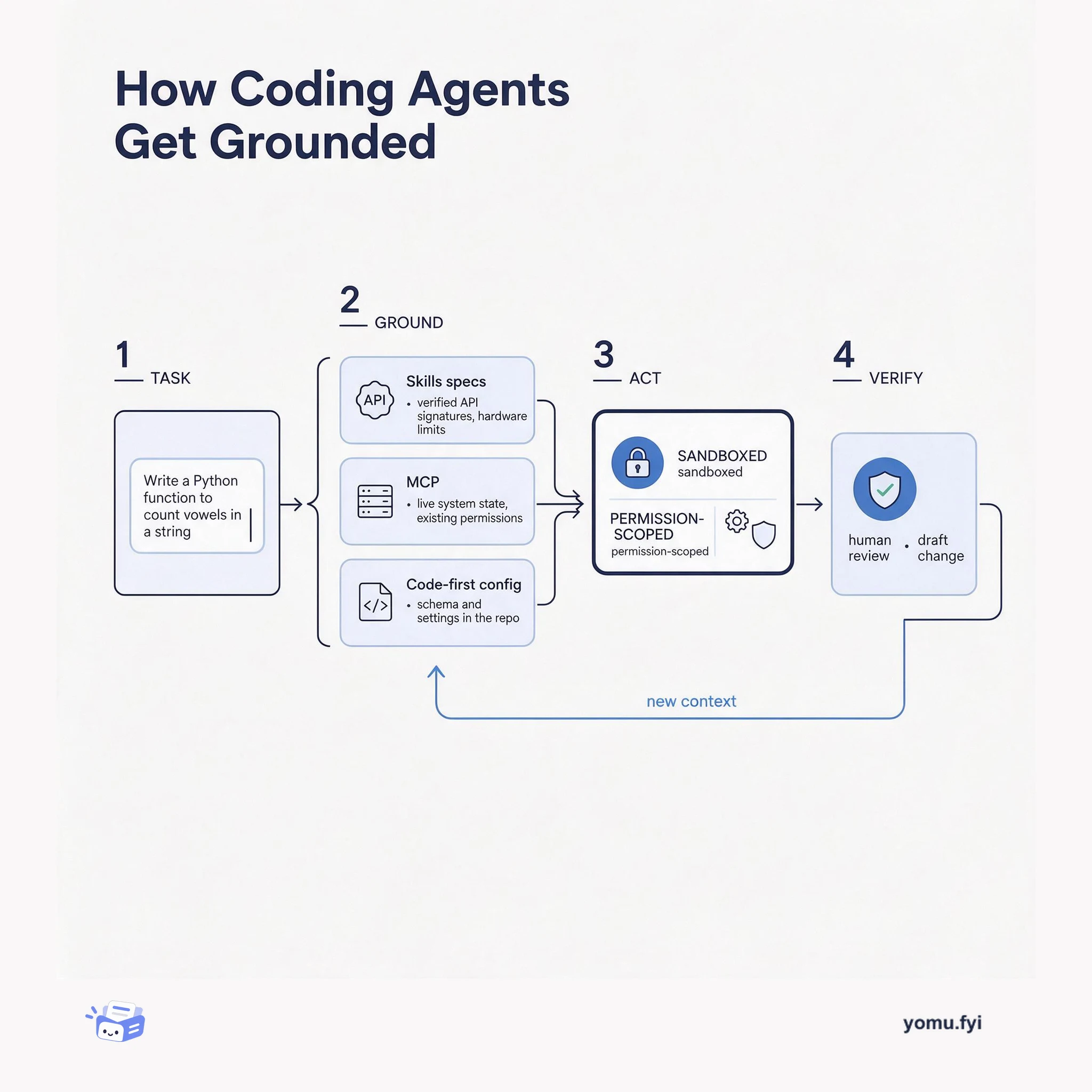
Genie Code is presented as a natural-language assistant for developing, orchestrating, deploying, and debugging data pipelines and jobs. It uses pipeline and job context, including code, configuration, run results, Unity Catalog metadata, lineage, popularity, and code samples, to help engineers discover datasets and understand data flows. Engineers can describe pipelines or jobs, and Genie Code can generate Spark Declarative Pipelines with Bronze, Silver, and Gold layers, sources, transformations, data quality expectations, and outputs, then configure orchestration, schedules, dependencies, Auto Loader, AutoCDC flows, and Declarative Automation Bundles. It also analyzes failures and unexpected row-count or schema changes, proposes cross-file updates with reviewable diffs, and supports extensions through custom instructions, agent skills, and MCP servers. The stated result is faster development and guided debugging while workflows remain aligned with Unity Catalog governance, performance, and data quality standards; future plans include background failure response and cluster right-sizing.