Agentic AI: Where Autonomy Helps, Where Control Must Stay
A trade-offs guide to agentic AI: use agents for open-ended analysis and repair, but keep execution deterministic, context governed, and human checkpoints explicit.
Agentic AI is most useful when it is treated as a control-plane capability, not a replacement for every deterministic step. The supplied examples point to a practical split: agents analyze telemetry, reproduce failures, simulate options, and recommend actions, while fast execution paths stay rule-based and bounded. The trade-off is real: more autonomy buys adaptation and coverage, but it adds nondeterminism, governance ambiguity, and verification cost, so teams need governed context, explicit human checkpoints, and conformance-tested authorization.
FAQ
When should an agent act directly instead of only recommending an action?
Use direct action only when the action is bounded, reversible, and fast enough to require a deterministic execution path. The MongoDB payment-routing blueprint separates an agentic control plane that analyzes and recommends from a rule-based data plane that executes in milliseconds, with human approval for higher-risk cost decisions.
Why isn't a JSON schema enough to govern agent actions?
A JSON schema validates payload shape, not authorization semantics. The supplied governance example shows that ambiguous identifiers or normalization rules can let two implementations reach opposite verdicts for the same input, so agent authorization needs tighter specifications, deterministic resolution, and conformance tests.
How do human checkpoints scale when agents produce many outputs?
Use a human-on-the-loop model where engineers set criteria rather than reviewing every output. Meta’s JiTTesting combines an LLM-as-Judge ensemble with a rule-based assessor and reports a 60 percent true-positive rate, showing how filtering can scale while keeping human judgment at the policy level.
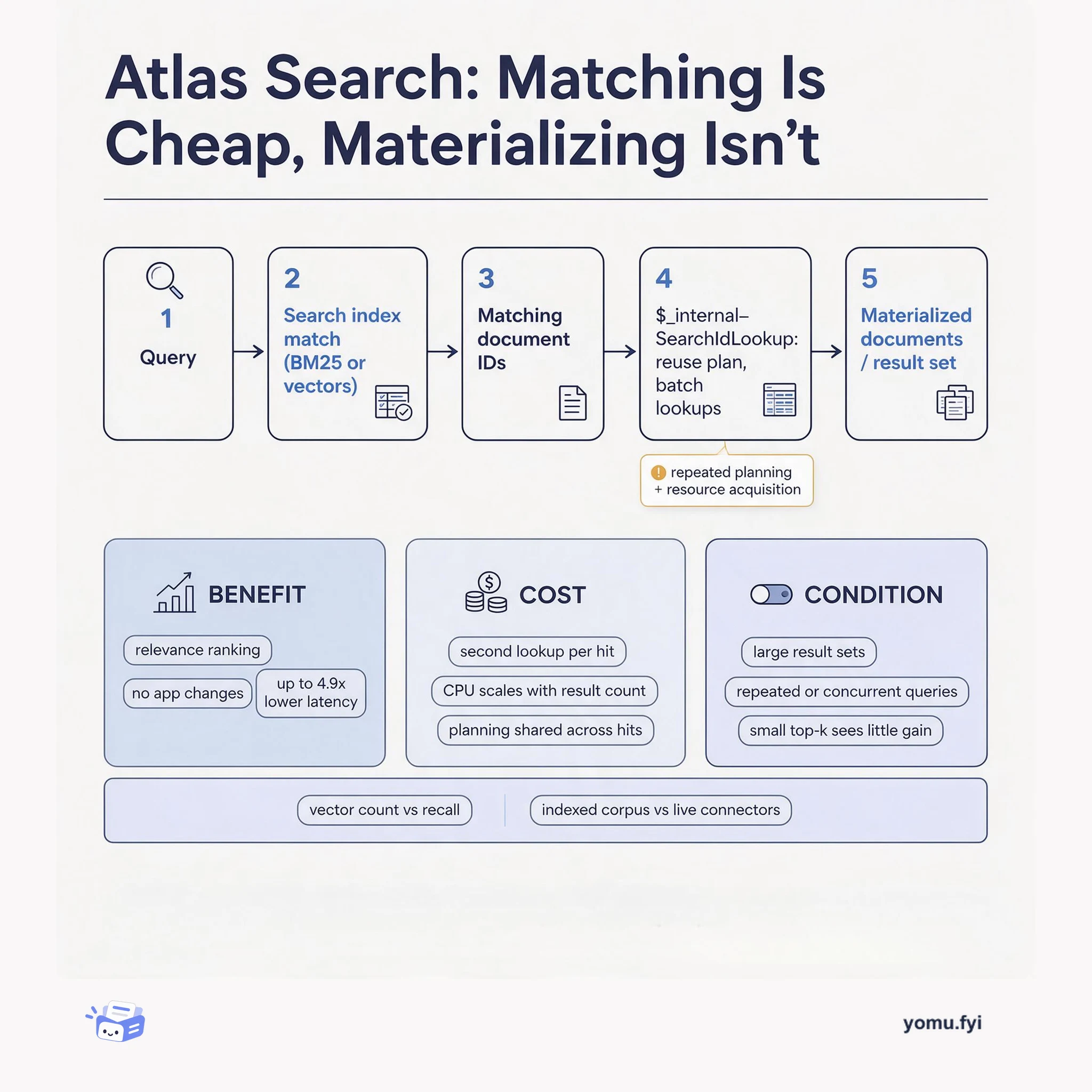
Atlas Search finds matching document IDs fast, but materializing each hit from the collection is where the latency and CPU go. This trade-off map shows the benefit, the cost, and the condition for accepting that second phase.
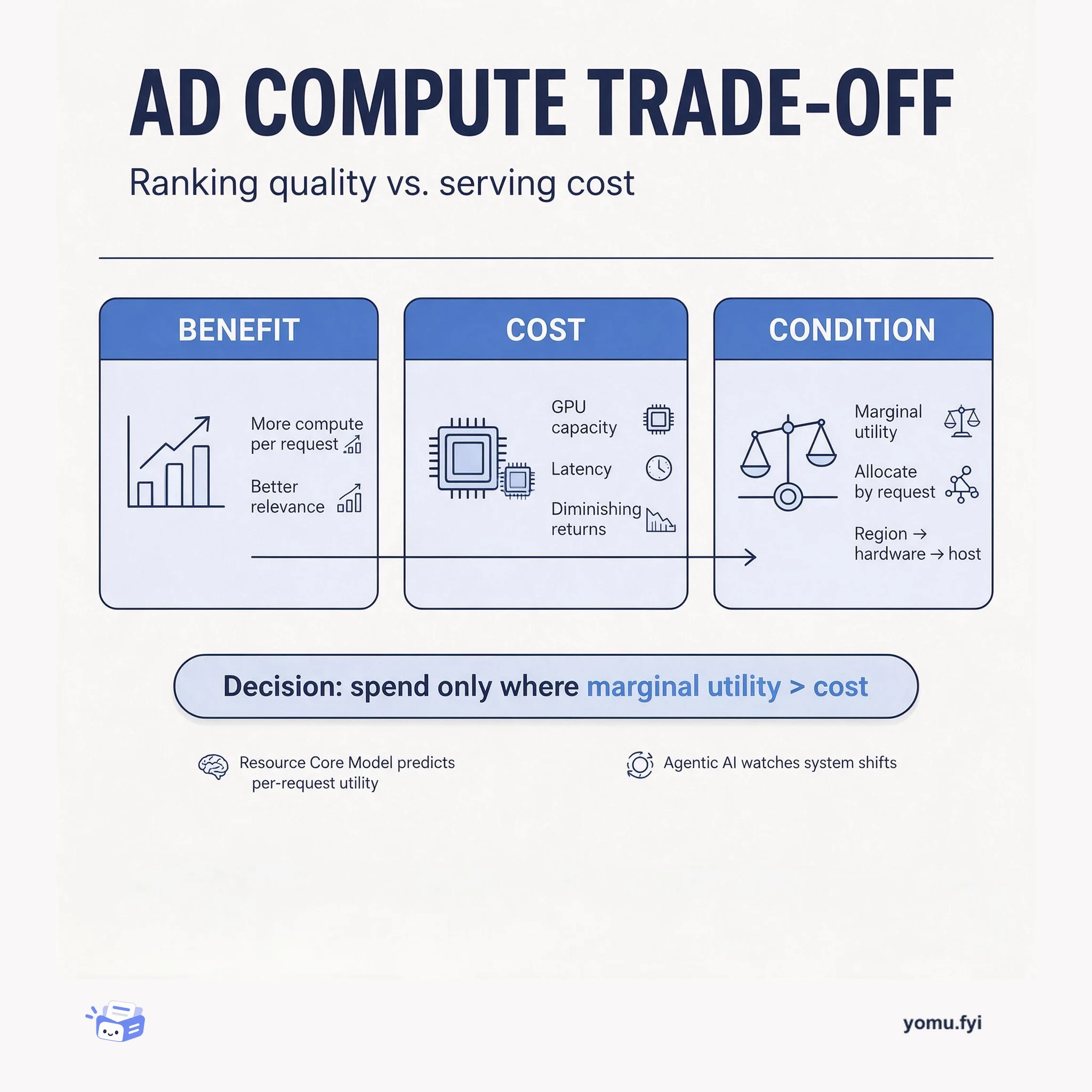
Ad ranking is a compute trade-off: more resources per request can improve relevance, but GPU capacity and latency are finite. Learn how to allocate by marginal utility instead of uniformly.
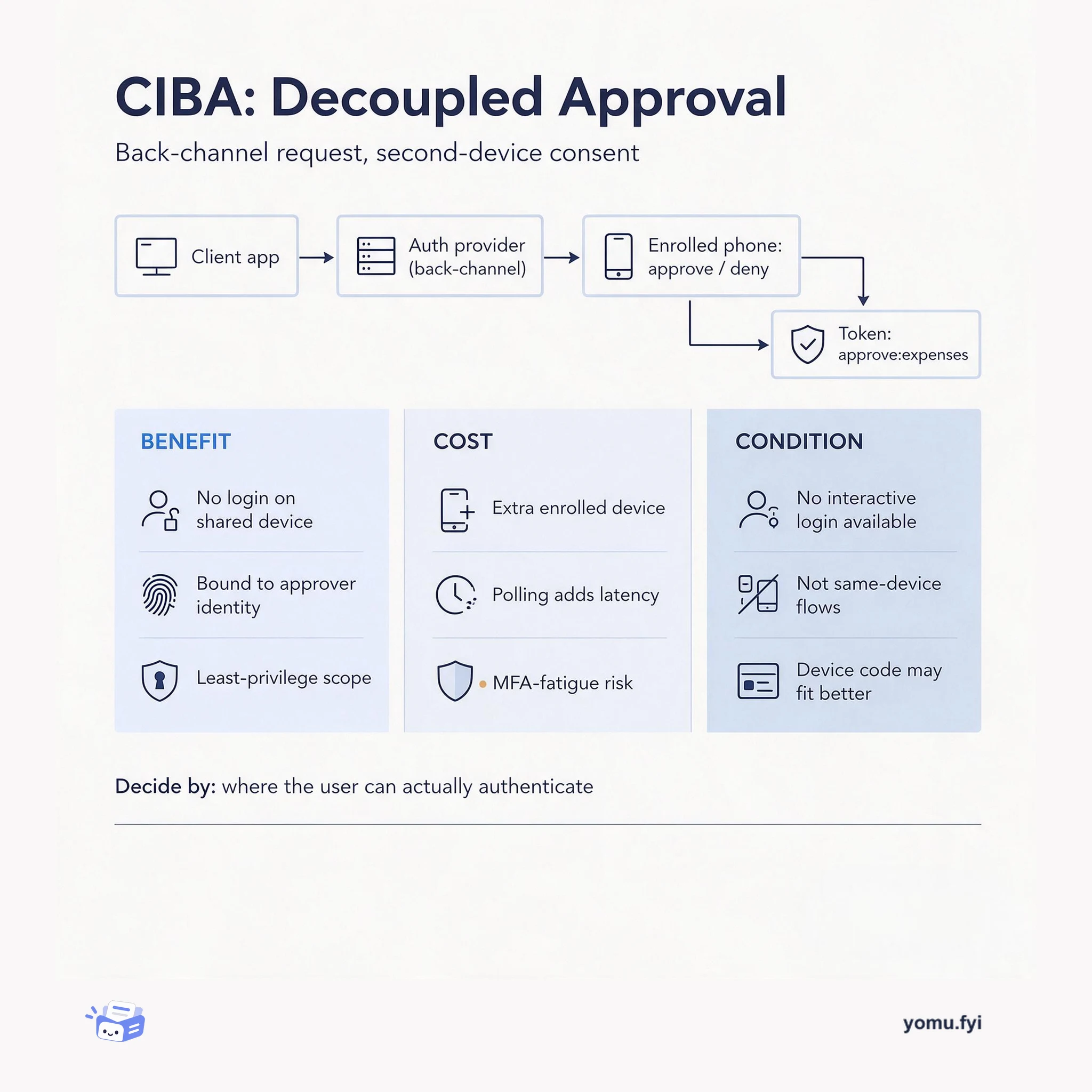
CIBA moves authentication off the device in use: the client sends a back-channel request and the user approves on an enrolled phone. See what that buys and what it costs.
The Good Stuff
Paid picks we use ourselves. Links carry a referral code — a subscription through one earns us a commission at no extra cost to you.