Amazon ECS for Scheduled Data and ML Work: Five Checkpoints
Amazon ECS runs containerized batch and ML jobs as scheduled tasks, but the hard parts are capacity, state, and failure behavior. This five-checkpoint path shows what to verify before you scale.
Amazon ECS runs containerized work as tasks, so a data or ML pipeline becomes task definitions plus the capacity that runs them. A practical path confirms the app is genuinely container-ready, splits capacity into separate Auto Scaling groups per instance type, and lets a scheduler like Airflow submit tasks on a cadence. Durable state stays in a database and governance context stays with the data, not inside the ephemeral task. Final checkpoints prove failure behavior with fault injection tests and pin reproducible images so the deployed artifact is verifiable.
FAQ
Why split ECS capacity into separate Auto Scaling groups per instance type?
Manta ran Airflow-orchestrated ETL and ML workloads as ECS tasks on separate Auto Scaling groups per instance type, including Graviton-based instances for better price performance. Keeping groups homogeneous lets each family scale on its own signals instead of averaging across incompatible instance shapes. It also makes the cost and performance trade-off of a Graviton move visible per workload.
How do I know an ECS service will survive an Availability Zone failure?
AWS Resilience Hub's recommended resilience testing generates fault injection experiments from your existing policies, including Availability Zone recovery and dependency validation. Each run returns pass or fail against your success criteria and recovery time objective, plus a point-in-time report. That converts an assumption about failover into evidence you can review.
Should state and governance live inside the ECS task?
No. ECS tasks are ephemeral, so Manta keeps per-vessel model data in RDS while the task itself is disposable. Governance context can likewise travel with the data rather than the job, as S3 Annotations do when objects are copied or replicated. Keep tasks stateless and let durable stores carry state and policy.
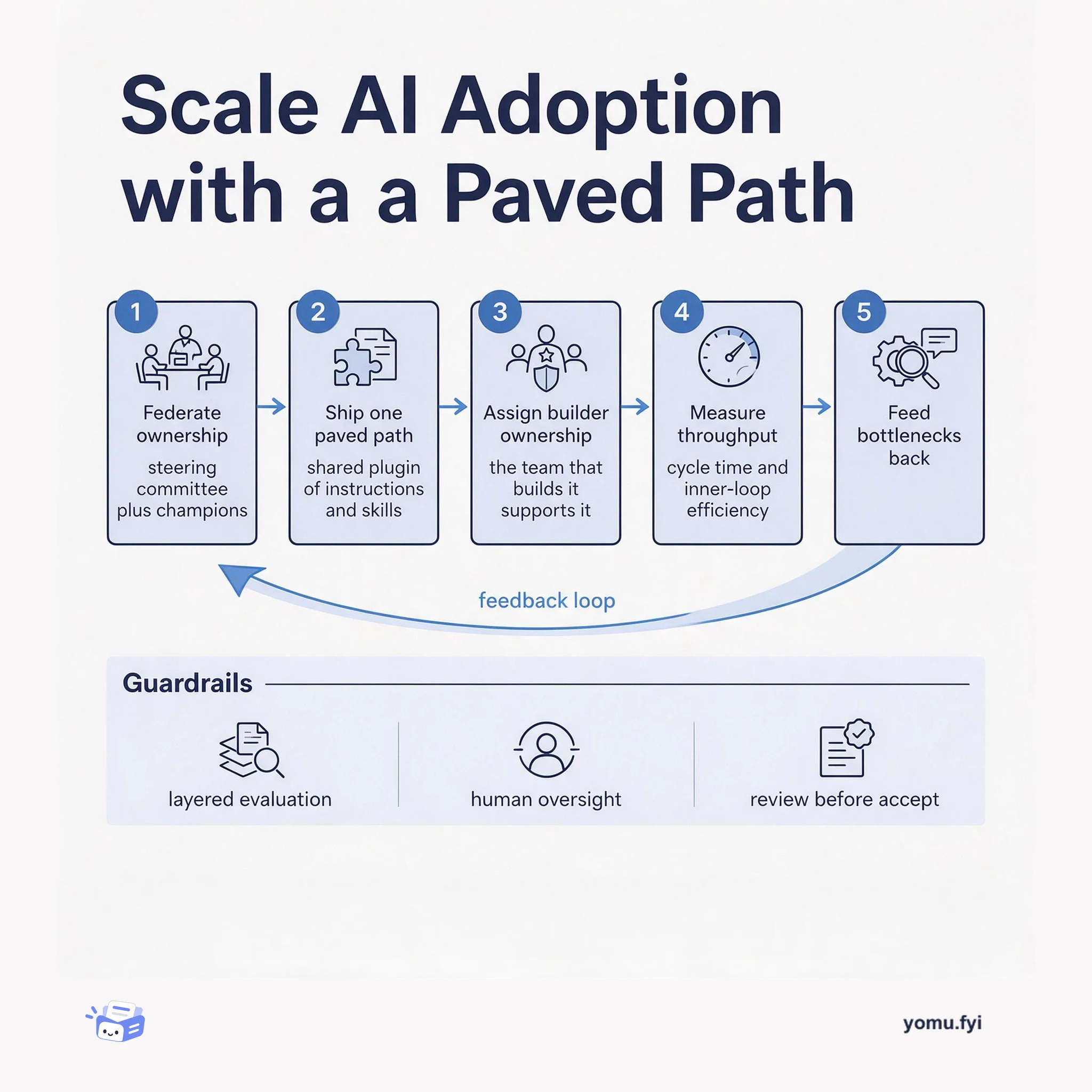
A five-step how-to for scaling AI adoption across engineering teams: federate ownership, ship one shared paved path, let builders own their tools, measure throughput, and feed bottlenecks back into the path.
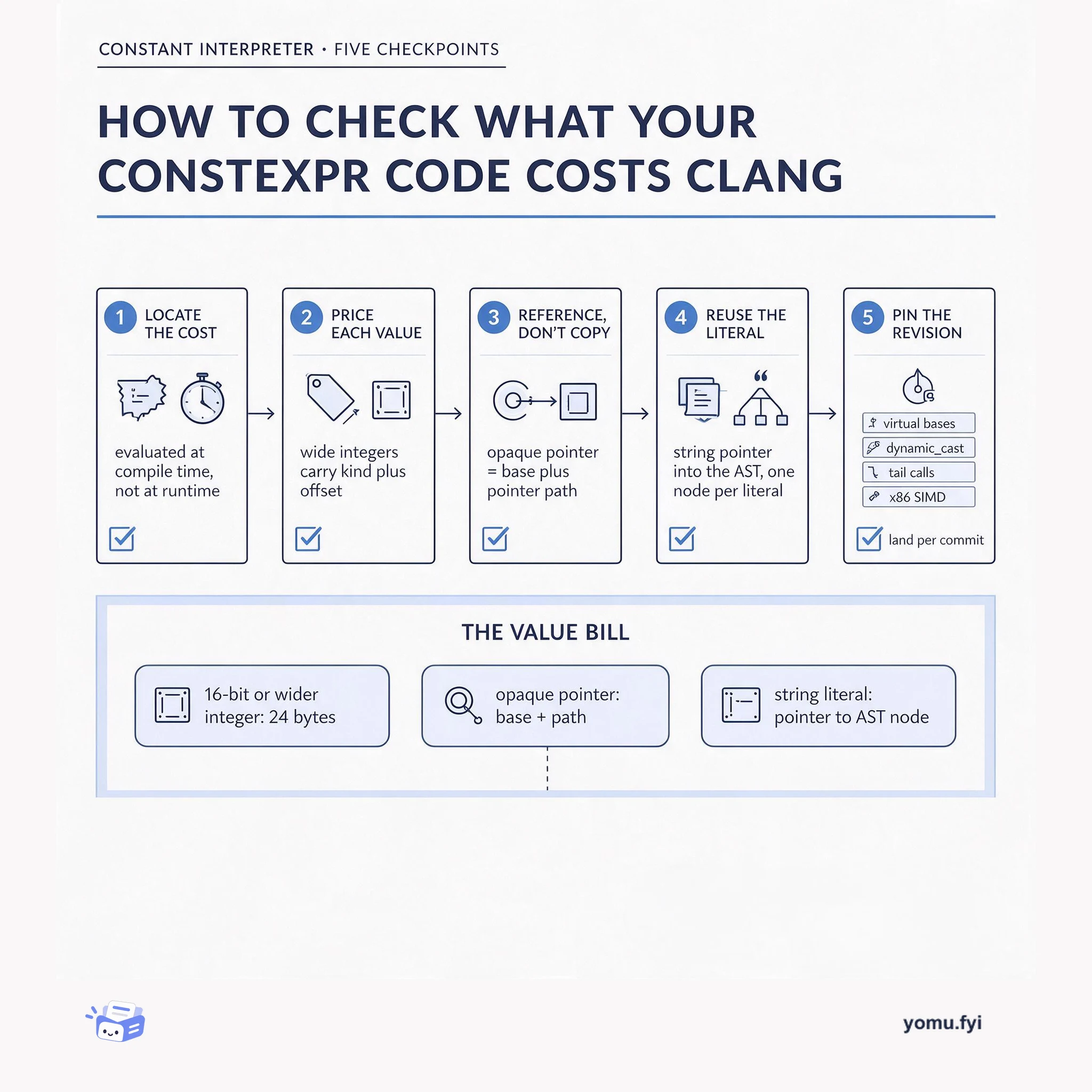
Clang's constant interpreter evaluates constant expressions at compile time, so the bill lands on your build, not your binary. This five-checkpoint guide shows where that memory goes and how to keep it small.
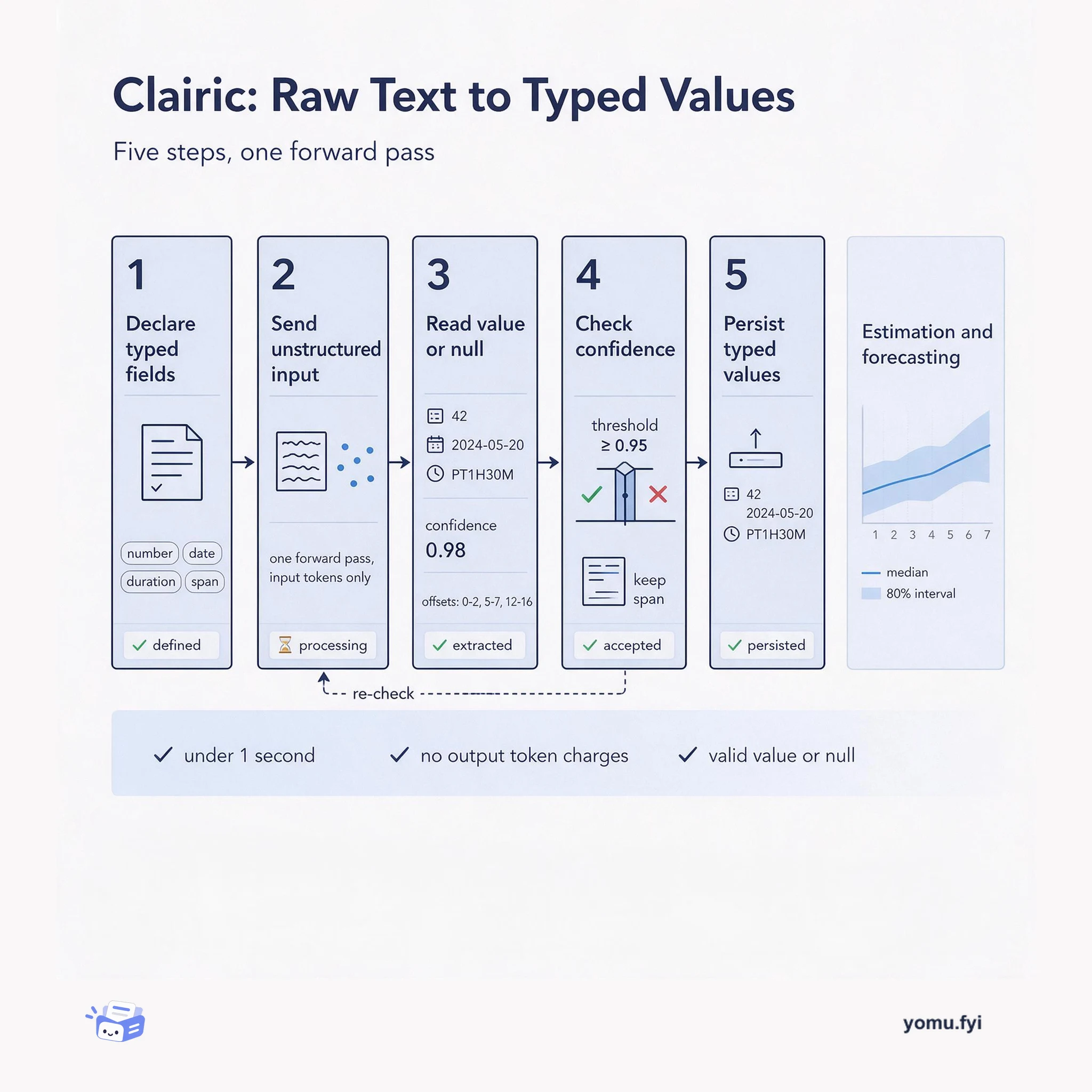
Clairic is a System One extraction model that turns unstructured input into typed values in a single forward pass. This five-step flow shows how to declare fields, call it, and use the results.
The Good Stuff
Paid picks we use ourselves. Links carry a referral code — a subscription through one earns us a commission at no extra cost to you.