Audiobook Narration Trade-offs: Style Control vs. Unit Cost
A tradeoff map for synthetic audiobooks: natural-language style control buys character differentiation, but spends captioned data, tokens, and compute. See which lever to pull first and when plain narration is good enough.
Controllable text-to-speech lets a producer describe delivery in words, like an enthusiastic, high-pitched voice for one character, rather than tuning prosody by hand. That control is not free: it needs a pipeline that captions prosody, a model that profiles characters and labels dialogue, and a tuning loop that rejects any voice breaking a quality tolerance. Delivery and spend follow the same shape: a seek should fetch an aligned chunk instead of a whole file, and easy narration should route to a cheap model while dialogue gets the expensive one. Together these panels show which lever to pull first, and when plain narration is genuinely good enough.
FAQ
What has to be built before word-level style control pays off?
Three things: a data pipeline that captions prosody, a model that profiles characters and labels each dialogue line, and a validation loop that measures every candidate against a quality tolerance before release. Without captions and profiling, a style prompt has nothing to attach to. Without a tolerance gate, a tuning pass can raise expressiveness while quietly degrading overall naturalness.
When is routing most of a title to a cheaper model the right call?
Route by difficulty: long uniform narration suits a smaller, cheaper model, while character dialogue and high-emotion passages need the controllable one. Databricks' Smart Router cut average task cost by about 30% while holding quality, and its results show the loop must be re-run after any change to model, inputs, hardware or stack.
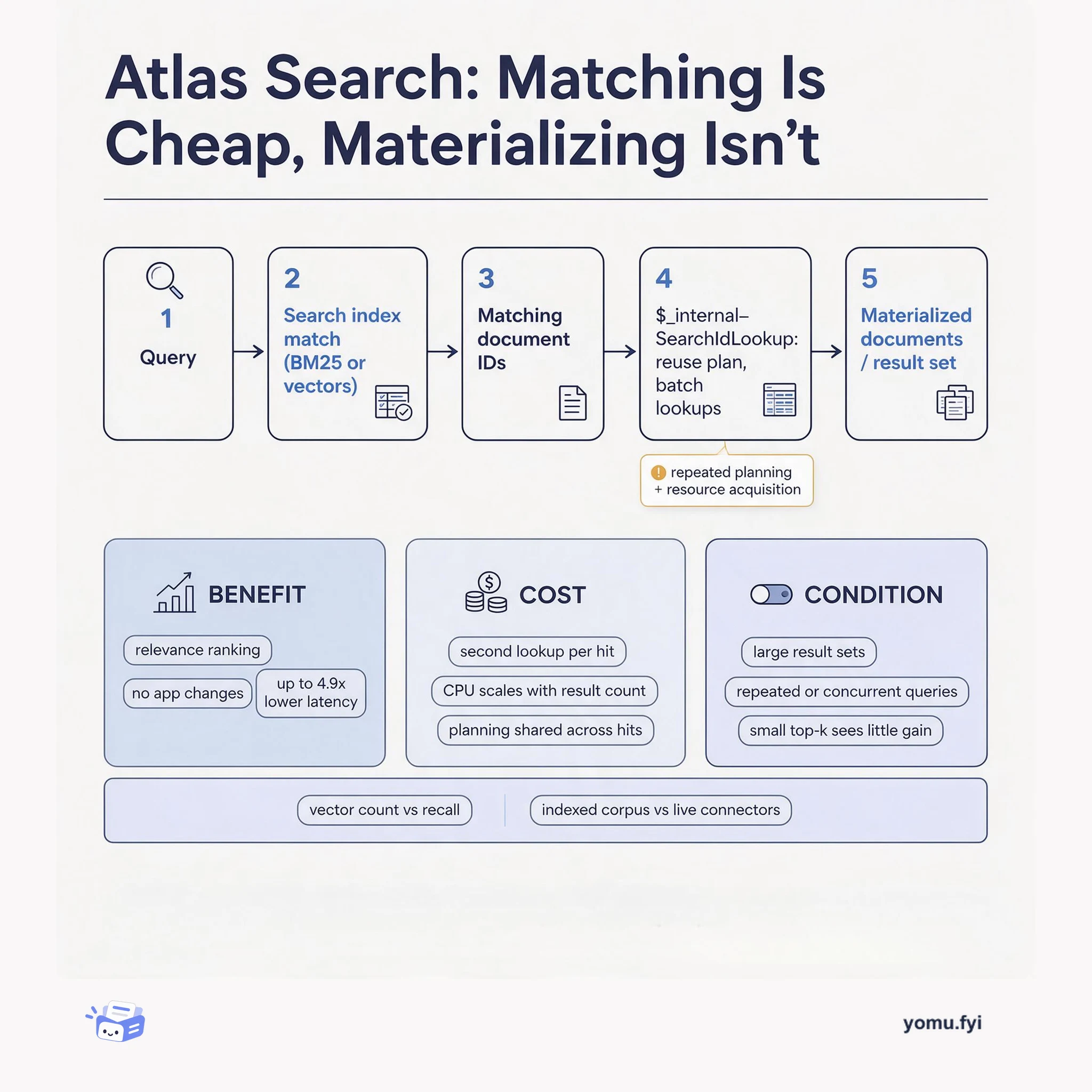
Atlas Search finds matching document IDs fast, but materializing each hit from the collection is where the latency and CPU go. This trade-off map shows the benefit, the cost, and the condition for accepting that second phase.
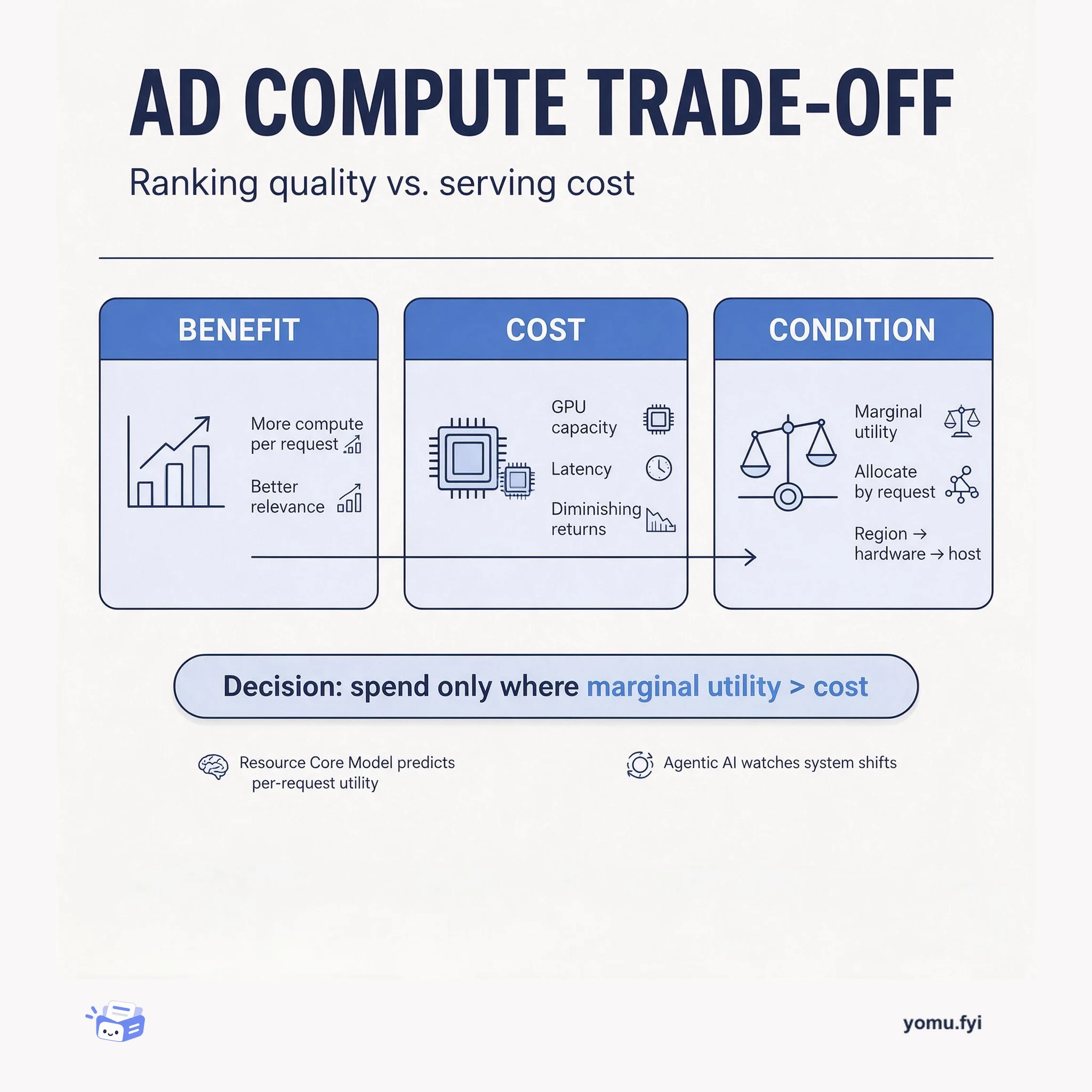
Ad ranking is a compute trade-off: more resources per request can improve relevance, but GPU capacity and latency are finite. Learn how to allocate by marginal utility instead of uniformly.
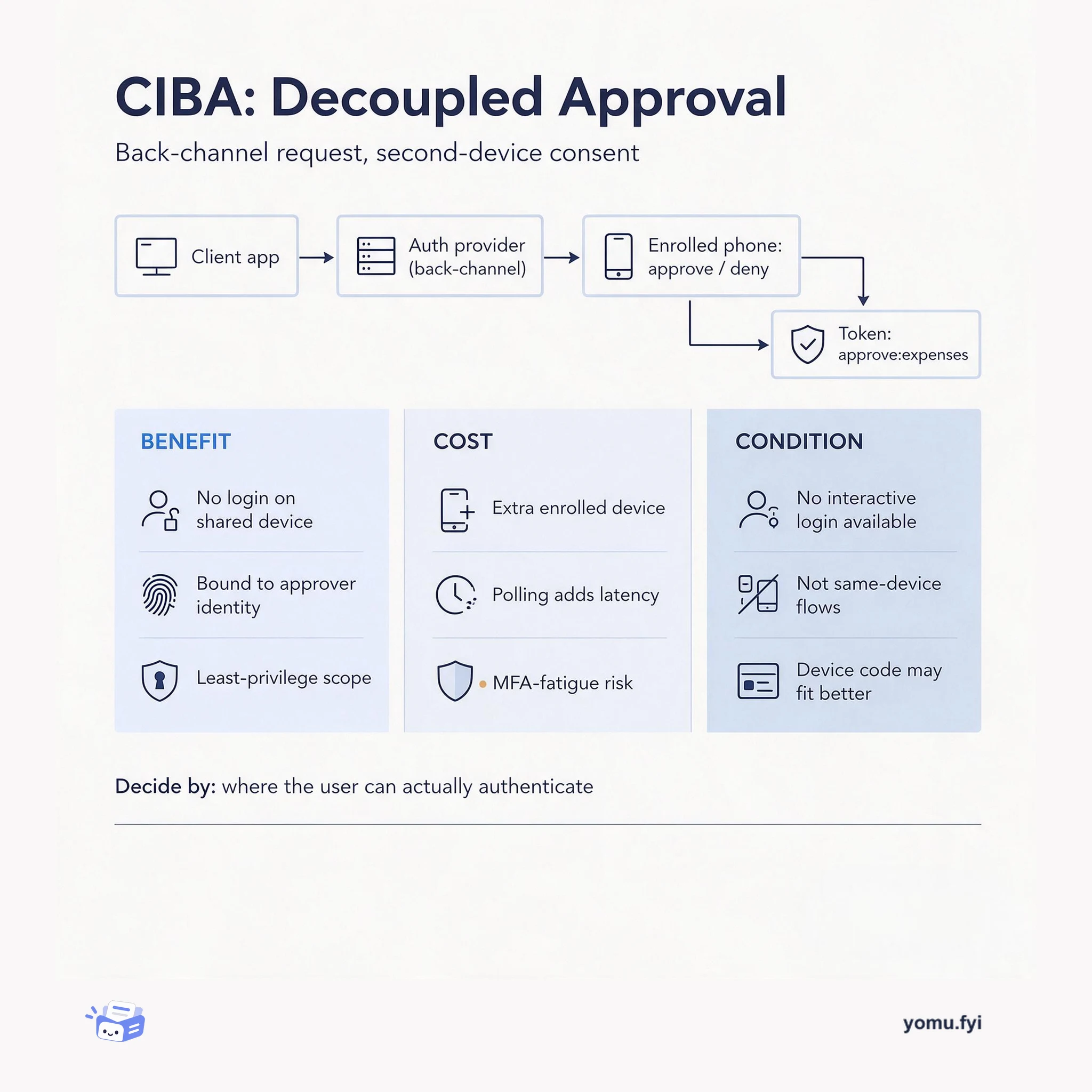
CIBA moves authentication off the device in use: the client sends a back-channel request and the user approves on an enrolled phone. See what that buys and what it costs.
The Good Stuff
Paid picks we use ourselves. Links carry a referral code — a subscription through one earns us a commission at no extra cost to you.