GDPR is a major regulatory change affecting all companies with EU customers globally, standardizing data handling and requiring legal justification for processing and user data rights. A privacy ecosystem includes all vendors and integrations sharing customer data, and the weakest link determines overall security, as a breach anywhere damages trust. Companies must invest in security programs with penetration testing, continuous monitoring, vulnerability disclosure, staff training, and a healthy paranoia about risks to protect against external attacks and data breaches. They should track and reduce unnecessary data access, choose vendors with contractual assurances and mature security, audit third-party providers regularly, and establish developer guidelines for integrations. Active communication and transparency about data storage, retention, and deletion are crucial for customer trust, and properly trained sales and support teams can turn GDPR compliance into a marketing differentiator.
Context
Intercom blog post from 2018 discussing the importance of a privacy ecosystem for GDPR compliance, covering security programs, vendor management, and customer communication.
Approach / What changed
A set of recommended practices for building a privacy ecosystem: invest in a security program with penetration testing, continuous monitoring, vulnerability disclosure, and staff training; track and reduce unnecessary data access; choose vendors with contractual assurances and mature security, and audit them regularly; establish developer guidelines for integrations; and communicate actively and transparently with customers about data storage, retention, and deletion.
Takeaways
1
GDPR applies to all companies with EU customers regardless of location, requiring legal justification for data processing and enabling user data access, consent removal, and deletion.
2
A privacy ecosystem includes all vendors and integrations sharing customer data, and the weakest link determines overall security; a breach anywhere damages customer trust.
3
Active communication and transparency about data practices are crucial for customer trust, and proper GDPR knowledge can become a sales differentiator.
FAQ
What is a privacy ecosystem?
A privacy ecosystem includes all vendors and integrations a company shares customer data with. The weakest link in that ecosystem determines overall security, as a data breach anywhere damages customer trust.
How can companies ensure GDPR compliance with third-party vendors?
Companies should choose vendors with mature security programs, set up contractual assurances for compliance, and audit third-party service providers regularly to meet regulatory requirements.
Why is communication important for GDPR compliance?
Active communication and transparency about data storage, retention, and deletion are key to customer trust. Properly trained sales and support teams can turn GDPR compliance into a marketing differentiator.
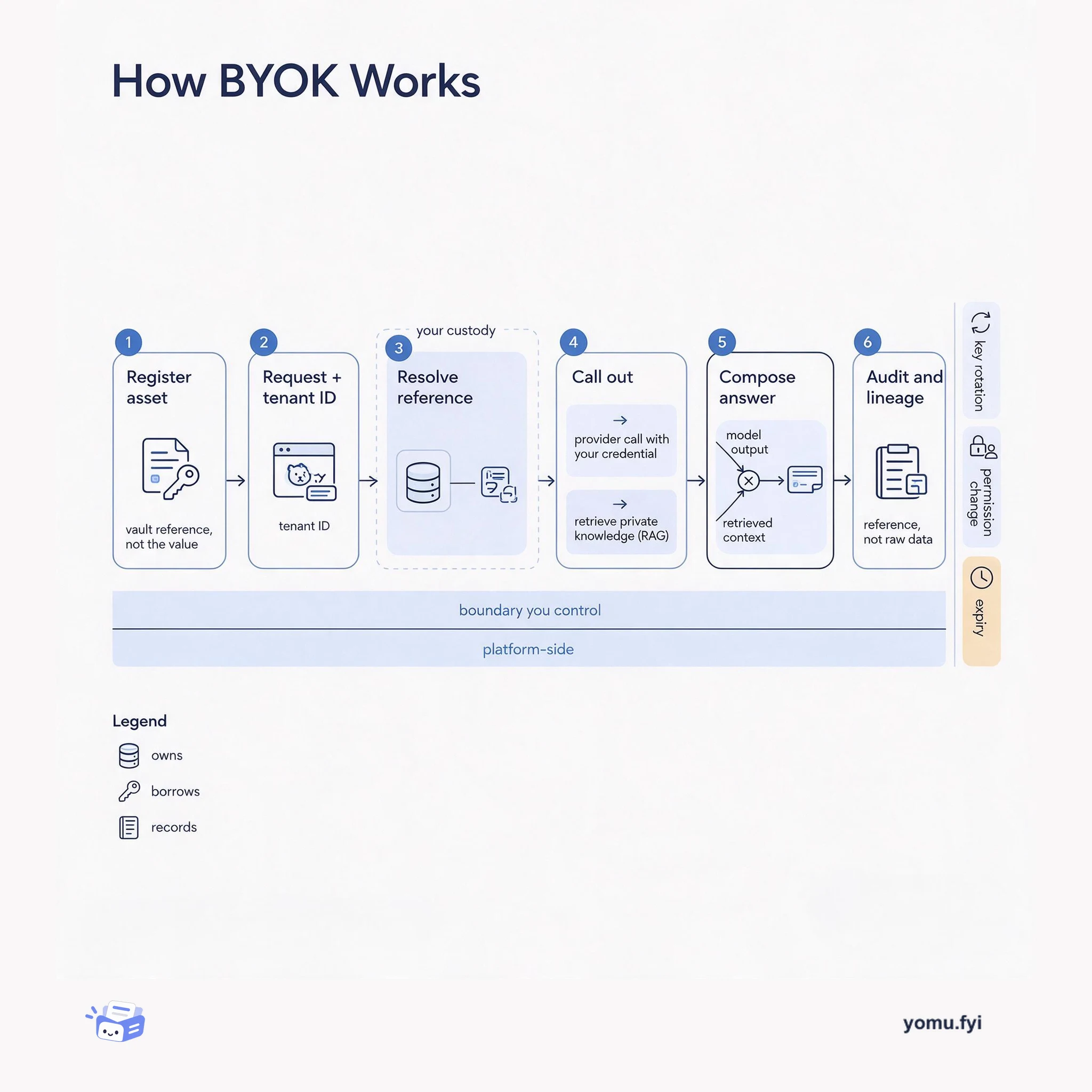
BYOK lets a system run on assets you supply — your model credential or your private knowledge — instead of the vendor's defaults. This walkthrough traces six steps from registration to an audited response.
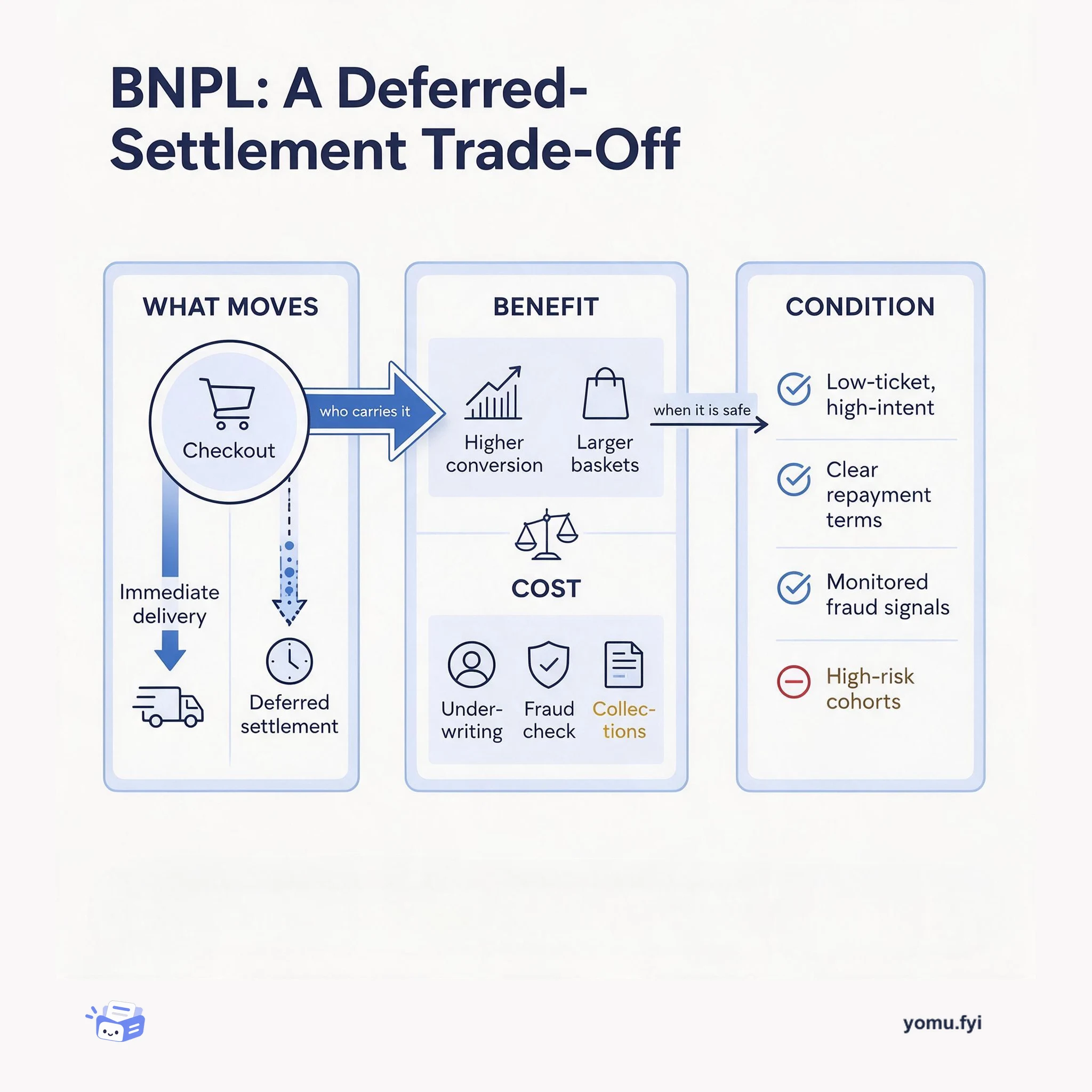
Buy Now, Pay Later is a deferred-settlement trade-off: merchants gain conversion while underwriting, fraud, and collections risk move elsewhere. This diagram maps the benefit, the cost, and the condition that decides.
Compare two mental models for brand: a static artifact (logos, guidelines, centralized control) and a living operating system (values, APIs, support, trust). See which choices fit your engineering team.
Keep reading
Related reading
The Good Stuff
Paid picks we use ourselves. Links carry a referral code — a subscription through one earns us a commission at no extra cost to you.