A trade-off map for change management: reversible changes can move fast with light gates, while irreversible ones need staged rollout, auditability, and adoption work.
Change management is the set of gates, rollout patterns, and adoption work that surrounds a change. The trade-off is speed against safety: every gate buys auditability and blast-radius control but costs cycle time and engineer attention. The condition that should decide is reversibility — cheaply reversible changes, like copy-on-write test branches or opt-in workload migration, can ship fast, while irreversible ones justify staged rollout, governance, and training. Readers learn to size the gate to the change instead of applying one process to everything.
FAQ
When can a change skip heavy governance?
When it is cheaply reversible and has a small blast radius. Copy-on-write database branches that provision in seconds and expire on a TTL, or a workload migration that teams opt into per service, can be undone quickly, so light gates and fast feedback usually beat a formal review cycle.
What does staged rollout actually buy over a big-bang change?
Blast-radius control and a working rollback path. Diverting workloads to a secondary cluster for a rolling update, or letting teams opt in with taints and tolerations, keeps a bad change from reaching every workload at once and lets migration proceed at each team's own pace.
Why do platform or AI changes stall even when the technology works?
Because adoption is part of the cost, not an afterthought. Change management needs awareness, communication, and training, plus buy-in from influential team members and transparent feedback, so the reasoning behind a change is visible before it reaches everyone.
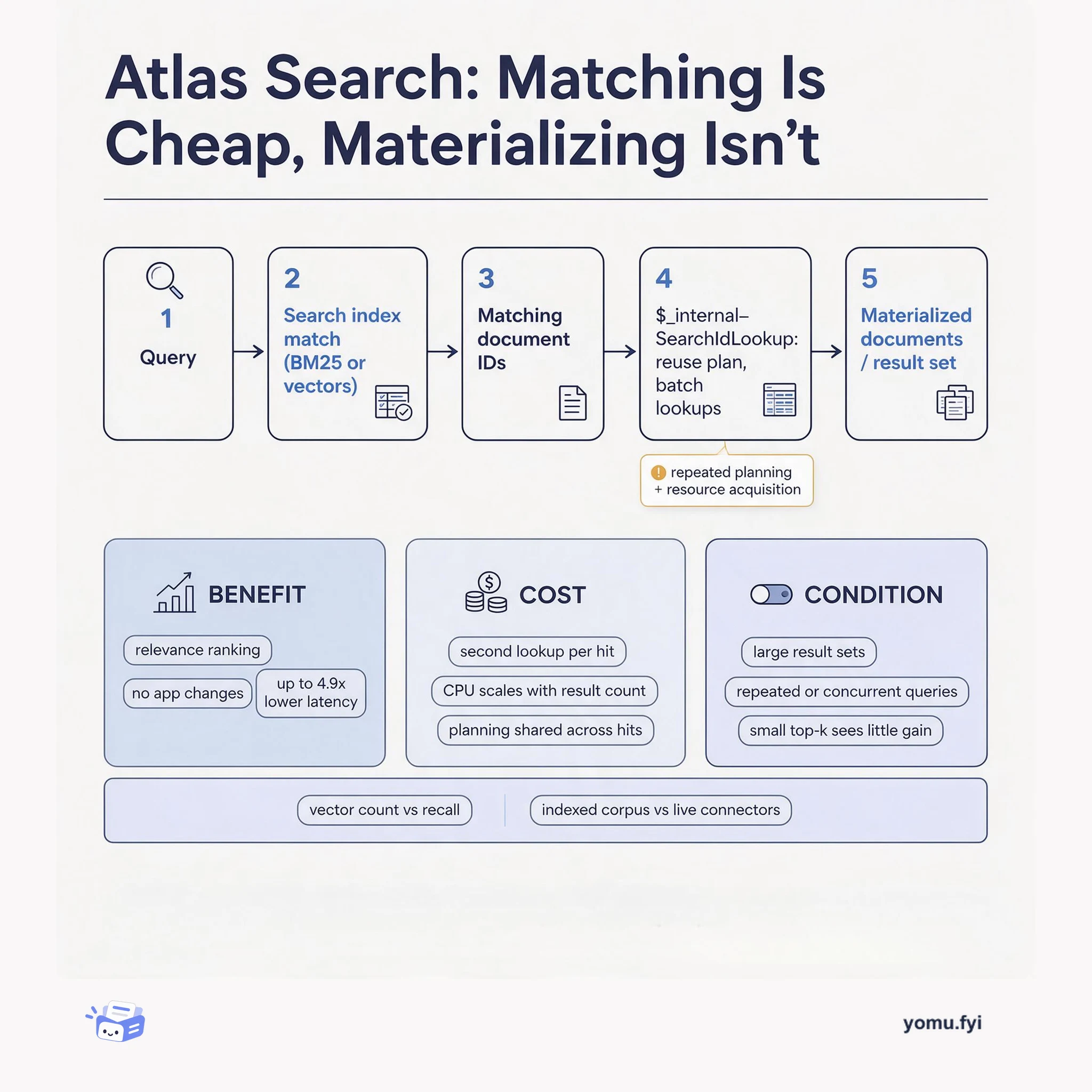
Atlas Search finds matching document IDs fast, but materializing each hit from the collection is where the latency and CPU go. This trade-off map shows the benefit, the cost, and the condition for accepting that second phase.
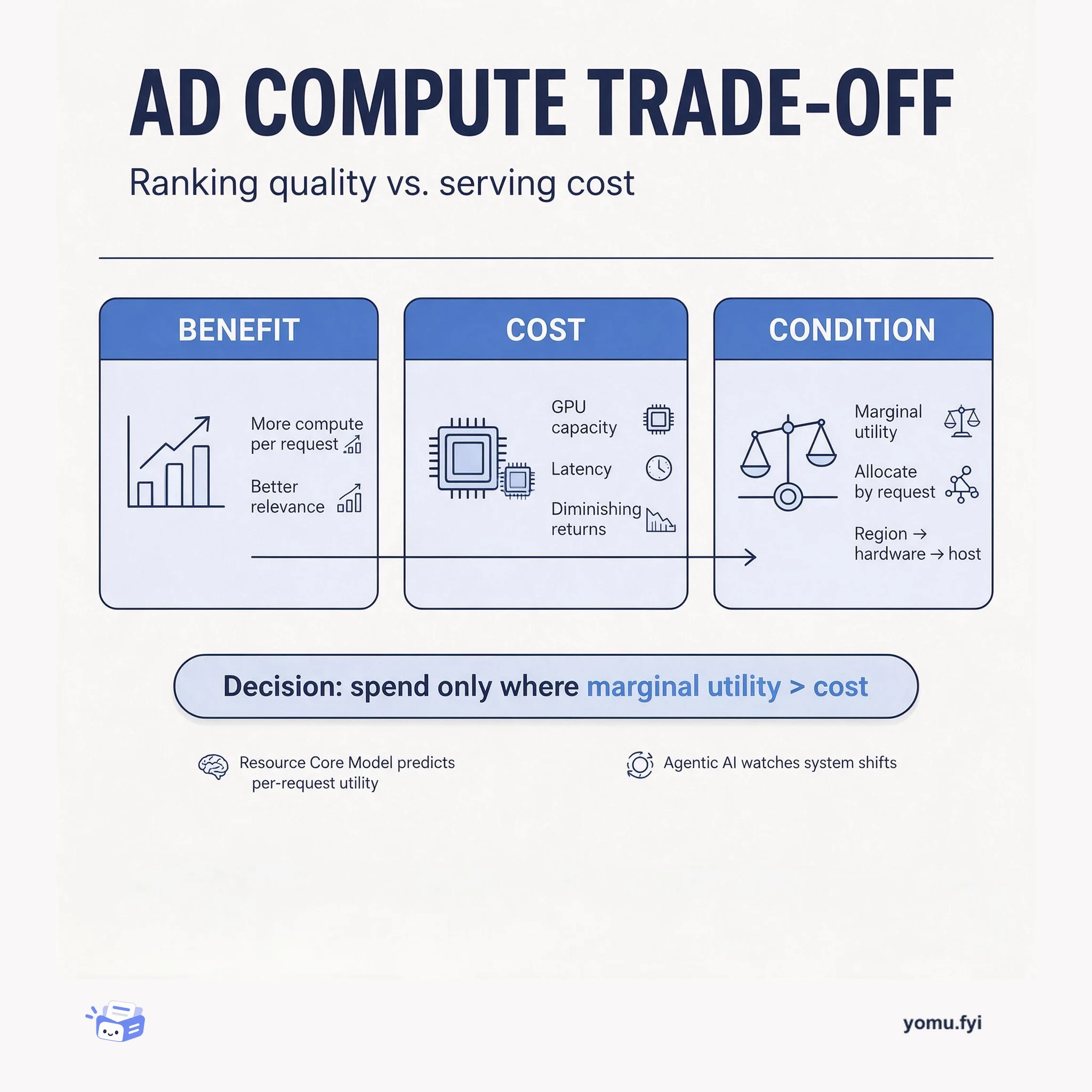
Ad ranking is a compute trade-off: more resources per request can improve relevance, but GPU capacity and latency are finite. Learn how to allocate by marginal utility instead of uniformly.
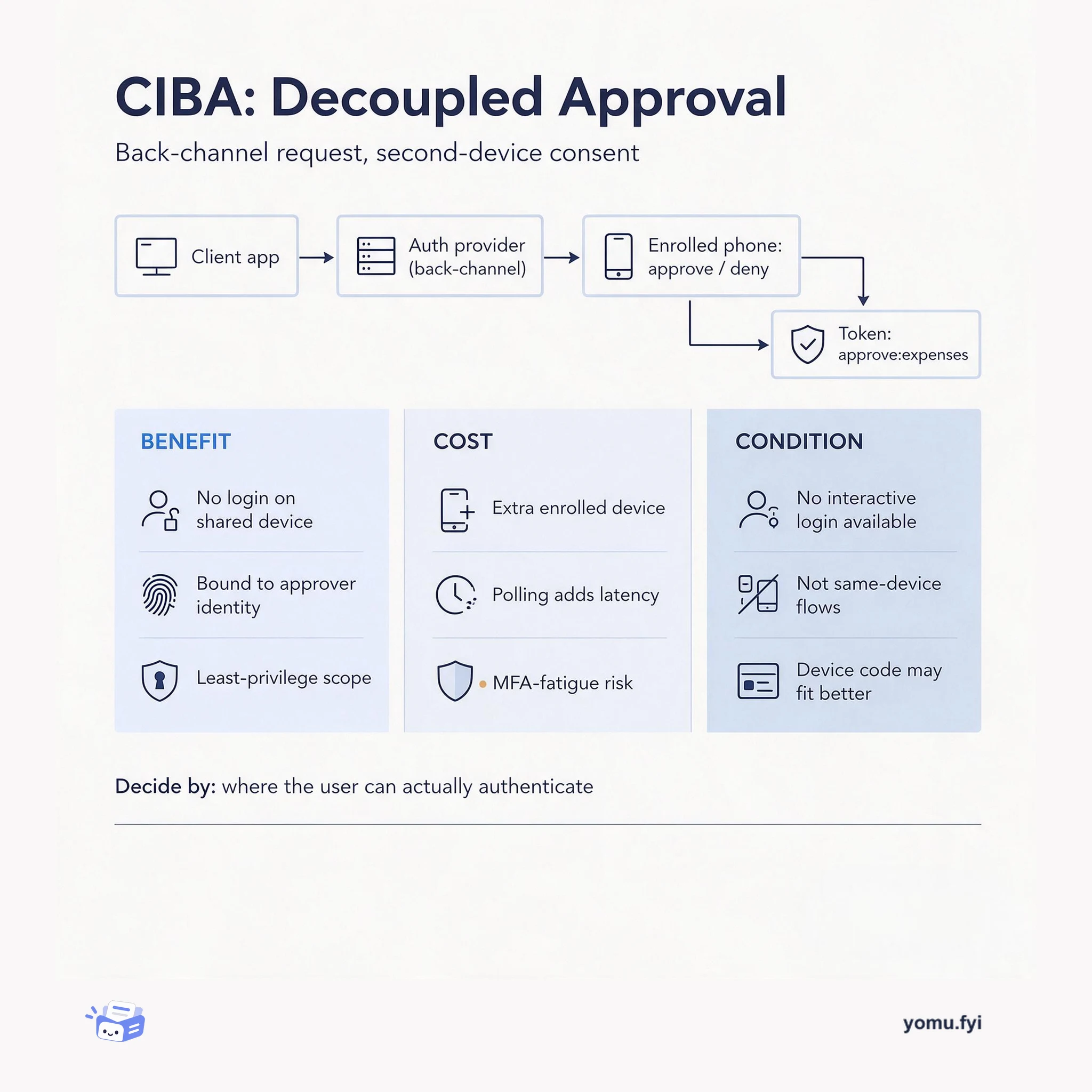
CIBA moves authentication off the device in use: the client sends a back-channel request and the user approves on an enrolled phone. See what that buys and what it costs.
The Good Stuff
Paid picks we use ourselves. Links carry a referral code — a subscription through one earns us a commission at no extra cost to you.