From Agent Folder to Shippable Agent: Five Checkpoints
An Agent SDK agent is a folder of instructions, tools, skills, and channels. This walkthrough follows five checkpoints from local validation to gateway-gated tool calls and replayable evals.
The Agent SDK treats an agent as a folder of code: an instructions.md prompt, typed functions in tools/, loadable procedures in skills/, MCP server tools in mcp-connections/, and message handling in channels/. Shipping one is less about the model call than about the checkpoints around it: validate the structure locally before deploying, decide which channels may reach the agent, put a policy boundary in front of every tool call, and replay real pull requests as signed fixtures so evals can assert on tool calls and replies. Each checkpoint removes a class of failure that is expensive to debug once the agent is live.
FAQ
How do I test an agent without running it against live traffic?
The Agent SDK's replay command converts real pull requests into signed fixtures, so evals can assert on tool calls and replies without touching live repositories. A separate Databricks benchmark found declarative pipelines that validate structure before execution used roughly 34x less cluster compute than procedural ones, which is the same habit: catch structural errors before you spend runtime.
Where should tool permissions for an agent actually be enforced?
At the gateway, not in the prompt. A shared MCP gateway needs a policy boundary beyond authentication: validate OIDC or JWT credentials, authorize per tool against identity-provider role claims, and add network policy plus rate limits. Those controls map to OWASP risks for agentic applications including excessive agency, unbounded consumption, tool misuse, and identity abuse.
How narrow should an agent's tool and channel surface be?
Only as wide as a named requirement. The Agent SDK forces you to declare tools/, skills/, mcp-connections/, and channels/ explicitly, and Supabase scopes personal access tokens to one resource, one permission set, and an expiry so the blast radius is reviewable before use. Fly.io's MCP server goes further, authorizing per app and organization with no API token.
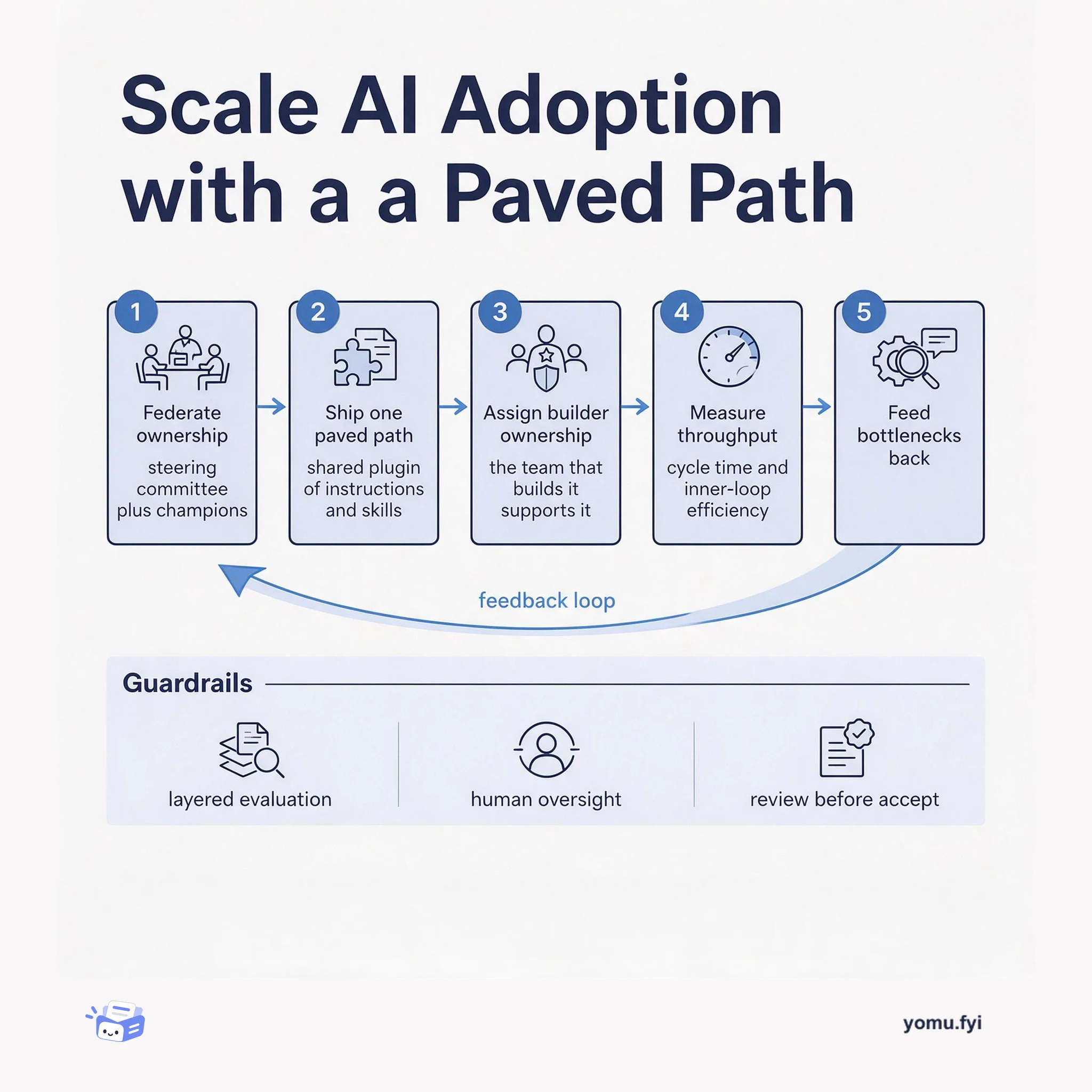
A five-step how-to for scaling AI adoption across engineering teams: federate ownership, ship one shared paved path, let builders own their tools, measure throughput, and feed bottlenecks back into the path.
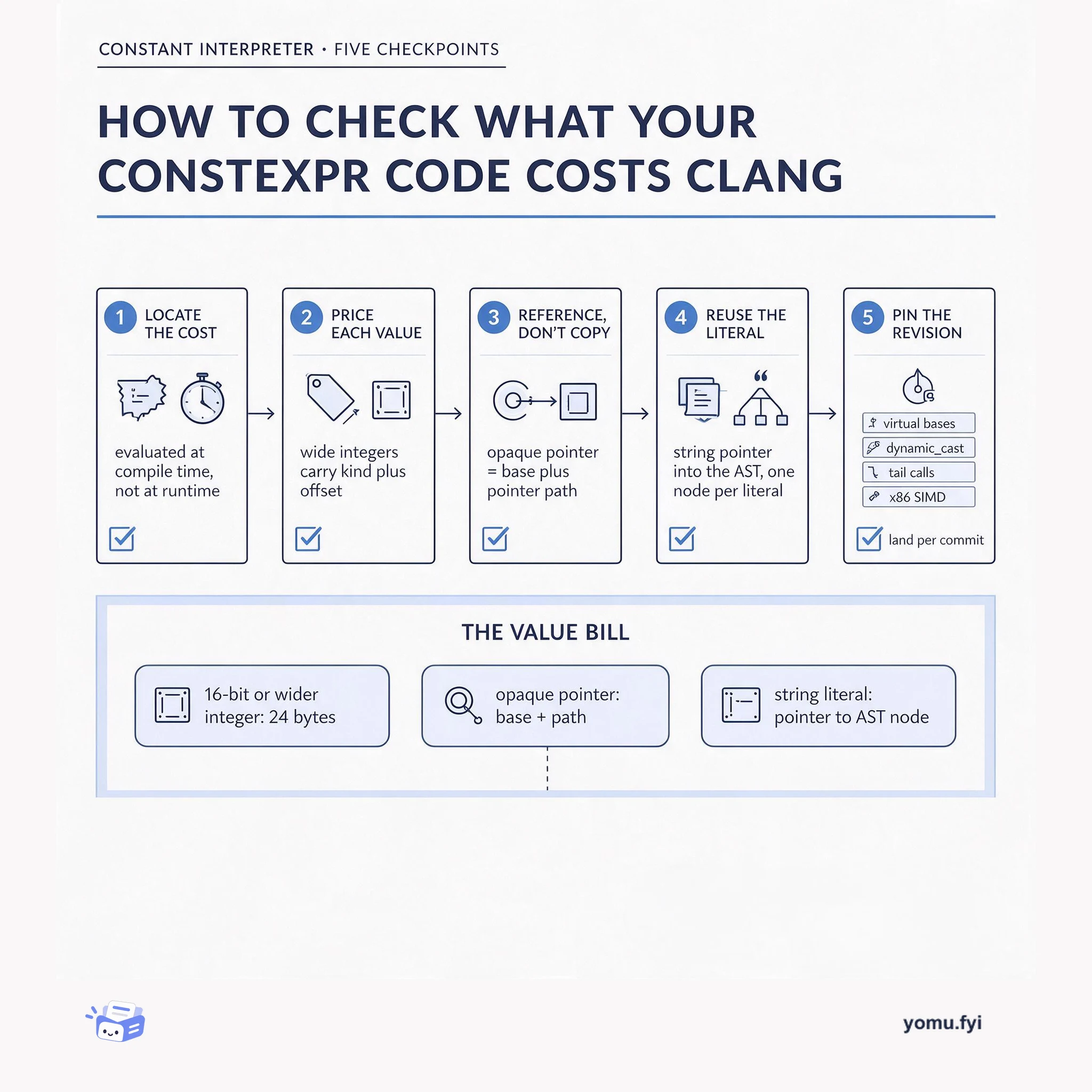
Clang's constant interpreter evaluates constant expressions at compile time, so the bill lands on your build, not your binary. This five-checkpoint guide shows where that memory goes and how to keep it small.
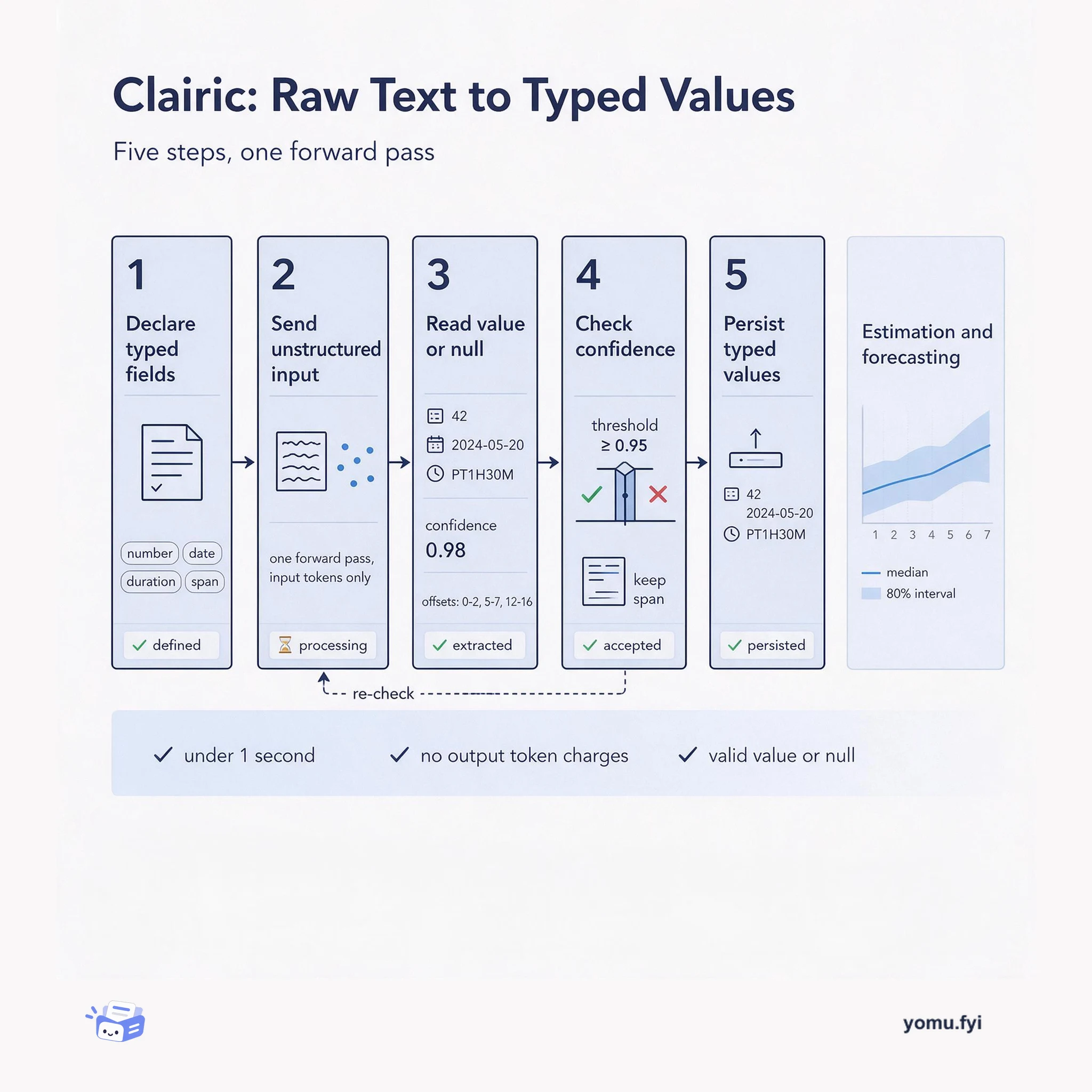
Clairic is a System One extraction model that turns unstructured input into typed values in a single forward pass. This five-step flow shows how to declare fields, call it, and use the results.
The Good Stuff
Paid picks we use ourselves. Links carry a referral code — a subscription through one earns us a commission at no extra cost to you.