A five-checkpoint loop for chip-design teams: pin reference artifacts, trace multistage agent runs, refine tool descriptions, and re-run a composite benchmark so outputs are verified, not merely plausible.
Chip-design agents can produce plausible but incorrect EDA artifacts. This explainer lays out a practical verification loop: define checks against reference outputs, run the agent in a multistage environment, inspect trajectories for failure modes, tighten skills and MCP tool descriptions, then re-run a composite benchmark and compare score, turns, and tokens. The goal is not more agent activity but fewer, more reliable turns that produce artifacts engineers can sign off on.
FAQ
What should a chip-design agent verifier check?
Start with the final artifact against a known reference. In the Siemens Fuse EDA example, the NeMo Gym verifier checks coverage, validity, relative validation, integrity, and accuracy of generated Liberty files; track the composite score, not just whether the agent finished.
Why refine tool descriptions instead of only prompting the model?
The NeMo Gym case used trajectory analysis to find failure modes, then refined the agent’s skills and MCP tool descriptions. After that, the composite benchmark rose from about 55% to 95%, while turns fell from 155 to 53 and output tokens from roughly 81K to 29K, showing that clearer tools can reduce wasted work.
How do traces help debug an unreliable chip-design agent?
Traces expose model requests and tool calls as spans so you can see missing context or failed tool calls rather than guessing from the final output. Compare baseline and revised runs on the same traces to measure whether a change improves reliability or just shifts the failure.
A five-step how-to for scaling AI adoption across engineering teams: federate ownership, ship one shared paved path, let builders own their tools, measure throughput, and feed bottlenecks back into the path.
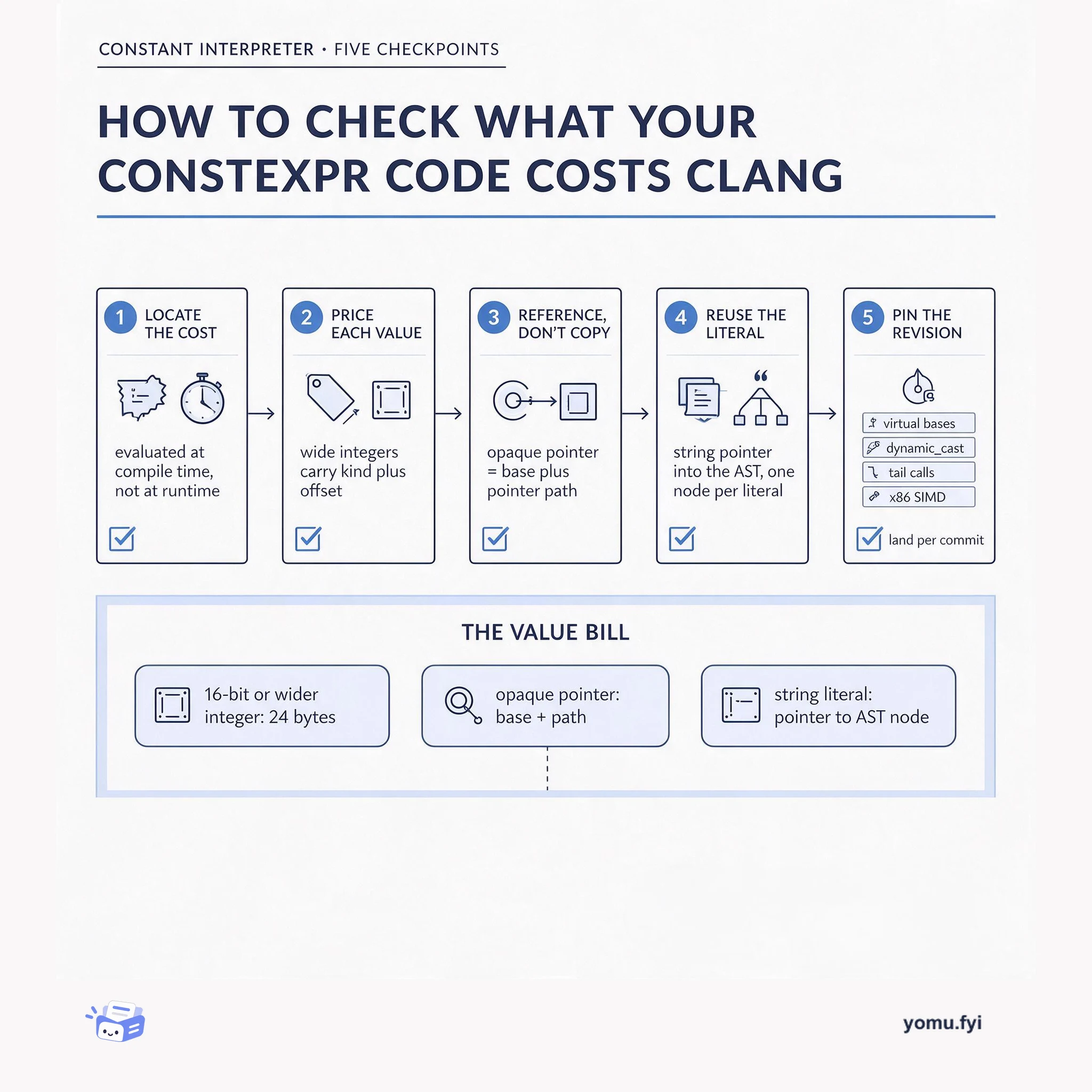
Clang's constant interpreter evaluates constant expressions at compile time, so the bill lands on your build, not your binary. This five-checkpoint guide shows where that memory goes and how to keep it small.
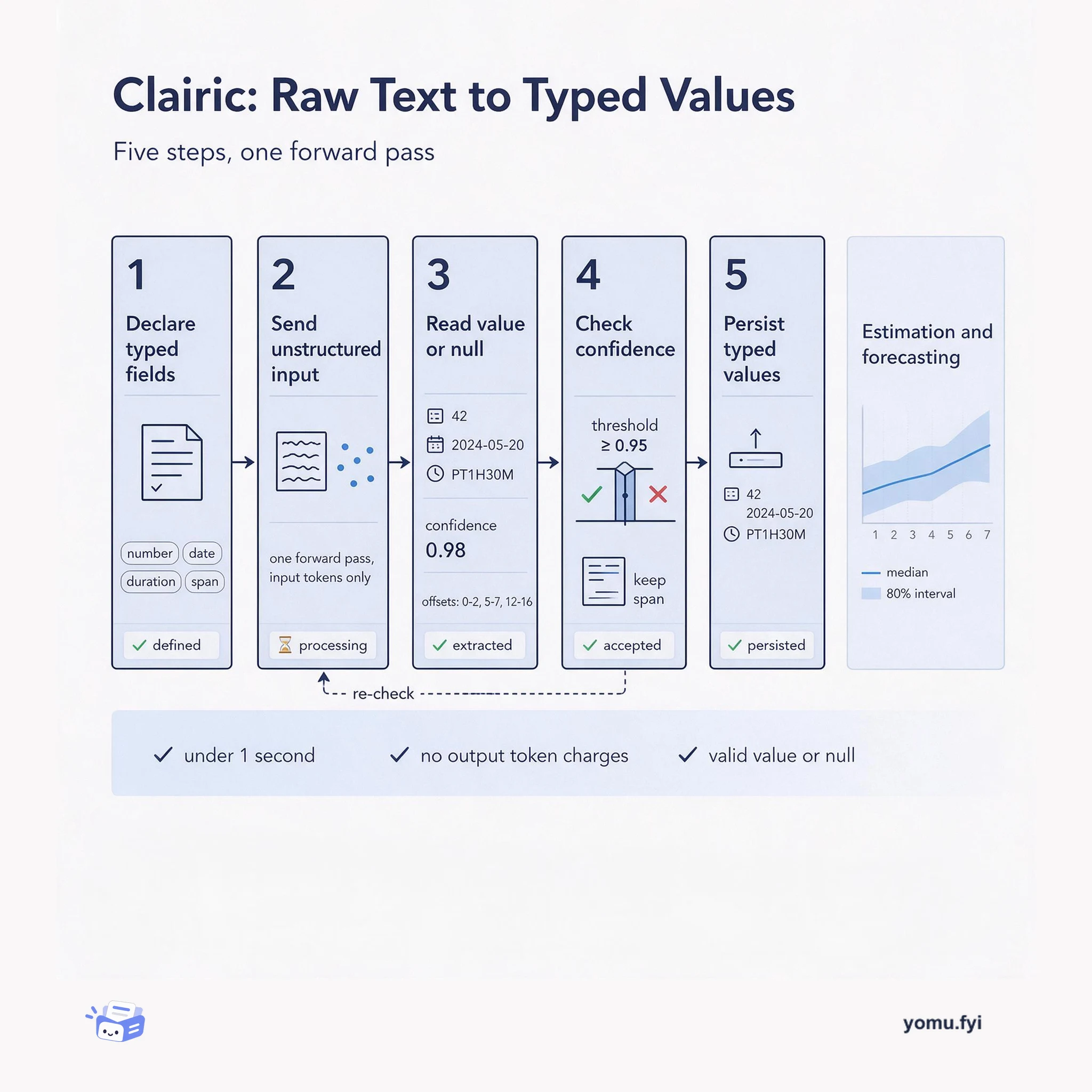
Clairic is a System One extraction model that turns unstructured input into typed values in a single forward pass. This five-step flow shows how to declare fields, call it, and use the results.
The Good Stuff
Paid picks we use ourselves. Links carry a referral code — a subscription through one earns us a commission at no extra cost to you.