Enterprise data products are presented as managed assets that deliver the right data at the right time, with appropriate quality, format, and usability for users and applications. Their value depends on clear ownership, business-aware data product owners, and five trustworthiness characteristics: quality and observability, semantic consistency, privacy, security, and discoverability. The proposed lifecycle runs from inception and design through creation, publication, operation and governance, consumption, and retirement, with data contracts, quality metrics, testing, versioning, access management, and lineage supporting those stages. For Databricks implementations, the guidance recommends Delta Live Tables expectations and constraints, staged development, testing and production environments, automated monitoring, and Unity Catalog for discovery, governance, lineage, auditing, and access controls.
Context
Organizations need high-quality, trusted data products to support data-driven decision-making and AI objectives. Data quality and usability must remain reliable regardless of whether an organization adopts a data mesh architecture.
Approach / What changed
Assign data product owners, define data contracts and quality metrics, build and test products through staged environments, publish them with versioning and access controls, and operate them with monitoring and governance. Databricks recommendations include Delta Live Tables expectations and constraints and Unity Catalog for discovery, lineage, auditing, and access management.
Takeaways
1
A data product can include tables, dashboards, machine learning models, streams, or other assets, provided it facilitates an end goal through the use of data.
2
Data product owners remain accountable across the lifecycle, from inception through retirement, while individual tasks can be shared with data stewards, engineers, and other stakeholders.
3
Unity Catalog provides centralized metadata management, discovery, lineage tracking, access controls, auditing, and compliance capabilities for enterprise data products.
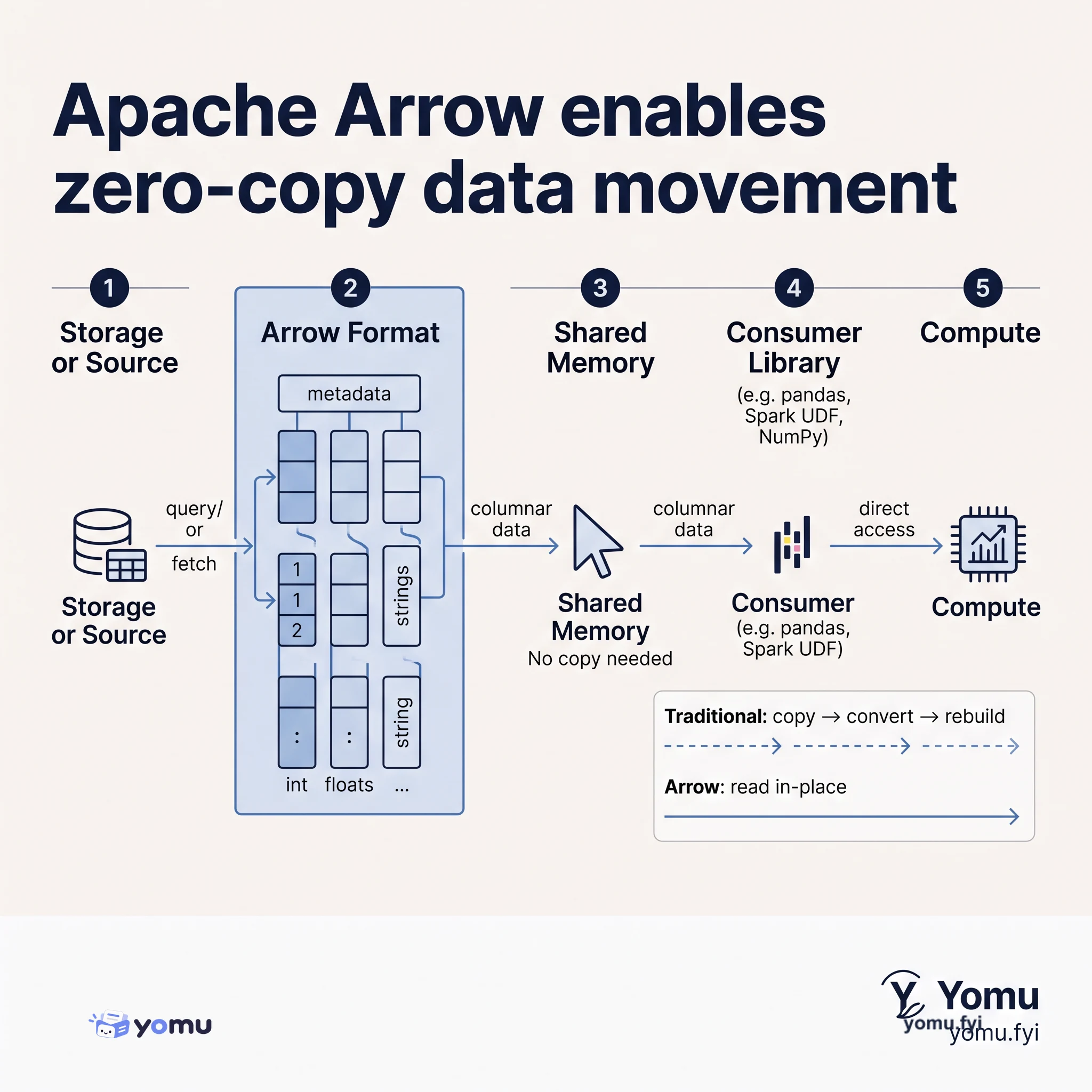
Apache Arrow is a columnar in-memory format that lets databases, analytics engines, and Python libraries share data without serialization overhead or format conversion, cutting memory peaks and speeding up common workflows.
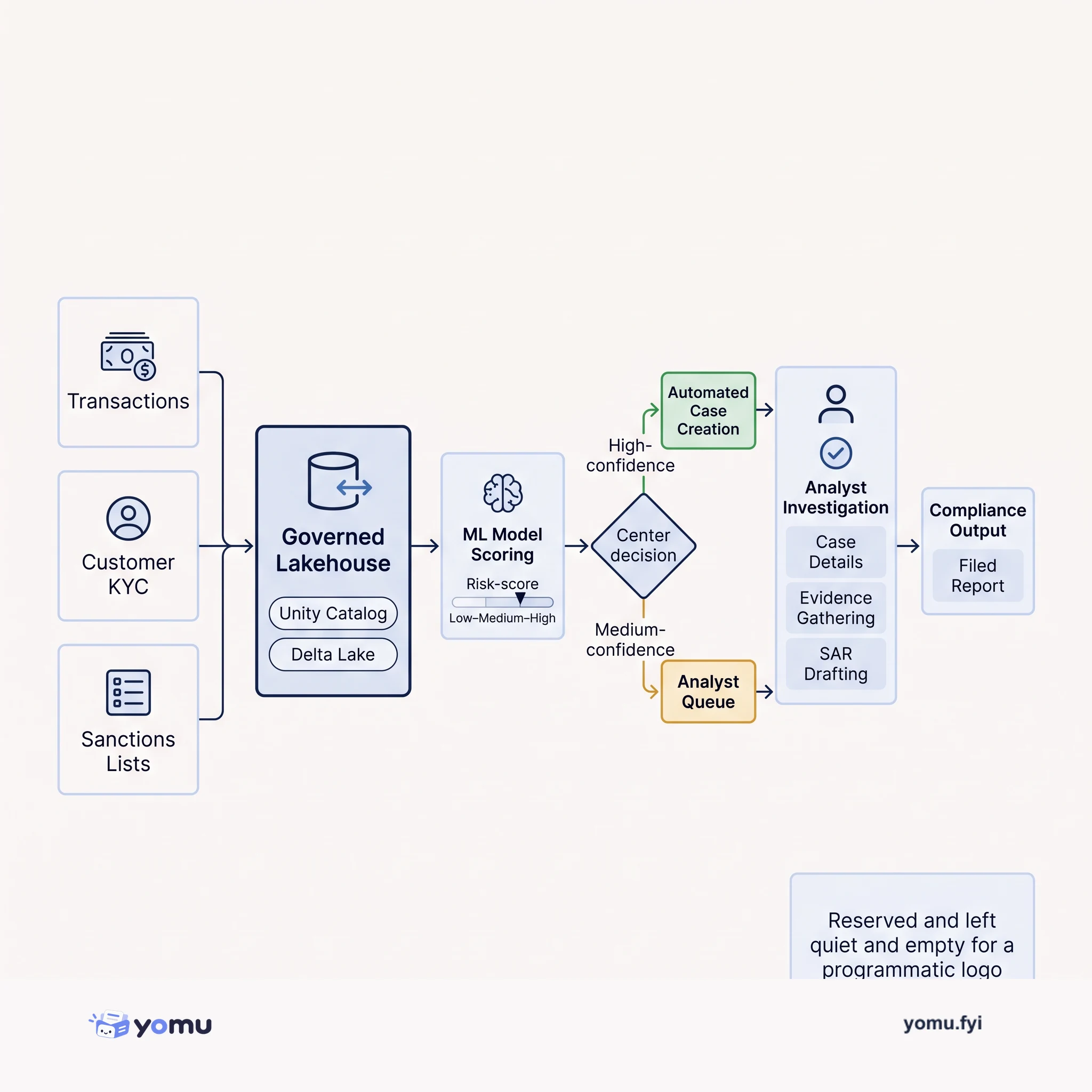
AML systems detect financial crime by unifying fragmented data sources, applying machine-learning models, and routing suspicious activity through analyst review—turning raw transactions into actionable cases.
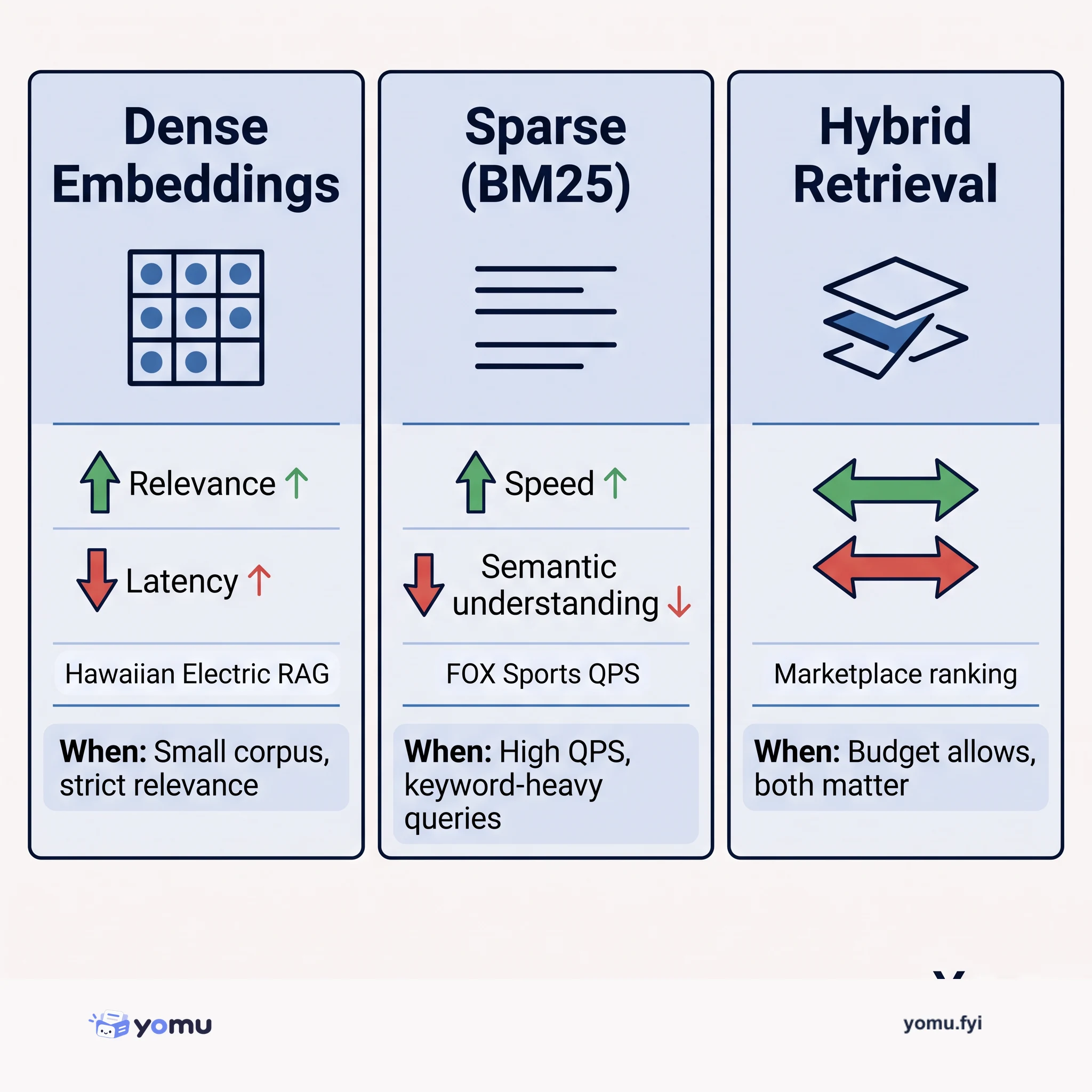
AI Search balances retrieval speed and result quality by choosing between dense embeddings, sparse lexical search, and hybrid approaches. Understand which trade-off fits your workload.
Keep reading
Related reading
The Good Stuff
Paid picks we use ourselves. Links carry a referral code — a subscription through one earns us a commission at no extra cost to you.