How to Give an Agent a Query Language Instead of a Code Interpreter
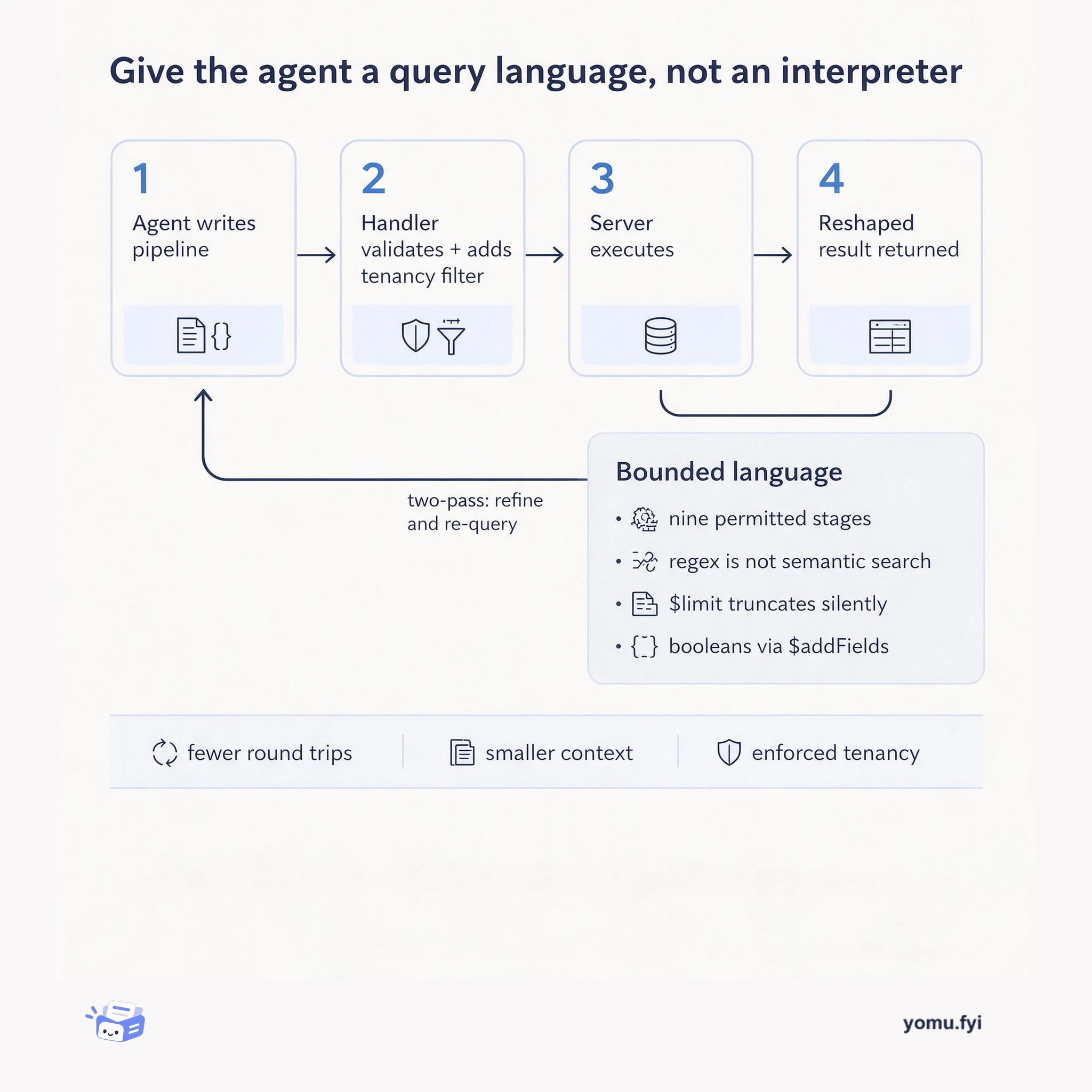
A four-step pattern for letting a document agent write validated aggregation pipelines instead of arbitrary code, so results come back shaped and tenancy stays enforced.
Loading…
Topic
181 posts about Security. Every summary links to the original.
See the idea
A four-step pattern for letting a document agent write validated aggregation pipelines instead of arbitrary code, so results come back shaped and tenancy stays enforced.
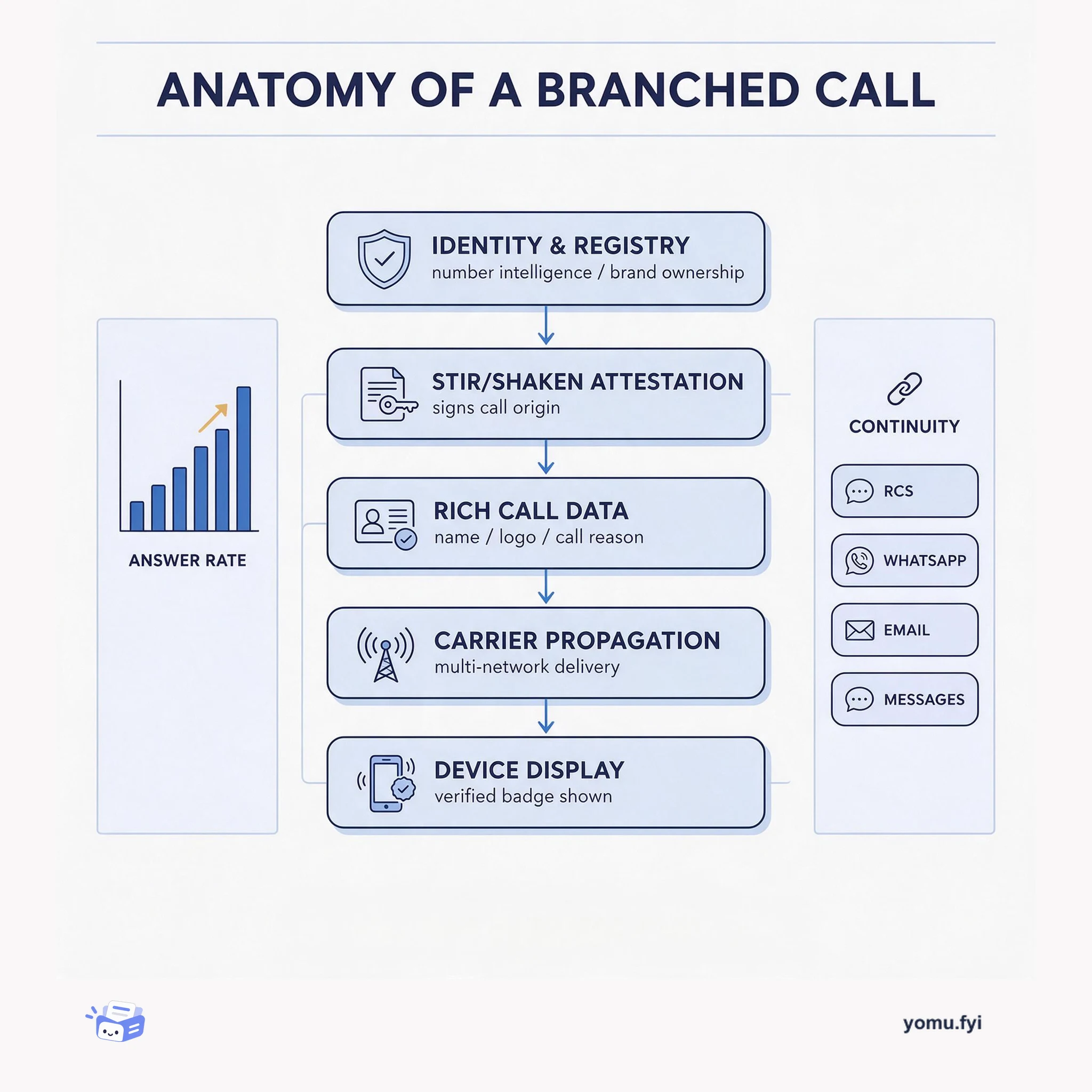
The Branded Calling trust chain, layer by layer: how identity, STIR/SHAKEN attestation, Rich Call Data, and carrier delivery combine so a verified brand name reaches the recipient's screen.
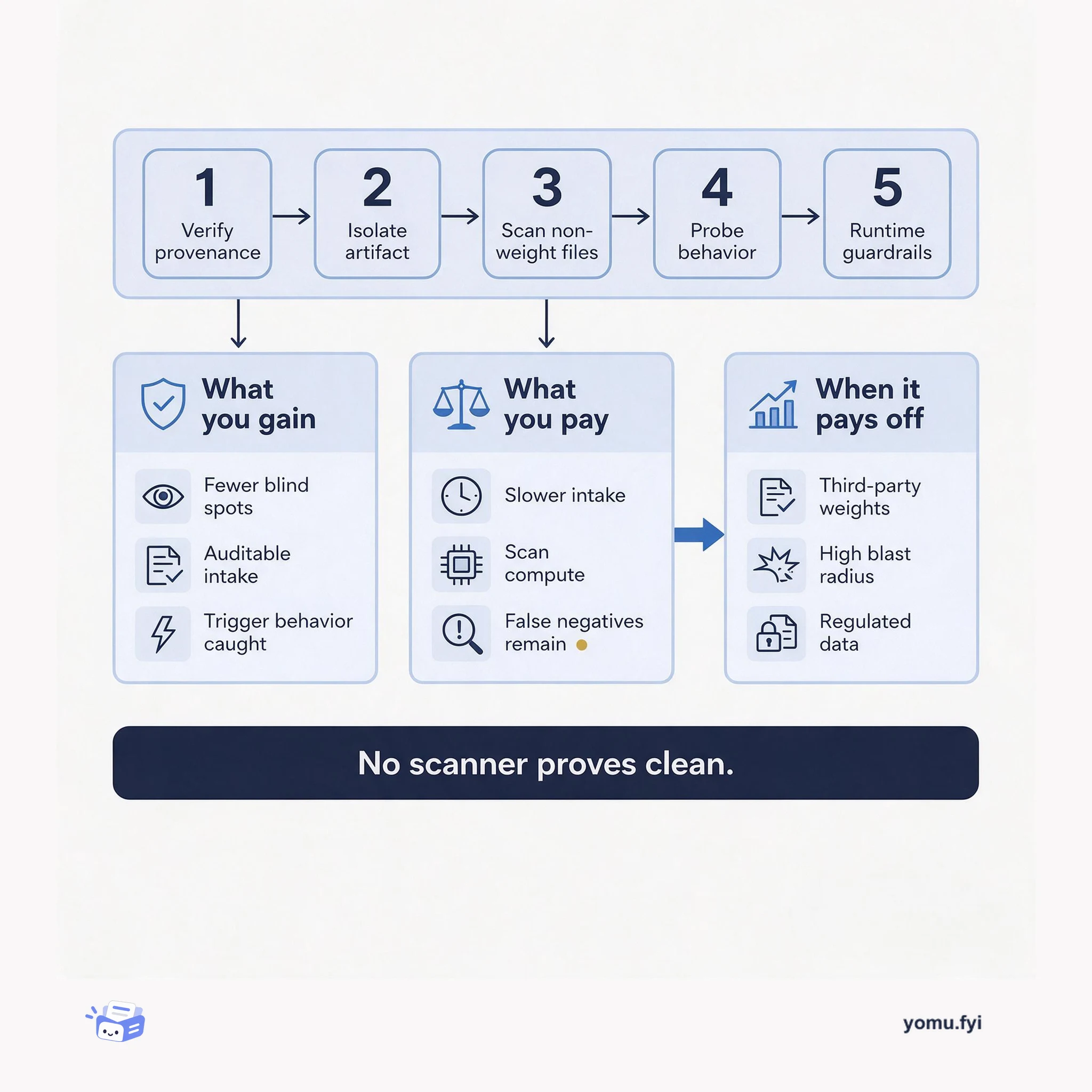
A model that passes benchmarks can still defect only on a trigger. This explainer maps the trade-off between deeper backdoor verification and the friction, latency, and cost it adds.
The Good Stuff
Paid picks we use ourselves. Links carry a referral code — a subscription through one earns us a commission at no extra cost to you.
Newest first
Celery jobs sent through a Redis broker can expose their contents because Redis does not currently support SSL and Heroku add-ons communicate over the public web. The proposed solution encrypts jobs before they travel between dynos and Redis by wrapping Kombu’s default serializers with Fernet symmetric encryption from Cryptography. The open-source kombu-fernet-serializers library supplies these encrypted serializers through Setuptools entry points; setup requires adding the package, storing a Fernet key in KOMBU_FERNET_KEY, and configuring Celery to use fernet_json with MIMETYPE in CELERY_ACCEPT_CONTENT. The example creates a Celery app with REDIS_URL as its broker and uses the serializer settings, retaining Redis’s straightforward configuration while addressing sensitive information in transit.
The best engineering reads, once a week.