How California's SB 53 Turns AI Safety Into a Disclosure Flow
California's SB 53 is a trust-but-verify rule for frontier AI: large developers disclose rather than follow technical mandates. This flow maps the compute threshold, safety frameworks, transparency reports, and the 15-day incident clock.
California's SB 53 governs frontier AI through disclosure rather than prescriptive engineering mandates. The flow starts at a scope gate: models trained above roughly 10^26 FLOPS are covered, while startups and smaller companies are exempt. Covered developers then publish safety frameworks for catastrophic risks, release transparency reports, and report critical safety incidents within 15 days, backed by whistleblower protections and monetary penalties. For engineers, the durable compliance artifacts — frameworks, system cards, incident evidence — sit around the model and survive a model swap, while runtime governance tooling supplies the auditable evidence those disclosures depend on.
FAQ
Which developers fall under California's SB 53 threshold?
The bill focuses on large developers above roughly 10^26 FLOPS of training compute and exempts startups and smaller companies. Treat that threshold as a scope gate you check first: if you are outside it, the disclosure obligations and penalties do not apply to your work.
Why build compliance artifacts around the model instead of inside it?
Survey data shows teams swap models often — only 8% use a single provider — while integrations and multi-step workflows are the hardest things to migrate. Safety frameworks, system cards, and incident evidence live outside the model and persist across swaps, while runtime policy enforcement produces the attested telemetry those disclosures depend on.
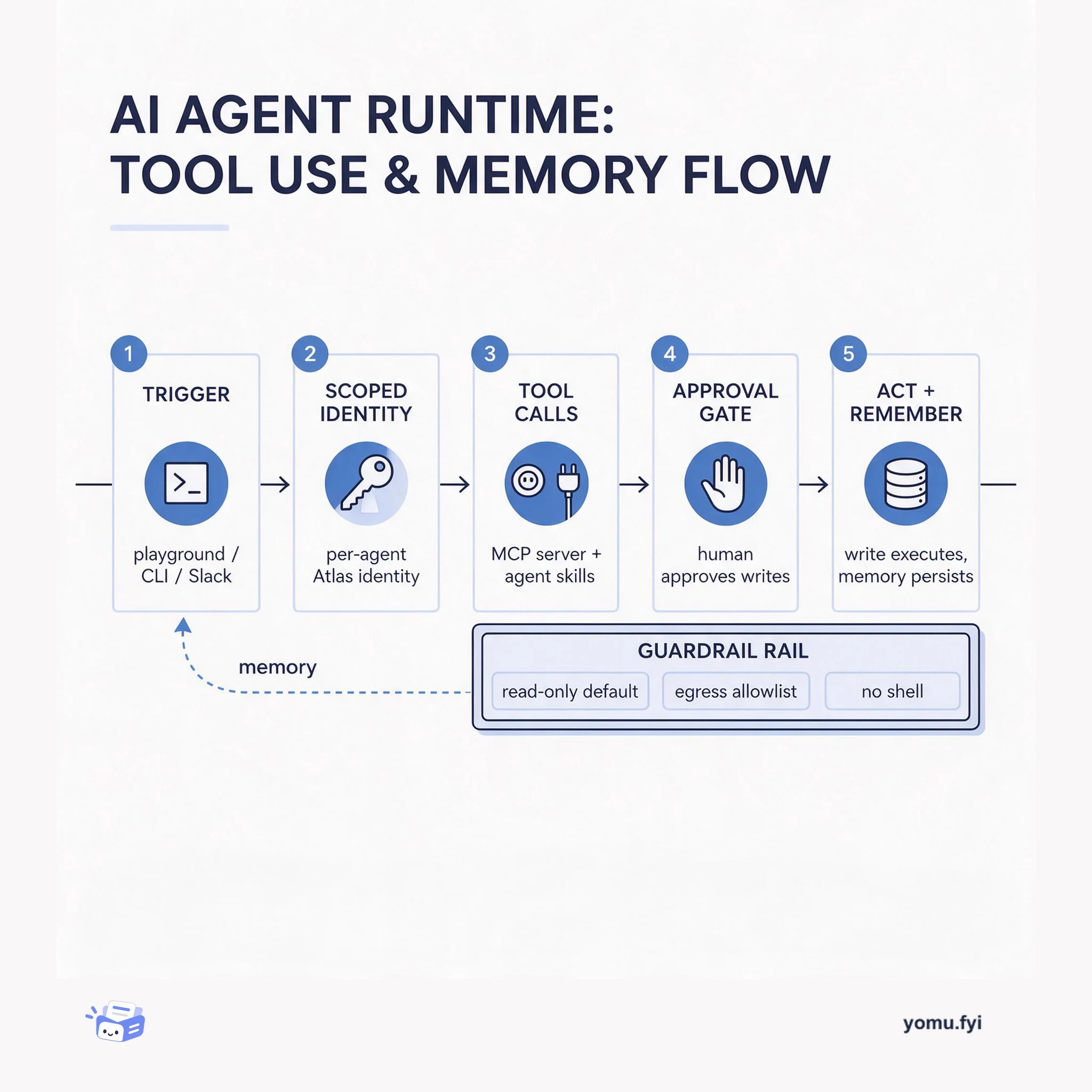
Atlas Agent Engine is the managed runtime that hosts MongoDB agents: it gives each one its own Atlas identity, read-only tools, and an approval gate before any write. Here is the loop, step by step.
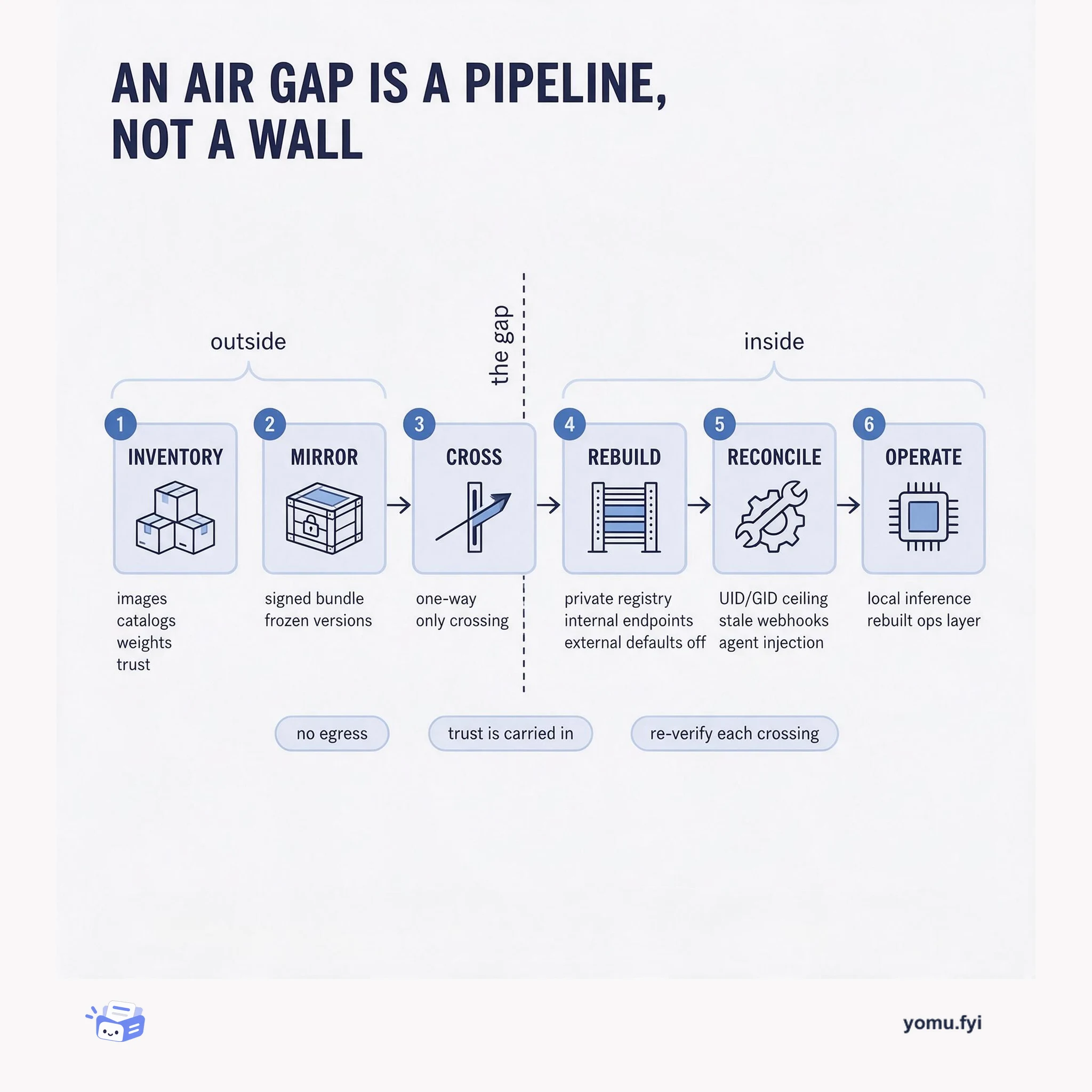
An air gap is a one-way artifact pipeline, not just a blocked network. This explainer follows six stages, from mirroring dependencies outside to operating inside with no egress.
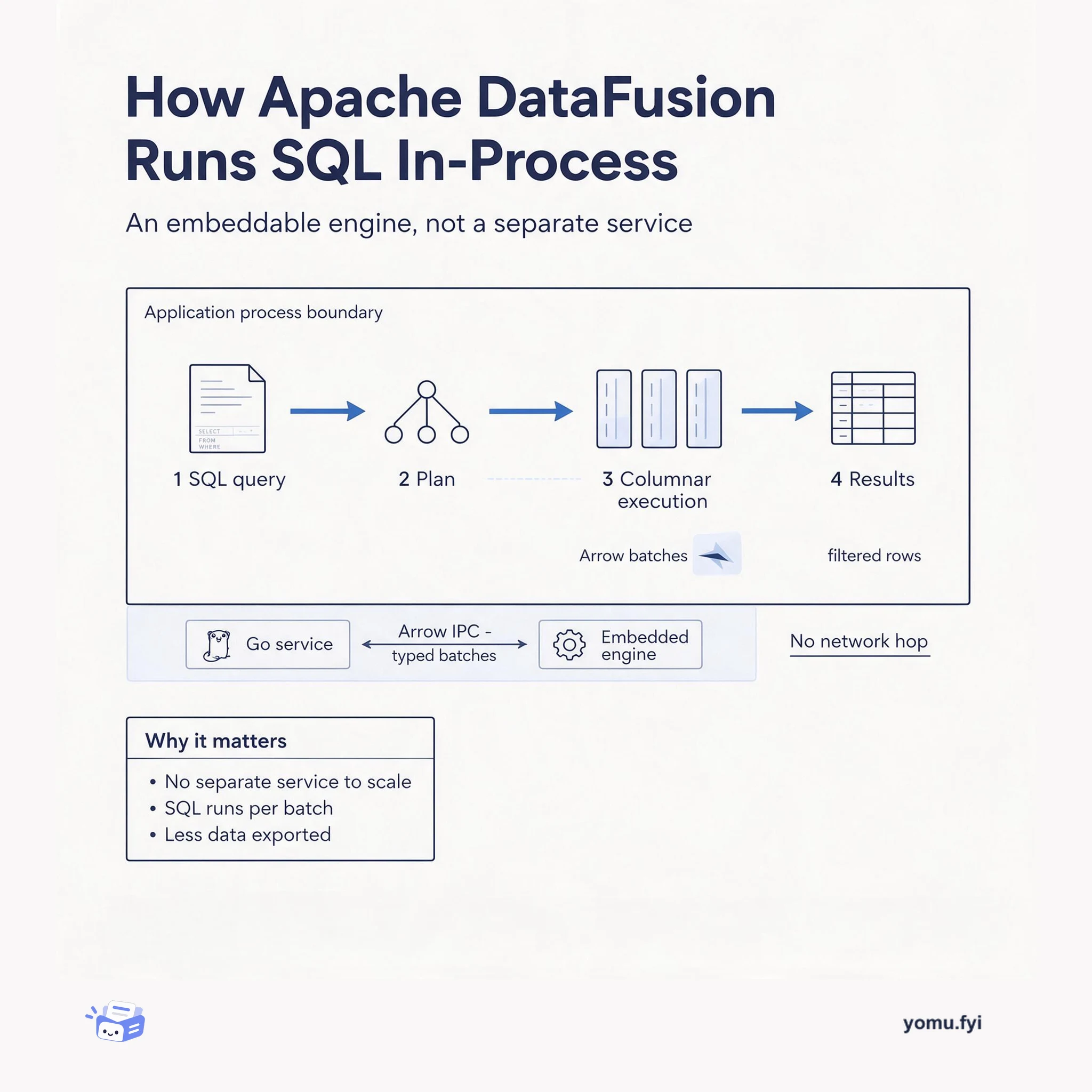
Apache DataFusion is an embeddable query engine: SQL goes in, runs as columnar Arrow batches inside your own process, and results come out without a separate service.
The Good Stuff
Paid picks we use ourselves. Links carry a referral code — a subscription through one earns us a commission at no extra cost to you.