The Friction Budget: Where CIAM Security Becomes Conversion Cost
The friction budget is how much identity resistance a customer journey can absorb before it starts costing conversions. This explainer maps CIAM's benefit, its cost, and the condition that decides which side wins.
CIAM is the identity layer in front of a customer journey, and every control it adds trades abuse reduction against conversion. The diagram reads left to right along a friction dial that runs from anonymous sessions and passwordless login to adaptive MFA and step-up verification. Three panels hang off that dial: the benefit of blocking fake accounts and credential stuffing, the cost of abandonment, and the condition that decides which wins, which is proportionality. Friction belongs where risk concentrates, should be tested on controlled traffic before rollout, and now extends to AI agents that need scoped credentials, fine-grained authorization, and audit trails.
FAQ
When does login friction actually cost conversions?
Survey data shows 19% of TMT and 17.6% of financial services respondents lost customers to excessive security friction, while about a quarter could not tell whether security drove abandonment. Instrument drop-off per step and per method instead of assuming friction is harmless; developers relying only on an external identity platform reported the fewest lost customers.
How do I decide where to place friction in a login flow?
Place controls where risk concentrates, not at the front door: anonymous sessions and passwordless or social login keep the first interaction cheap, then adaptive MFA and step-up verification appear at higher-value actions. Anonymous Sessions with Experiment Center let you A/B test authentication changes on controlled traffic and roll them out gradually with audit trails.
What breaks when AI agents act on a customer's behalf?
Agent traffic does not fit user-shaped identity: European respondents named identity infrastructure that cannot support agent access patterns as a top AI delay, and Japanese teams reported spending over 15% of engineering time on CIAM. The pattern proposed is agent as principal with a token vault, scoped credentials, fine-grained authorization, and human-in-the-loop approval with audit trails.
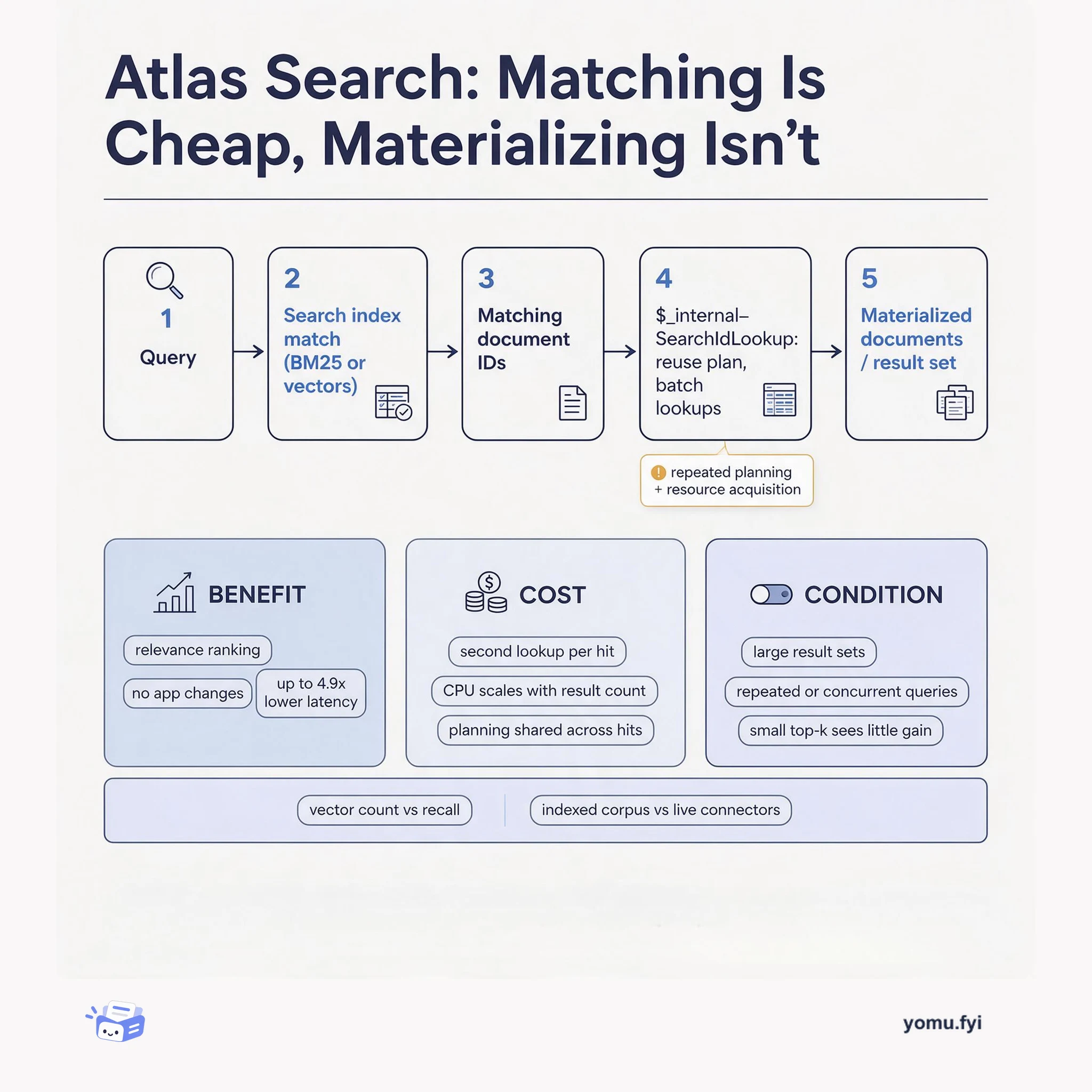
Atlas Search finds matching document IDs fast, but materializing each hit from the collection is where the latency and CPU go. This trade-off map shows the benefit, the cost, and the condition for accepting that second phase.
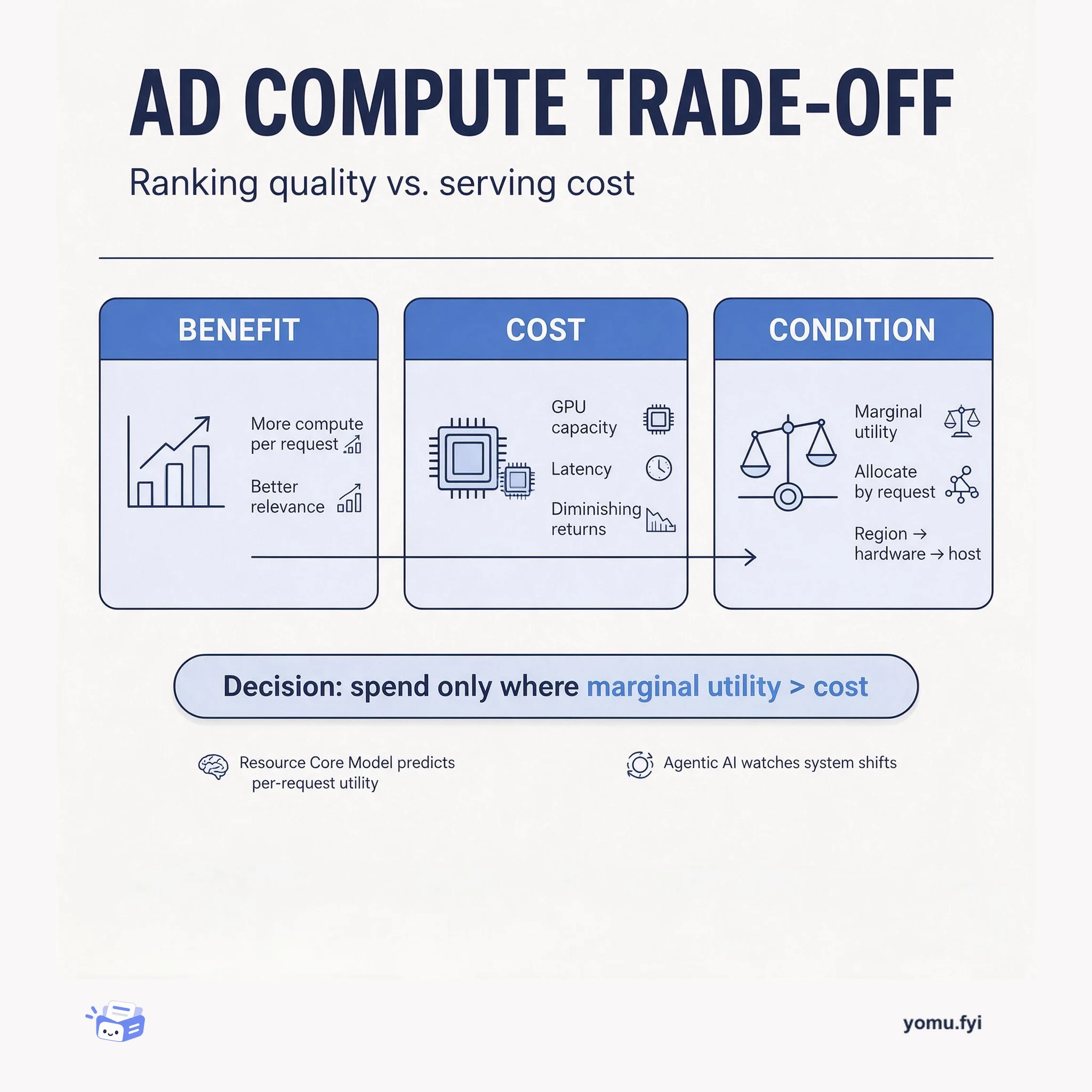
Ad ranking is a compute trade-off: more resources per request can improve relevance, but GPU capacity and latency are finite. Learn how to allocate by marginal utility instead of uniformly.
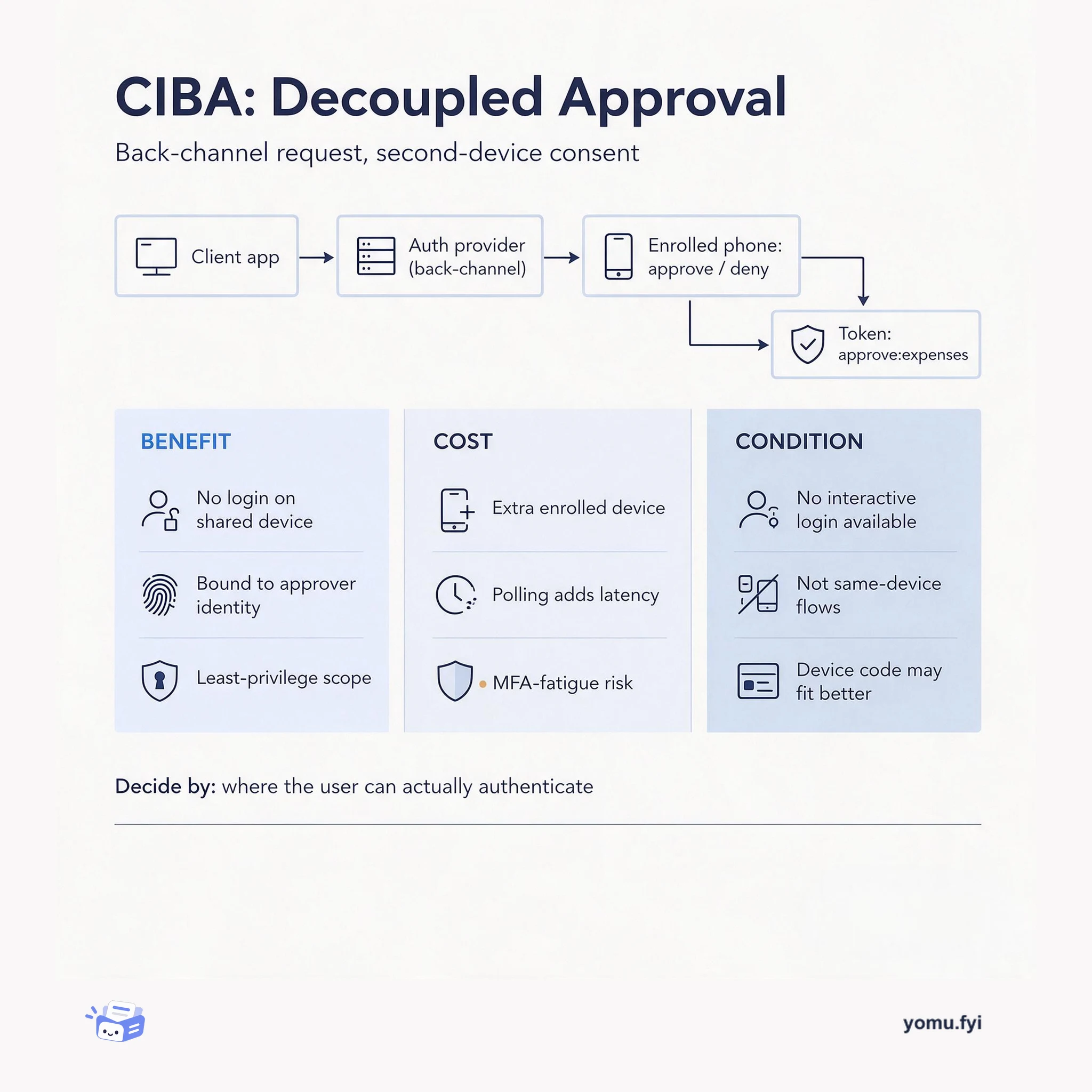
CIBA moves authentication off the device in use: the client sends a back-channel request and the user approves on an enrolled phone. See what that buys and what it costs.
The Good Stuff
Paid picks we use ourselves. Links carry a referral code — a subscription through one earns us a commission at no extra cost to you.