The AI Tool Trade-off: Rented Speed vs. Owned Control
The AI tool trade-off: where AI compresses bounded work, what verification and governance really cost, and the condition that decides whether to rent capability or own the stack.
AI tools pay off fastest on bounded, verifiable work: generating tests, drafting queries, decoding a fault trace. The cost arrives later, as verification, security, support, adoption, and governance get folded into the operating model, and as the trust boundary widens to marketplaces and third-party extensions. The deciding condition is whether a wrong answer is cheap to detect and whether you control the harness, tools, and runtime around the model. Teams that keep outputs inspectable and review criteria explicit get the speed without inheriting the risk.
FAQ
Why does an AI tool's cost keep rising after a successful pilot?
Pilots usually measure the model call, not the system around it. Production adds verification, security, support, adoption, governance, and an operating model, and pilot success is not the same as production readiness. Budget for those layers before you scale usage.
When is it worth owning the agent stack instead of a closed model?
When you need control over the harness, tools, and runtime that surround the model. One tuned harness reported near-frontier performance at roughly one-tenth the cost of leading closed models, but ownership adds operational and governance work you now carry yourself.
How do teams trust AI output without reviewing every result?
They set criteria instead of inspecting each artifact, a human-on-the-loop pattern. Meta's just-in-time test generation filtered false positives through an LLM-as-judge ensemble plus a rule-based assessor, reaching a 60 percent true-positive rate while catching 74 serious privacy bugs.
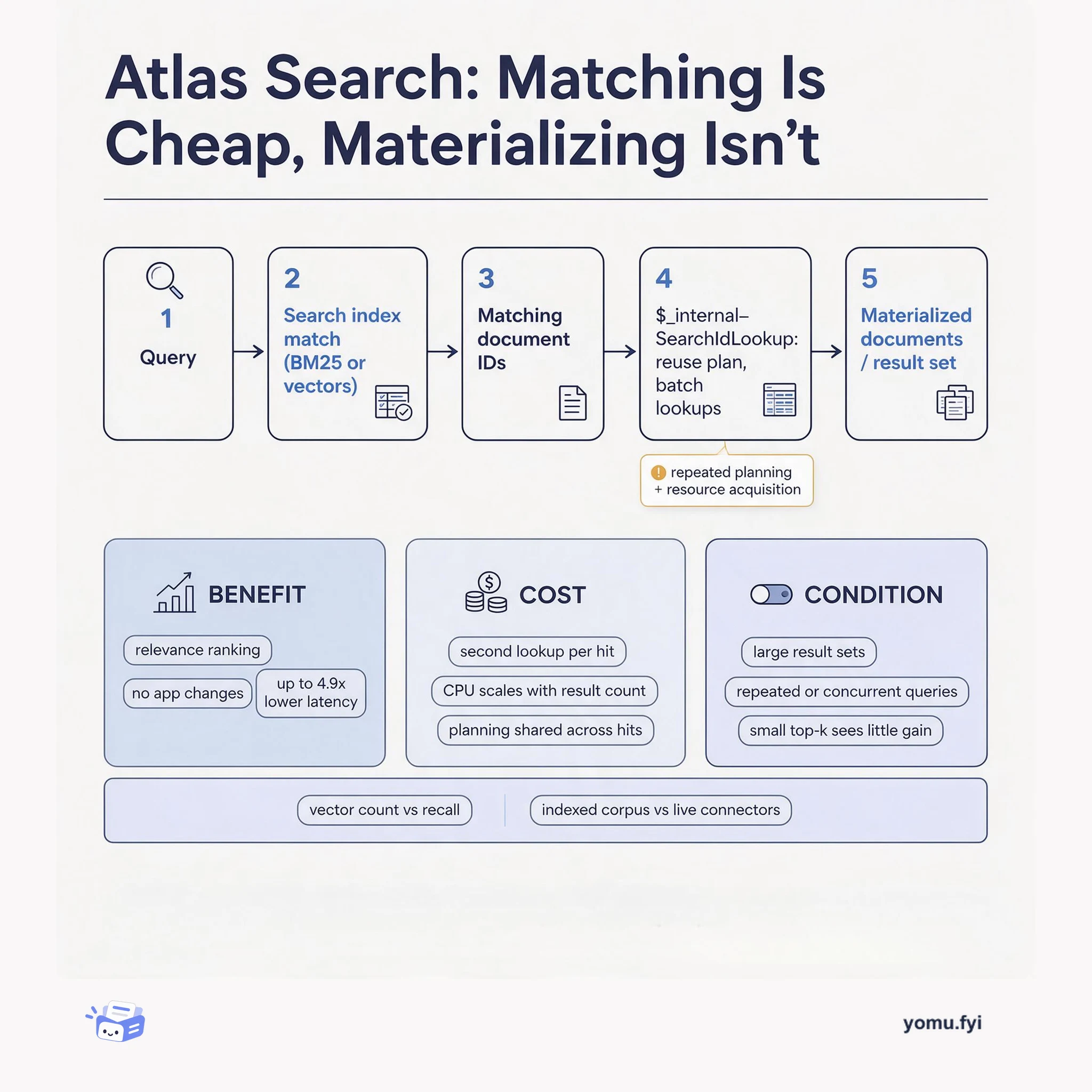
Atlas Search finds matching document IDs fast, but materializing each hit from the collection is where the latency and CPU go. This trade-off map shows the benefit, the cost, and the condition for accepting that second phase.
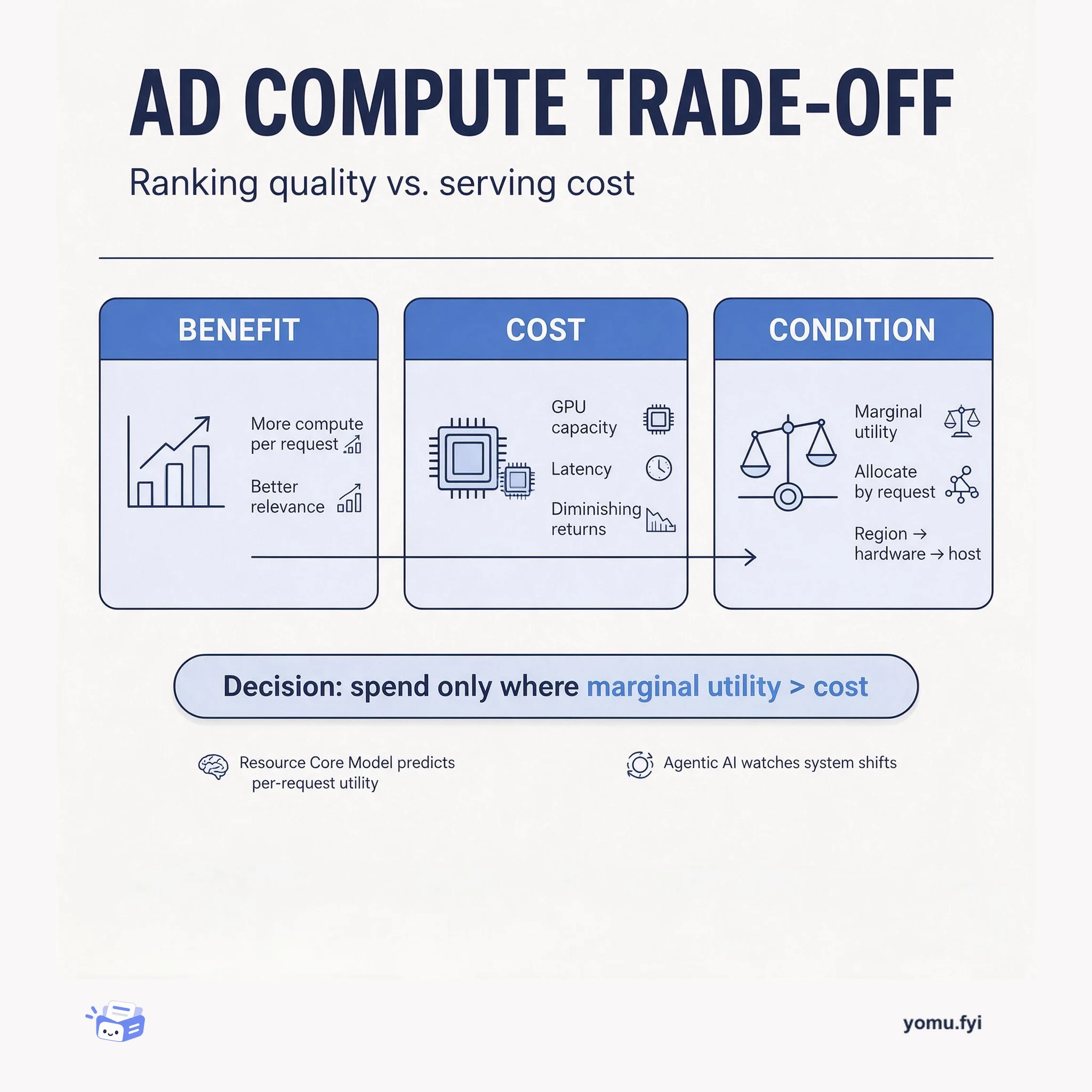
Ad ranking is a compute trade-off: more resources per request can improve relevance, but GPU capacity and latency are finite. Learn how to allocate by marginal utility instead of uniformly.
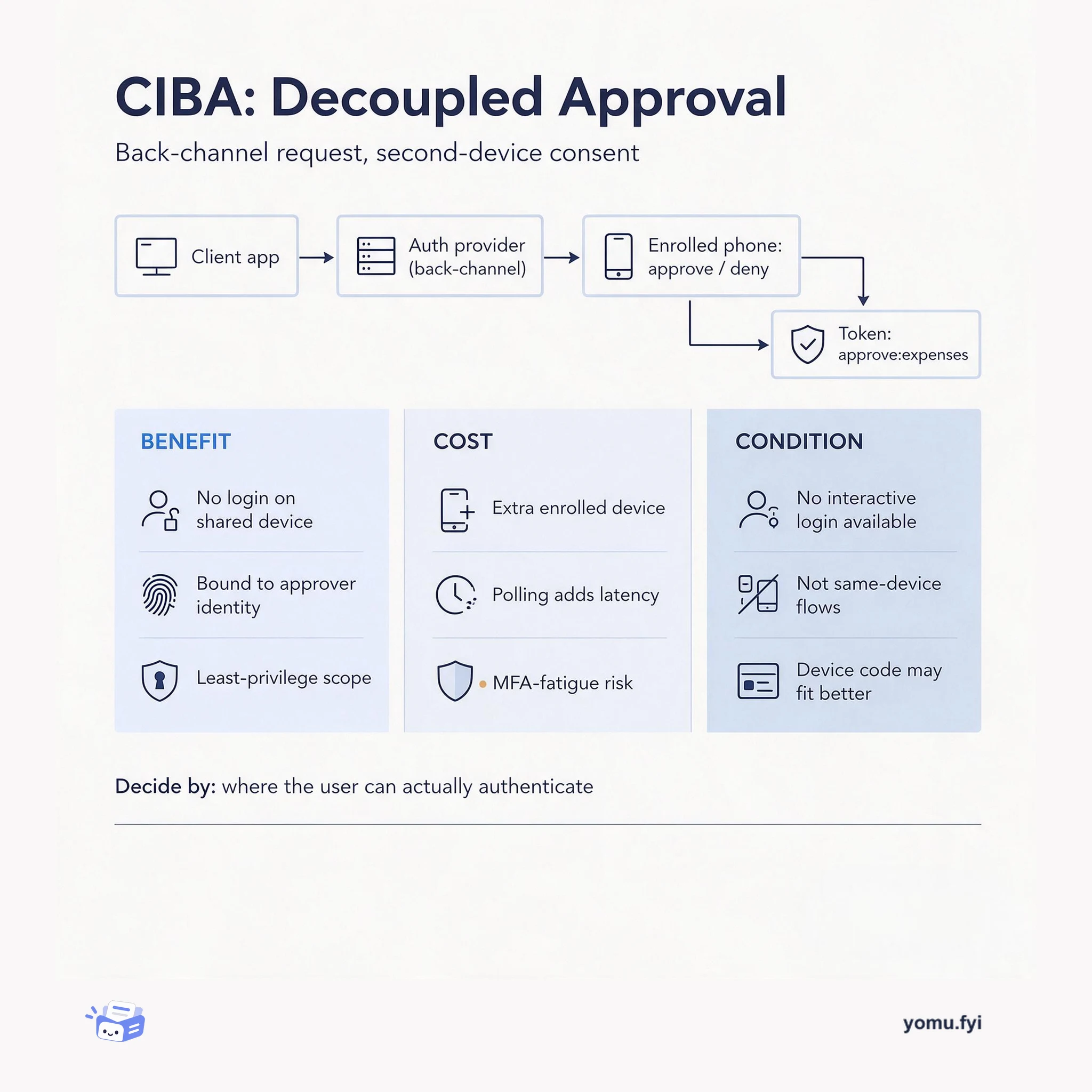
CIBA moves authentication off the device in use: the client sends a back-channel request and the user approves on an enrolled phone. See what that buys and what it costs.
The Good Stuff
Paid picks we use ourselves. Links carry a referral code — a subscription through one earns us a commission at no extra cost to you.