The conversation examines the economics and platform implications of operating dozens or hundreds of AI agents rather than a small number of human-driven workflows. Andi Gutmans argues that many current models are already sufficient for automation, shifting the optimization problem to the complete system: model, harness, context, personalization, and evaluation. The goal is the least sophisticated model and smallest viable context that produce a reliable outcome at the lowest cost, with better trajectories reducing reasoning loops and token processing; Google’s stated approach is to hill climb models and data together. The discussion also addresses cost governance, search and observability for agents as a distinct persona, human-in-the-loop handling, and the continuing importance of computer-science fundamentals, agentic fluency, and business judgment.
Context
Running dozens or hundreds of agents changes the cost and operational model: one employee may oversee many agents working around the clock, making token efficiency and cost governance more important. The discussion also identifies context selection, search, evaluation, and observability as difficult platform problems because agents require different optimization criteria from humans.
Approach / What changed
Treat agent performance as a system-level problem involving the model, harness, context, personalization, and evaluations. The stated approach is to identify the least sophisticated model and least amount of context that reliably produces the required outcome, hill climb model and knowledge together, use search and enrichment to identify relevant context, and add human involvement when necessary.
Takeaways
1
Token maximization is not the objective; reducing unnecessary context and reasoning loops can lower processing costs while preserving outcomes.
2
Gutmans says context selection remains unsolved and requires evaluations of agent trajectories, search, and model-and-data iteration rather than relying only on human-curated ontologies.
3
Platform teams need tooling and observability for agents treated as a distinct persona, alongside developers, data scientists, and business users.
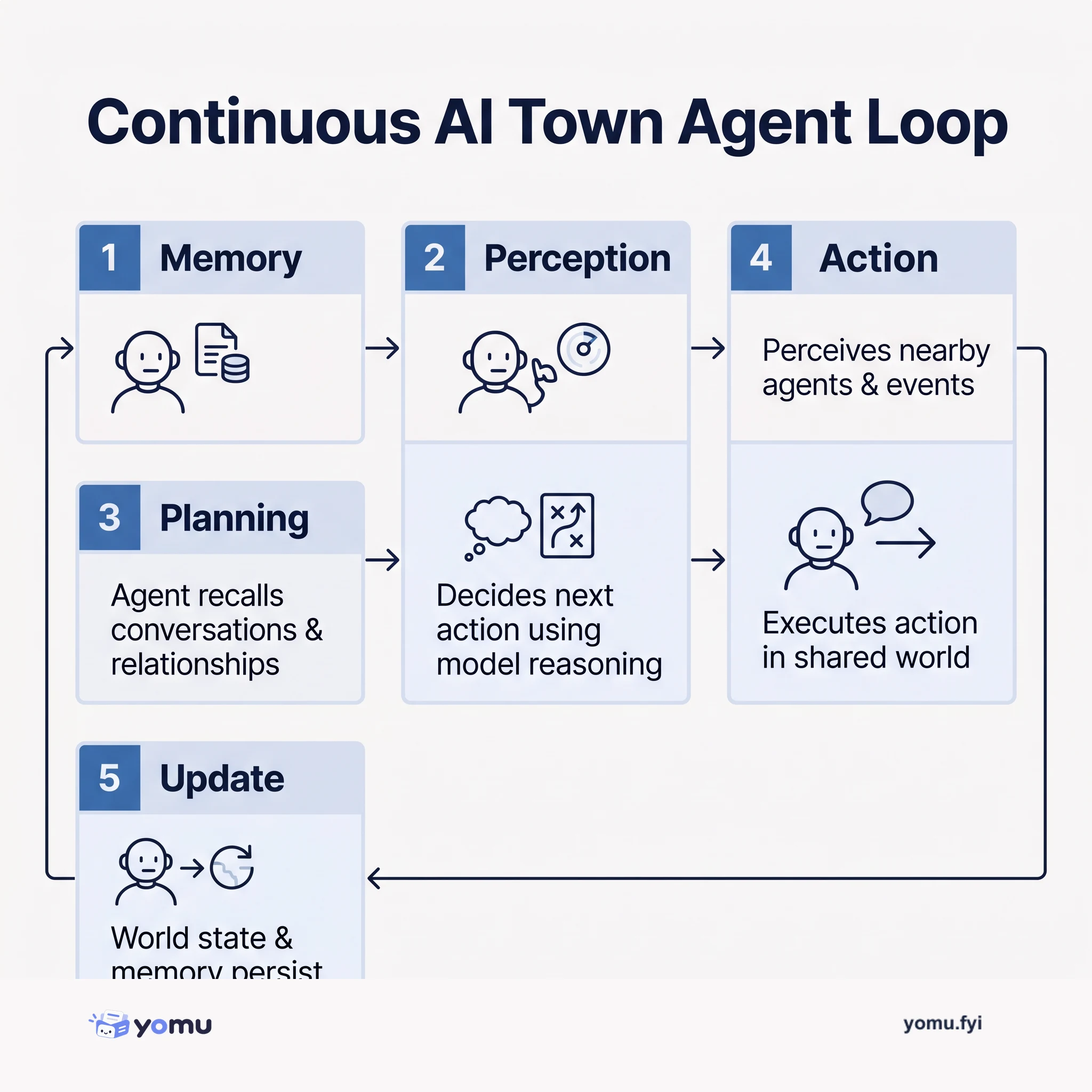
AI Town is a pixel-art simulation framework where autonomous agents maintain memories, relationships, and goals across time, creating observable environments for testing how models behave in long-context interactive settings.
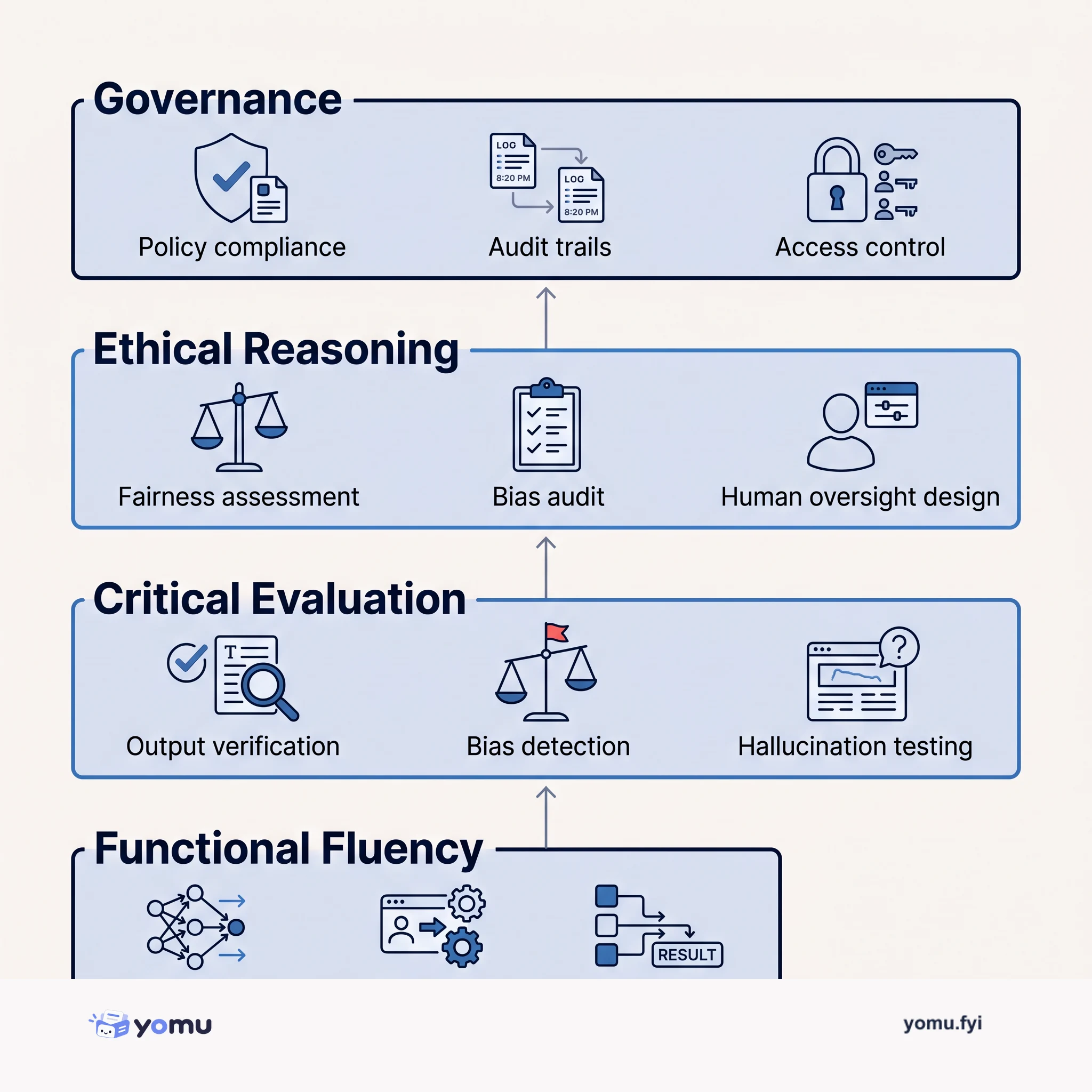
AI literacy spans functional fluency, critical evaluation, ethical reasoning, and governance. Engineers need all four to deploy AI responsibly and make sound technical decisions.
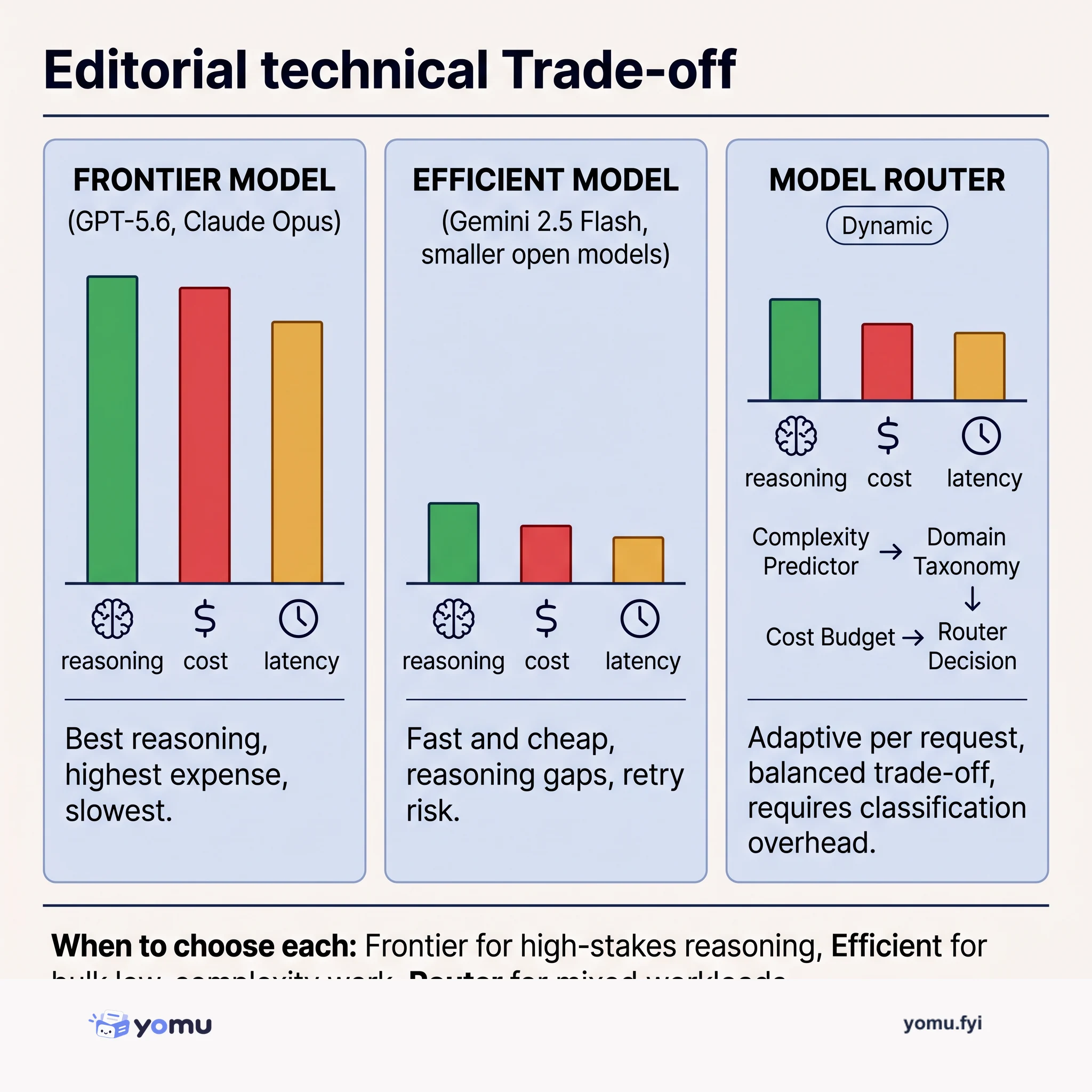
Understand how to choose between frontier models, efficient alternatives, and routing systems by weighing capability gains against token costs and latency constraints.
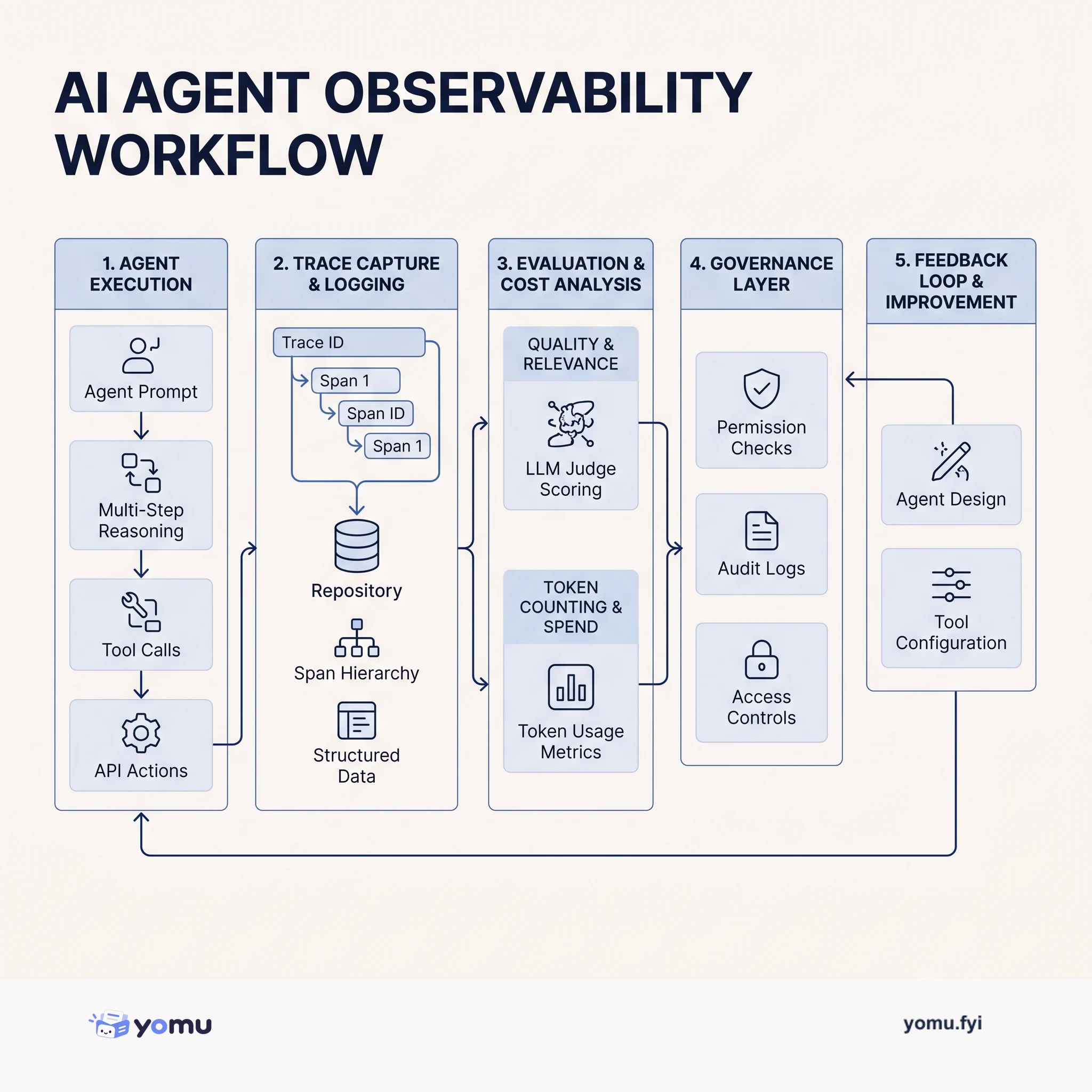
AgentOps is the operational discipline of building, deploying, and monitoring production AI agents. Learn how tracing, evaluation, and governance turn raw agent behavior into reliable, cost-controlled systems.
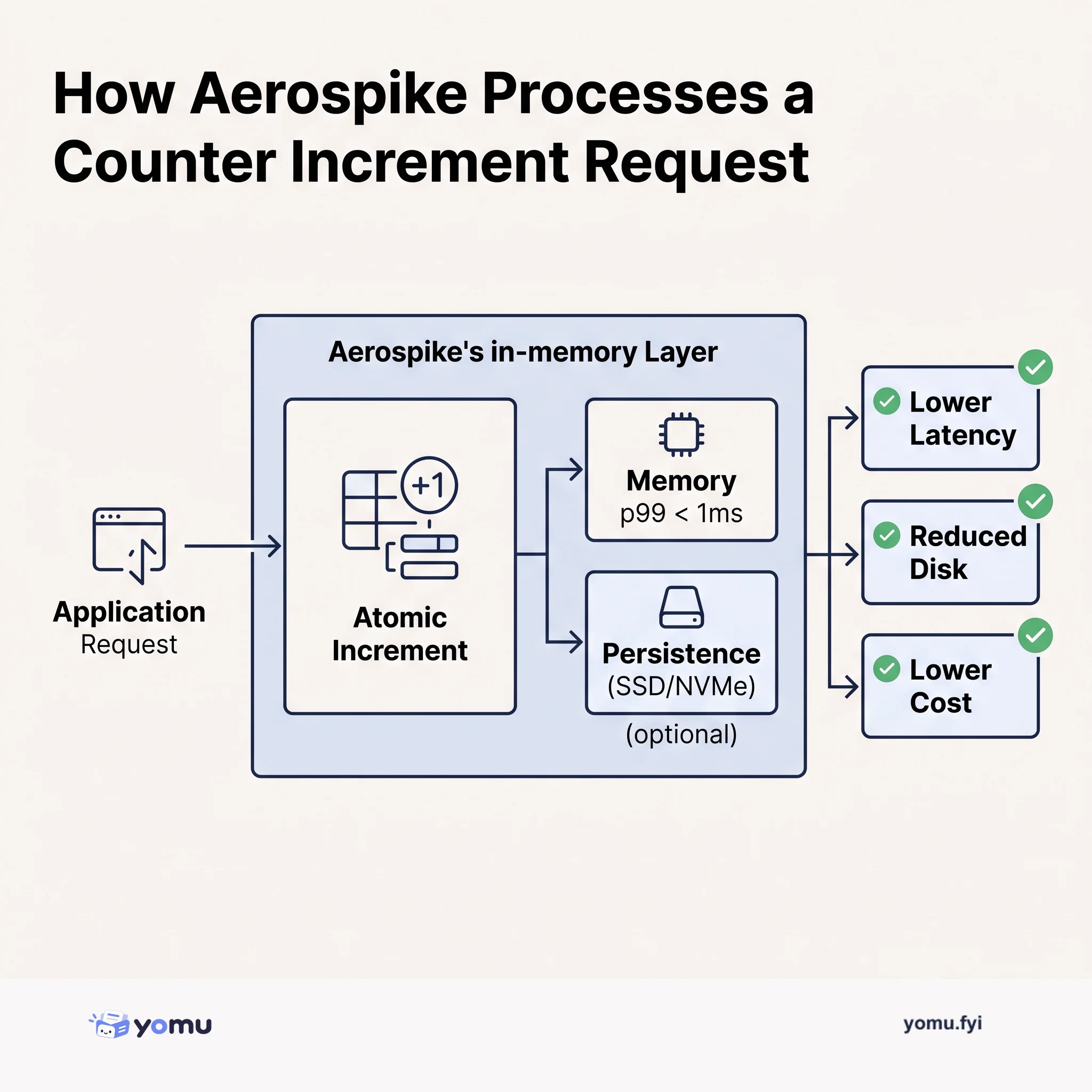
Aerospike is an in-memory database optimized for real-time counters and fraud detection at extreme scale. Learn how it replaces wide-column stores and cuts latency and cost.
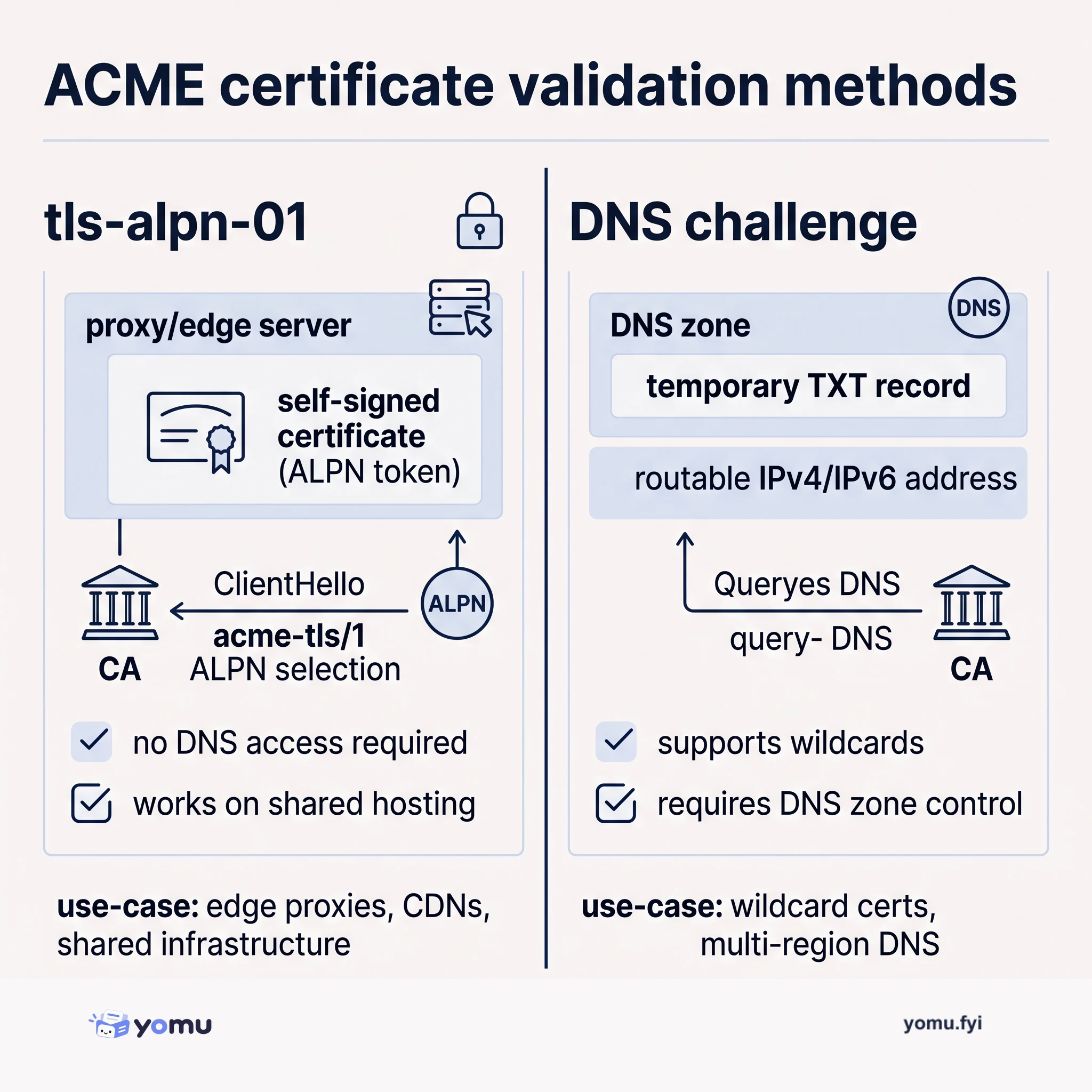
ACME uses different domain-control validation methods. tls-alpn-01 works on shared hosting without DNS access; DNS challenges suit wildcard certificates but require external DNS control.
Keep reading
Related reading
The Good Stuff
Paid picks we use ourselves. Links carry a referral code — a subscription through one earns us a commission at no extra cost to you.